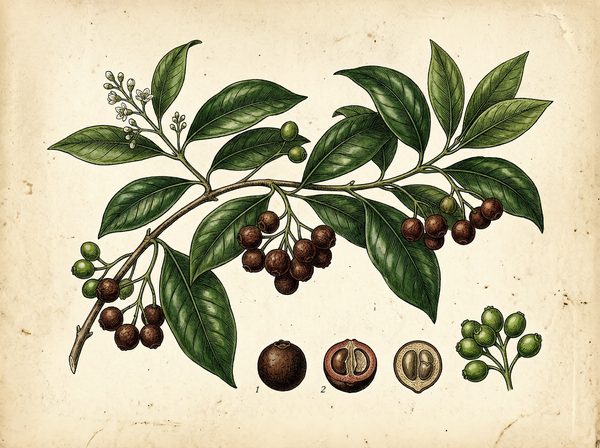
Western Herbalism
Allspice
Pimenta dioica
Also known as Pimento, Jamaican pepper, Jamaica pepper, Pimenta.
Allspice is the dried unripe berry of an evergreen tree native to the West Indies, southern Mexico, and Central America, so named because its flavor was thought to combine clove, cinnamon, and nutmeg in one spice. The fruit and its essential oil have long served as both a kitchen spice and a folk medicine, and it appears in the physiomedicalist materia medica as a diffusive aromatic stimulant used to warm and settle the digestive tract. Modern use retains this same simple, practical role: a fragrant carminative that calms griping, nausea, and flatulent colic, and that makes bitter or purgative preparations more tolerable.

Ask Herbert about Allspice. Herbert is the master herbalist inside Bountiful Herbs: he answers from this plate and eleven hundred others, with dosing, pairing and cautions. Your first ten questions are free.
Ask HerbertActions
Indications what the tradition reached for it in
- Dyspepsia
- Bowel evacuation
- Diarrhea
- Colds
- Obesity
- Fever
- Gas
- Abdominal pain
- Intestinal gas
- Heavy menstrual periods
- Vomiting
- High blood pressure
- Flatulence
- Indigestion
- Abdominal distension
- Bloating
- Colic
- Digestive discomfort
- Joint pain
- Muscle pain
- Poor circulation
- Pain
- Hypertension
- Digestive complaints
- Fatigue
- Lethargy
- Poor local circulation
- Flatulent colic
- Dyspepsia with bloating
- Nausea and vomiting
Specific indications
Flatulent colicky pain with cold, sluggish digestion, worse after eating
Safety
Low dose botanical. Used in drop doses in the classical practice; not a plant to dose freely.
The record lists 3 contraindications; open the plate in the library to read them in full.
Dosing as the sources wrote it
| Preparation | As written | Metric |
|---|---|---|
| Dried fruit: 0.65-2 g (10-30 grains) | 650-2000 mg | |
| Essential oil: 2-5 drops | 0.06-0.15 mL | |
| Fluid extract/specific medicine: 2-30 drops | 0.04-0.6 mL | |
| Dose, 10 to 30 grains. | 648-1944 mg | |
| Dose, 2 to 30 drops. | 0.04-0.6 mL | |
| The oil, in doses of two to five drops, is sometimes given in flatulence and other conditions in which essential oils are usually displayed. |
Doses are reproduced from the sources for practitioners and are not a recommendation for any person.
From the sources
Overview. Allspice is the dried unripe berry of an evergreen tree native to the West Indies, southern Mexico, and Central America, so named because its flavor was thought to combine clove, cinnamon, and nutmeg in one spice. The fruit and its essential oil have long served as both a kitchen spice and a folk medicine, and it appears in the physiomedicalist materia medica as a diffusive aromatic stimulant used to warm and settle the digestive tract. Modern use retains this same simple, practical role: a fragrant carminative that calms griping, nausea, and flatulent colic, and that makes bitter or purgative preparations more tolerable.
Clinical Notes. Allspice earns its place as a corrective rather than a primary remedy. Reach for it when a formula containing bitters, senna, or other harsh cathartics needs softening: a small addition of allspice berry reduces griping and nausea without blunting the main action, much as ginger or fennel are used for the same purpose.
Action and Therapy. A pungent, aromatic stimulant and carminative, but used chiefly as a flavoring agent. The oil, in doses of two to five drops, is sometimes given in flatulence and other conditions in which essential oils are usually displayed.
Properties and Uses. This berry is much used as a condiment, and is one of the lightest and pleasantest of the spices. It is diffusively stimulating, leaving behind a mild astringent impression, and usually proving very acceptable to the stomach often allaying vomiting.
Drawn from Cook's Physio-Medical Dispensatory; King's American Dispensatory, 18th edition (Felter and Lloyd); Felter's Eclectic Materia Medica, Pharmacology and Therapeutics, and the Bountiful Herbs editorial.
Often paired with
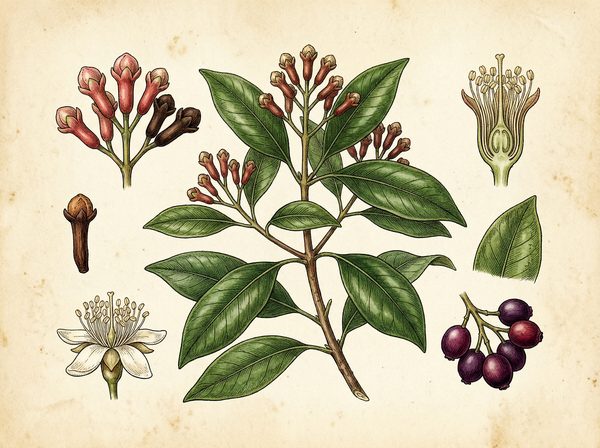 cloveSyzygium aromaticum
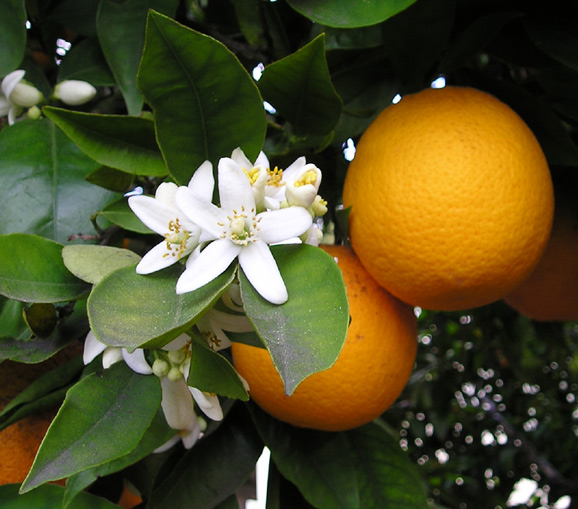 Sweet OrangeCitrus sinensis
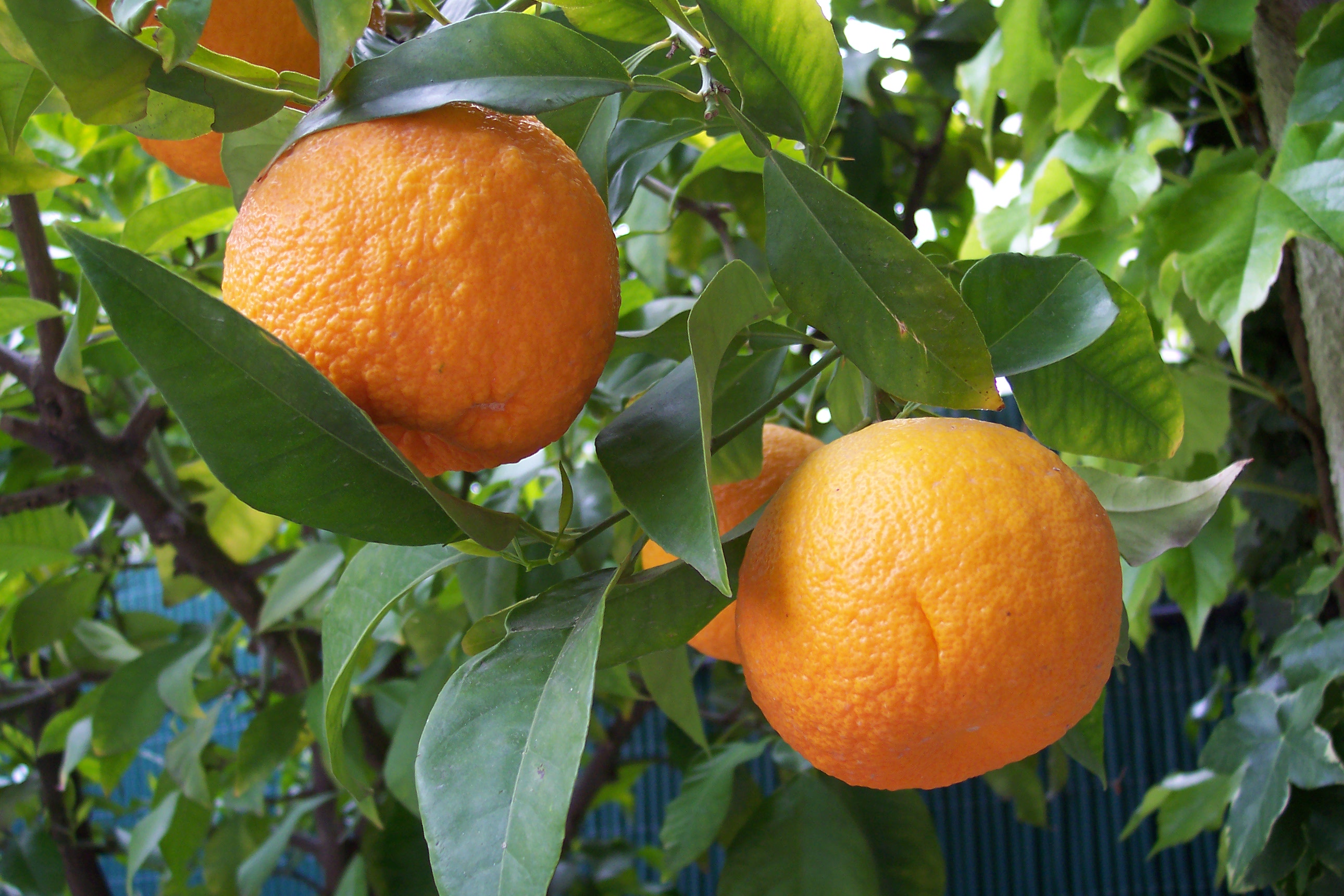 Bitter OrangeCitrus aurantium
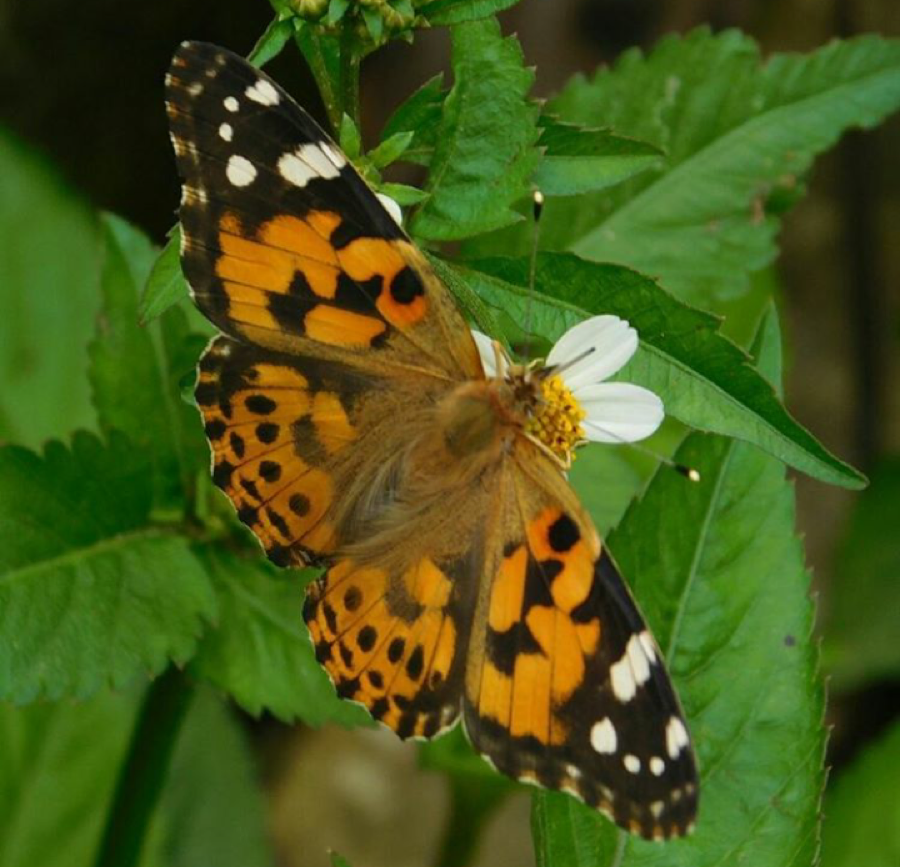 OrangeOrange
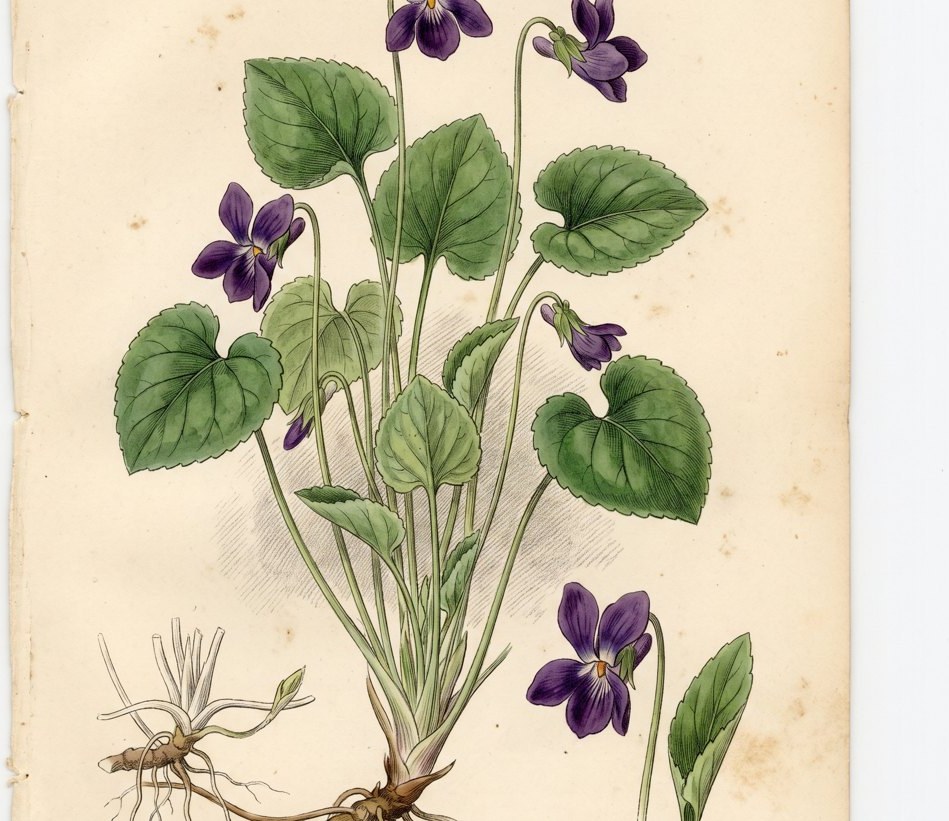 VioletViola
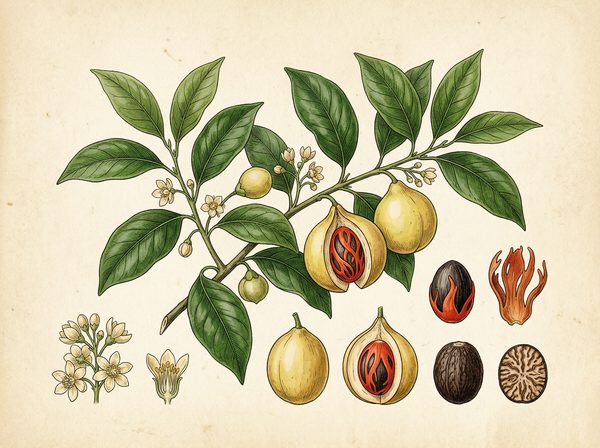 nutmegMyristica fragrans
Nearby on the shelf
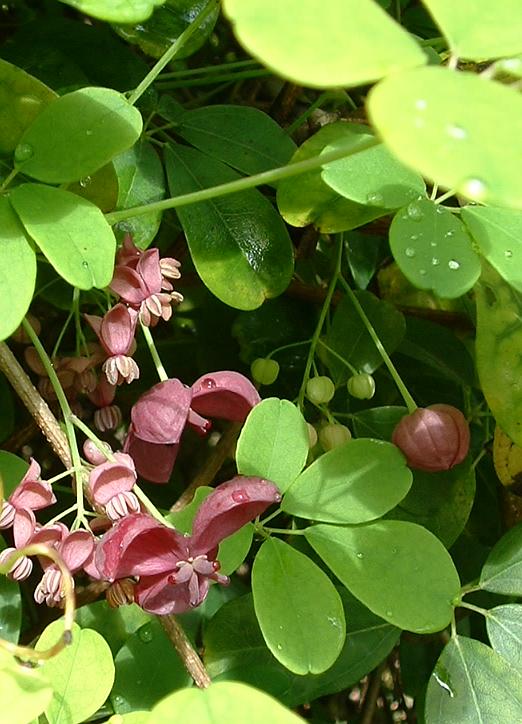 AkebiaAkebia quinata
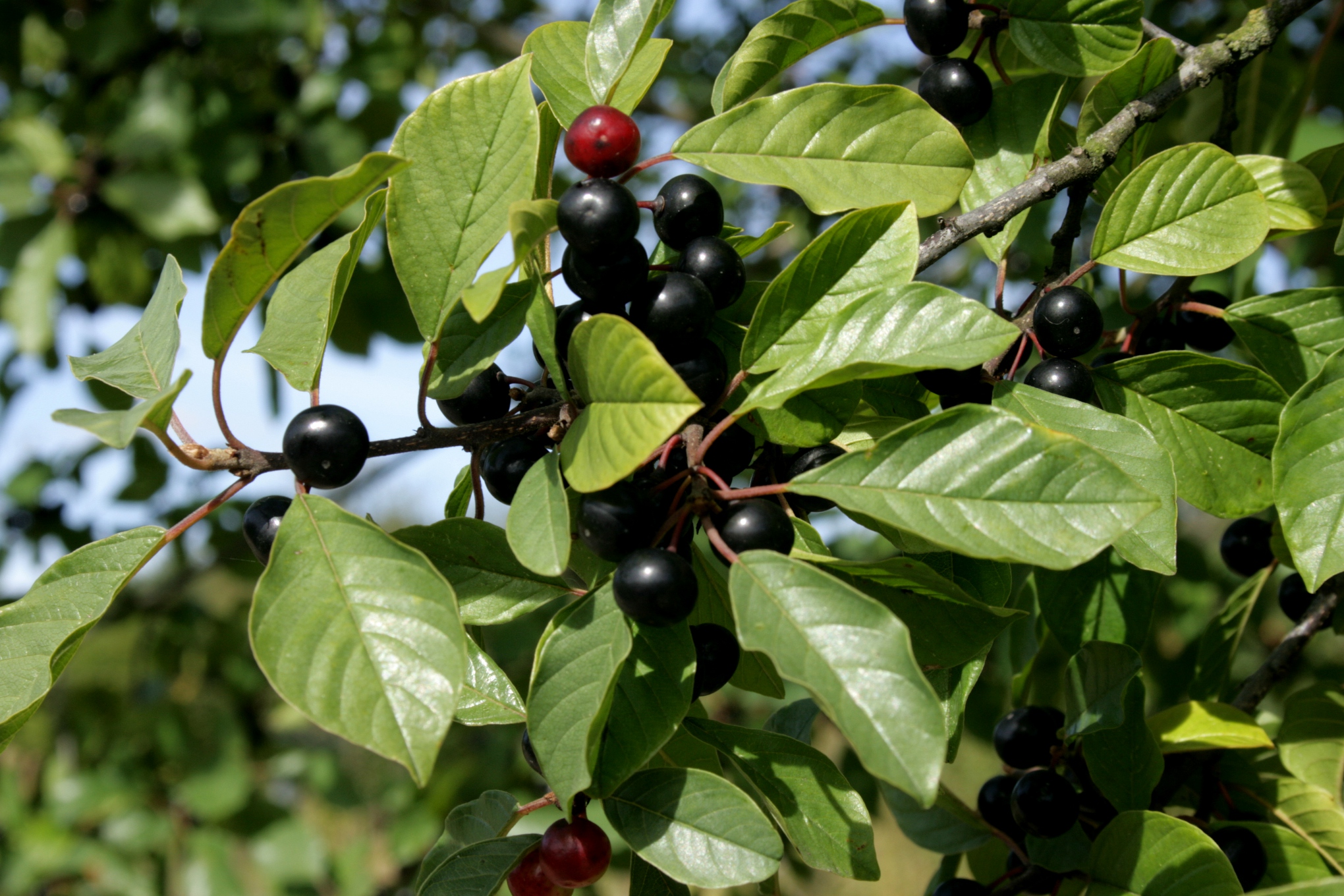 Alder BuckthornFrangula alnus
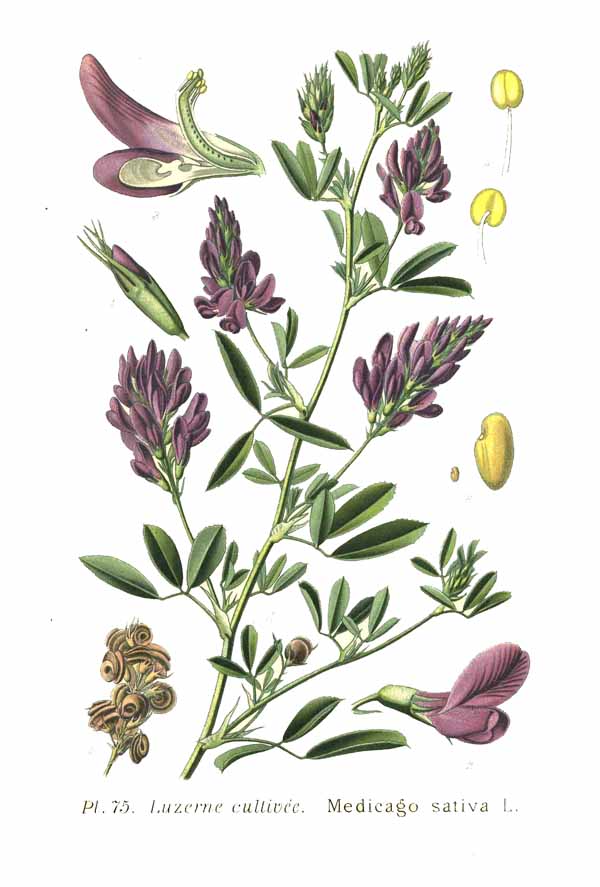 AlfalfaMedicago sativa
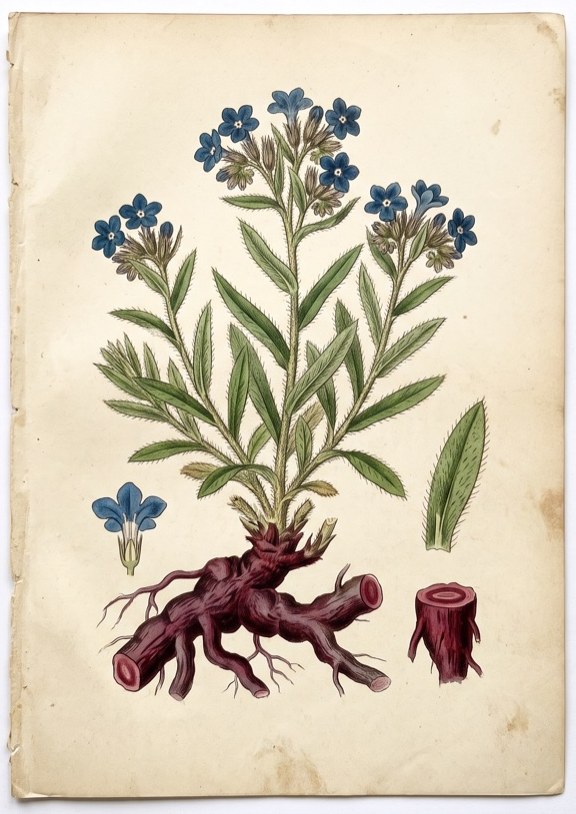 AlkanetAlkanna
 AlmondAmygdala
 Aloe veraAloe vera
 Alstonia barkAlstonia Constricta
 Alum rootHeuchera americana
The whole plate is in the library. The compass, Compare, the Sky of eleven hundred plants and the formulary open with an email address and a password, free, with the formula builder and its safety engine. Herbert without limit, his formulating, clients, the handouts and the labels are the paid room.
Open the library, free