Western Herbalism
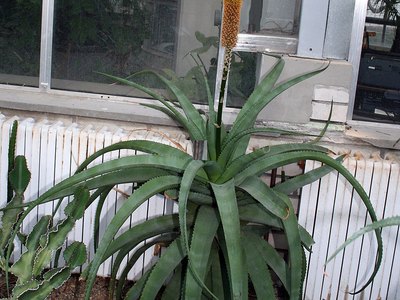
Socotrine aloes
Aloes socotrina
Also known as Aloes, Aloe Perryi, Zanzibar aloes.
Socotrine aloes is the dried, resinous exudate collected from the cut leaves of Aloe perryi, a succulent native to the island of Socotra and parts of the Arabian Peninsula and East Africa. It differs from the mucilaginous inner leaf gel of Aloe vera used for topical and demulcent purposes; this resin is a potent anthraquinone-rich stimulant laxative that was a staple purgative of eclectic and regular medicine through the nineteenth and early twentieth centuries. The crude resin and its purified constituent aloin were dosed carefully to produce a single, well-formed evacuation without excessive griping.

Ask Herbert about Socotrine aloes. Herbert is the master herbalist inside Bountiful Herbs: he answers from this plate and eleven hundred others, with dosing, pairing and cautions. Your first ten questions are free.
Ask HerbertActions
Indications what the tradition reached for it in
- Chronic atonic constipation
- Habitual constipation with dry, hard stool
- Delayed colonic transit
- Hepatic congestion with sluggish digestion
- Amenorrhea from pelvic congestion (traditional)
- Post-partum uterine stimulation (traditional)
- Intestinal parasites, particularly tapeworm (historical use)
- Constipation in bedridden or sedentary elderly patients
Specific indications
Constipation with dry hard stool and sluggish colonic peristalsis, especially in sedentary or elderly patients, given at bedtime to act overnight
Amenorrhea or scanty menses attributed to pelvic congestion, used traditionally as a uterine and pelvic stimulant alongside emmenagogue herbs
Safety
Low dose botanical. Used in drop doses in the classical practice; not a plant to dose freely.
Pregnancy: Avoid in pregnancy: traditional and pharmacological evidence of uterine and pelvic stimulant activity carries a risk of miscarriage or premature labor.
Breastfeeding: Avoid in lactation: anthraquinone metabolites pass into breast milk and can cause diarrhea in the nursing infant.
The record lists 7 contraindications; open the plate in the library to read them in full.
In practice
Socotrine aloes was valued by the eclectics for its reliable, delayed action: given at bedtime, it produced a soft, dark, formed stool on rising the next morning, unlike faster and harsher purgatives. Its effect was described as increasing intestinal blood flow, restoring muscular tone to the bowel wall, and stimulating normal peristalsis rather than simply irritating the mucosa, though from a modern pharmacological view its action is that of a classic anthraquinone stimulant laxative acting on the colon via increased fluid secretion and motility.
Dosing as the sources wrote it
| Preparation | As written | Metric |
|---|---|---|
| Powdered aloes (resin) | 50-200 mg at bedtime, short-term use only | 50-200 mg |
| Tincture of aloes (1:5) | 0.5-2 mL at bedtime | 0.5-2 mL |
| Standardized aloin | 10-30 mg (approx. two to five grains historically) at bedtime | 10-30 mg |
| Dose, as a laxative, two to four grains | 130-259 mg | |
| n the uterus is desired, it is chiefly combined with the emmenagogue tonics, and given in doses of one to two grains two or three times a day | 64.8-130 mg | |
| Dose, from two to five grains. | 130-324 mg |
Doses are reproduced from the sources for practitioners and are not a recommendation for any person.
From the sources
Overview. Socotrine aloes is the dried, resinous exudate collected from the cut leaves of Aloe perryi, a succulent native to the island of Socotra and parts of the Arabian Peninsula and East Africa. It differs from the mucilaginous inner leaf gel of Aloe vera used for topical and demulcent purposes; this resin is a potent anthraquinone-rich stimulant laxative that was a staple purgative of eclectic and regular medicine through the nineteenth and early twentieth centuries. The crude resin and its purified constituent aloin were dosed carefully to produce a single, well-formed evacuation without excessive griping.
Clinical Notes. Socotrine aloes was valued by the eclectics for its reliable, delayed action: given at bedtime, it produced a soft, dark, formed stool on rising the next morning, unlike faster and harsher purgatives. Its effect was described as increasing intestinal blood flow, restoring muscular tone to the bowel wall, and stimulating normal peristalsis rather than simply irritating the mucosa, though from a modern pharmacological view its action is that of a classic anthraquinone stimulant laxative acting on the colon via increased fluid secretion and motility.
Therapy. If administered to a nursing mother it will produce a cathartic effect upon the infant. It is a constituent of the larger proportion of the carthartic pills on the market. If the liver is acting normally a much less dose will produce a cathartic effect than when there is a torpid or an inactive liver.
Properties and Uses. All varieties of aloes are stimulating to the large intestine, acting slowly but very positively, yet not procuring very liquid stools. In semi-paralysis of the lower bowel, and for ascarides, they are generally efficient; but must not be used when there are piles, tenesmus, or the least irritation of the colon.
Drawn from Cook's Physio-Medical Dispensatory; Ellingwood's American Materia Medica, Therapeutics and Pharmacognosy, and the Bountiful Herbs editorial.
Often paired with
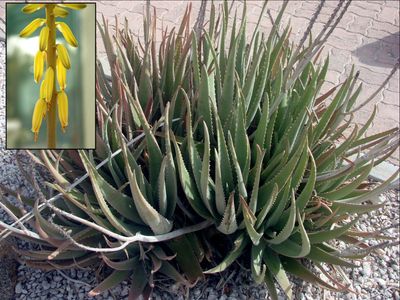 aloe veraAloe vera
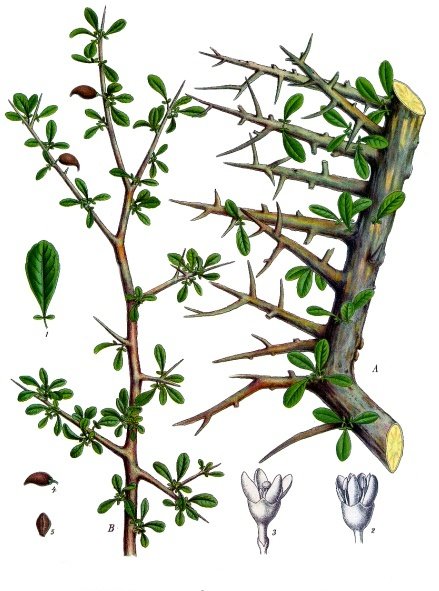 MyrrhCommiphora molmol
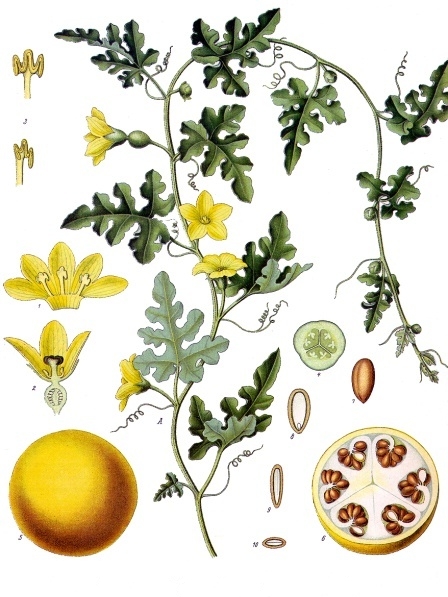 ColocynthCitrullus colocynthis
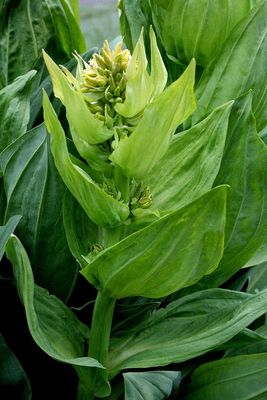 GentianGentiana lutea
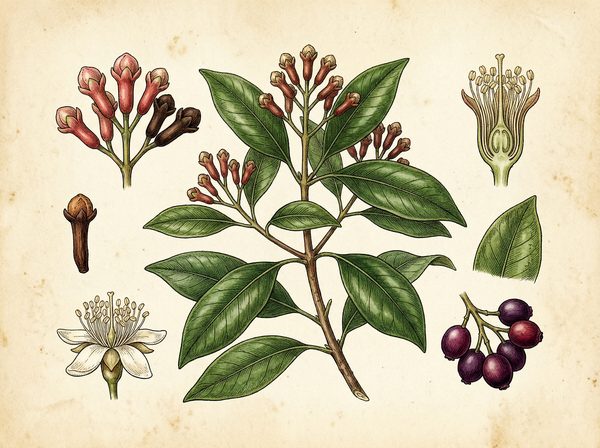 cloveSyzygium aromaticum
Nearby on the shelf
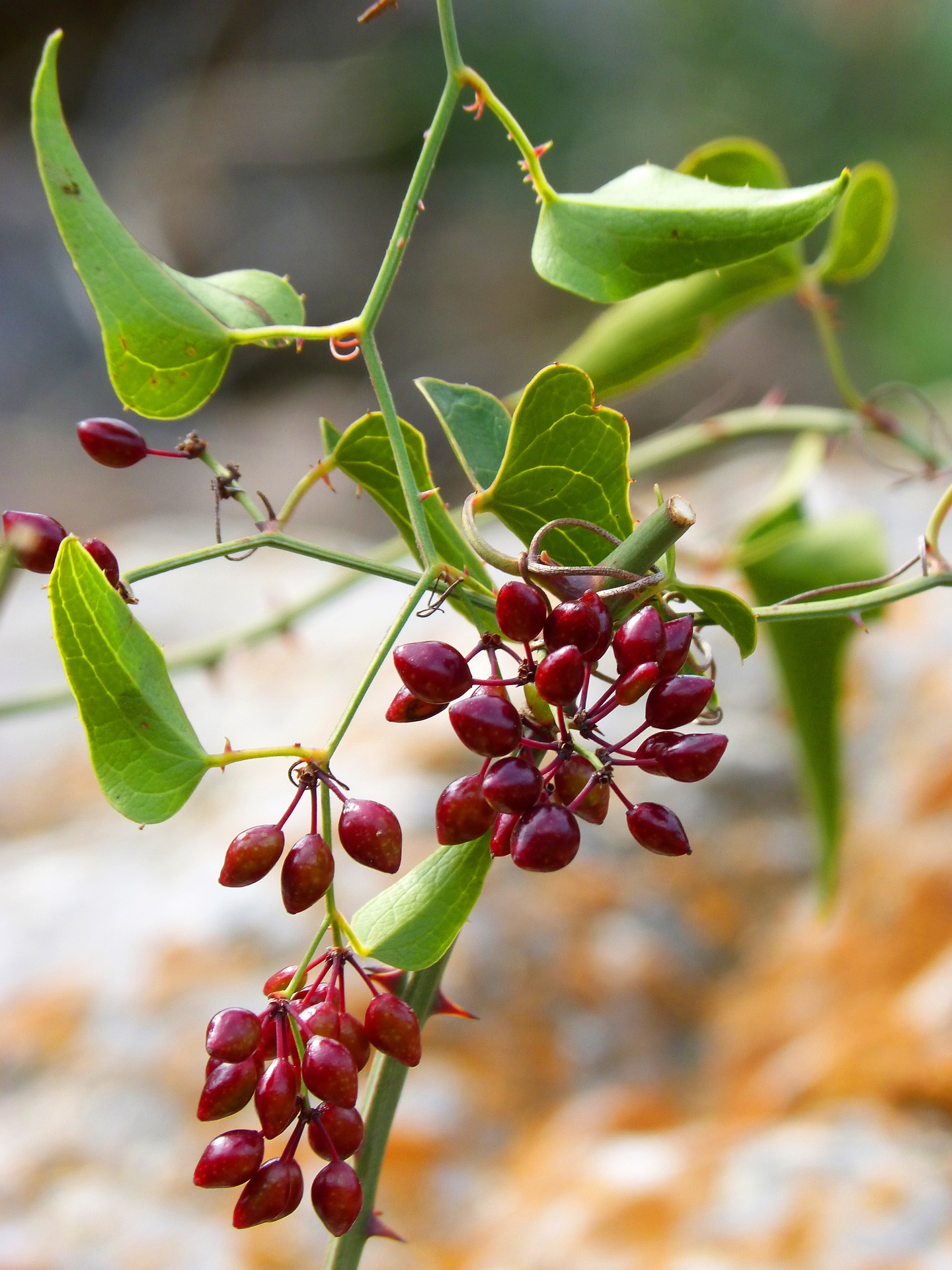 Smilax regeliiSmilax regelii
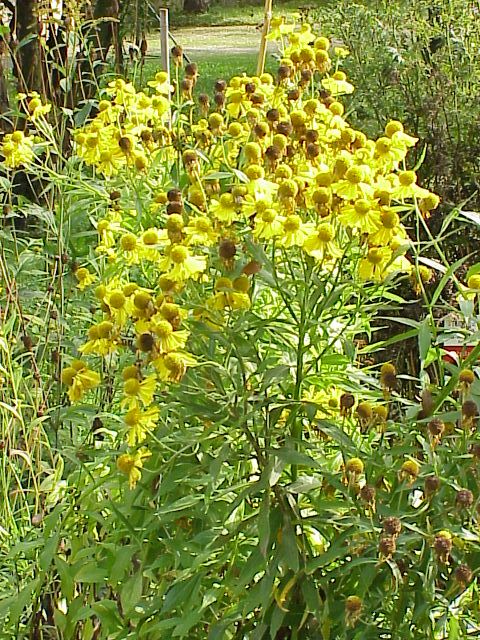 SneezeweedHelenium
 Snow roseRhododendron chrysanthum
 SoapwortSaponaria officinalis
 Soft rushJuncus effusus
 SolanumJatropha
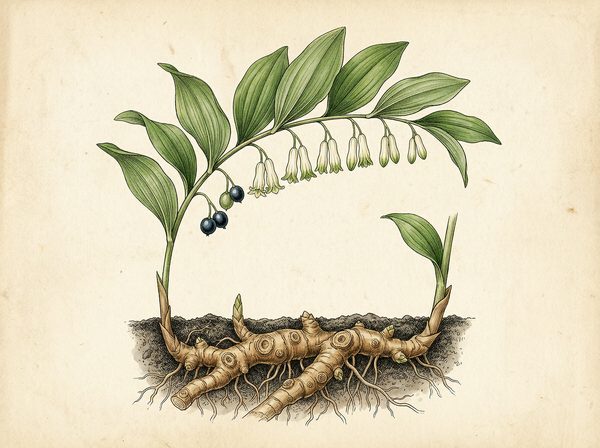 Solomon's SealPolygonatum biflorum
 SorrelRumex Acetosa
The whole plate is in the library. The compass, Compare, the Sky of eleven hundred plants and the formulary open with an email address and a password, free, with the formula builder and its safety engine. Herbert without limit, his formulating, clients, the handouts and the labels are the paid room.
Open the library, free