Western Herbalism
Amaranth
Amaranthus
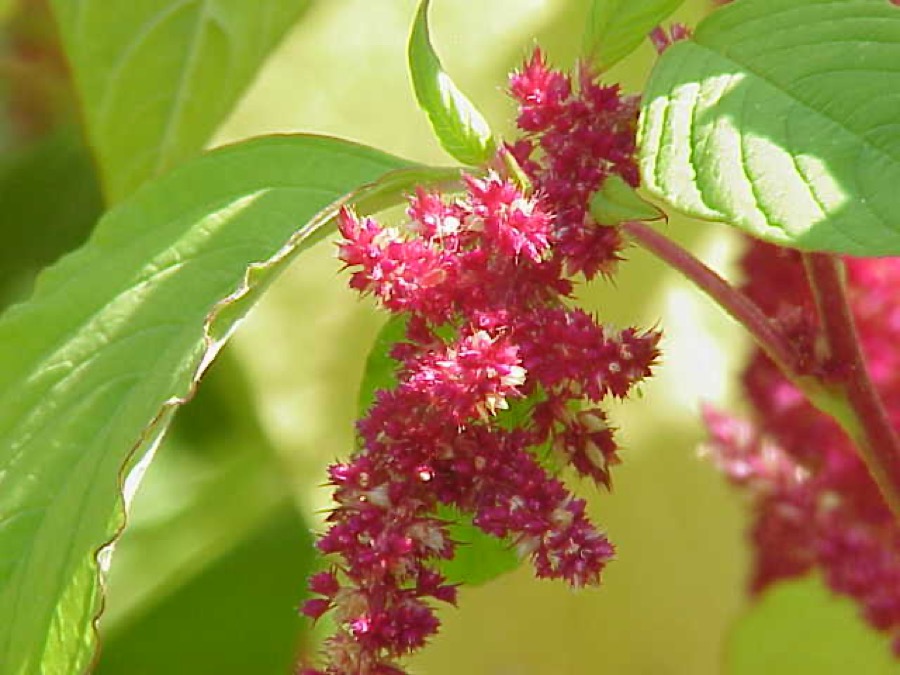
Also known as Prince's feather, Lovely bleeding, Love-lies-bleeding, Red cockscomb.
Amaranthus is a large genus of fast-growing annual herbs found across warm and temperate regions worldwide, several species long cultivated as grain, pot herb, and ornamental. The leaves and flowering tops of certain garden species, known in old texts as Prince's feather or Lovely bleeding, were valued by nineteenth century American eclectic physicians as a gentle astringent. The plant has no formal place in classical Chinese or Ayurvedic pharmacy but appears repeatedly in eclectic dispensatories as a household remedy for bleeding and flux.

Ask Herbert about Amaranth. Herbert is the master herbalist inside Bountiful Herbs: he answers from this plate and eleven hundred others, with dosing, pairing and cautions. Your first ten questions are free.
Ask HerbertActions
Indications what the tradition reached for it in
- Menorrhagia
- Prolonged menstrual bleeding
- Leucorrhea
- Diarrhea
- Dysentery
- Mouth ulcers
- Sore throat
- Epistaxis
- Excessive uterine bleeding
- Passive hemorrhage
Specific indications
Profuse, prolonged menstrual bleeding with a dragging, heavy pelvic sensation
Loose, watery stool with mucus in children or the debilitated, where a mild astringent is wanted
Safety
Pregnancy: Avoid concentrated medicinal preparations in pregnancy given the lack of safety data and the traditional use for controlling uterine bleeding, though the leaf as a food vegetable is considered safe.
The record lists 3 contraindications; open the plate in the library to read them in full.
In practice
Eclectic writers reached for amaranth leaf tea chiefly as a simple astringent for women with heavy, prolonged periods and for looser, watery bowel complaints, using it much as one might use a mild agrimony or shepherd's purse when a gentler astringent seemed appropriate. It was also gargled for a sore, ulcerated mouth or throat and applied as a wash for minor bleeding wounds. In practice this is a supportive herb rather than a first line agent: expect a mild, tannin-mediated tightening effect rather than dramatic hemostasis, and pair it with more specific uterine or gastrointestinal remedies when the bleeding or flux is significant. Because it is also a common food plant, patients tolerate the infusion well and it makes a reasonable adjunct tea for someone already eating amaranth greens or grain.
Dosing as the sources wrote it
| Preparation | As written | Metric |
|---|---|---|
| Infusion | 2-4 g dried leaf or flowering herb steeped, three times daily | 2000-4000 mg |
| Tincture (1:5, 45%) | 2-4 mL three times daily | 2-4 mL |
Doses are reproduced from the sources for practitioners and are not a recommendation for any person.
From the sources
Overview. Amaranthus is a large genus of fast-growing annual herbs found across warm and temperate regions worldwide, several species long cultivated as grain, pot herb, and ornamental. The leaves and flowering tops of certain garden species, known in old texts as Prince's feather or Lovely bleeding, were valued by nineteenth century American eclectic physicians as a gentle astringent. The plant has no formal place in classical Chinese or Ayurvedic pharmacy but appears repeatedly in eclectic dispensatories as a household remedy for bleeding and flux.
Clinical Notes. Eclectic writers reached for amaranth leaf tea chiefly as a simple astringent for women with heavy, prolonged periods and for looser, watery bowel complaints, using it much as one might use a mild agrimony or shepherd's purse when a gentler astringent seemed appropriate.
Drawn from King's American Dispensatory, 18th edition (Felter and Lloyd), and the Bountiful Herbs editorial.
Nearby on the shelf
 AlmondAmygdala
 Aloe veraAloe vera
 Alstonia barkAlstonia Constricta
 Alum rootHeuchera americana
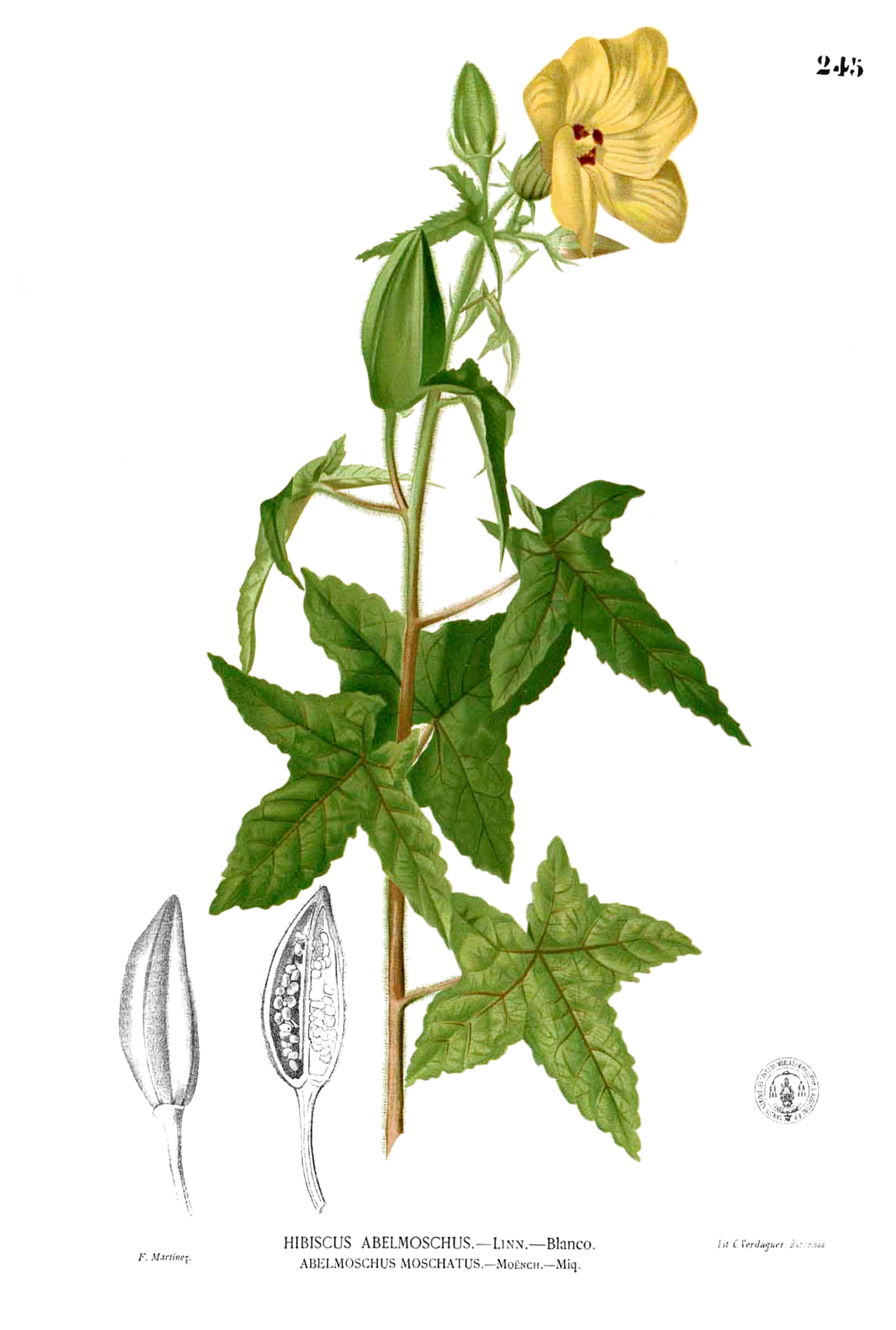 Ambrette seedAbelmoschus moschatus
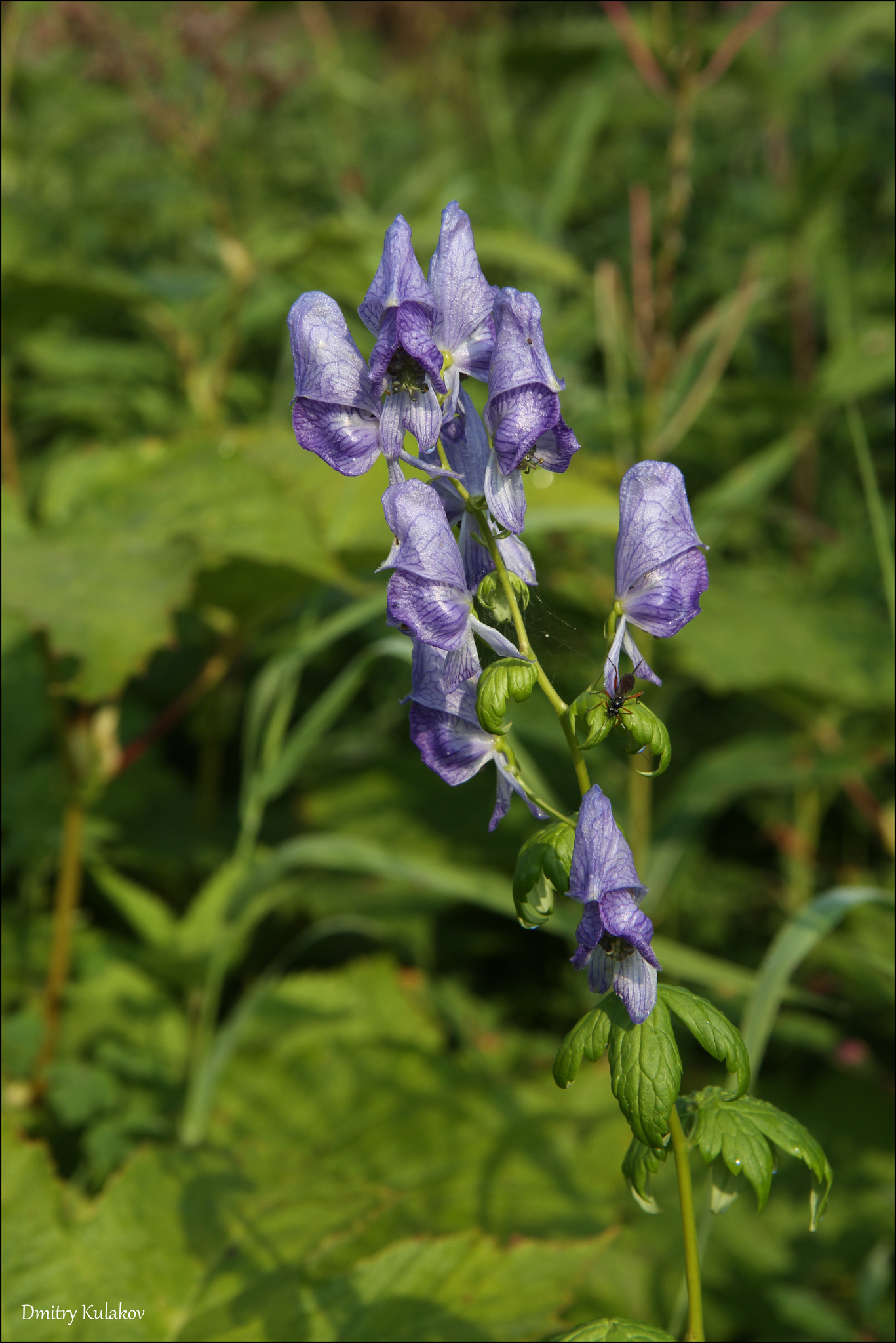 American AconiteAconitum Fischeri
 American beautyberryCallicarpa americana
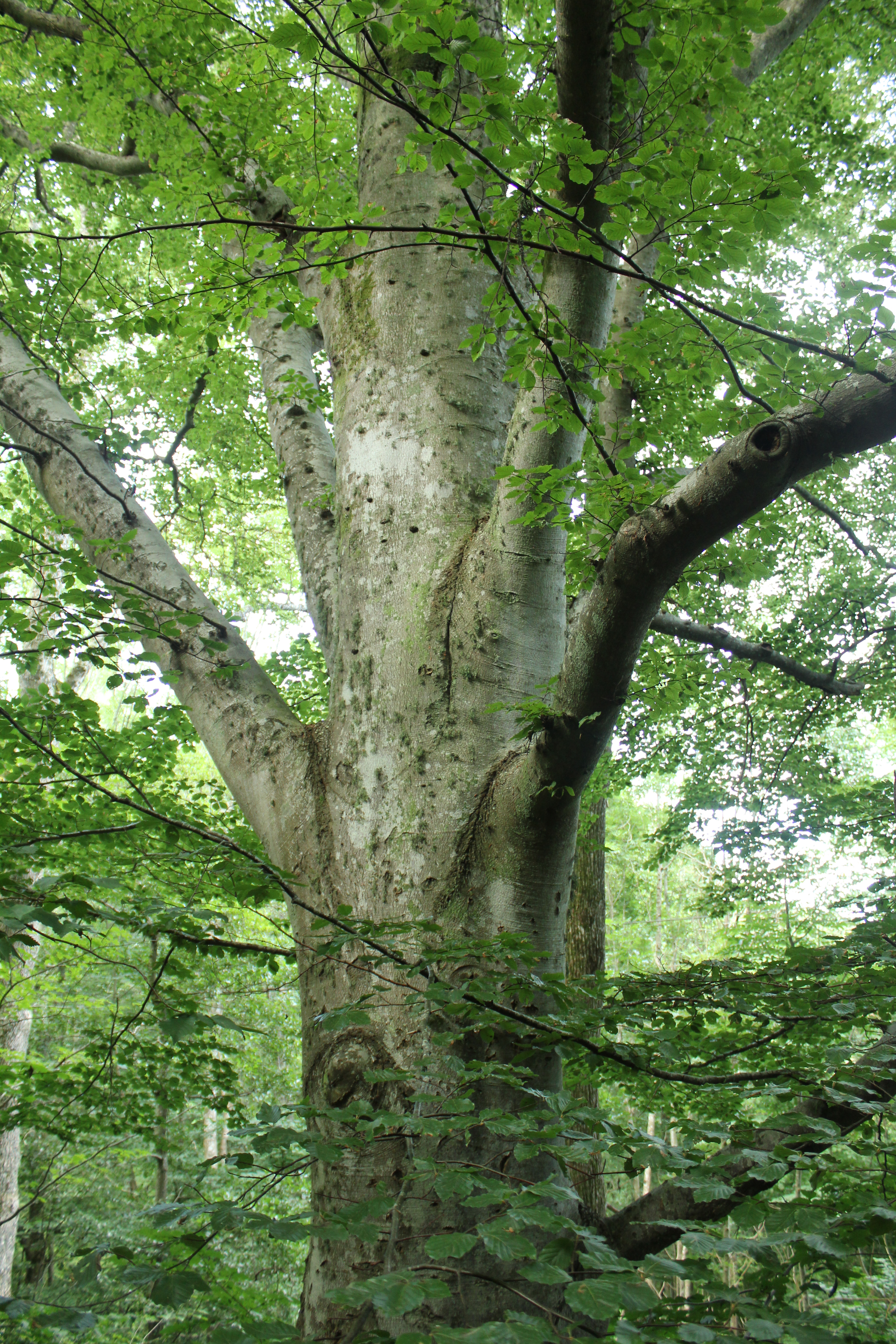 American beechFagus ferruginea
The whole plate is in the library. The compass, Compare, the Sky of eleven hundred plants and the formulary open with an email address and a password, free, with the formula builder and its safety engine. Herbert without limit, his formulating, clients, the handouts and the labels are the paid room.
Open the library, free