Western Herbalism
Myrrh
Commiphora molmol
Also known as African Myrrh, Arabian Myrrh, Balsamodendron Myrrha, Bitter Myrrh, Commiphora, Commiphora myrrha, Gum myrrh, Bola, mò yào.
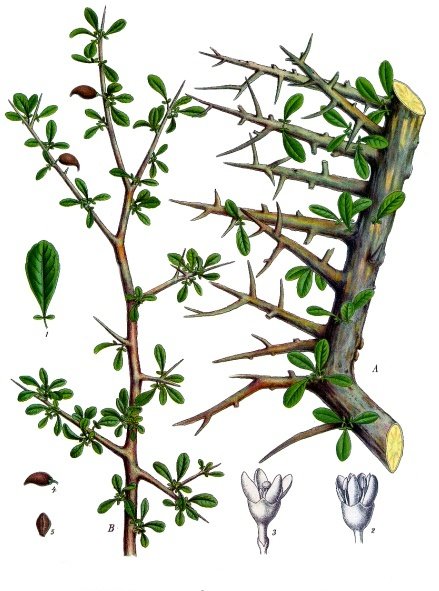
Myrrh is the hardened oleo-gum-resin that exudes from the bark of a small, spiny, drought-adapted tree native to the Arabian peninsula and the Horn of Africa. Traders have carried it across the ancient world for millennia, and physicians from Hippocrates onward valued it as a wound dressing and a warming digestive remedy. In physiomedicalist and earlier eclectic practice it was classed among the stimulating astringents, used wherever tissue was described as relaxed, boggy, or slow to heal. The resin is collected as irregular reddish tears with a balsamic, slightly bitter taste, and is used today mainly as a tincture or mouthwash for the mouth, throat, and skin.

Ask Herbert about Myrrh. Herbert is the master herbalist inside Bountiful Herbs: he answers from this plate and eleven hundred others, with dosing, pairing and cautions. Your first ten questions are free.
Ask HerbertActions
Indications what the tradition reached for it in
- Cuts
- Gastrointestinal hypersecretion
- Gastrointestinal ulcers (subacute)
- Gingivitis
- Abscess
- Dyspepsia (atonic)
- Gastritis (chronic)
- Infection
- Sinusitis
- Tonsillitis
- Pharyngitis
- Bleeding gums
- Laryngitis
- Aphthous stomatitis
- Boils
- Inflammation
- Respiratory infection
- Gastrointestinal ulcers (chronic)
- Gastrointestinal infection
- Gastrointestinal abrasions
- Gastrointestinal inflammation
- Skin abrasions
- Sores (mouth)
- Wounds (poorly healing)
- Bleeding
- Diarrhea
- Wounds
- Immune weakness
- Excessive discharge
- Aphthous ulcers
Specific indications
Indolent ulcers or wounds that are slow to heal and lack healthy granulation
Safety
Pregnancy: Use with care in pregnancy
Breastfeeding: Use with care while breastfeeding
The record lists 2 contraindications; open the plate in the library to read them in full.
Dosing as the sources wrote it
| Preparation | As written | Metric |
|---|---|---|
| Tincture (1:3) | 1-3 ml TID | 1-3 mL |
| Powdered | 500 mg-2 g/day | 500-500 mg |
| Gargle or swish | use 1 part tincture:5 parts water | |
| Myrrh Tincture (BPC 1973) 2.5 -5.0 mL | 2.5-5 mL | |
| (G52) Tincture Myrrh Co (Thompsons) (1 part Capsicum Tincture BPC 1973 to 4 parts Myrrh Tincture BPC 1973) 1.0 - 2.5 mL | 1-2.5 mL | |
| · Tincture (1:5): 0.5-2 mL three times daily | 0.5-2 mL |
Doses are reproduced from the sources for practitioners and are not a recommendation for any person.
From the sources
Overview. Myrrh is the hardened oleo-gum-resin that exudes from the bark of a small, spiny, drought-adapted tree native to the Arabian peninsula and the Horn of Africa. Traders have carried it across the ancient world for millennia, and physicians from Hippocrates onward valued it as a wound dressing and a warming digestive remedy. In physiomedicalist and earlier eclectic practice it was classed among the stimulating astringents, used wherever tissue was described as relaxed, boggy, or slow to heal. The resin is collected as irregular reddish tears with a balsamic, slightly bitter taste, and is used today mainly as a tincture or mouthwash for the mouth, throat, and skin.
Clinical Notes. TCM=blood-invigorating and stasis-removing, enters the heart, liver & spleen channels, activates blood circulation and relives pain to treat conditions such as amenorrhea, dysmenorrhea, stomach and epigastric pain, musculoskeletal pain from wind and damp, traumatic injuries w pain and bruising and intestinal abscess, also used topically to reduce sweeling and promote healing of chronic sores and ulcerations that do not heal
Clinical Notes. Myrrh earns its place as a topical and mucosal remedy more than an internal one in modern practice. A diluted tincture makes an effective gargle or mouthwash for gingivitis, mouth ulcers, and sore throat, and it is often combined with echinacea or sage for this purpose, the astringency tightening spongy tissue while the resin's antimicrobial character helps control local infection.
Therapy. This agent has always been highly esteemed as a stimulant, although its influence is more of a local than a general character. It exercises the characteristic influence of most of the stimulants upon the excretions and secretions, acting as a diaphoretic, expectorant, sialagogue, and to a certain extent emmenagogue.
Drawn from Cook's Physio-Medical Dispensatory; Ellingwood's American Materia Medica, Therapeutics and Pharmacognosy, and the Bountiful Herbs editorial.
In formulas
Myrrh stands in 60 documented formulas in the library, among them xiãn fàng huo mìng yin, zhông hé tǎng, hi tóng pí tāng, shên líng dàn, yán hú suo tāng, qi lí sǎn.
Often paired with
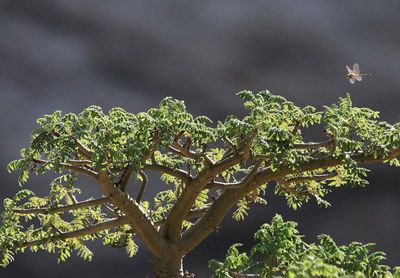 FrankincenseBoswellia spp.
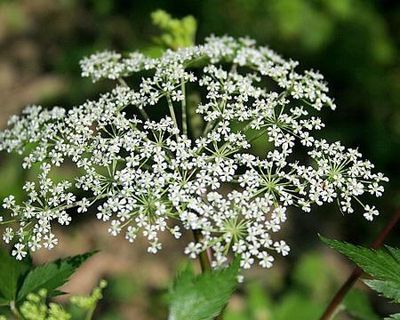 Dong QuaiAngelica sinensis
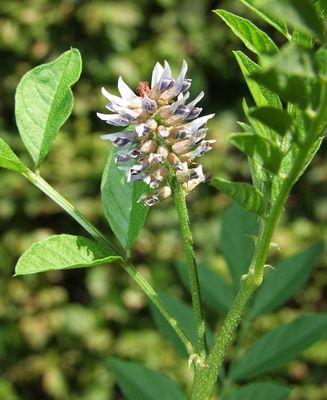 Licorice rootGlycyrrhiza glabra
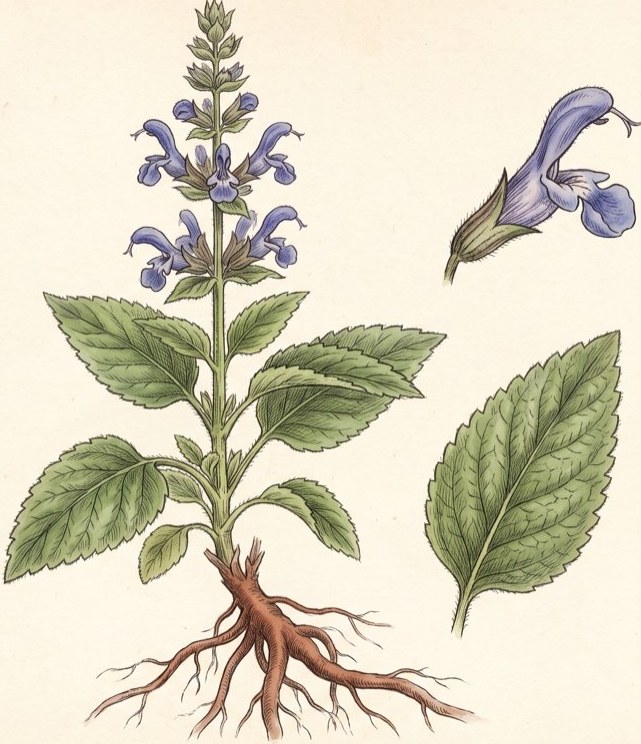 Dan ShenSalvia miltiorrhiza
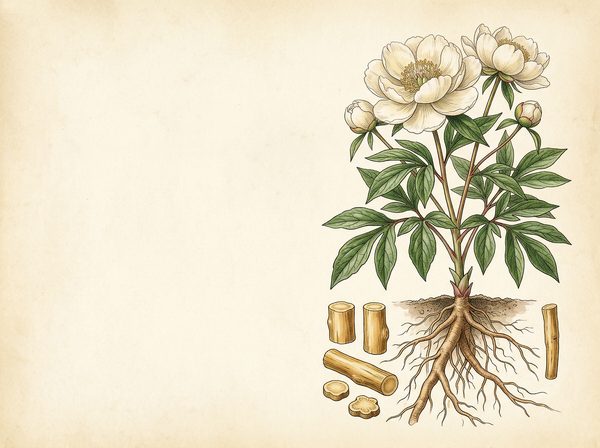 White PeonyPaeonia lactiflora
Nearby on the shelf
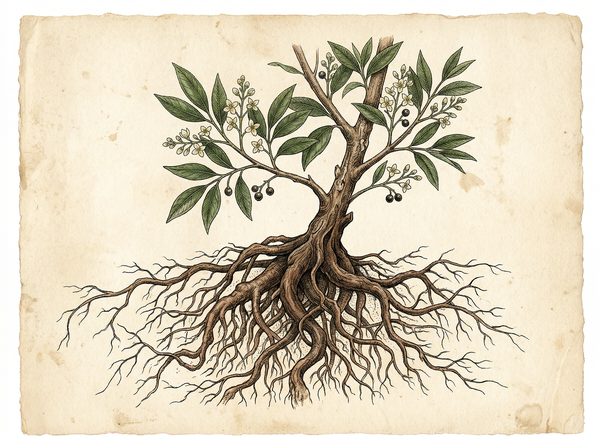 Muira PuamaPtychopetalum olacoides
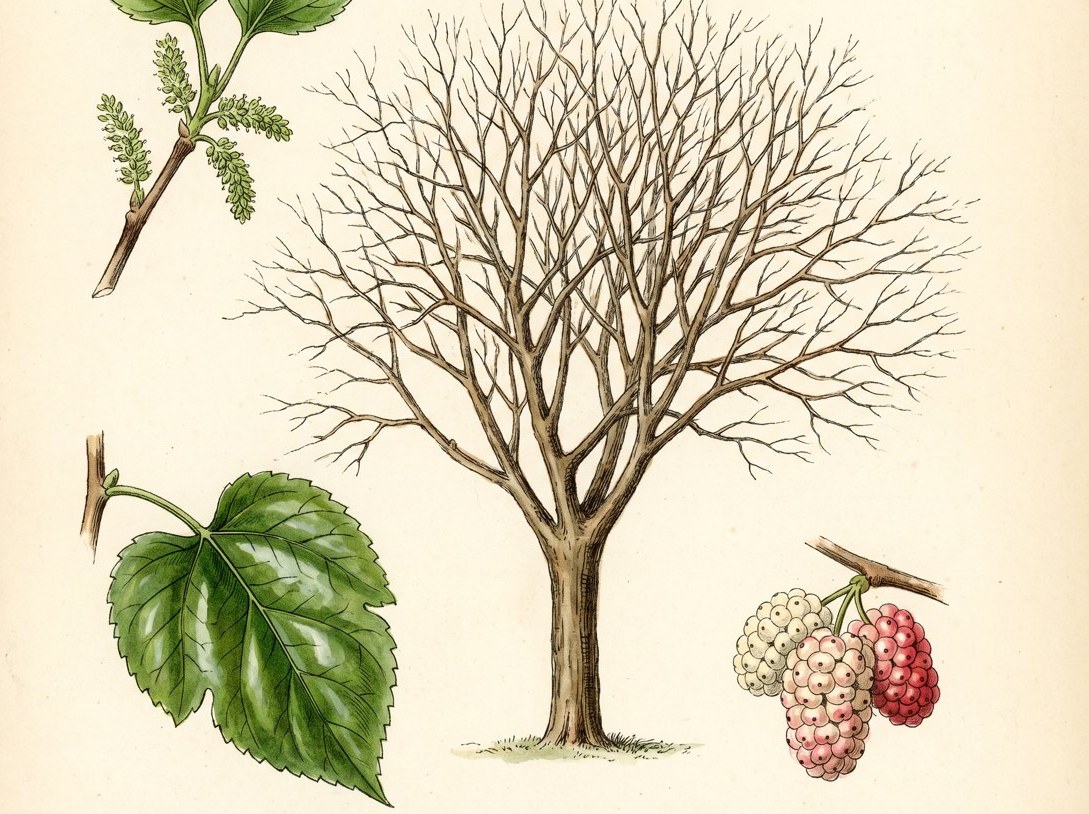 Mulberry LeafMorus alba
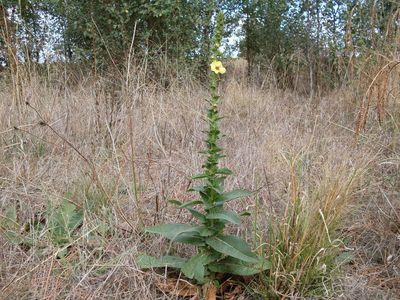 MulleinVerbascum thapsus
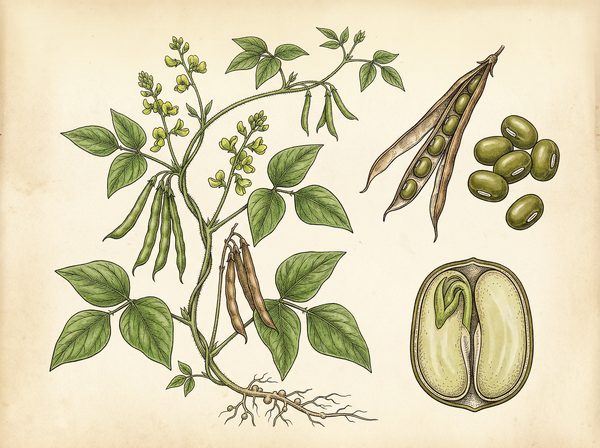 Mung beanVigna radiata
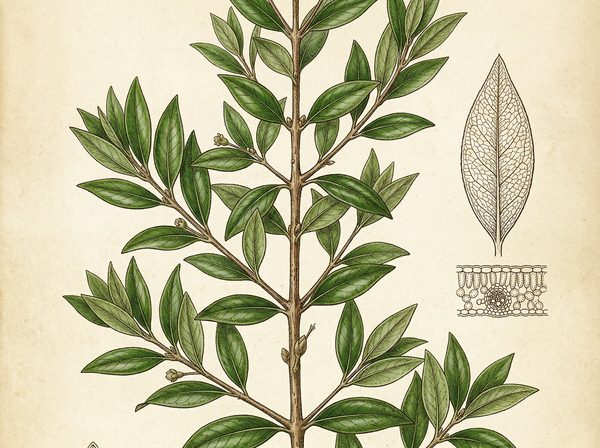 MyrtleMyrtus communis
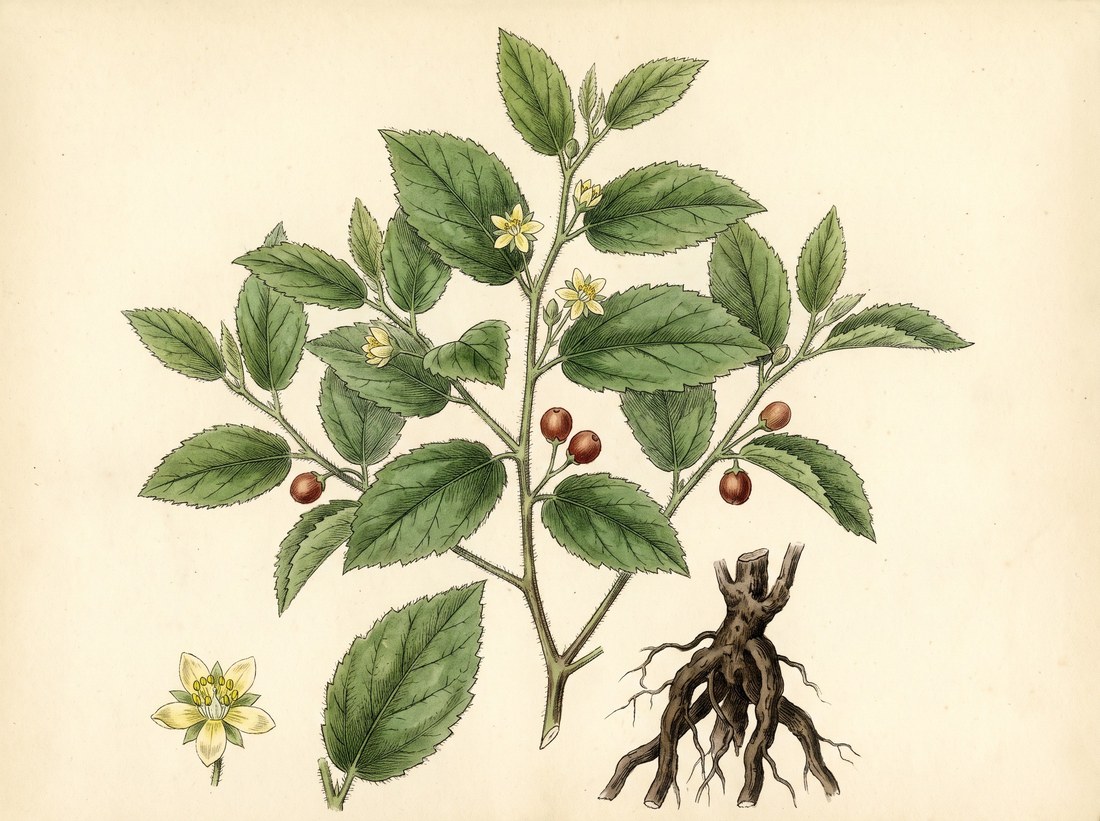 NagabalaGrewia hirsuta
 NasturtiumTropaeolum majus
The whole plate is in the library. The compass, Compare, the Sky of eleven hundred plants and the formulary open with an email address and a password, free, with the formula builder and its safety engine. Herbert without limit, his formulating, clients, the handouts and the labels are the paid room.
Open the library, free