
Western Herbalism
Almond
Amygdala
Also known as Sweet almond, Bitter almond.
Almond is the seed kernel of Prunus dulcis, a small deciduous tree native to the Middle East and Central Asia and now cultivated widely in Mediterranean climates including California and Spain. Two forms are recognized: the sweet almond, eaten as food and pressed for its bland, emollient oil, and the bitter almond, which contains higher levels of the cyanogenic glycoside amygdalin and was historically distilled into a dilute bitter almond water used sparingly as a sedative and antitussive. In the eclectic and earlier Western pharmacopeias, sweet almond oil served as a gentle demulcent and laxative vehicle, while bitter almond preparations were handled with considerable caution because of their prussic acid content.

Ask Herbert about Almond. Herbert is the master herbalist inside Bountiful Herbs: he answers from this plate and eleven hundred others, with dosing, pairing and cautions. Your first ten questions are free.
Ask HerbertActions
Indications what the tradition reached for it in
- Dry, irritating cough
- Constipation
- Dry or chapped skin
- Chapped lips
- Cracked nipples in nursing mothers
- Diaper rash
- Dry eczema
- Convalescence and general debility
- Massage and carrier oil base
- Dry mucous membranes
Specific indications
Dry, hacking cough with scanty expectoration, historically eased by small, carefully measured doses of bitter almond water as a demulcent antitussive
Rough, dry, flaking skin or lips responding to emollient massage with sweet almond oil
Safety
Recognised toxicity. This plant carries a toxicity flag in the record; it is for trained practitioners only.
Low dose botanical. Used in drop doses in the classical practice; not a plant to dose freely.
Pregnancy: Limited safety data in pregnancy
The record lists 6 contraindications; open the plate in the library to read them in full.
In practice
Sweet almond oil remains a practical, well-tolerated emollient. It is used externally for dry skin, chapped lips, cracked nipples, and as a soothing massage and carrier oil, and taken internally in small amounts as a mild demulcent laxative for simple constipation, particularly in children and the elderly where harsher purgatives are unwanted.
Dosing as the sources wrote it
| Preparation | As written | Metric |
|---|---|---|
| Sweet almond oil, topical | applied liberally to skin as needed, several times daily | |
| Sweet almond oil, internal (mild laxative) | 5-15 mL orally once daily | 5-15 mL |
| oil | Dose of the oil, 1 to 2 fluid drachms. | 3.7-7.39 mL |
| oil | Dose of the oil, 1/4 of a drop to 1 drop, in emulsion, and cautiously increased. | 0.01-0.03 mL |
Doses are reproduced from the sources for practitioners and are not a recommendation for any person.
From the sources
Overview. Almond is the seed kernel of Prunus dulcis, a small deciduous tree native to the Middle East and Central Asia and now cultivated widely in Mediterranean climates including California and Spain. Two forms are recognized: the sweet almond, eaten as food and pressed for its bland, emollient oil, and the bitter almond, which contains higher levels of the cyanogenic glycoside amygdalin and was historically distilled into a dilute bitter almond water used sparingly as a sedative and antitussive.
Clinical Notes. Sweet almond oil remains a practical, well-tolerated emollient. It is used externally for dry skin, chapped lips, cracked nipples, and as a soothing massage and carrier oil, and taken internally in small amounts as a mild demulcent laxative for simple constipation, particularly in children and the elderly where harsher purgatives are unwanted.
Medical Uses and Dosage. When largely diluted (2 per cent), it has been employed in medicine as a sedative to subdue spasm, and allay nervous irritability. It has been used to relieve revere vomiting and purging, to check colliquative diarrhoea, to cure pertussis and spasmodic coughs, asthma, hysteria, chorea, dyspepsia connected with morbid irritability of the stomach, etc.; also externally in several diseases of the skin.
Specific Indications and Uses. "Elongated and pointed tongue with reddened tip and edges; uneasy sensations in the stomach" (Scudder), nausea, vomiting, gastric irritation and pain; vertigo; angina pectoris; cough of phthisis (palliative); gastric cough with scanty secretions. In the specific use of this drug, 5 minims of the official acid (2 per cent) are added to 4 fluid ounces of water, and teaspoonful doses of the mixture administered every 2 or 4 hours.
Drawn from King's American Dispensatory, 18th edition (Felter and Lloyd), and the Bountiful Herbs editorial.
Often paired with
 PygeumPrunus africana
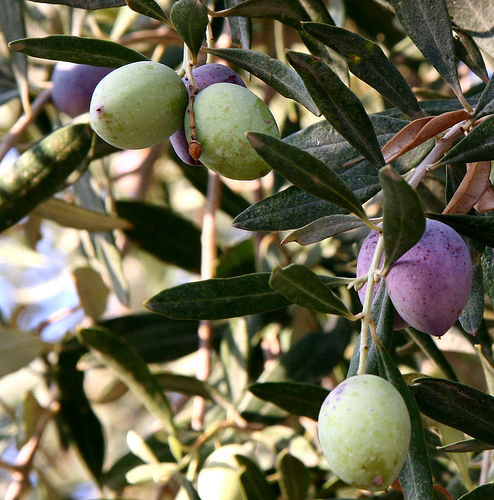 OliveOlea europaea
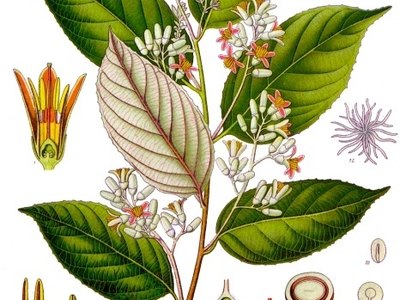 BenzoinStyrax benzoin
 SpicebushBenzoin odoriferum
 OrangeOrange
Nearby on the shelf
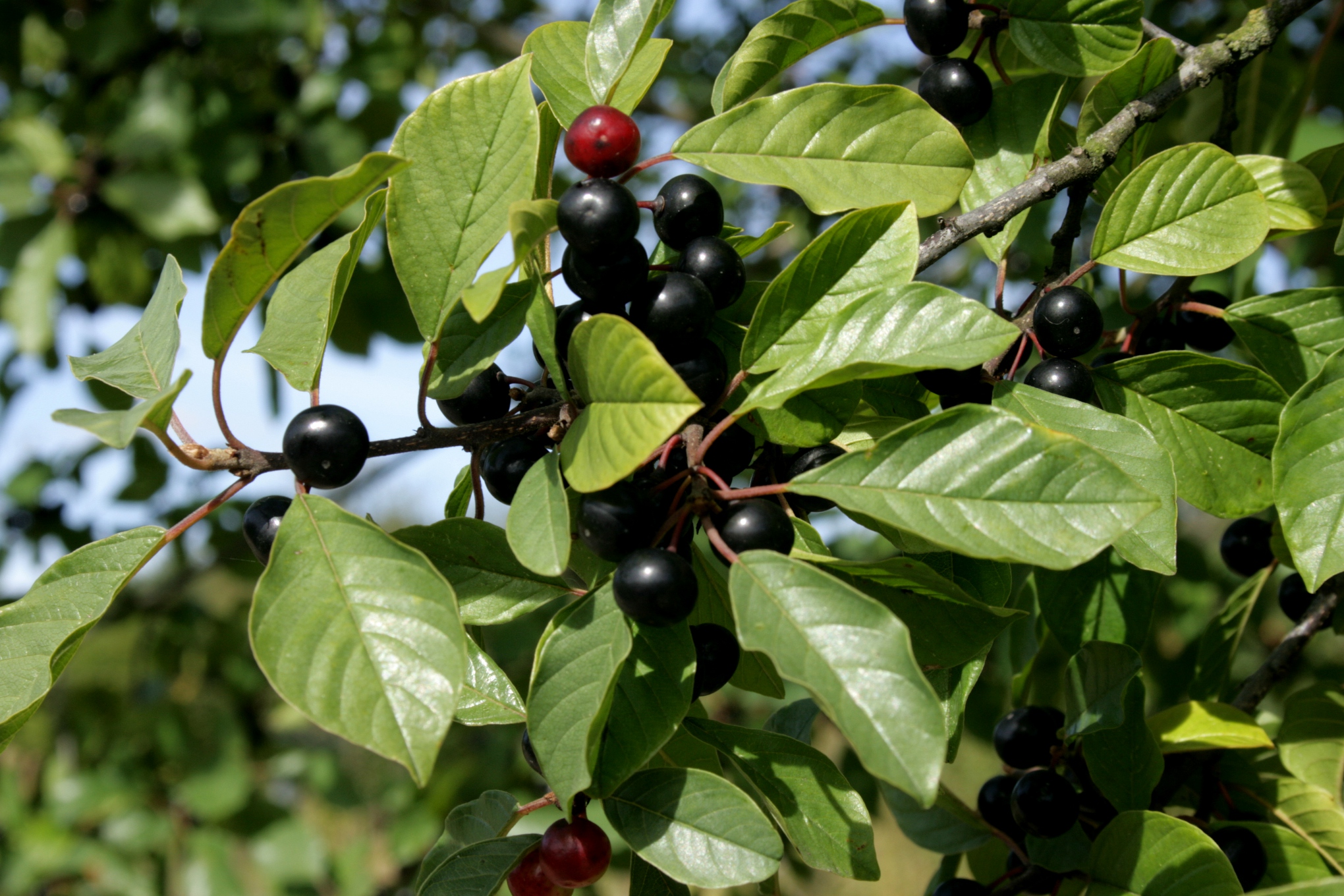 Alder BuckthornFrangula alnus
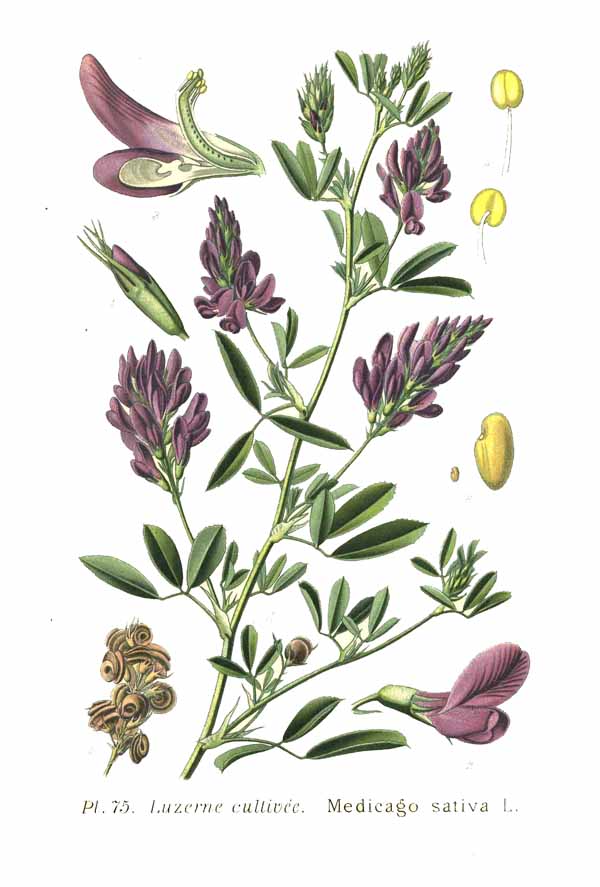 AlfalfaMedicago sativa
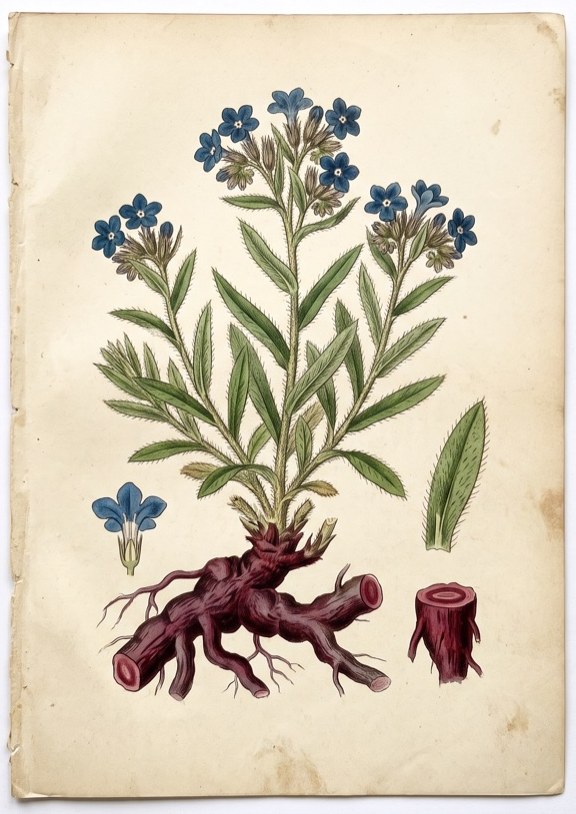 AlkanetAlkanna
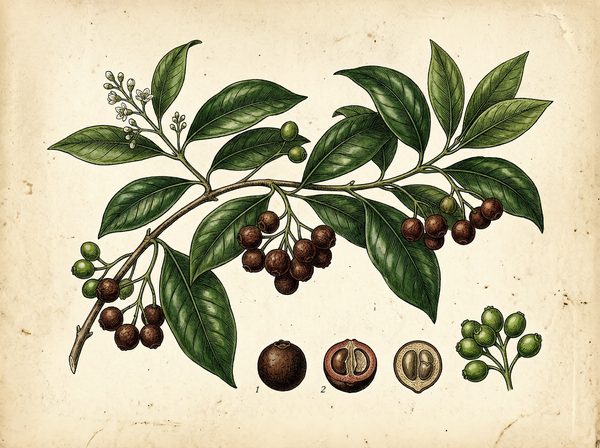 AllspicePimenta dioica
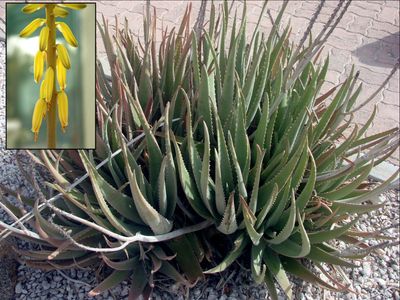 Aloe veraAloe vera
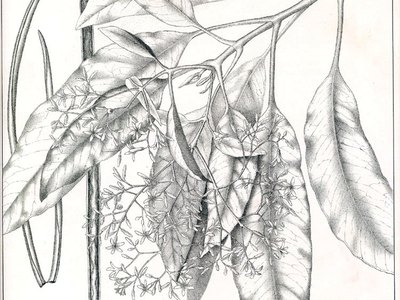 Alstonia barkAlstonia Constricta
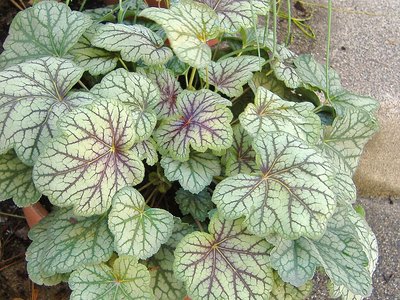 Alum rootHeuchera americana
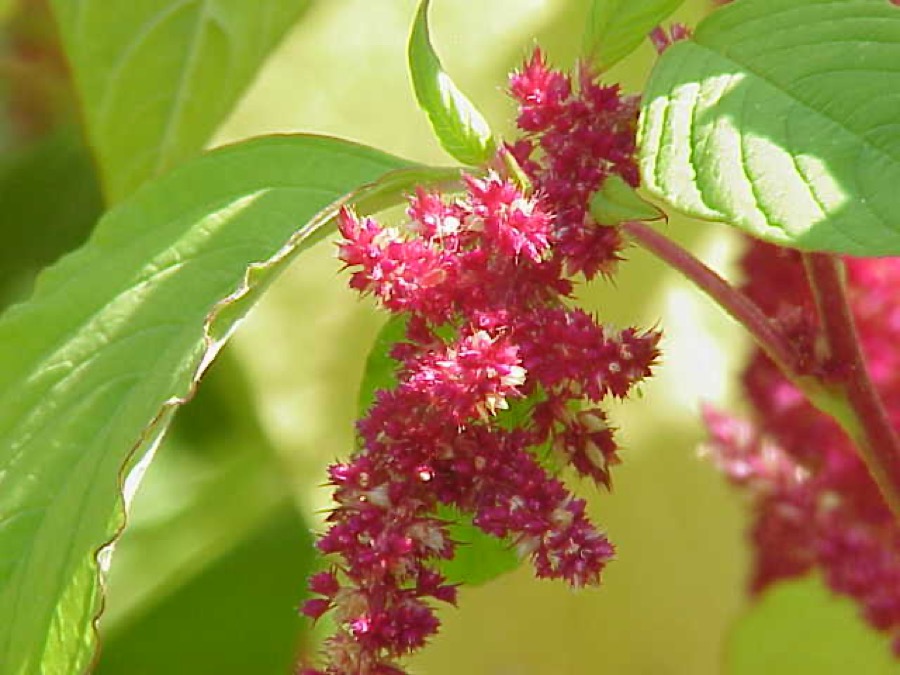 AmaranthAmaranthus
The whole plate is in the library. The compass, Compare, the Sky of eleven hundred plants and the formulary open with an email address and a password, free, with the formula builder and its safety engine. Herbert without limit, his formulating, clients, the handouts and the labels are the paid room.
Open the library, free