Western, Chinese and Ayurvedic herbalism
Turmeric
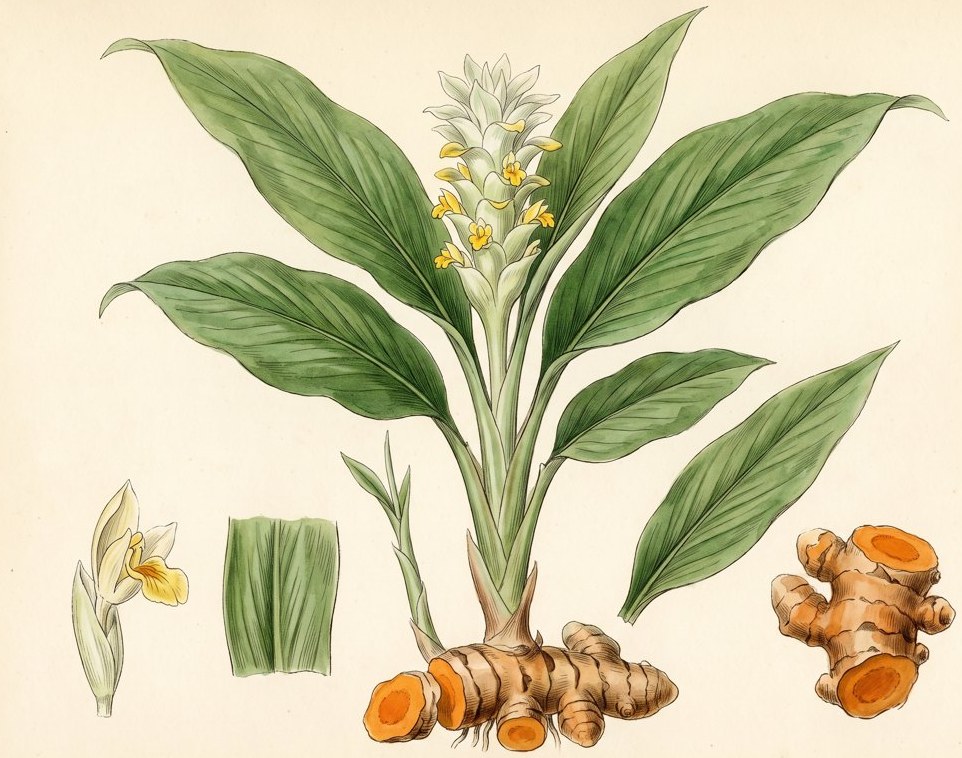
Curcuma longa
Also known as Indian saffron, haldi, Curcuma, Turmeric (long, round), Khamin, Acafrao, Ukon, Haridra, Nisha, Rajani.
Curcuma longa is a rhizomatous perennial of the ginger family, cultivated across the warm, wet districts of India from Tamil Nadu and Andhra Pradesh to Maharashtra, Odisha and the northeast, and never found truly wild. Ayurveda knows the boiled, dried rhizome as Haridra, the everyday medicine of the kitchen and the wound dressing of the household: a warming, bitter, drying rhizome that cleans the blood and skin, kindles digestion and steadies the urinary and metabolic system. It is one of the few herbs the tradition gives to every constitution, and it appears in ritual, cooking and medicine alike.

Ask Herbert about Turmeric. Herbert is the master herbalist inside Bountiful Herbs: he answers from this plate and eleven hundred others, with dosing, pairing and cautions. Your first ten questions are free.
Ask HerbertActions
Indications what the tradition reached for it in
- Osteoarthritis and inflammatory joint pain
- Chronic skin disease with itching and discoloration
- Metabolic syndrome and early type 2 diabetes (adjunct)
- Sluggish digestion with bloating and poor fat tolerance
- Fatty liver and mild hepatic congestion
- Chronic allergic rhinitis and urticaria
- Wounds, bruises and sprains (topical)
- Postpartum recovery and breast milk quality (traditional)
- Ulcerative colitis in remission (adjunct)
- Recurrent respiratory catarrh with thick mucus
- Anemia of chronic disease with poor digestion
- Post operation
- Cancer (colon)
- Diabetes (type II, w/ endothelial inflammation)
- Sprain
- Bruises
- Elevated liver enzymes
- Cholangitis
- Angina pectoris
- Hypercholesterolemia
- Pruritis
- Hyperlipidemia
- Inflammation
- Autoimmune disease
- Asthma
- Cancer (skin)
- Dyspepsia
- Musculoskeletal injury
- Cholecystitis
- Gas/bloating
Specific indications
A heavy, damp, kapha-type patient with dull skin, sluggish bowels and stiff aching knees who gains weight easily
Itchy, discolored, oozing eczema in a patient whose digestion is weak and whose stool is loose and mucousy
The seasonal allergy sufferer with sneezing, thick nasal discharge and a coated tongue who improves on a warm, light diet
Early insulin resistance with fatigue after meals, a large waist and a family history of diabetes
Safety
The record lists 7 contraindications; open the plate in the library to read them in full.
In practice
The Ayurvedic practitioner reaches for Haridra when kapha and ama sit in the tissues: dull skin with itching or discoloration, a coated tongue, sluggish digestion, a tendency to gain weight and to catch every cold.
In Ayurveda
Rasa: tikta (bitter), katu (pungent). Virya: ushna (heating). Vipaka: katu (pungent). Guna: laghu (light), ruksha (dry). Dosha: pacifies kapha and vata by its heat and dryness, and pitta by its bitterness; regarded as tridoshahara in moderate doses, though large doses can aggravate pitta and dry vata. Karma: varnya (improves complexion); kushthaghna (relieves skin disease); kandughna (relieves itching); pramehaghna (corrects urinary and metabolic disorders); vranaropana (heals wounds); shothahara (reduces swelling); krimighna (anthelmintic, antimicrobial); lekhana (scrapes accumulated tissue and fat); raktashodhana (purifies blood); deepana (kindles digestion); vishaghna (counters toxins); stanyashodhana (purifies breast milk). Classical indications: prameha (urinary disorders including diabetes); kushtha (skin diseases); kandu (itching); vrana (wounds and ulcers); shotha (inflammatory swelling); pandu (anemia); kamala (jaundice); krimi (worms and infection); pinasa (chronic rhinitis); apachi (glandular swellings); visha (poisoning); sthaulya (obesity). The cured and dried rhizome is used as churna, most often stirred into warm milk or taken with honey and ghee; as a kalka or lepa for the skin; in kwatha with Amalaki for prameha; and as the base of the confection Haridrakhanda. Fresh rhizome juice is used topically and, in small amounts, internally for allergic and skin complaints. Classical formulations: Haridrakhanda, Nishamalaki churna, Rajanyadi churna, Haridradi kwatha, Nimbadi churna, Haridra lepa, Panchanimba churna. Described in: Charaka Samhita, Sushruta Samhita, Ashtanga Hridaya, Bhavaprakasha Nighantu, Dhanvantari Nighantu, Raja Nighantu, Kaiyadeva Nighantu, Madanapala Nighantu, Ayurvedic Pharmacopoeia of India.
Dosing as the sources wrote it
| Preparation | As written | Metric |
|---|---|---|
| Churna | 3-6 g powdered rhizome daily with warm milk or honey | 3000-6000 mg |
| Kwatha | 50-100 mL decoction twice daily | 50-100 mL |
| Swarasa | 10-20 mL fresh rhizome juice daily | 10-20 mL |
| Avaleha (Haridrakhanda) | 6-12 g twice daily with warm milk | 6000-12000 mg |
| Kalka, topical | 5-10 g paste applied locally | 5000-10000 mg |
| Standardized extract | 500-1000 mg curcuminoid extract daily in divided doses | 500-1000 mg |
Doses are reproduced from the sources for practitioners and are not a recommendation for any person.
From the sources
Overview. Curcuma longa is a rhizomatous perennial of the ginger family, cultivated across the warm, wet districts of India from Tamil Nadu and Andhra Pradesh to Maharashtra, Odisha and the northeast, and never found truly wild. Ayurveda knows the boiled, dried rhizome as Haridra, the everyday medicine of the kitchen and the wound dressing of the household: a warming, bitter, drying rhizome that cleans the blood and skin, kindles digestion and steadies the urinary and metabolic system. It is one of the few herbs the tradition gives to every constitution, and it appears in ritual, cooking and medicine alike.
Clinical Notes. Essential oil is anti-fungal TCM=cooling, used to treat blood stagnation, invigorates blood & Qi circulation, disperses stagnant blood, disperses stagnant liver Qi, cools blood, treats jaundice by clearing damp heat & promotes bile flow & gallbladder Qi
Clinical Notes. The Ayurvedic practitioner reaches for Haridra when kapha and ama sit in the tissues: dull skin with itching or discoloration, a coated tongue, sluggish digestion, a tendency to gain weight and to catch every cold.
Properties and Uses. This root is a stimulant, allied to ginger in its impression, but more bitter and tonic. Formerly it enjoyed much repute as a cordial and stomachic, and was commended in jaundice; but its action is too transient to be of much consequence It may be used as an adjuvant to cathartic and tonic remedies; but at present is rarely employed, except to color tinctures, liniments, and ointments. From ten to twenty grains of the powder may be given; or an infusion made with an ounce to ten ounces of water. Medical Herbalism journal and medherb.com The Physiomedical Dispensatory by William Cook, M.D., 1869
Drawn from Cook's Physio-Medical Dispensatory; King's American Dispensatory, 18th edition (Felter and Lloyd); Felter's Eclectic Materia Medica, Pharmacology and Therapeutics, and the Bountiful Herbs editorial.
In formulas
Turmeric stands in 126 documented formulas in the library, among them Aśvagandhādyariṣṭa, Kuṭajāriṣta, Daśamūlāriṣṭa, Devadārvāriṣṭa, Pippalyādyāsava, Śrīkhaṇḍāsava.
Often paired with
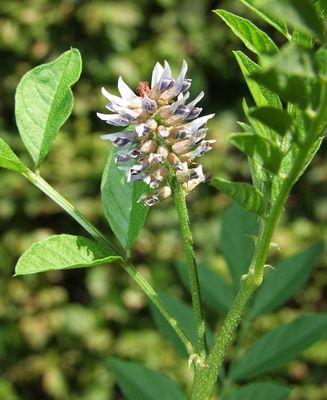 Licorice rootGlycyrrhiza glabra
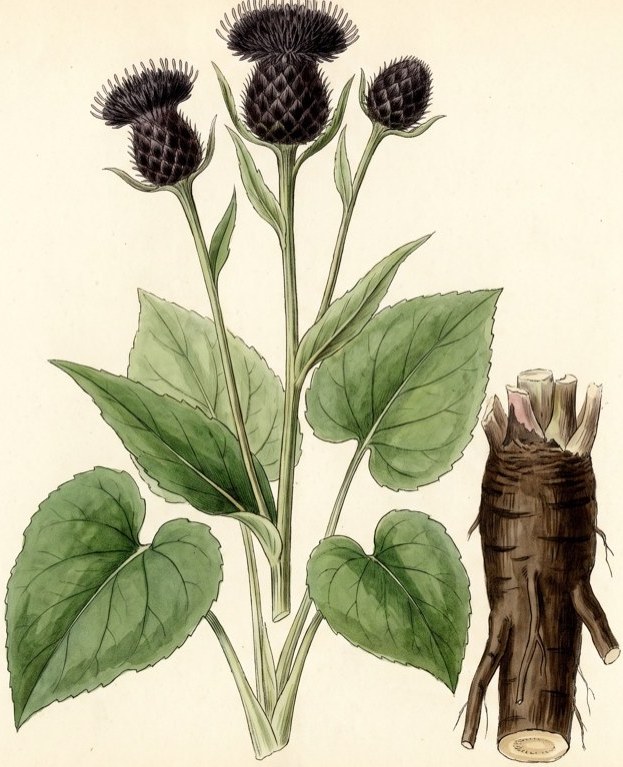 costusSaussurea costus
 nut grassCyperus rotundus
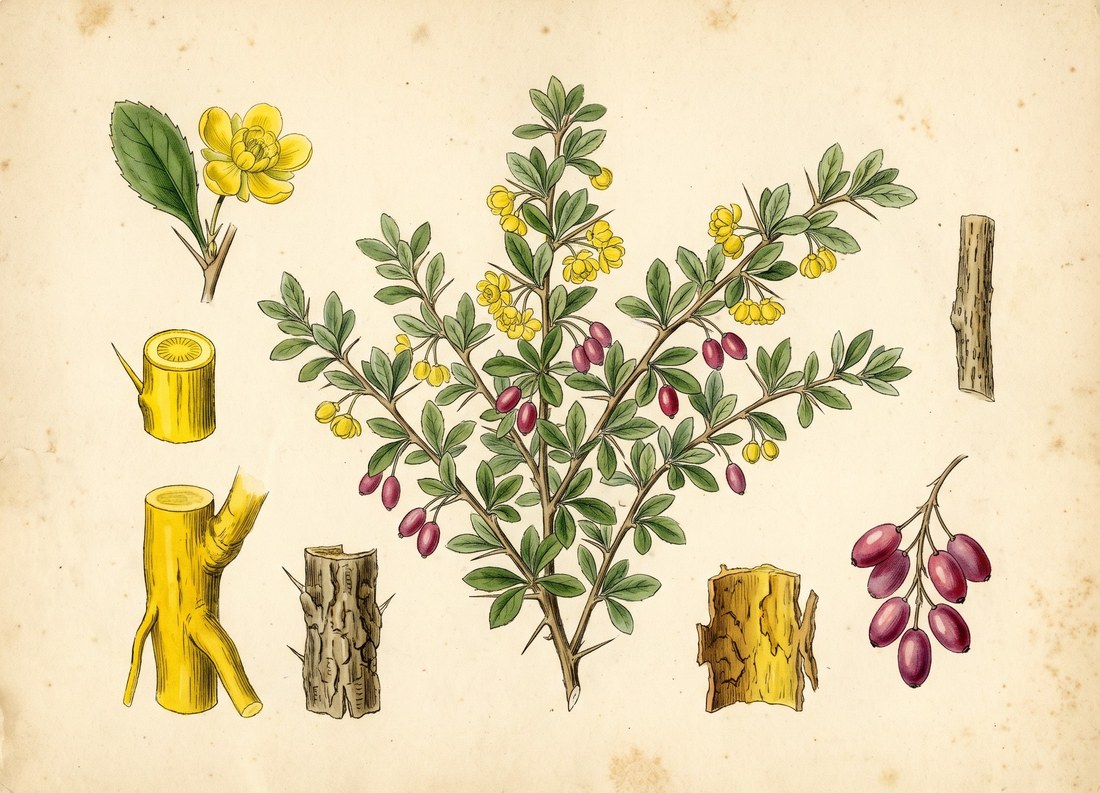 Indian barberryBerberis aristata
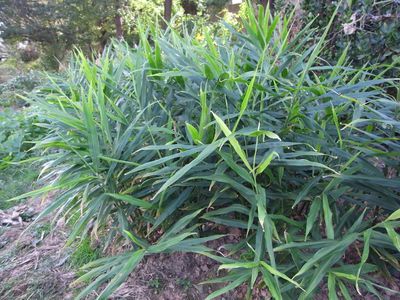 GingerZingiber officinale
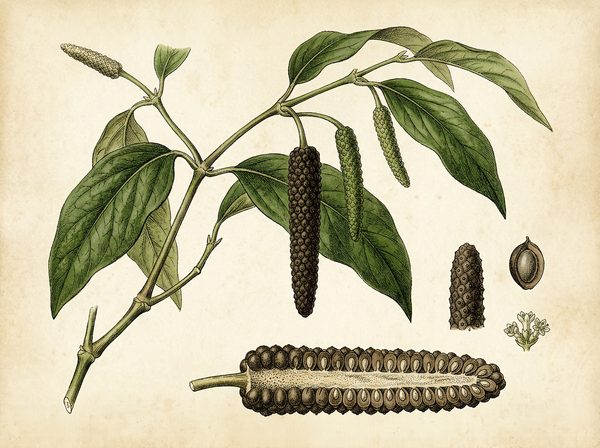 long pepperPiper longum
Nearby on the shelf
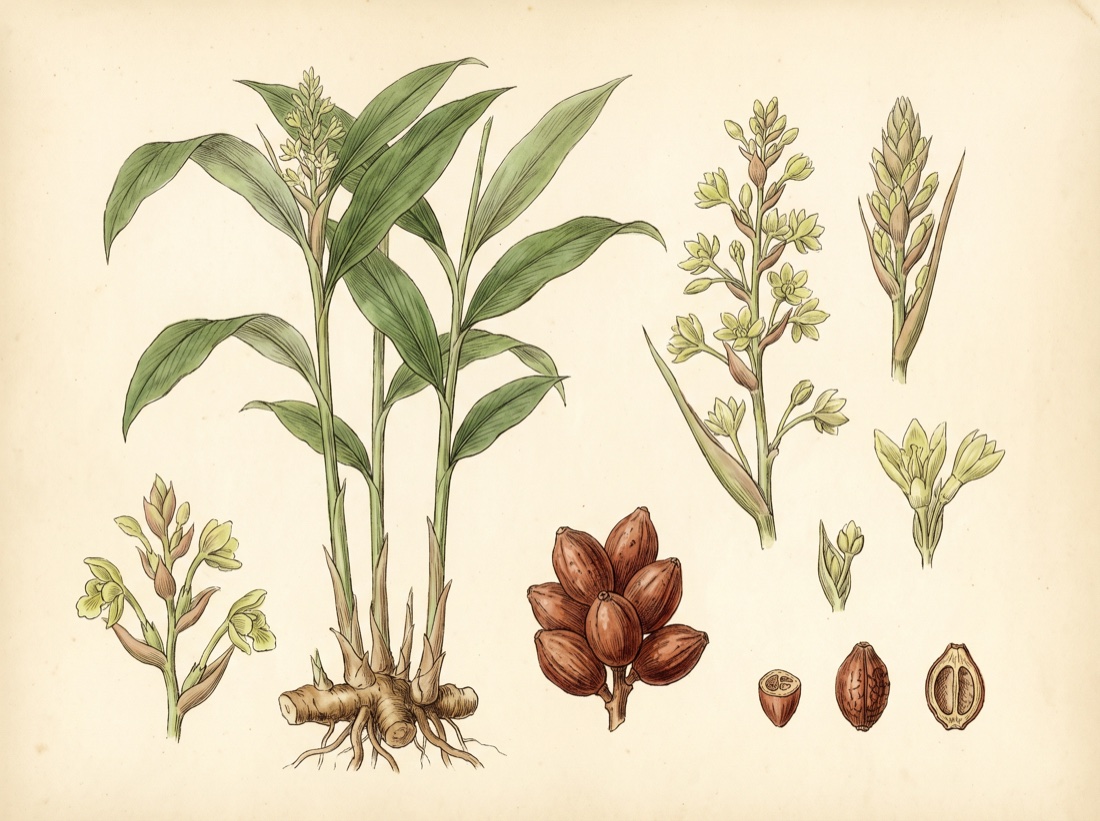 Tsao-koAmomum tsao-ko
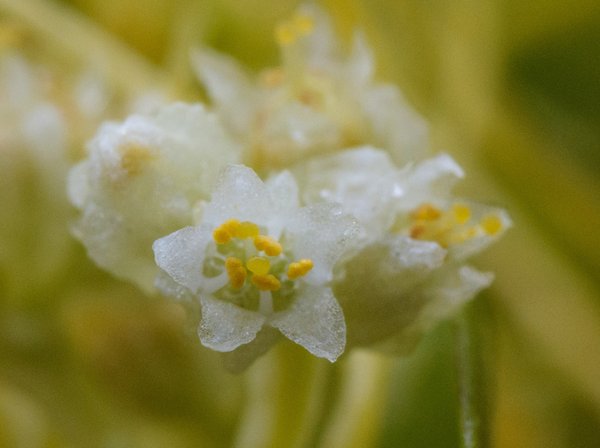 Tu Si ZiCuscuta chinensis
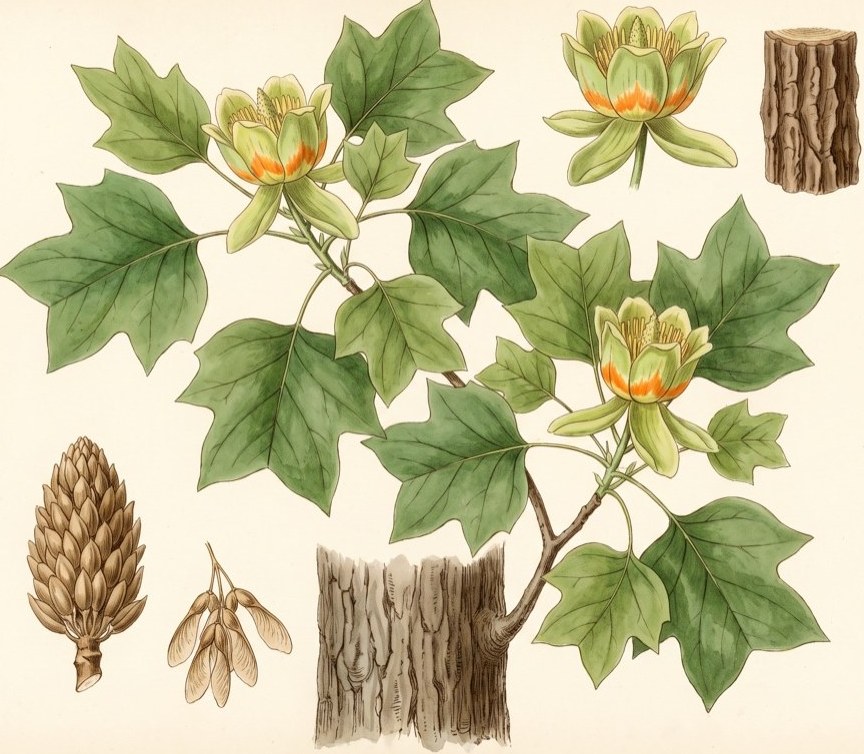 Tulip treeLiriodendron tulipifera
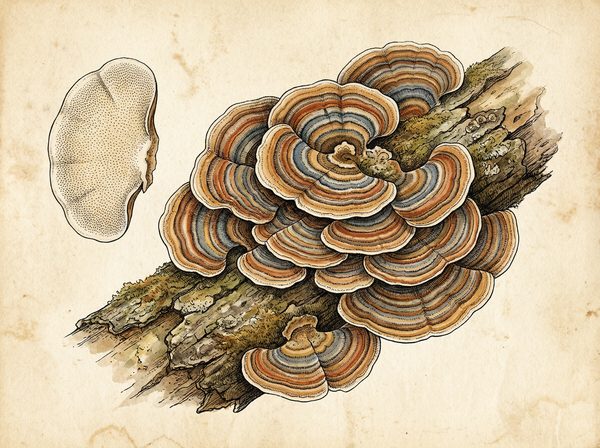 Turkey TailTrametes versicolor
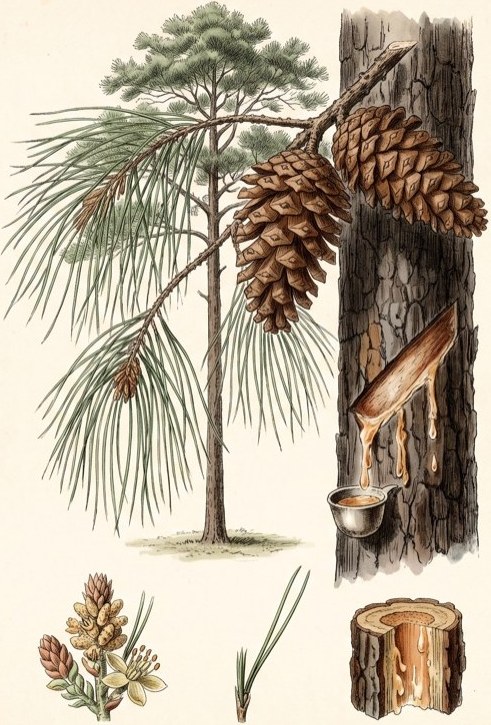 TurpentineOleum Terebinthinae
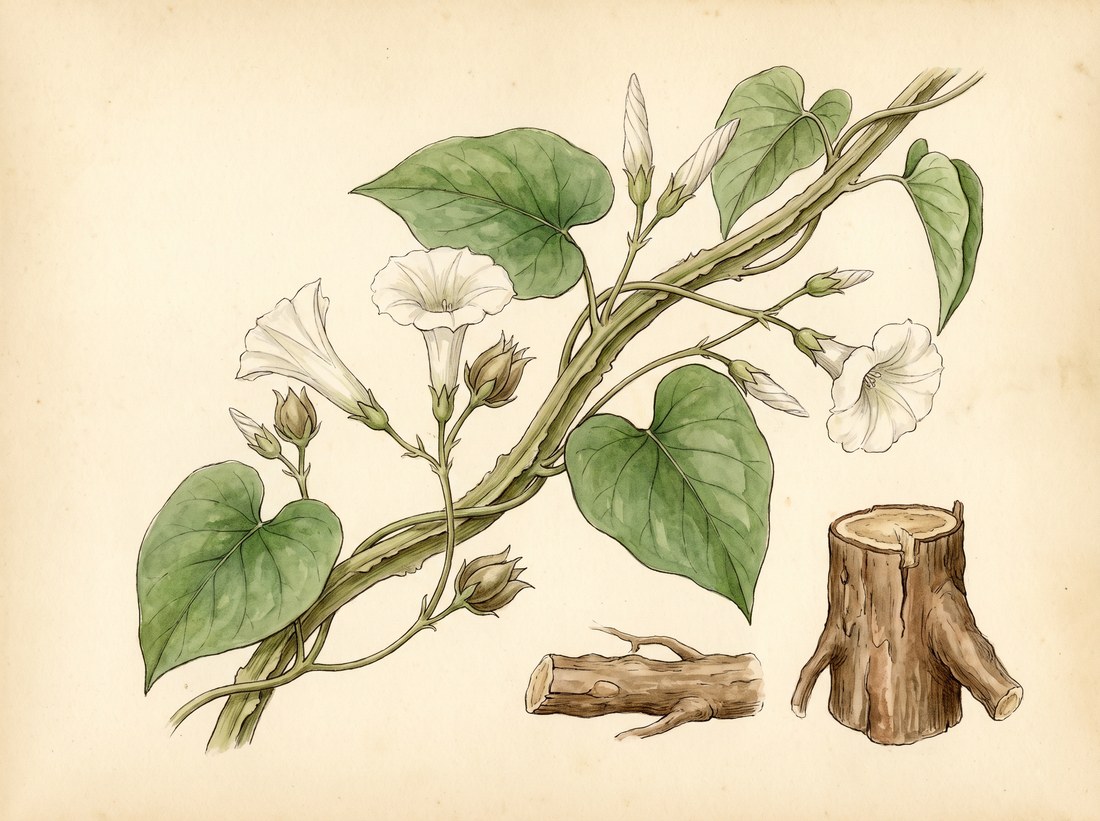 TurpethOperculina turpethum
 TwinleafJeffersonia diphylla
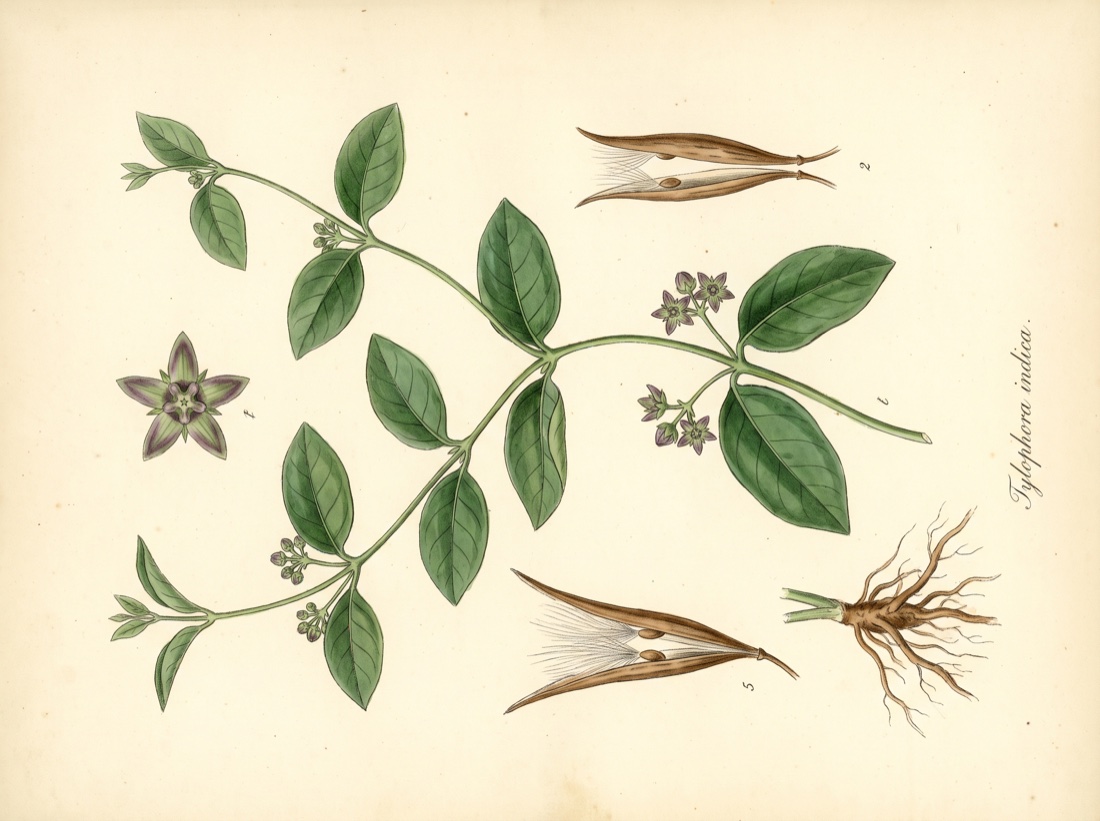 TylophoraTylophora indica
The whole plate is in the library. The compass, Compare, the Sky of eleven hundred plants and the formulary open with an email address and a password, free, with the formula builder and its safety engine. Herbert without limit, his formulating, clients, the handouts and the labels are the paid room.
Open the library, free