Western Herbalism
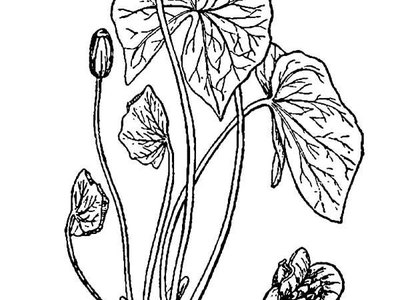
Twinleaf
Jeffersonia diphylla
Also known as Rheumatism root, Ground squirrel pea, Yellow root, Twin leaf.
Twinleaf is a low woodland perennial of the eastern and midwestern United States, growing in rich, moist woods over limestone, and named for its distinctive paired half-oval leaflets. It belongs to the barberry family, alongside blue cohosh and mayapple, and its knotty, fibrous rhizome was the part used by nineteenth century physiomedicalist and eclectic physicians. In the physiomedical framework it was regarded as a warming relaxant and stimulant to tissue, chiefly reached for in chronic rheumatic and dropsical conditions.

Ask Herbert about Twinleaf. Herbert is the master herbalist inside Bountiful Herbs: he answers from this plate and eleven hundred others, with dosing, pairing and cautions. Your first ten questions are free.
Ask HerbertActions
Indications what the tradition reached for it in
- Chronic rheumatism
- Gouty joint pain
- Dropsical swelling with scanty urine
- Chronic urinary complaints
- Nervous spasm
- Chronic skin eruptions
- Sore throat (as gargle)
- Catarrh of the bladder
- Muscular stiffness after exposure to damp cold
Specific indications
Rheumatic joints that are stiff, swollen, and worse in damp weather
Dropsical swelling of the limbs with scanty, dark urine
Safety
Low dose botanical. Used in drop doses in the classical practice; not a plant to dose freely.
Pregnancy: Avoid in pregnancy, as there is no modern safety data and related Berberidaceae genera such as Caulophyllum have uterine-stimulant reputations.
Breastfeeding: Avoid in lactation due to the absence of any safety data on transfer into milk.
The record lists 5 contraindications; open the plate in the library to read them in full.
In practice
Physiomedicalist writers such as Cook used twinleaf root chiefly as an infusion or fluid extract for chronic rheumatism and gout, often alongside other alterative and antispasmodic roots such as black cohosh or bryonia when joints were stiff, swollen, and worse in damp or cold conditions.
Dosing as the sources wrote it
| Preparation | As written | Metric |
|---|---|---|
| Infusion | 1-2 g dried root steeped in 150 mL hot water, up to three times daily | 1000-2000 mg |
| Fluid extract or tincture (1:5, 60-70% alcohol) | 1-2 mL up to three times daily | 1-2 mL |
| Dose, 10 drops to 1 fluidrachm. | 0.2-3.7 mL | |
| decoction | Dose of the decoction, from 2 to 4 fluid ounces, 3 times a day; of the tincture, from 1 to 3 fluid drachms, 3 times a day. | 59.15-118 mL |
Doses are reproduced from the sources for practitioners and are not a recommendation for any person.
From the sources
Overview. Twinleaf is a low woodland perennial of the eastern and midwestern United States, growing in rich, moist woods over limestone, and named for its distinctive paired half-oval leaflets. It belongs to the barberry family, alongside blue cohosh and mayapple, and its knotty, fibrous rhizome was the part used by nineteenth century physiomedicalist and eclectic physicians. In the physiomedical framework it was regarded as a warming relaxant and stimulant to tissue, chiefly reached for in chronic rheumatic and dropsical conditions.
Clinical Notes. Physiomedicalist writers such as Cook used twinleaf root chiefly as an infusion or fluid extract for chronic rheumatism and gout, often alongside other alterative and antispasmodic roots such as black cohosh or bryonia when joints were stiff, swollen, and worse in damp or cold conditions.
Action and Therapy. As indicated by one of its trivial names this plant has been used in chronic forms of rheumatism. Its exact status is not well determined, but it is undoubtedly alterative and has some effect upon the general nervous system, allaying excitability and irritability. Watkins declared it efficient in pain in the head with dizziness and feeling of tension. Locke mentions it as useful where rheumatism is located chiefly in the muscles of the back, and in bronchitis and constitutional chronic catarrh, especially in the aged.
Properties and Uses. The root of this plant is a pungent and bitter stimulant, with a fair portion of relaxing properties. It acts with moderate promptness upon the mucous membranes; and afterwards influences the stomach, kidneys, circulation, and glandular system more slowly and permanently.
Drawn from Cook's Physio-Medical Dispensatory; King's American Dispensatory, 18th edition (Felter and Lloyd); Felter's Eclectic Materia Medica, Pharmacology and Therapeutics, and the Bountiful Herbs editorial.
Often paired with
 WintergreenGaultheria procumbens
 Blue flagIris versicolor
 CorydalisCorydalis spp.
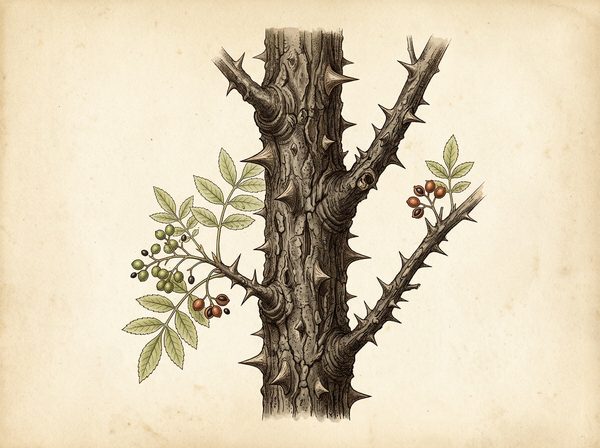 Prickly AshZanthoxylum americanum
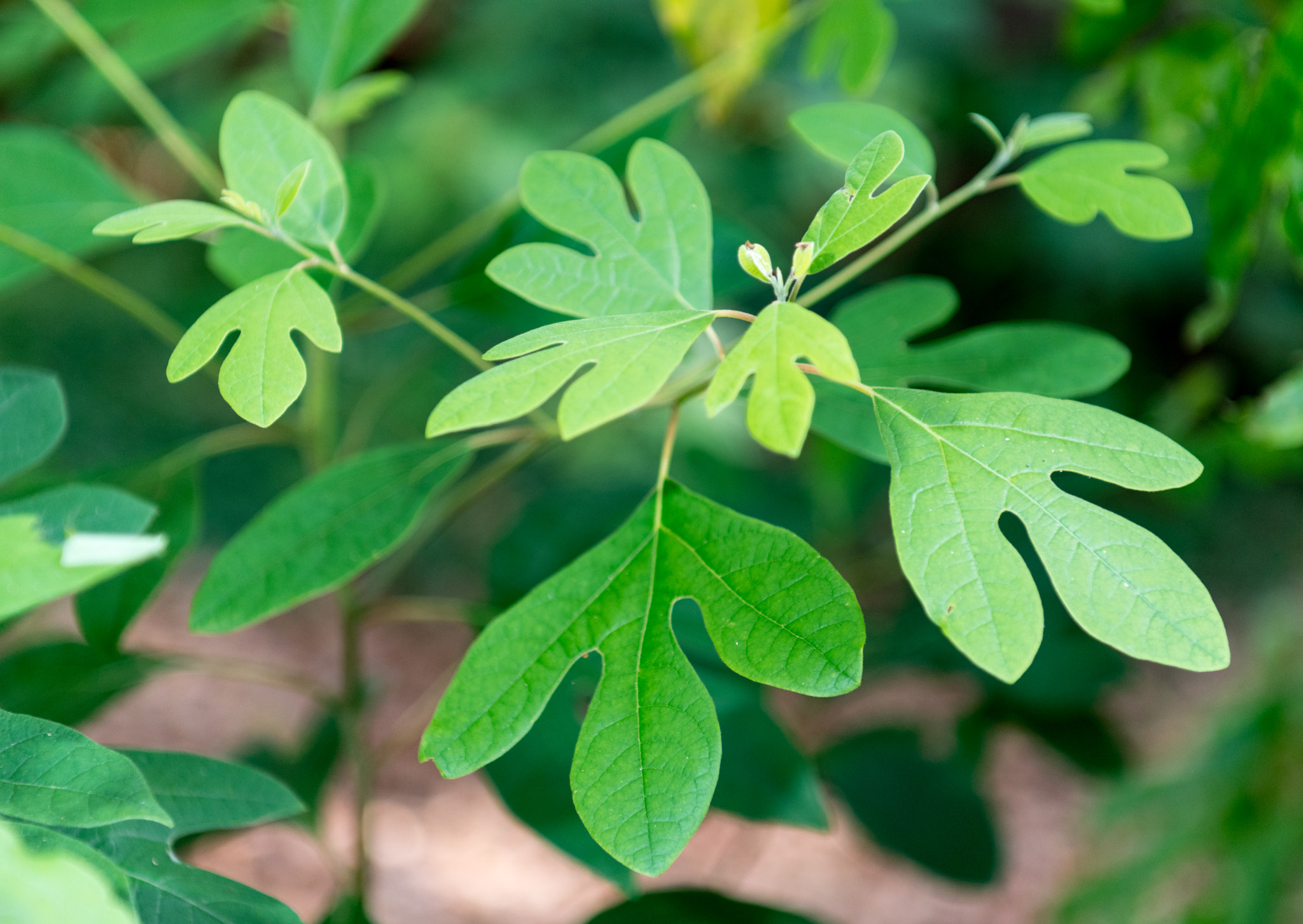 SassafrasSassafras albidum
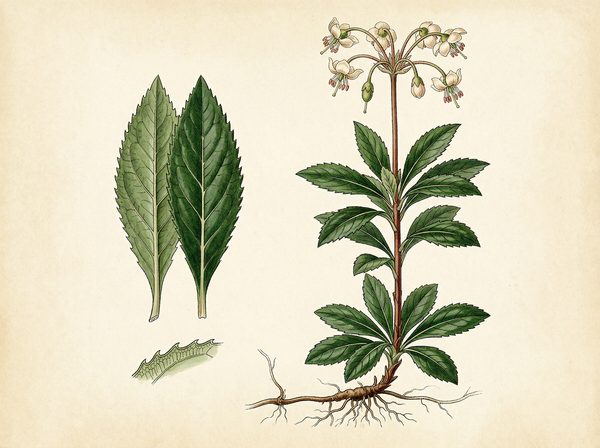 PipsissewaChimaphila umbellata
Nearby on the shelf
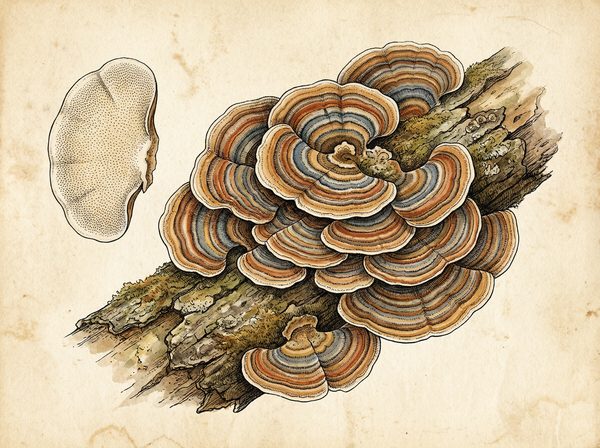 Turkey TailTrametes versicolor
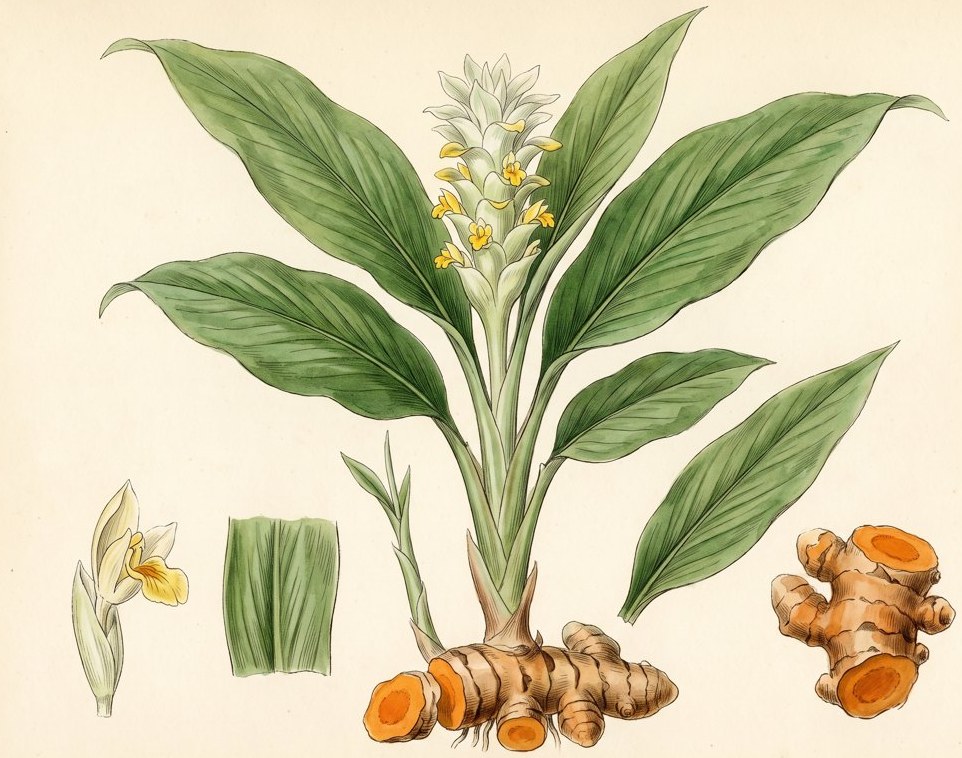 TurmericCurcuma longa
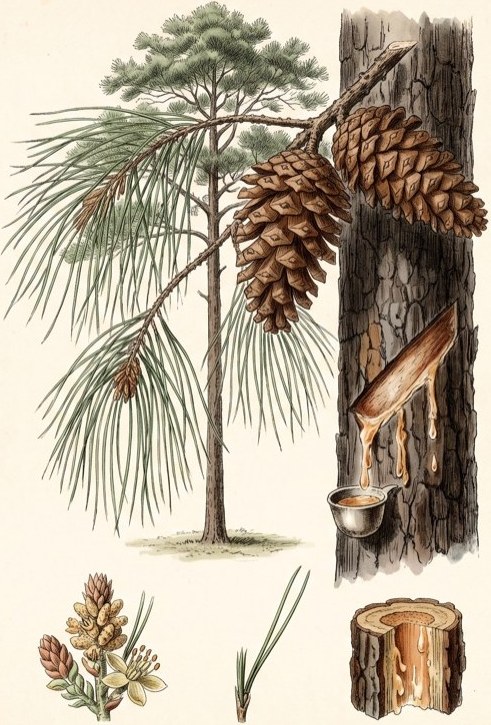 TurpentineOleum Terebinthinae
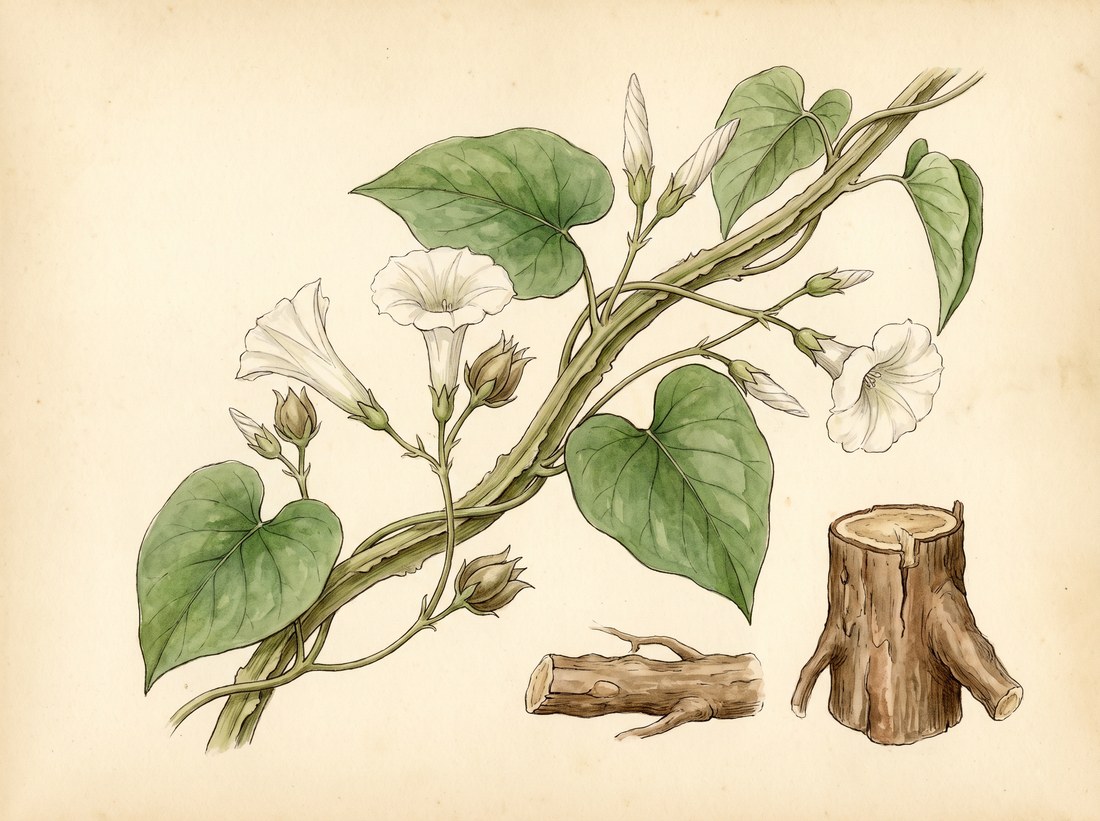 TurpethOperculina turpethum
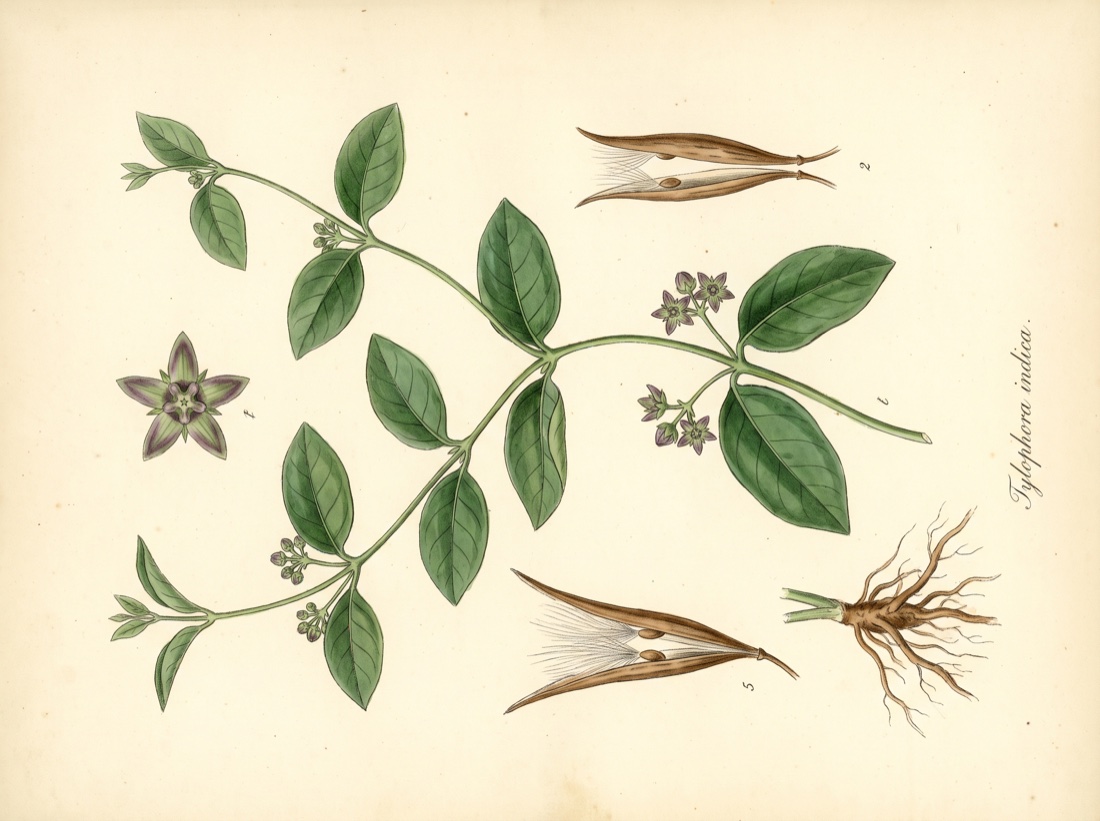 TylophoraTylophora indica
 ValerianValeriana officinalis
 VanillaVanilla planifolia
The whole plate is in the library. The compass, Compare, the Sky of eleven hundred plants and the formulary open with an email address and a password, free, with the formula builder and its safety engine. Herbert without limit, his formulating, clients, the handouts and the labels are the paid room.
Open the library, free