Western Herbalism
Tulip tree
Liriodendron tulipifera
Also known as Yellow poplar, White wood, Tulip poplar, Whitewood, Yellow wood, Poplar, Canoe wood.
Liriodendron tulipifera, the tulip tree, is a large native North American forest tree of the magnolia family, prized both for its timber and, in nineteenth century American herbal practice, for the bitter aromatic bark of its root. Physiomedical and Eclectic physicians used the root bark as a warming bitter tonic and mild stimulant to support digestion and circulation in states of debility, and as an antiperiodic in low intermittent fevers. It has largely fallen out of modern clinical use and is now known mainly to historians of American herbal medicine.

Ask Herbert about Tulip tree. Herbert is the master herbalist inside Bountiful Herbs: he answers from this plate and eleven hundred others, with dosing, pairing and cautions. Your first ten questions are free.
Ask HerbertActions
Indications what the tradition reached for it in
- Atonic dyspepsia
- General debility
- Convalescence after fever
- Chronic rheumatism
- Intermittent fever
- Low fever states with feeble circulation
- Loss of appetite
- Cold extremities with sluggish digestion
- Worms in children (historical use)
Specific indications
Feeble digestion with cold extremities and a slow, weak pulse calling for a warming bitter stimulant
Low, lingering fevers with debility where a gentle tonic and mild diaphoretic is wanted rather than a strong stimulant
Safety
Low dose botanical. Used in drop doses in the classical practice; not a plant to dose freely.
Pregnancy: Not formally rated in the botanical safety literature; avoid in pregnancy given the lack of modern safety data and the presence of pharmacologically active alkaloids.
Breastfeeding: Not formally rated; avoid during lactation in the absence of safety data.
The record lists 4 contraindications; open the plate in the library to read them in full.
In practice
In the older American texts, tulip tree root bark was reached for in cases of general debility with a cold, sluggish constitution, where a gentle warming bitter was wanted to rouse digestion and circulation without the harshness of stronger stimulants. It was commonly combined with other bitter tonics and antiperiodics of the period, such as boneset or dogwood bark, for low fevers marked by weakness rather than high heat. Practitioners favored the root bark over the trunk bark for its stronger aromatic bitterness, usually prepared as a decoction or tincture. Because reliable modern clinical data are essentially absent, contemporary use, if any, should stay close to the traditional dose range and be reserved for practitioners already familiar with the plant's history and its physiomedical rationale.
Dosing as the sources wrote it
| Preparation | As written | Metric |
|---|---|---|
| Root bark decoction | 2-4 g dried root bark daily, decocted | 2000-4000 mg |
| Tincture (1:5, 45%) | 1-3 mL three times daily | 1-3 mL |
| It is rarely used in powder, but a scruple or more may be used as a dose | 1296-1296 mg | |
| Dose, four to eight fluid drachms | 14.79-29.57 mL | |
| Dose, two to six fluid drachms | 7.39-22.18 mL | |
| Dose, six to twelve fluid drachms three times a day | 22.18-44.36 mL |
Doses are reproduced from the sources for practitioners and are not a recommendation for any person.
From the sources
Overview. Liriodendron tulipifera, the tulip tree, is a large native North American forest tree of the magnolia family, prized both for its timber and, in nineteenth century American herbal practice, for the bitter aromatic bark of its root. Physiomedical and Eclectic physicians used the root bark as a warming bitter tonic and mild stimulant to support digestion and circulation in states of debility, and as an antiperiodic in low intermittent fevers. It has largely fallen out of modern clinical use and is now known mainly to historians of American herbal medicine.
Clinical Notes. In the older American texts, tulip tree root bark was reached for in cases of general debility with a cold, sluggish constitution, where a gentle warming bitter was wanted to rouse digestion and circulation without the harshness of stronger stimulants.
Properties and Uses. Many physicians, and most writers, confound this bark with populus tremuloides, and others of that genus, because of the similarity of the common name, poplar; but the two articles bear no resemblance to each other, either in botanical or medical properties.
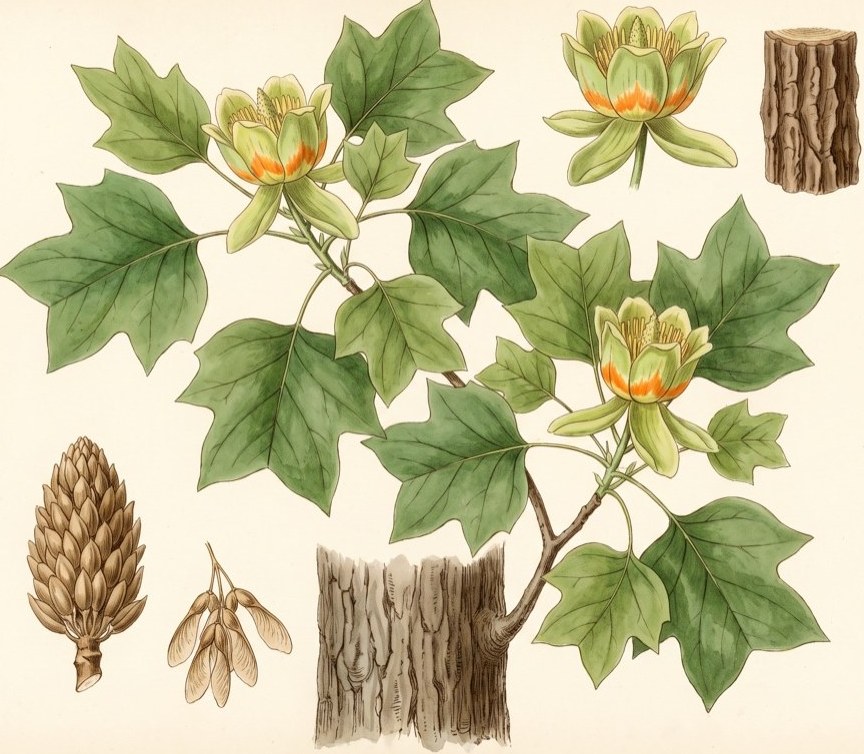
Description. Natural Order, Magnoliaceae. This tree is one of the noblest in America, growing with a perfectly straight trunk of from eighty to one hundred and fifty feet, old trees without a branch till within twenty feet of the top, young trees low-branched and of a conical outline.
Drawn from Cook's Physio-Medical Dispensatory; Scudder's Specific Medication and Specific Medicines; King's American Dispensatory, 18th edition (Felter and Lloyd), and the Bountiful Herbs editorial.
Often paired with
 Prickly AshZanthoxylum americanum
 SassafrasSassafras albidum
 Ku ShenSophora flavescens
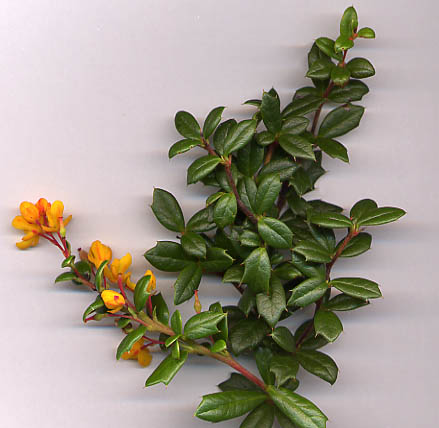 BarberryBerberis vulgaris
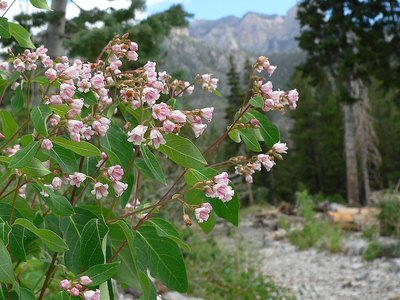 Dog's BaneApocynum Androsaemifolium
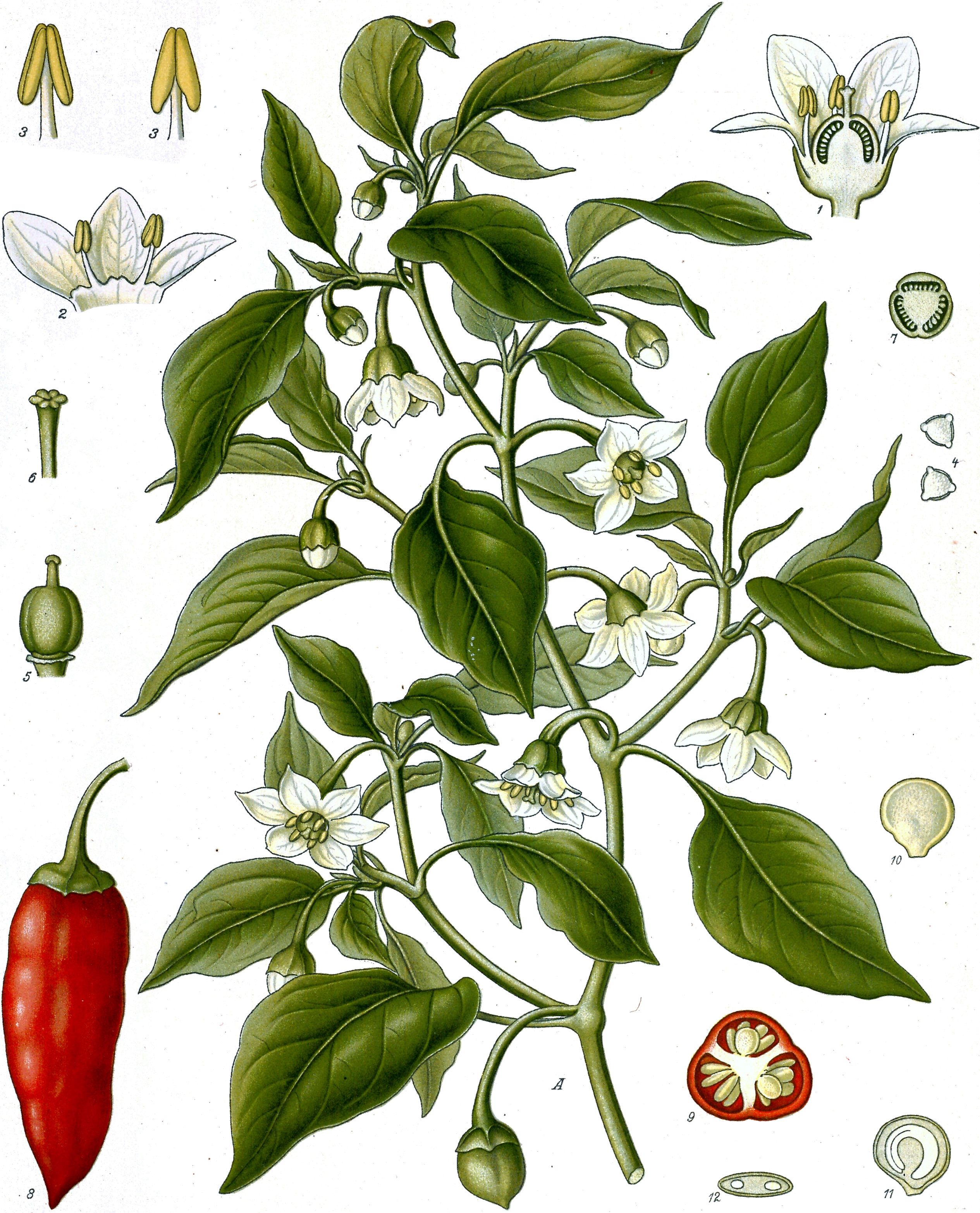 CayenneCapsicum frutescens
Nearby on the shelf
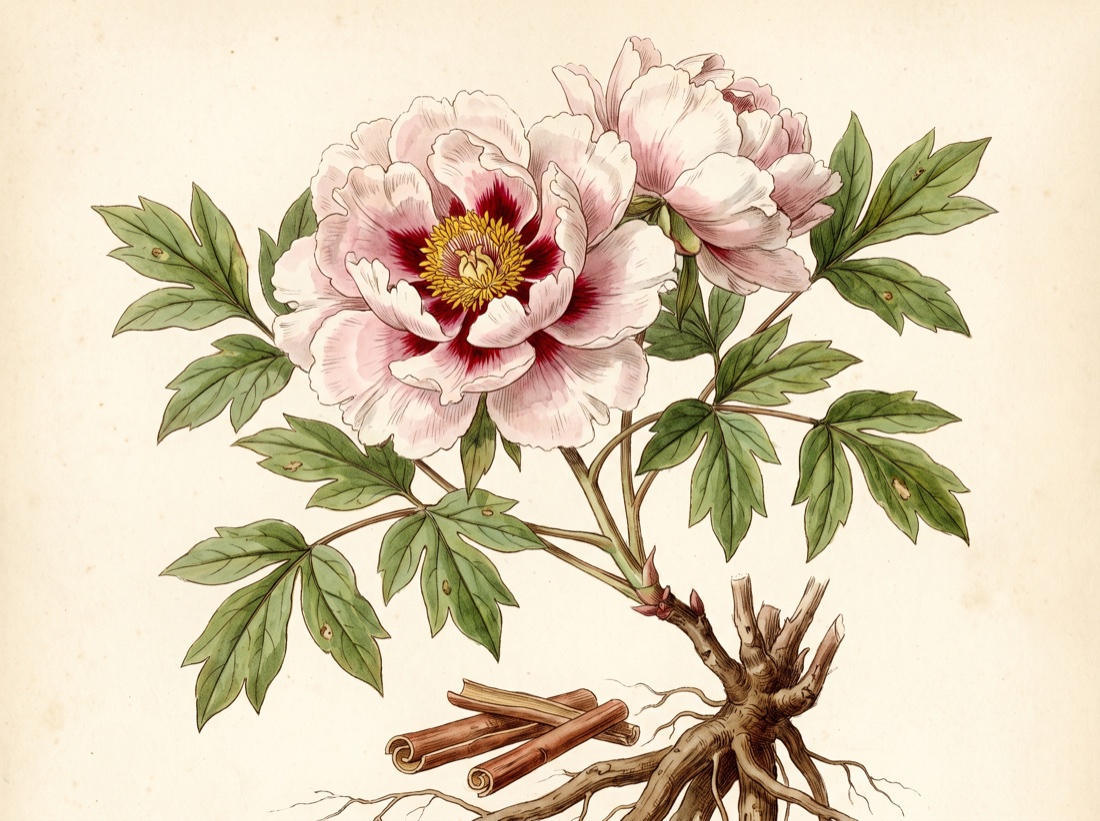 Tree peonyPaeonia suffruticosa
 TriphalaTriphala
 Tsao-koAmomum tsao-ko
 Tu Si ZiCuscuta chinensis
 Turkey TailTrametes versicolor
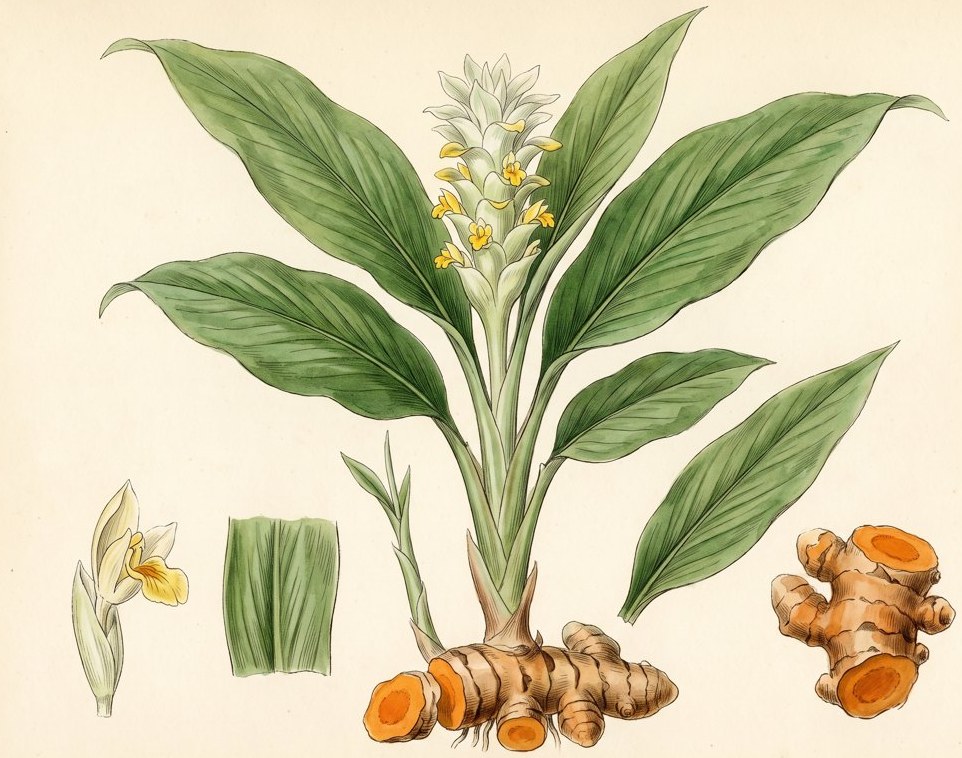 TurmericCurcuma longa
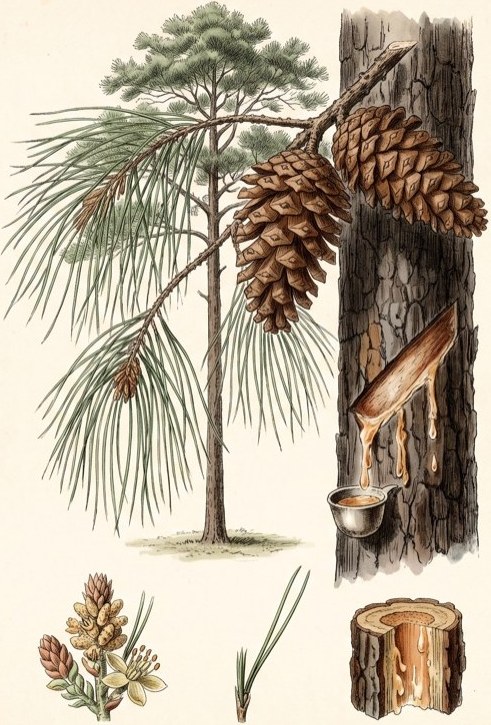 TurpentineOleum Terebinthinae
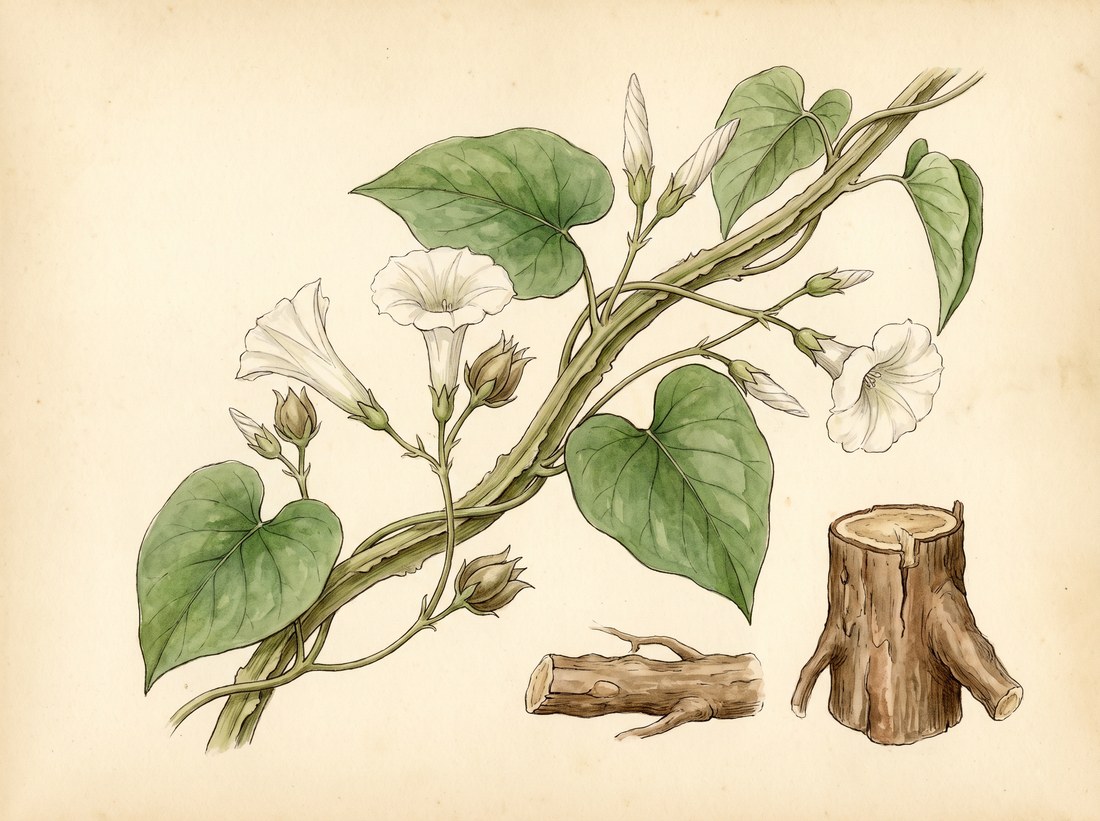 TurpethOperculina turpethum
The whole plate is in the library. The compass, Compare, the Sky of eleven hundred plants and the formulary open with an email address and a password, free, with the formula builder and its safety engine. Herbert without limit, his formulating, clients, the handouts and the labels are the paid room.
Open the library, free