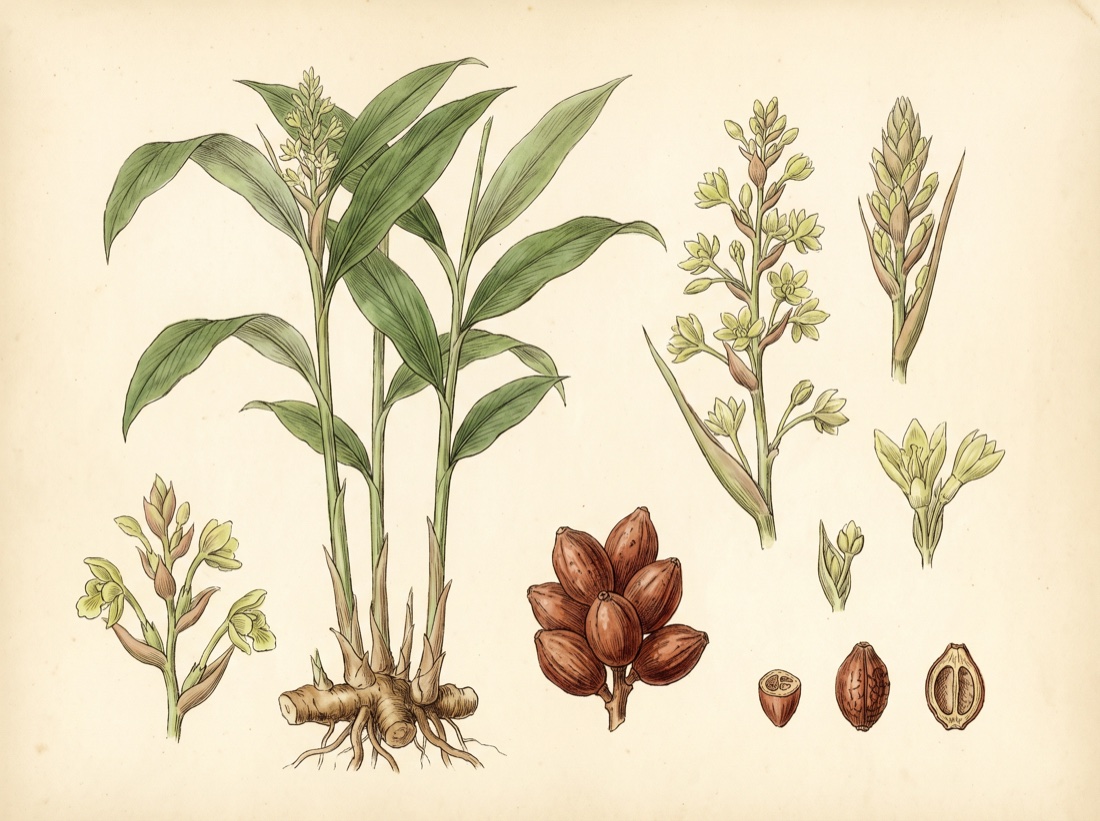
Chinese Herbalism
Tsao-ko
Amomum tsao-ko
Also known as tsaoko amomum, Chinese black cardamom, red cardamom, cao guo, cǎo guǒ.
Cao guo is the dried ripe fruit of Amomum tsao-ko, a large clumping ginger of the family Zingiberaceae grown in the humid mountain forests of Yunnan, Guangxi and northern Vietnam. Plants of the World Online now places the species in a separate genus as Lanxangia tsao-ko, but the pharmacopoeial name is still Amomum tsao-ko. The oval, ribbed, brownish fruit is smoky and intensely aromatic; it is a famous spice in Sichuan and Vietnamese cooking, and in Chinese medicine it is a strong drier of dampness that warms the middle and, with other herbs, treats the alternating chills and fever of damp-turbid malarial disorders.

Ask Herbert about Tsao-ko. Herbert is the master herbalist inside Bountiful Herbs: he answers from this plate and eleven hundred others, with dosing, pairing and cautions. Your first ten questions are free.
Ask HerbertActions
Indications what the tradition reached for it in
- Epigastric fullness and distension from cold-damp
- Nausea and vomiting with a thick greasy tongue coat
- Poor appetite from damp obstruction of the Spleen
- Abdominal pain and diarrhea of cold-damp type
- Food stagnation after heavy or greasy meals
- Alternating chills and fever of damp-turbid type
- Malaria with cold-damp predominance (adjunct)
- Damp-cold phlegm with heaviness of the body
- Hangover with nausea and heaviness
Specific indications
A stuffed, heavy epigastrium with a thick greasy white tongue coat, no thirst, and nausea that eases with warm aromatic food
Alternating chills and fever with a heavy body, chest oppression and sticky mouth, in a damp climate
Chronic loose stool and poor appetite in someone who lives on cold foods and feels cold and bloated
Safety
The record lists 7 contraindications; open the plate in the library to read them in full.
In practice
Cao guo is the aromatic to choose when dampness is heavy and cold, and gentler herbs like sha ren (Amomum villosum) or bai dou kou have not been enough. The tongue coat is thick, greasy and white, the abdomen is stuffed, appetite is poor and there is nausea without thirst.
In Chinese medicine
Temperature: warm. Taste: acrid. Channels: Spleen, Stomach. Actions: Dries dampness and warms the middle burner; Dispels cold and disperses turbid damp obstruction; Checks malarial disorders with alternating chills and fever; Reduces food stagnation and relieves epigastric distension.
Dosing as the sources wrote it
| Preparation | As written | Metric |
|---|---|---|
| Decoction (crushed fruit) | 3-6 g dried fruit daily | 3000-6000 mg |
| Powder | 1-2 g dried seed twice daily | 1000-2000 mg |
| Tincture (1:5, 60%) | 1-2 mL three times daily | 1-2 mL |
Doses are reproduced from the sources for practitioners and are not a recommendation for any person.
From the sources
Overview. Cao guo is the dried ripe fruit of Amomum tsao-ko, a large clumping ginger of the family Zingiberaceae grown in the humid mountain forests of Yunnan, Guangxi and northern Vietnam. Plants of the World Online now places the species in a separate genus as Lanxangia tsao-ko, but the pharmacopoeial name is still Amomum tsao-ko. The oval, ribbed, brownish fruit is smoky and intensely aromatic; it is a famous spice in Sichuan and Vietnamese cooking, and in Chinese medicine it is a strong drier of dampness that warms the middle and, with other herbs, treats the alternating chills and fever of damp-turbid malarial disorders.
Clinical Notes. Cao guo is the aromatic to choose when dampness is heavy and cold, and gentler herbs like sha ren (Amomum villosum) or bai dou kou have not been enough. The tongue coat is thick, greasy and white, the abdomen is stuffed, appetite is poor and there is nausea without thirst.
Chinese Medicine Profile. Temperature: warm. Taste: acrid. Channels: Spleen, Stomach. Actions: Dries dampness and warms the middle burner; Dispels cold and disperses turbid damp obstruction; Checks malarial disorders with alternating chills and fever; Reduces food stagnation and relieves epigastric distension.
In formulas
Tsao-ko stands in 29 documented formulas in the library, among them jié nuè gì bǎo yin, cháng shân yin, ging pí tâng, dá yuán yin, jia jiǎn dá yuán yin, sì jià jiǎn zhèng qì sǎn.
Often paired with
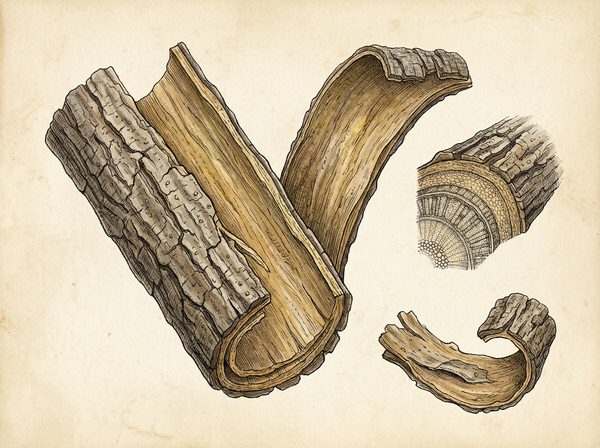 Magnolia BarkMagnolia officinalis
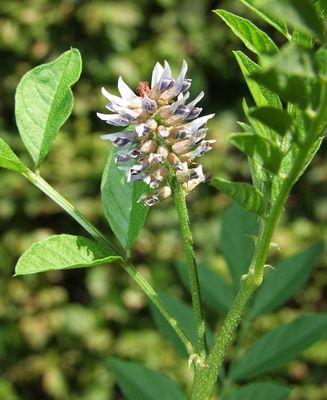 Licorice rootGlycyrrhiza glabra
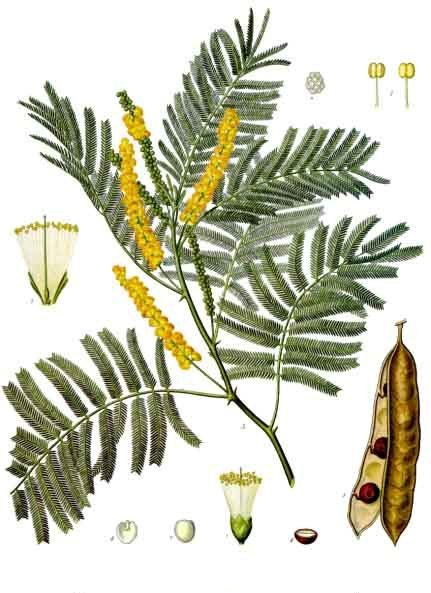 cutch treeAcacia catechu
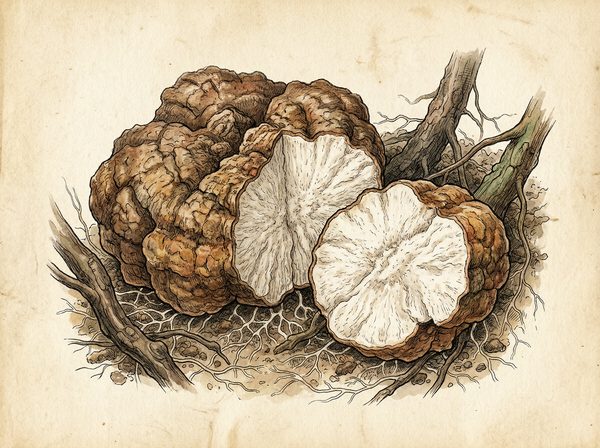 PoriaWolfiporia extensa
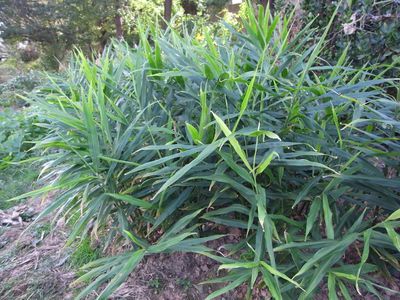 GingerZingiber officinale
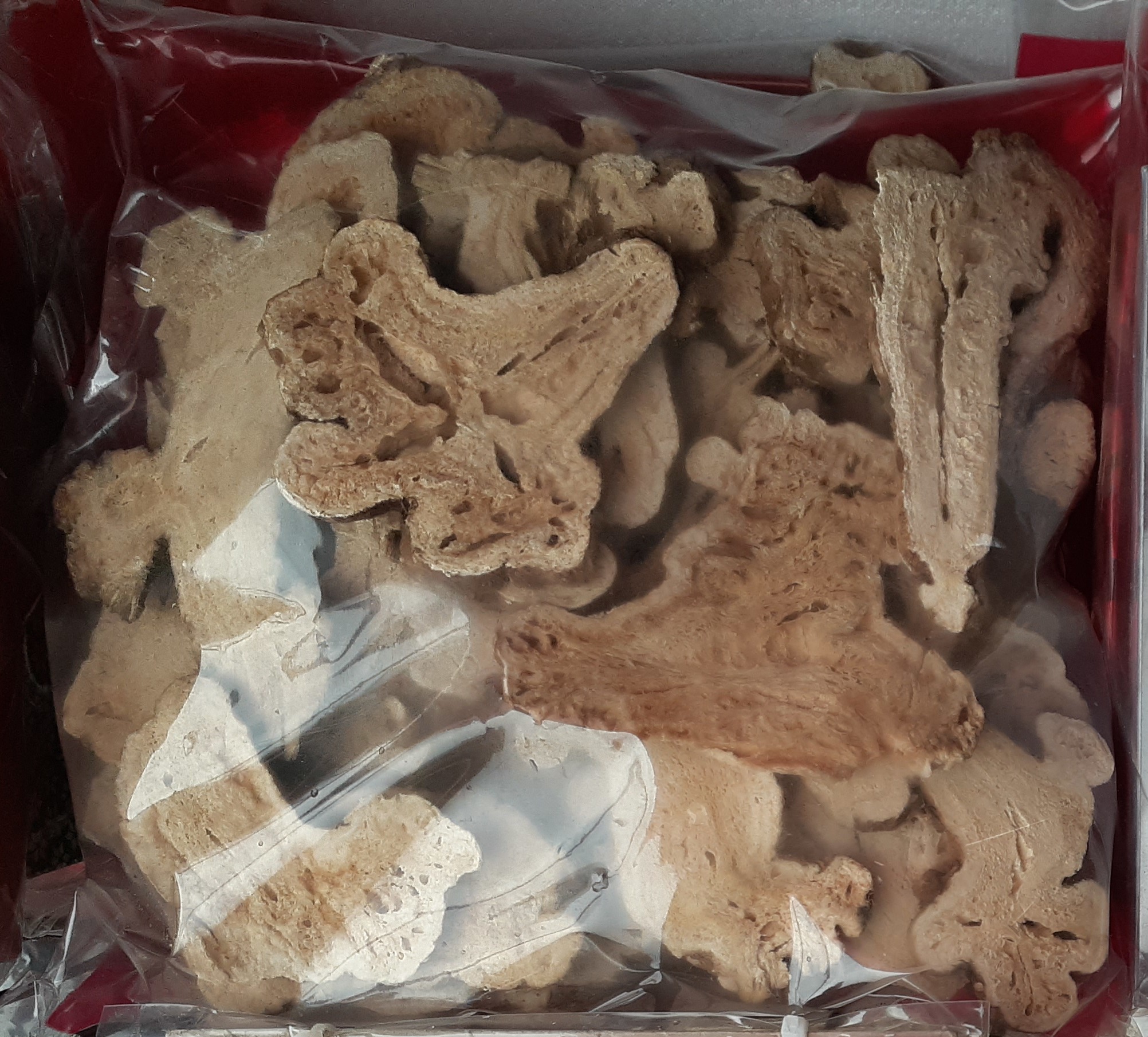 Bai ZhuAtractylodes macrocephala
Nearby on the shelf
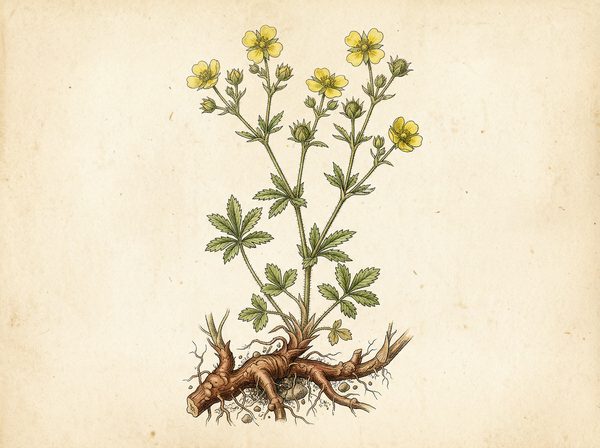 TormentilPotentilla erecta
 TragacanthAstragalus verus
 Tree peonyPaeonia suffruticosa
 TriphalaTriphala
 Tu Si ZiCuscuta chinensis
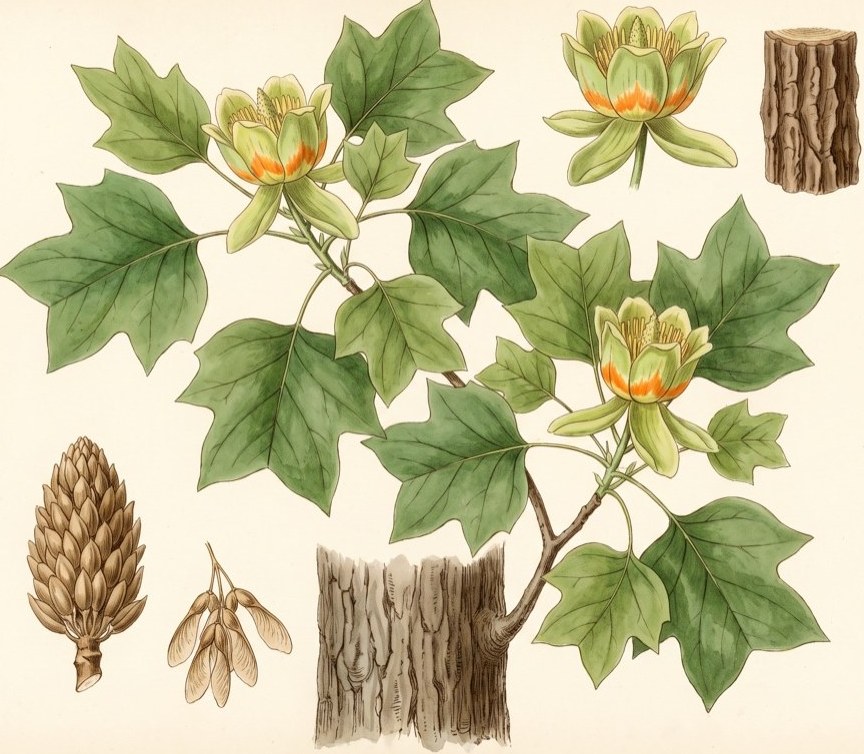 Tulip treeLiriodendron tulipifera
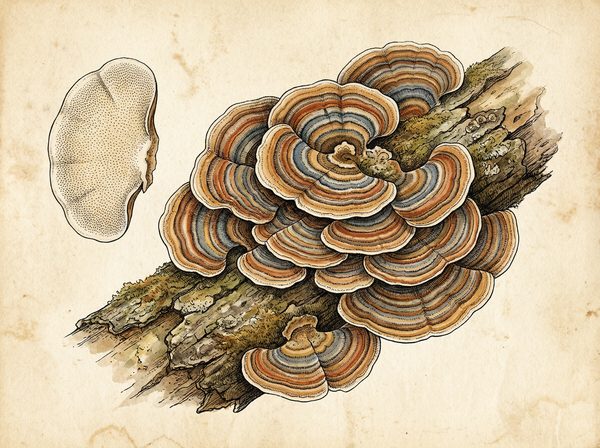 Turkey TailTrametes versicolor
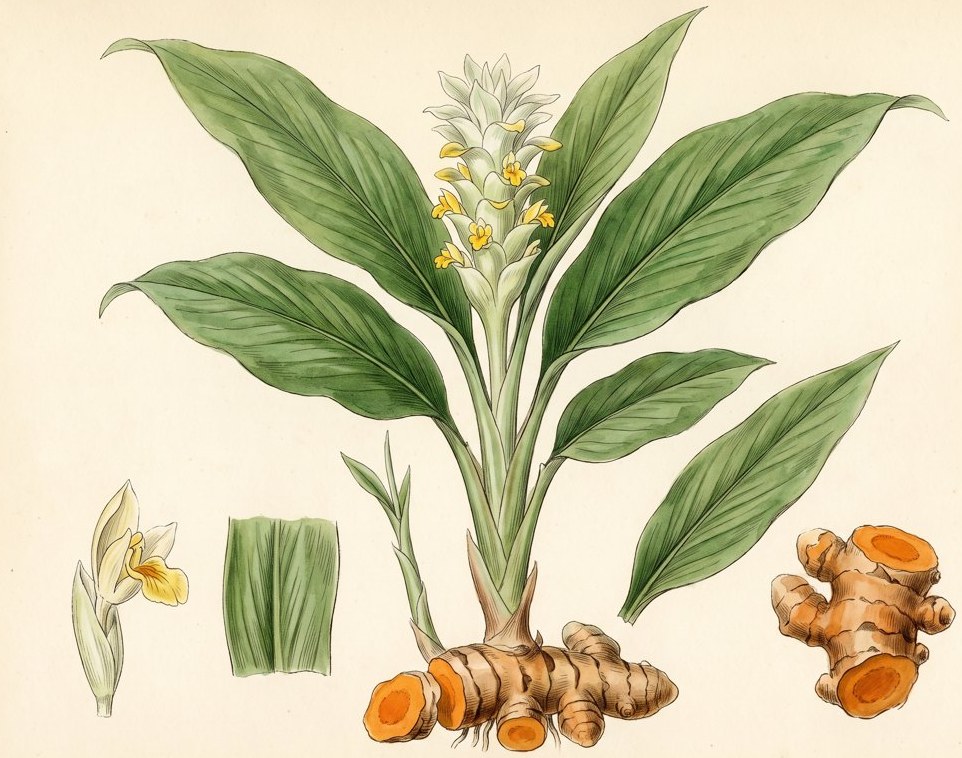 TurmericCurcuma longa
The whole plate is in the library. The compass, Compare, the Sky of eleven hundred plants and the formulary open with an email address and a password, free, with the formula builder and its safety engine. Herbert without limit, his formulating, clients, the handouts and the labels are the paid room.
Open the library, free