Western, Chinese and Ayurvedic herbalism
Chebulic myrobalan
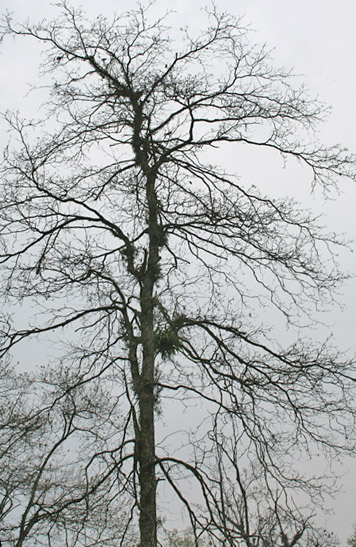
Terminalia chebula
Also known as black myrobalan, haritaki, Indian gall nut, Chebulic myrobalan fruit, Ink tree, Myrobalan, Myrobalans, Haritaki, Abhaya, Pathya.
Terminalia chebula is a large deciduous tree of the Combretaceae, native to the deciduous forests of the Indian subcontinent from the Himalayan foothills through central India to the Western Ghats, and cultivated in Madhya Pradesh, Maharashtra and the Deccan. The dried ripe fruit, Haritaki, is held in Ayurveda as the foremost of the rasayana fruits, the herb that pacifies all three doshas, and the first member of Triphala. The classical texts give it five of the six tastes, an unusual profile that explains its reach across digestion, elimination, the senses and the aging body.

Ask Herbert about Chebulic myrobalan. Herbert is the master herbalist inside Bountiful Herbs: he answers from this plate and eleven hundred others, with dosing, pairing and cautions. Your first ten questions are free.
Ask HerbertActions
Indications what the tradition reached for it in
- Chronic constipation with sluggish digestion
- Irritable bowel with alternating stool and bloating
- Hemorrhoids with constipation
- Gingivitis, plaque and mouth ulcers (gargle)
- Chronic cough with thick mucus
- Dyslipidemia and metabolic syndrome
- Type 2 diabetes with endothelial dysfunction (adjunct)
- Recurrent respiratory and urinary infections
- Poor appetite and malabsorption
- Chronic skin disease with constipation
- Age related decline and convalescence
- Joint stiffness in overweight adults
- Irritable bowel syndrome
- Fever (including chronic/intermittent)
- Urinary calculi
- Abdominal colic/cramps
- Worm infestation
- Obesity/"fat scraping" (traditional)
- Uterine prolapse
- Dental caries
- Malabsorption
- Constipation
- Anemia (traditional)
- Bowel cleansing
- Gout/vatarakta (traditional)
- Diabetes/urinary disorders (traditional)
- Heart disease/heart tonic uses (traditional)
- Stomatitis/mouth ulcers
- Asthma/dyspnea (traditional)
- Dysuria
Specific indications
A middle aged patient with hard, dry, infrequent stools, gas and a coated tongue who is also fatigued and slightly overweight, and who needs a gentle daily regulator rather than a stimulant purge
Chronic low grade gum inflammation and bad breath in a patient who prefers a botanical rinse to chlorhexidine
The elderly vata patient whose digestion has slowed, whose skin and mucosa are dry, and who benefits from a warm, tonifying laxative taken at night
Metabolic syndrome with elevated lipids and glucose where a daily fruit powder or decoction can support diet and exercise
Safety
Pregnancy: Avoid medicinal doses in pregnancy: no published safety class is known to us, and the classical texts list pregnancy among the conditions in which Haritaki should not be given because of its downward moving, drying action.
Breastfeeding: Lactation: avoid single-herb use (traditional Ayurvedic concern of decreased milk supply) / insufficient safety data
The record lists 8 contraindications; open the plate in the library to read them in full.
In practice
The Ayurvedic practitioner reaches for Haritaki when elimination is sluggish but the patient is not congested with heat: the constipated vata patient, the grahani case with irregular stools and gas, the aging body whose channels need gentle clearing.
In Ayurveda
Rasa: kashaya (astringent) predominant, with madhura (sweet), amla (sour), katu (pungent) and tikta (bitter); all rasas except lavana (salty). Virya: ushna (heating). Vipaka: madhura (sweet). Guna: laghu (light), ruksha (dry). Dosha: pacifies all three doshas, tridoshahara, with a special affinity for vata by virtue of its sweet vipaka and heating potency. Prabhava: Tridoshaghna and rasayana; the tradition treats Haritaki as a drug whose balancing action on all three doshas exceeds what its rasa and virya alone would predict. Karma: rasayana (rejuvenative); anulomana (carminative, normalizes downward movement of vata); rechana (mild purgative, in larger doses); deepana (kindles digestion); pachana (digestive, ripens ama); medhya (supports intellect and memory); chakshushya (benefits the eyes); srotoshodhana (cleanses the channels); vayasthapana (delays aging); hridya (cardiotonic); kushthaghna (helps skin disease); shothahara (reduces swelling). Classical indications: vibandha (constipation); arsha (hemorrhoids); grahani (malabsorption and irritable bowel); udara (abdominal distension and enlargement); kasa and shvasa (cough and dyspnea); prameha (urinary disorders including diabetes); netra roga (eye disorders); kushtha (skin disease); shotha (edema and inflammatory swelling); hridroga (heart disease); mukha roga (diseases of the mouth and gums); jara (aging and debility). The dried ripe fruit pericarp is the drug, given as churna with honey, ghee, jaggery, rock salt or warm water according to the season and the dosha, as kwatha for gargle and internal use, as a paste for wounds and mouth ulcers, and as a leading member of fermented and confection formulas. Classical formulations: Triphala churna, Abhayarishta, Agastya Haritaki rasayana, Chitrakadi Haritaki, Pathyadi kwatha, Dashamoola Haritaki, Danti Haritaki, Triphala ghrita. Described in: Charaka Samhita, Sushruta Samhita, Ashtanga Hridaya, Bhavaprakasha Nighantu, Dhanvantari Nighantu, Raja Nighantu, Madanapala Nighantu, Kaiyadeva Nighantu, Sharngadhara Samhita, Ayurvedic Pharmacopoeia of India.
Dosing as the sources wrote it
| Preparation | As written | Metric |
|---|---|---|
| Churna | 3-6 g powdered fruit once daily at night with warm water | 3000-6000 mg |
| Churna, purgative | 6-10 g powdered fruit at night with warm water | 6000-10000 mg |
| Kwatha | 50-100 mL decoction twice daily | 50-100 mL |
| Kwatha, gargle | 50-100 mL decoction used as a mouth rinse twice daily | 50-100 mL |
| Arishta | 12-24 mL twice daily after food | 12-24 mL |
| Standardized extract | 250-500 mg aqueous fruit extract twice daily | 250-500 mg |
Doses are reproduced from the sources for practitioners and are not a recommendation for any person.
From the sources
Overview. Terminalia chebula is a large deciduous tree of the Combretaceae, native to the deciduous forests of the Indian subcontinent from the Himalayan foothills through central India to the Western Ghats, and cultivated in Madhya Pradesh, Maharashtra and the Deccan. The dried ripe fruit, Haritaki, is held in Ayurveda as the foremost of the rasayana fruits, the herb that pacifies all three doshas, and the first member of Triphala. The classical texts give it five of the six tastes, an unusual profile that explains its reach across digestion, elimination, the senses and the aging body.
Clinical Notes. The Ayurvedic practitioner reaches for Haritaki when elimination is sluggish but the patient is not congested with heat: the constipated vata patient, the grahani case with irregular stools and gas, the aging body whose channels need gentle clearing.
primary-actions. Haritaki acts primarily as: Laxative, Astringent, Carminative, Digestive tonic, Anti-inflammatory, Antimicrobial. Secondary actions include Anthelmintic, Hypolipidemic, Hypoglycemic, Hepatoprotective, Gastroprotective, Vulnerary.
indications. Haritaki is traditionally indicated for: Irritable bowel syndrome, Fever (including chronic/intermittent), Urinary calculi, Abdominal colic/cramps, Worm infestation, Obesity/"fat scraping" (traditional), Uterine prolapse, Dental caries, Malabsorption, Constipation, Anemia (traditional), Bowel cleansing, Gout/vatarakta (traditional), Diabetes/urinary disorders (traditional), Heart disease/heart tonic uses (traditional), and 60 further conditions.
Drawn from King's American Dispensatory, 18th edition (Felter and Lloyd), and the Bountiful Herbs editorial.
In formulas
Chebulic myrobalan stands in 117 documented formulas in the library, among them Abhayāriṣta, Aśokāriṣta, Aśvagandhādyariṣṭa, Kuṭajāriṣta, Khadirāriṣta, Dantyādyariṣṭa.
Often paired with
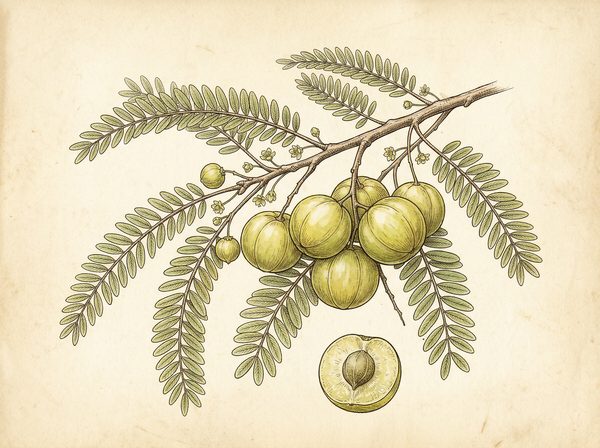 Indian gooseberryPhyllanthus emblica
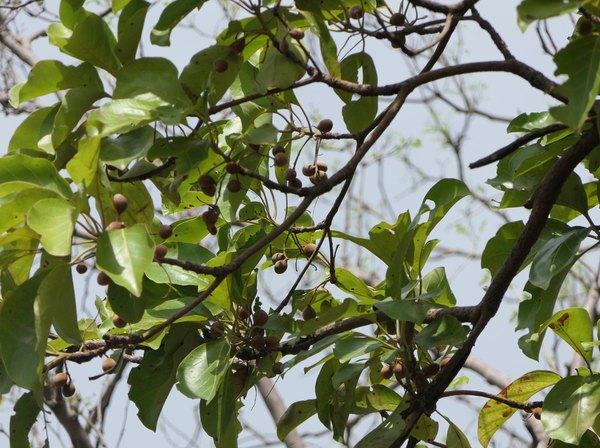 beleric myrobalanTerminalia bellirica
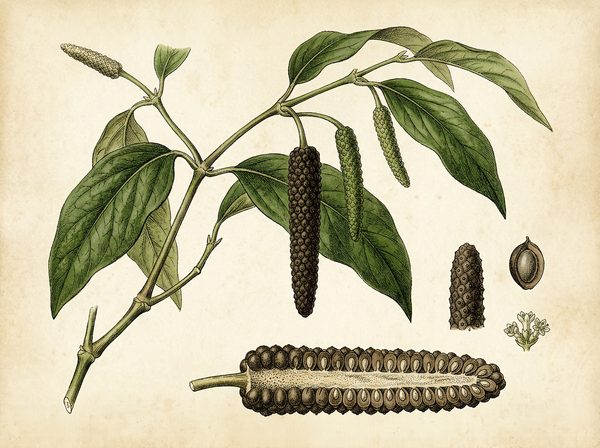 long pepperPiper longum
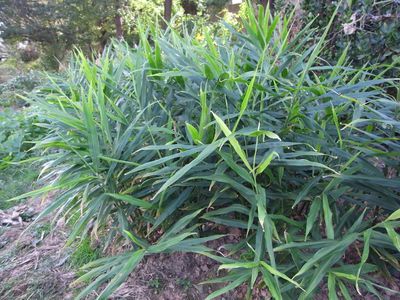 GingerZingiber officinale
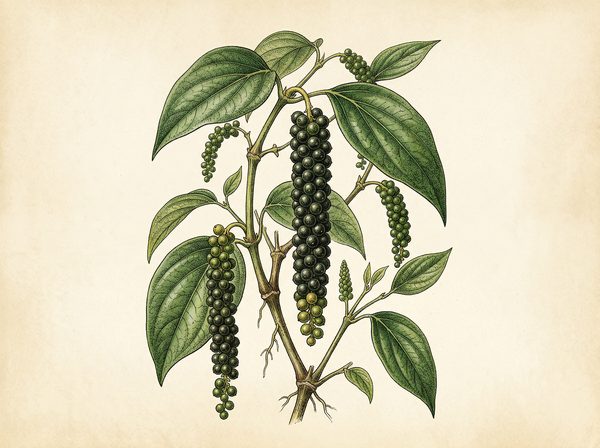 black pepperPiper nigrum
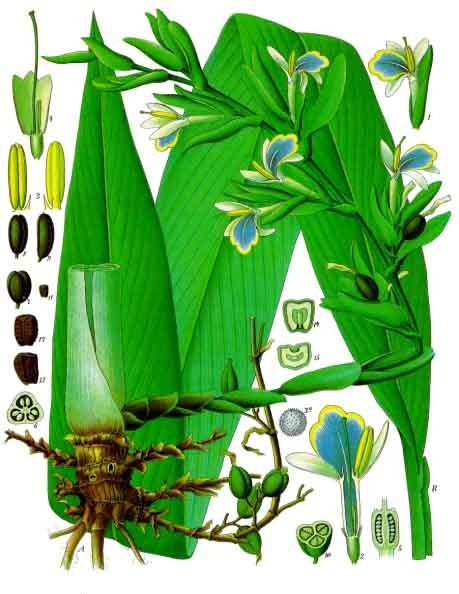 cardamomElettaria cardamomum
Nearby on the shelf
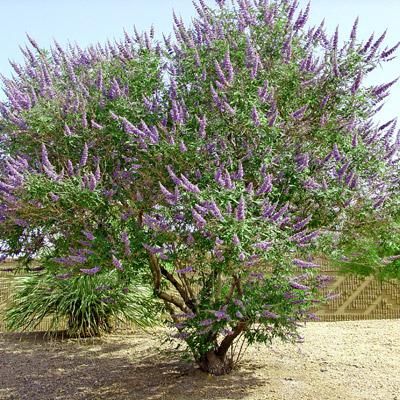 Chaste treeVitex agnus-castus
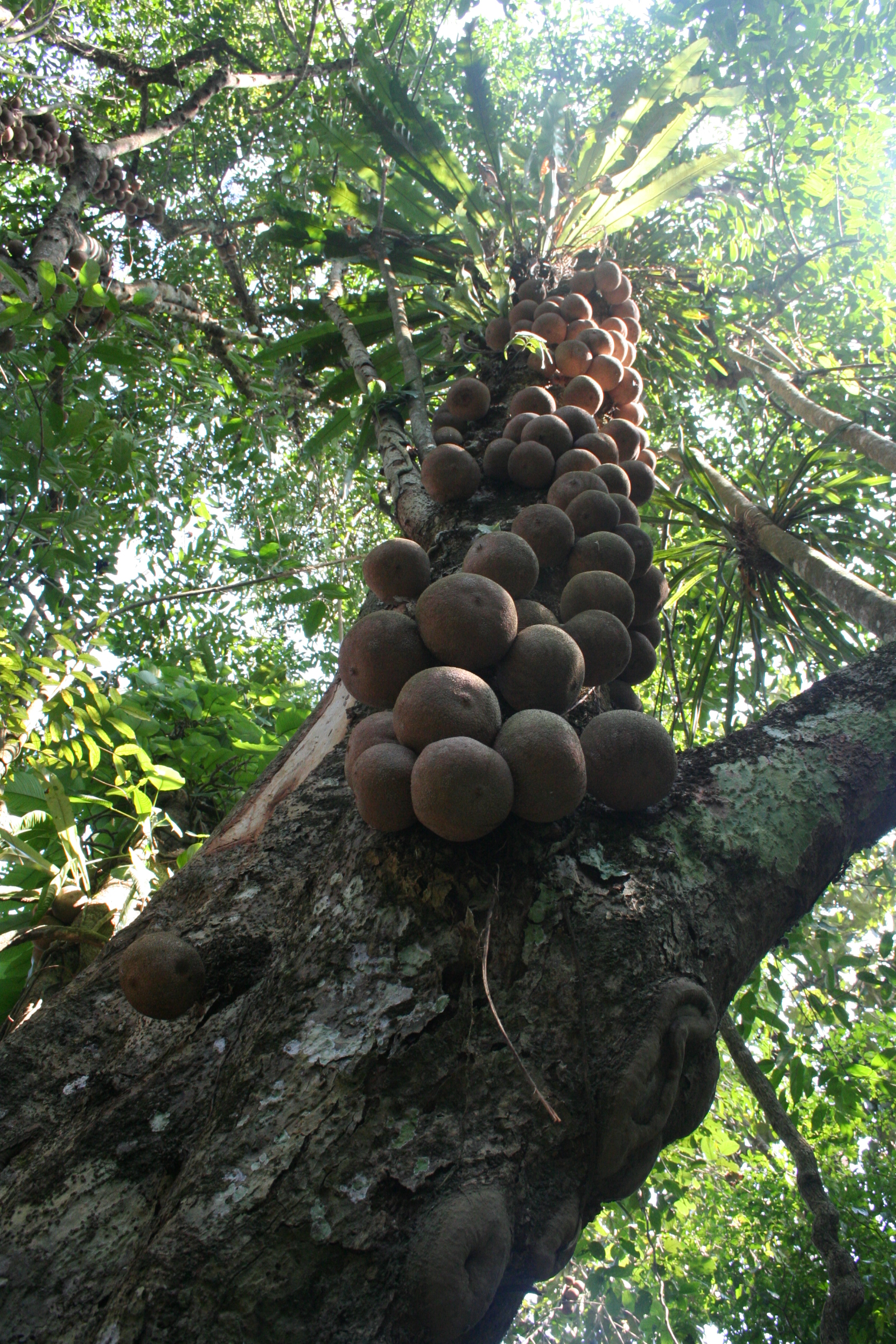 ChaulmoograGynocardia
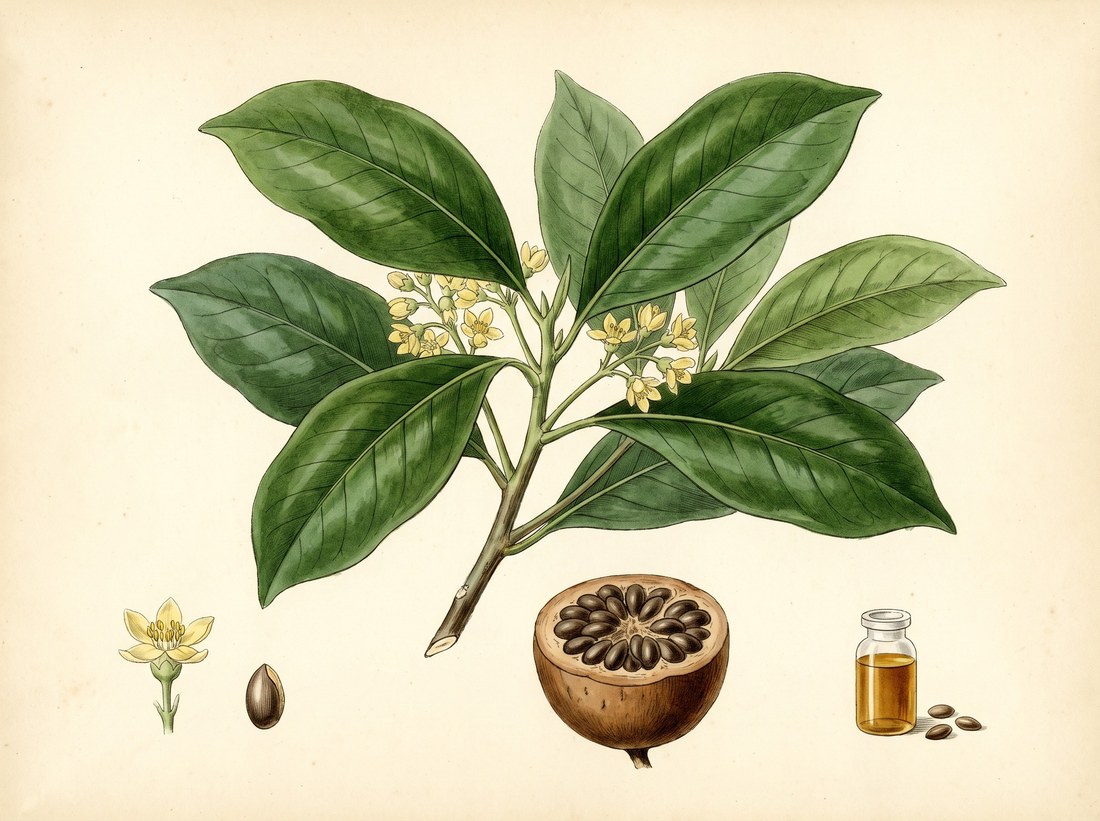 ChaulmoograHydnocarpus laurifolia
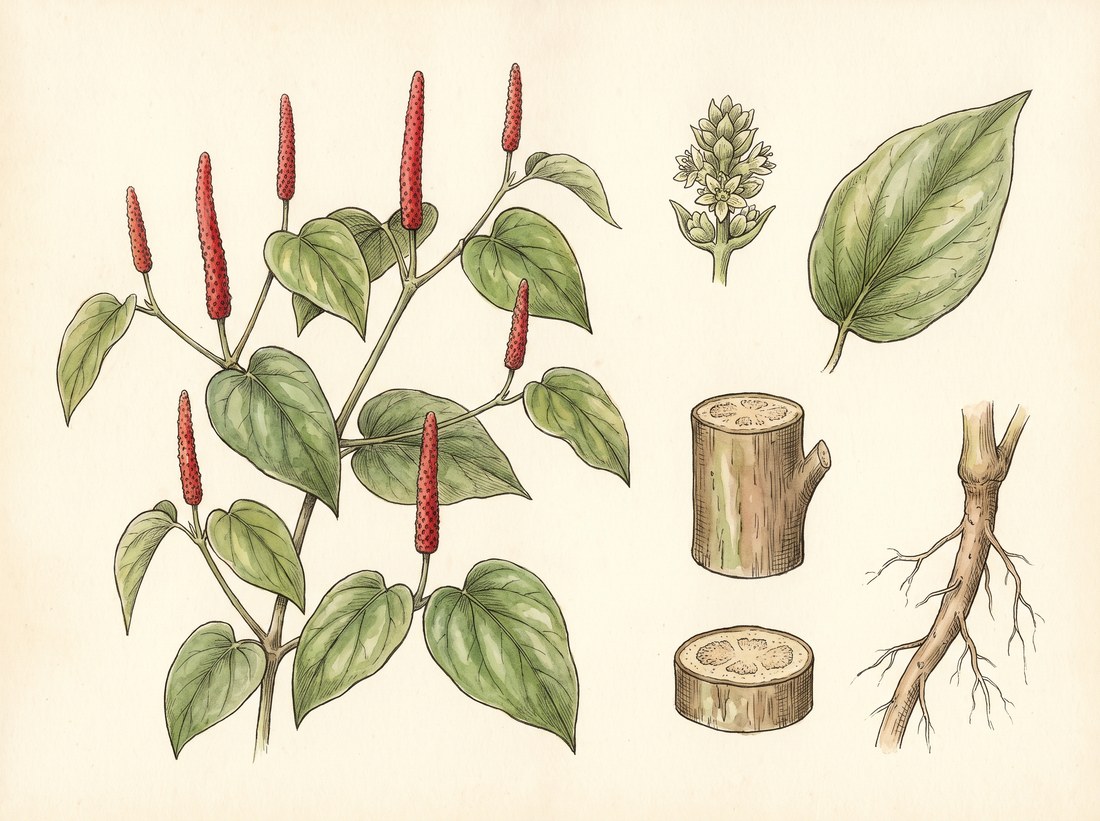 ChavyaPiper chaba
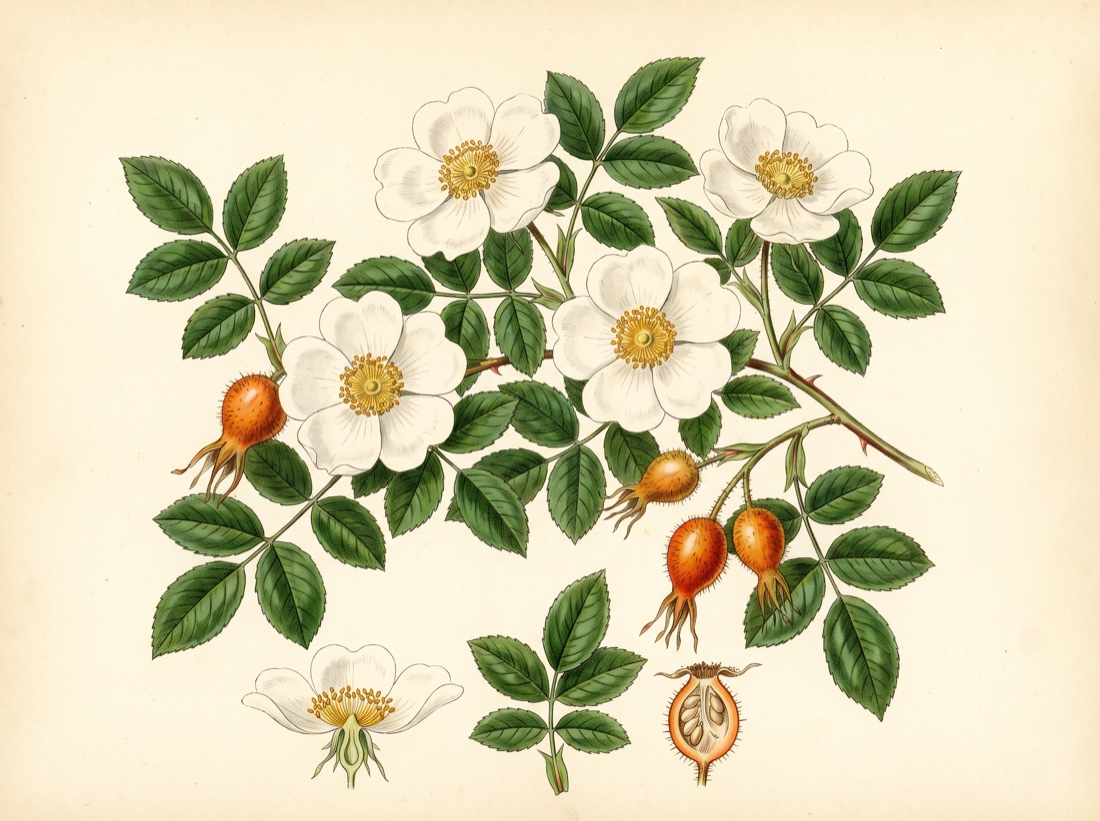 Cherokee roseRosa laevigata
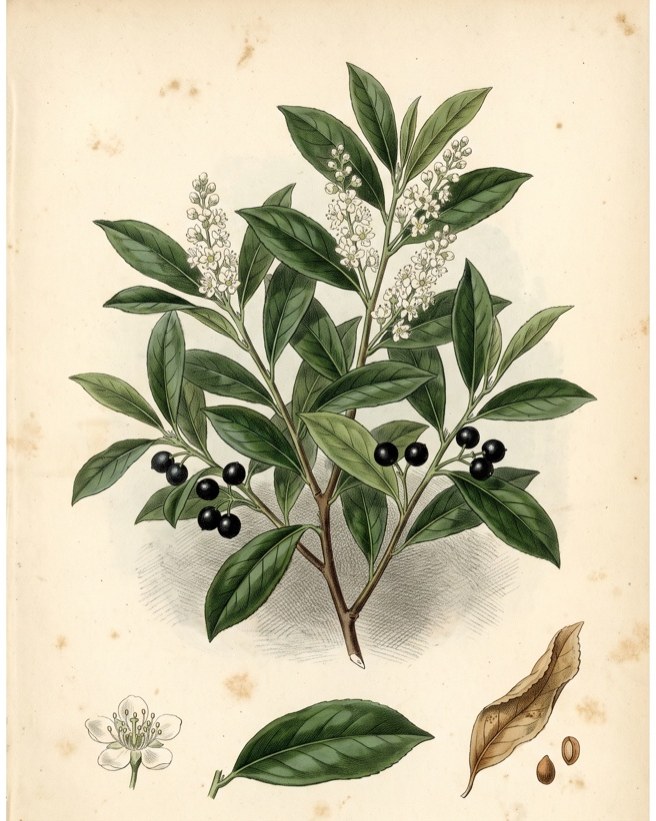 Cherry-Laurel LeavesLaurocerasi Folia
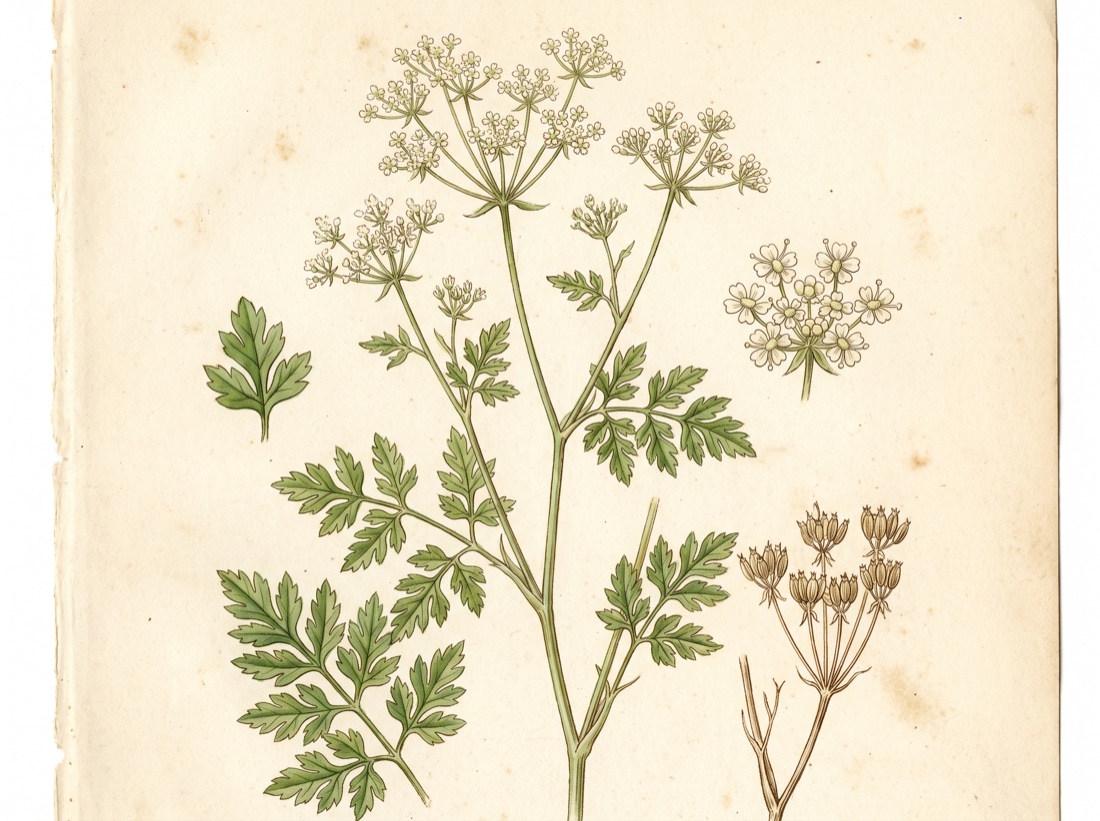 ChervilAnthriscus cerefolium
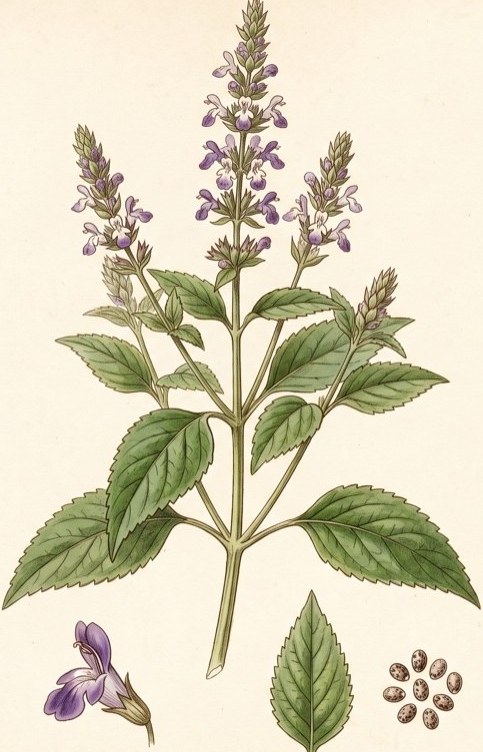 ChiaSalvia hispanica
The whole plate is in the library. The compass, Compare, the Sky of eleven hundred plants and the formulary open with an email address and a password, free, with the formula builder and its safety engine. Herbert without limit, his formulating, clients, the handouts and the labels are the paid room.
Open the library, free