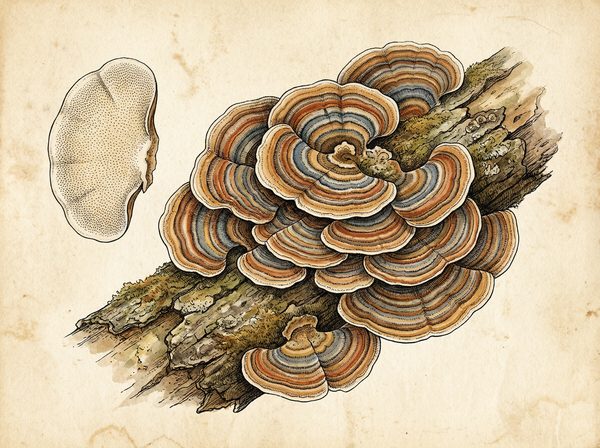
Chinese Herbalism
Turkey Tail
Trametes versicolor
Also known as yún zhī.
Approved in Japan as PSK for adjunct cancer therapy (gastric colorectal) Supports immune recovery post-chemo/radiotherapy Biological response modifier Use high-quality beta-glucan sources Phase 1 trial
Ask Herbert about Turkey Tail. Herbert is the master herbalist inside Bountiful Herbs: he answers from this plate and eleven hundred others, with dosing, pairing and cautions. Your first ten questions are free.
Ask HerbertActions
Indications what the tradition reached for it in
- HSV
- Cervical
- Gut inflammation
- Candida
- Liver disease
- HPV infections
- Hyperlipidemia
- Cancer (gastric)
- Respiratory infection
- Immunodeficiency
- Esophageal
- Psoriasis
- Hives
- Eczema
- Nasopharyngeal
- Flu
- Chronic fatigue syndrome
- Colorectal
- Breast
- Lung
- Common cold
- Uterine
- Inflammation
- Recurrent infections
- Viral infections
- Infection
- Skin conditions
- Oxidative stress
- Diabetes
- Hyperglycemia
Safety
Pregnancy: Pregnancy Caution
Breastfeeding: Lactation (source flag notSafeInLactation)
The record lists 4 contraindications; open the plate in the library to read them in full.
Dosing as the sources wrote it
| Preparation | As written | Metric |
|---|---|---|
| Dried powder/capsules | Dried powder/capsules 3-9 g/day | 3000-9000 mg |
| Decoction | Decoction 9-27 g/day | 9000-27000 mg |
| PSK/PSP extracts | PSK/PSP extracts 3 g/day | 3000-3000 mg |
| Tincture | Tincture (traditional) Phase 1 trial |
Doses are reproduced from the sources for practitioners and are not a recommendation for any person.
From the sources
Clinical Notes. Approved in Japan as PSK for adjunct cancer therapy (gastric colorectal) Supports immune recovery post-chemo/radiotherapy Biological response modifier Use high-quality beta-glucan sources Phase 1 trial
action. Coriolus versicolor (Trametes versicolor), also known as Turkey Tail, is a well-researched immune enhancing agent in Integrative Oncology and a mushroom of wide use in Japan as an adjunct to biomedical cancer treatments; aqueous extracts display a wide array of biological activities, including stimulatory effects on different immune cells and inhibition of cancer growth.
indication. In patients with Dukes B or Dukes C colorectal cancer treated with UFT plus PSK for 24 months after curative surgery and monitored up to 10 years, the 10-year survival was significantly better for patients treated with PSK, with a hazard ratio of 0.3.
indication. A meta-analysis provided strong evidence that Yun Zhi (Coriolus versicolor) would have survival benefit; in patients with breast cancer, gastric cancer, or colorectal cancer treated with chemotherapy, the effect of the combination on the overall 5-year survival rate was more evident, but not in esophageal or nasopharyngeal carcinoma.
Nearby on the shelf
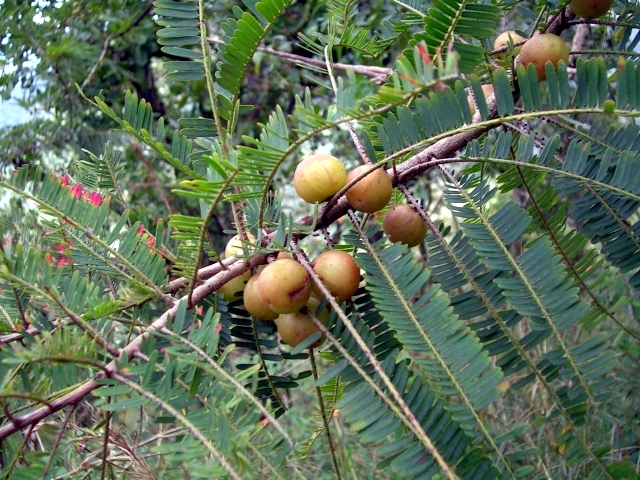 TriphalaTriphala
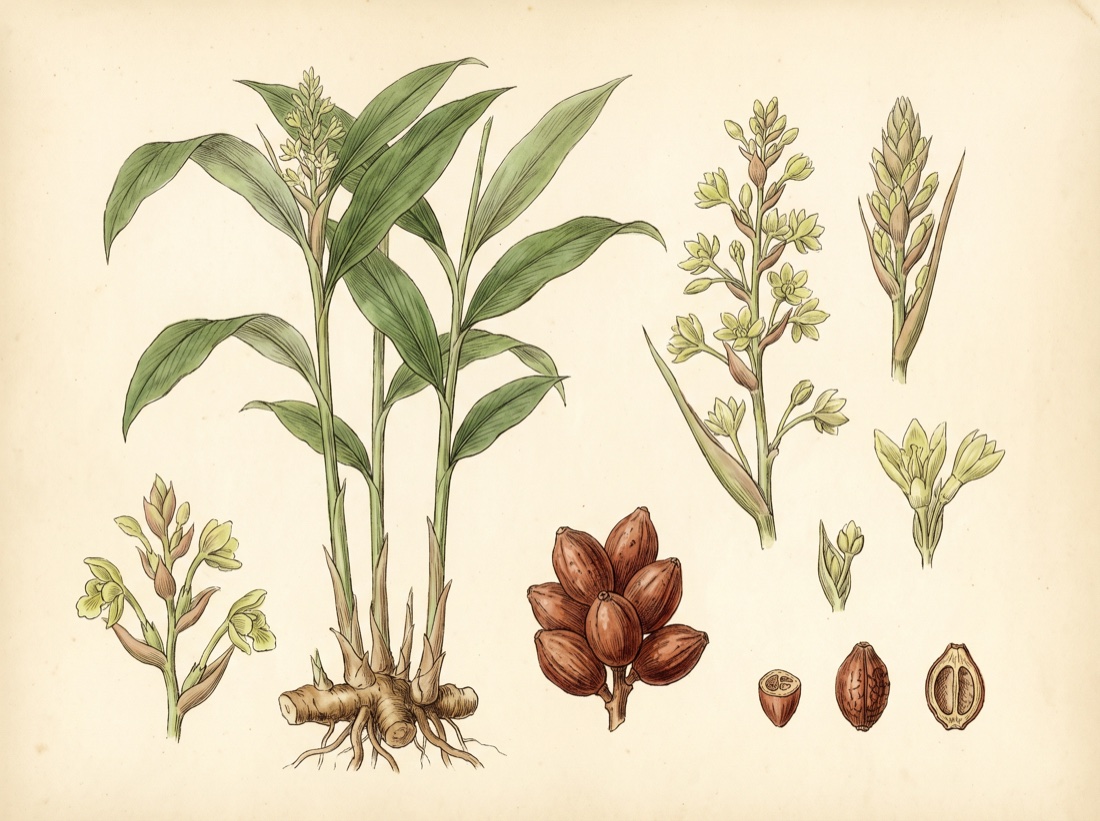 Tsao-koAmomum tsao-ko
 Tu Si ZiCuscuta chinensis
 Tulip treeLiriodendron tulipifera
 TurmericCurcuma longa
 TurpentineOleum Terebinthinae
 TurpethOperculina turpethum
 TwinleafJeffersonia diphylla
The whole plate is in the library. The compass, Compare, the Sky of eleven hundred plants and the formulary open with an email address and a password, free, with the formula builder and its safety engine. Herbert without limit, his formulating, clients, the handouts and the labels are the paid room.
Open the library, free