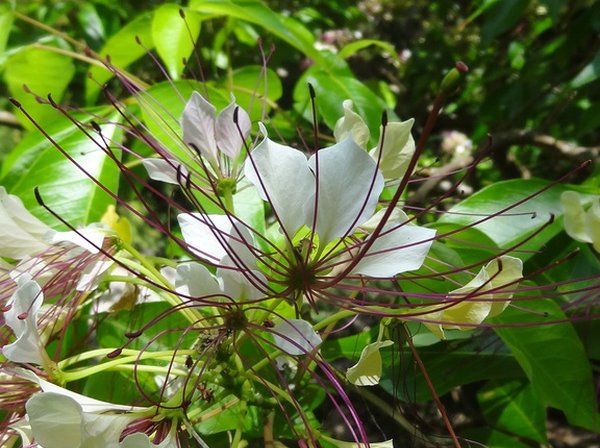
Western and Ayurvedic herbalism
Three-leaved caper
Crataeva nurvala
Also known as varuna, sacred garlic pear, temple plant, Three-leaf Caper, Crataeva, Varuna, Varana, Setu.
Crataeva nurvala is a medium sized deciduous tree with trifoliate leaves and showy cream flowers, growing along rivers and in moist forest across most of India and planted near temples, which gives it the name sacred garlic pear. The bark of the stem and root is the drug Varuna, which Ayurveda regards as the foremost lithotriptic, the herb that breaks and expels urinary stones, and as a warming, bitter diuretic for every disorder of the urinary passage. It is the first herb of Varunadi kwatha and a standard remedy in the kidney and bladder clinics of India.

Ask Herbert about Three-leaved caper. Herbert is the master herbalist inside Bountiful Herbs: he answers from this plate and eleven hundred others, with dosing, pairing and cautions. Your first ten questions are free.
Ask HerbertActions
Indications what the tradition reached for it in
- Urinary calculi and gravel (prevention and expulsion of small stones)
- Recurrent urinary tract infection
- Dysuria and painful urination
- Benign prostatic hyperplasia with hesitancy (adjunct)
- Interstitial cystitis and bladder irritability
- Edema of kapha type
- Gout with urate stones
- Chronic pyelonephritis (adjunct)
- Abdominal distension with sluggish digestion
- Boils and abscesses (leaf poultice)
- Recurrent stone formers after lithotripsy
- Urinary calculi and kidney/bladder stones (prevention and adjunct dissolution)
- Benign prostatic hyperplasia with incomplete emptying
- Neurogenic and atonic bladder with high residual urine
- Interstitial cystitis
- Dysuria
- Chronic prostatitis
Specific indications
The recurrent stone former with a heavy, damp constitution, sluggish digestion and dull loin ache, who passes gravel and cloudy urine
Dysuria with dribbling, hesitancy and a feeling of incomplete emptying in an older man with an enlarged prostate
Recurrent cystitis in a kapha patient with edema of the ankles and a coated tongue, when a warming diuretic is wanted rather than a cooling one
Post lithotripsy patients who need to clear fragments and reduce the chance of the next stone
Safety
Pregnancy: Use with care in pregnancy
Breastfeeding: Use with care while breastfeeding
The record lists 7 contraindications; open the plate in the library to read them in full.
In practice
The Ayurvedic practitioner gives Varuna whenever kapha or ama has settled in the urinary tract: stones and gravel, cloudy urine, a dull ache in the loins, dysuria with dribbling, and the swelling that follows sluggish kidneys.
In Ayurveda
Rasa: tikta (bitter), kashaya (astringent). Virya: ushna (heating). Vipaka: katu (pungent). Guna: laghu (light), ruksha (dry). Dosha: pacifies kapha and vata; may aggravate pitta in excess. Prabhava: ashmarighna, the specific action of breaking and expelling urinary stones for which Varuna is the principal classical drug. Karma: ashmarighna (lithotriptic, breaks urinary stones); mutrala (diuretic); mutravirechaniya (promotes urine flow); deepana (kindles digestion); shothahara (reduces swelling); bhedana (breaks up masses and moves the bowels); krimighna (anthelmintic); raktashodhaka (purifies blood); vranaropana (heals wounds); vidradhihara (resolves abscess); kaphavatahara (reduces kapha and vata). Classical indications: ashmari (urinary calculi); mutrakrichchhra (dysuria); mutraghata (urinary retention and obstruction); sharkara (gravel); vidradhi (internal abscess); gulma (abdominal mass); shotha (edema); krimi (worms); vatarakta (gout); pliha vriddhi (splenomegaly); prameha (urinary disorders); vrana (wounds, as a paste). The stem bark is the pharmacopoeial drug, given chiefly as kwatha, either alone or as the lead herb of Varunadi kwatha, and as coarse churna; the root bark is used similarly, and the leaves are eaten as a bitter vegetable and applied as a poultice to swellings. Varunadi ghrita is the medicated ghee for chronic urinary disease. Classical formulations: Varunadi kwatha, Varunadi ghrita, Varunashigru kwatha, Varunadi vati, Varuna twak churna, Ashmarihara kashaya (regional versions), Gokshuradi guggulu (regional additions). Described in: Charaka Samhita, Sushruta Samhita, Ashtanga Hridaya, Bhavaprakasha Nighantu, Dhanvantari Nighantu, Raja Nighantu, Kaiyadeva Nighantu, Ayurvedic Pharmacopoeia of India.
Dosing as the sources wrote it
| Preparation | As written | Metric |
|---|---|---|
| Kwatha | 50-100 mL decoction twice daily | 50-100 mL |
| Churna | 3-6 g powdered bark twice daily with warm water | 3000-6000 mg |
| Ghrita | 5-10 g medicated ghee daily | 5000-10000 mg |
| Kalka, topical | 5-10 g warm leaf paste applied to boils and swellings | 5000-10000 mg |
| Tincture (1:5, 45%) | 3-5 mL three times daily | 3-5 mL |
| Dried bark decoction | Dried bark decoction: 3-10 g/day | 3000-10000 mg |
Doses are reproduced from the sources for practitioners and are not a recommendation for any person.
From the sources
Overview. Crataeva nurvala is a medium sized deciduous tree with trifoliate leaves and showy cream flowers, growing along rivers and in moist forest across most of India and planted near temples, which gives it the name sacred garlic pear. The bark of the stem and root is the drug Varuna, which Ayurveda regards as the foremost lithotriptic, the herb that breaks and expels urinary stones, and as a warming, bitter diuretic for every disorder of the urinary passage. It is the first herb of Varunadi kwatha and a standard remedy in the kidney and bladder clinics of India.
Clinical Notes. The Ayurvedic practitioner gives Varuna whenever kapha or ama has settled in the urinary tract: stones and gravel, cloudy urine, a dull ache in the loins, dysuria with dribbling, and the swelling that follows sluggish kidneys.
primary-actions. Varuna acts primarily as: Antilithic (anti-urolithiasis), Bladder tonic, Anti-inflammatory, Diuretic, Antimicrobial, Demulcent to urinary tract, Choleretic. Secondary actions include Tone the bladder and urinary tract, Dissolve and prevent stones, Reduce prostatic and bladder inflammation, Restore detrusor tone.
indications. Varuna is traditionally indicated for: Urinary calculi and kidney/bladder stones (prevention and adjunct dissolution), Benign prostatic hyperplasia with incomplete emptying, Neurogenic and atonic bladder with high residual urine, Recurrent urinary tract infection, Interstitial cystitis, Dysuria, Chronic prostatitis.
In formulas
Three-leaved caper stands in 5 documented formulas in the library, among them Kāṅcanāra Guggulu, Dhānvantara Ghṛta, Prabhaṅjana Vimardana Taila, Viṣatinduka Taila, Vastyāmayāntaka Ghṛta.
Often paired with
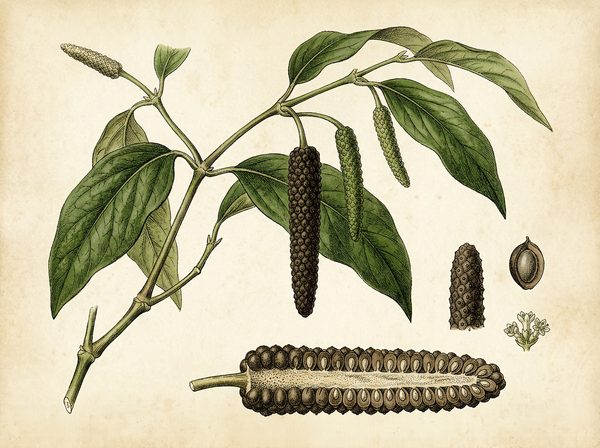 long pepperPiper longum
 chebulic myrobalanTerminalia chebula
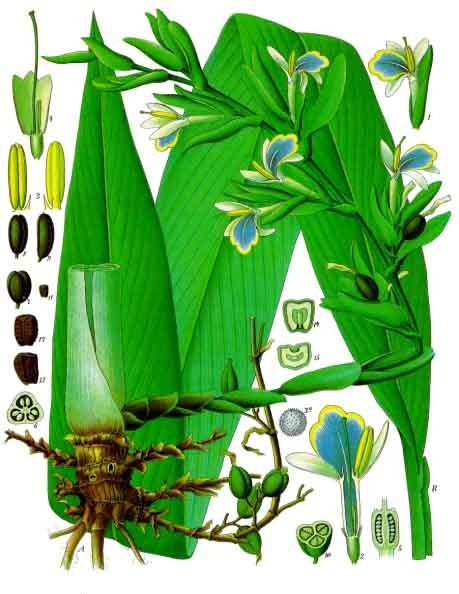 cardamomElettaria cardamomum
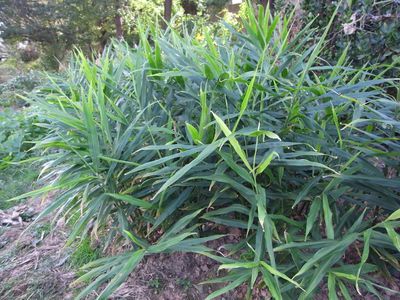 GingerZingiber officinale
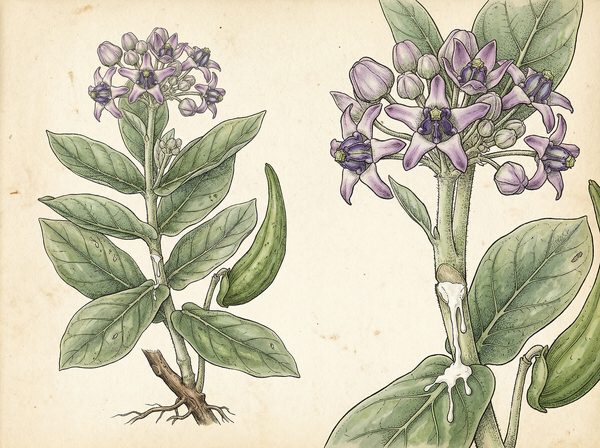 crown flowerCalotropis gigantea
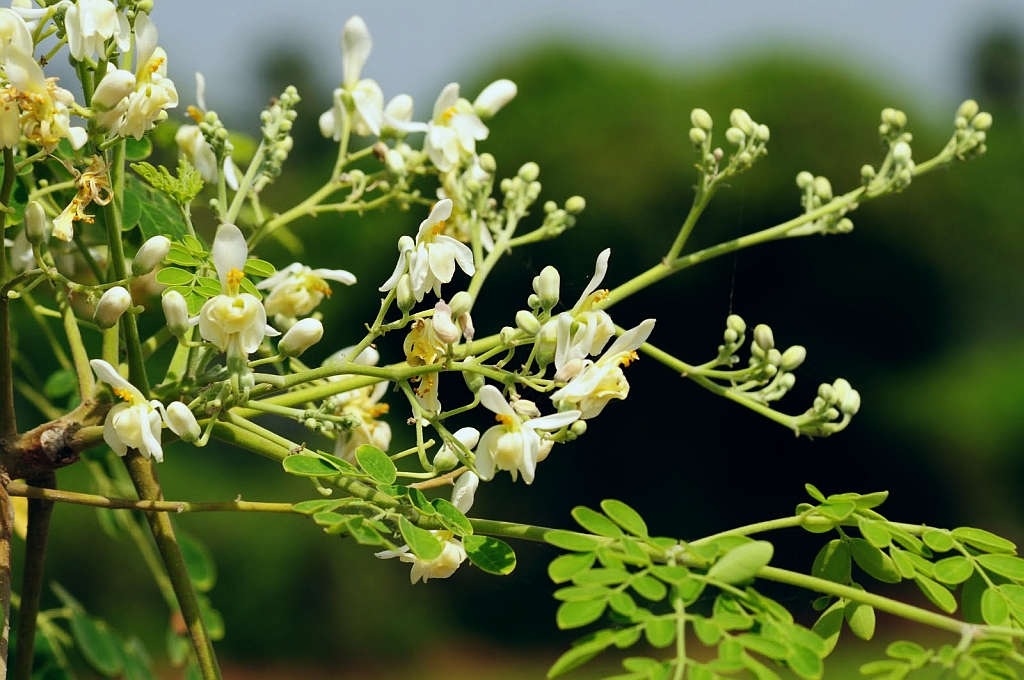 moringaMoringa oleifera
Nearby on the shelf
 ThapsiaThapsia garganica
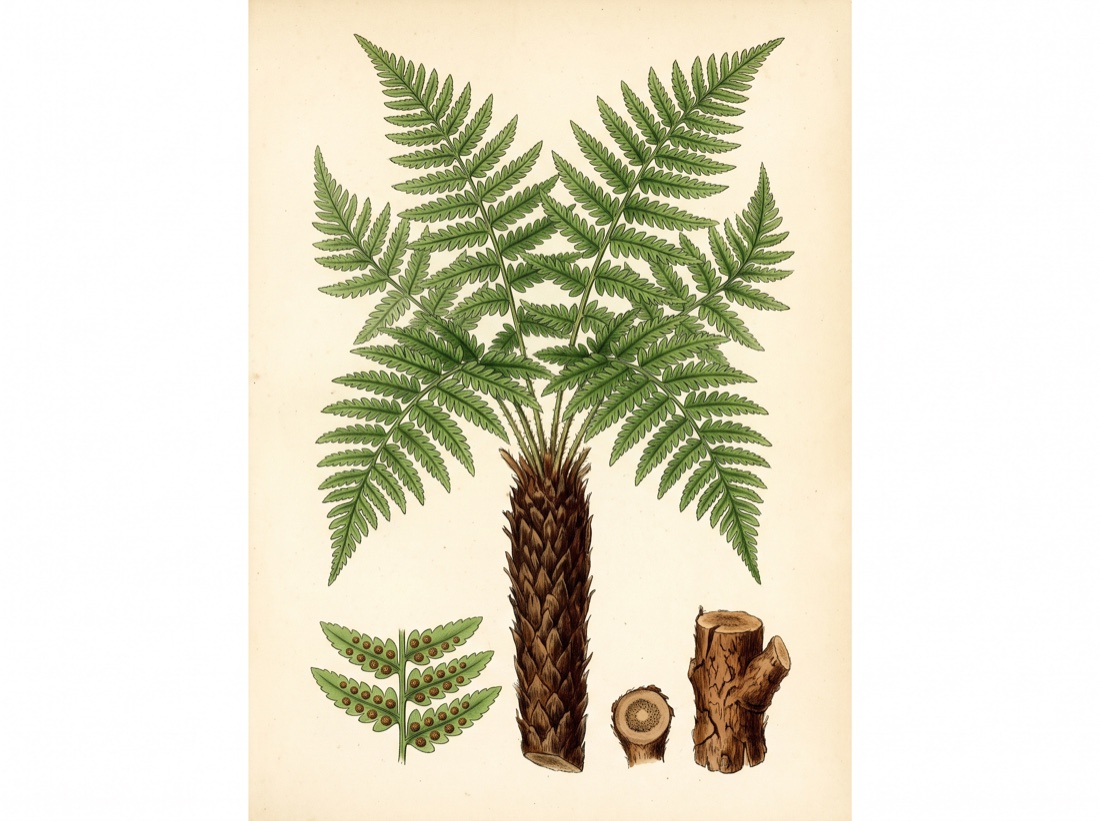 Thick-stemmed wood fernDryopteris crassirhizoma
 ThimbleweedRudbeckia laciniata
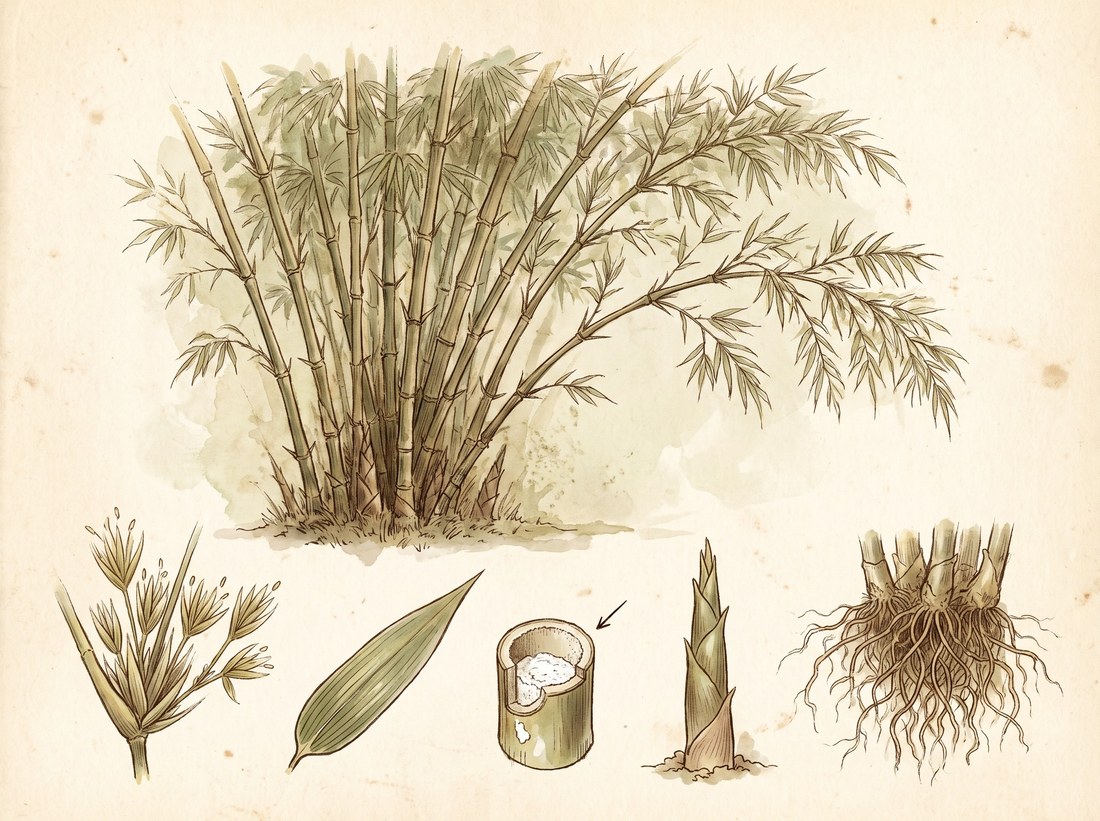 Thorny bambooBambusa arundinacea
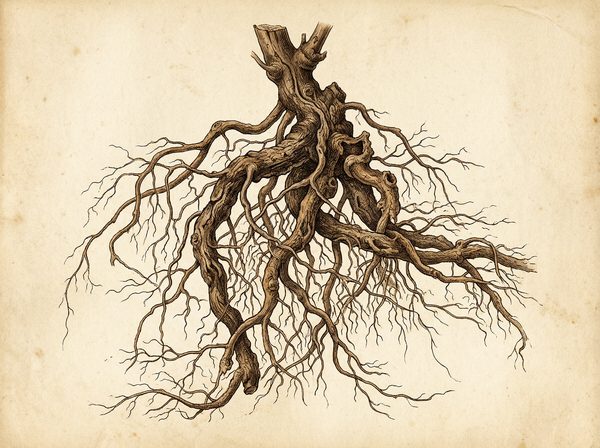 Thunder god vineTripterygium wilfordii
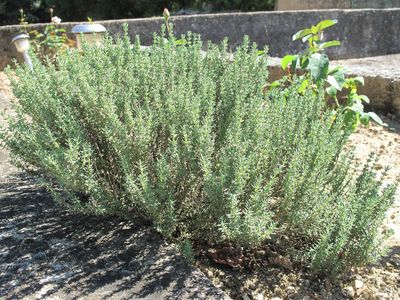 ThymeThymus vulgaris
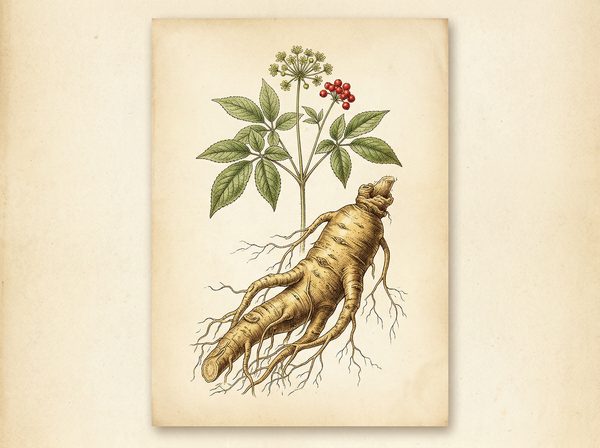 Tienchi GinsengPanax notoginseng
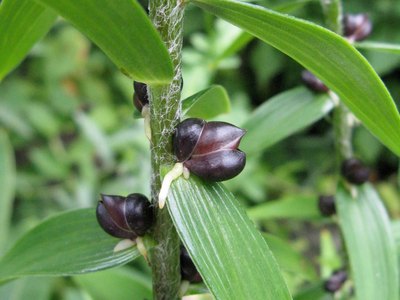 Tiger LilyLilium tigrinum
The whole plate is in the library. The compass, Compare, the Sky of eleven hundred plants and the formulary open with an email address and a password, free, with the formula builder and its safety engine. Herbert without limit, his formulating, clients, the handouts and the labels are the paid room.
Open the library, free