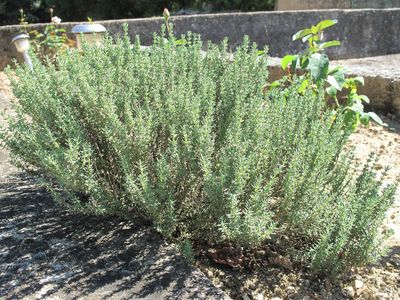
Western Herbalism
Thyme
Thymus vulgaris
Also known as Common Thyme, French Thyme, Garden Thyme, Frag, Thyme thymol chemotype.
Often added to mouthwash or used as gargle for gum disease, halitosis, mouth ulcers or thrush Use diluted essential oil in carrier or make wash for bacterial or fungal skin infections

Ask Herbert about Thyme. Herbert is the master herbalist inside Bountiful Herbs: he answers from this plate and eleven hundred others, with dosing, pairing and cautions. Your first ten questions are free.
Ask HerbertActions
Indications what the tradition reached for it in
- Colic
- Constipation (spastic)
- Upper respiratory infection (w/ spastic cough)
- Flatulence
- Tonsillitis
- Pharyngitis
- Laryngitis
- Bronchitis
- Asthma
- Gastrointestinal cramps
- Urinary tract infection
- Gas/bloating
- Gum disease
- Irritable bowel syndrome
- Cough (spastic)
- Halitosis
- Thrush
- Leukoplakia
- Gastrointestinal spasms
- Pertussis
- Sore throat
- Mouth ulcer
- Abdominal distension
- Bloating
- Cough
- Cramps
- Digestive discomfort
- Gas
- Infection
- Muscle spasms
Safety
Pregnancy: Limited safety data in pregnancy
Breastfeeding: Use with care while breastfeeding
The record lists 3 contraindications; open the plate in the library to read them in full.
Dosing as the sources wrote it
| Preparation | As written | Metric |
|---|---|---|
| Infusion | 1 tsp/c TID | |
| Tincture (1:2-1:3) | 1-3 ml TID | 1-3 mL |
| Essential oil | 1-3 gtts BID | 0.03-0.09 mL |
| Steam inhalation | add 2-3 gtts of essential oil or 1-2 pinches of dry herb to boiling water | 0.06-0.09 mL |
| UTI | drink tea daily during infection and 1 wk after symptoms clear | |
| Dried herb 1-4 g as an infusion three times daily | 1000-4000 mg |
Doses are reproduced from the sources for practitioners and are not a recommendation for any person.
From the sources
Clinical Notes. Often added to mouthwash or used as gargle for gum disease, halitosis, mouth ulcers or thrush Use diluted essential oil in carrier or make wash for bacterial or fungal skin infections
Properties and Uses. This herb is a pleasant diffusive aromatic, stimulating and relaxant, acting as a carminative and mild emmenagogue. It may be used in recent colds, menstruation obstructed and painful from exposure, colic, and general flatulence. A warm infusion may be used freely, and gently promotes perspiration; and the action of the plant is similar to that of pennyroyal. Medical Herbalism journal and medherb.com 502 The Physiomedical Dispensatory by William Cook, M.D., 1869
Action, Medical Uses, and Dosage. Thymol is an antiseptic and disinfectant, and is considered by many who have experimented with it, to be superior, in these respects, to carbolic acid. By destroying the vitality of organized and living ferments, it prevents the occurrence of putrefaction, and arrests it when it has commenced.
Description. Thymol, as described by the U. S. P., forms "large, colorless, translucent crystals of the hexagonal system, having an aromatic, thyme-like odor, and a pungent, aromatic taste, with a very slight caustic effect upon the lips.
Drawn from Cook's Physio-Medical Dispensatory; King's American Dispensatory, 18th edition (Felter and Lloyd), and the Bountiful Herbs editorial.
In formulas
Thyme stands in 9 documented formulas in the library, among them Chronic Bronchitis Formula, Antimicrobial Formula.
Often paired with
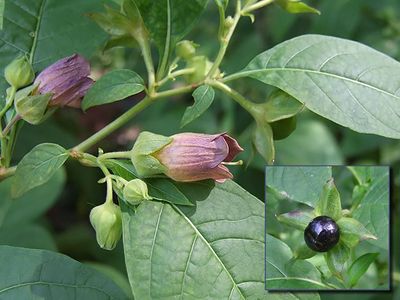 Deadly nightshadeAtropa belladonna
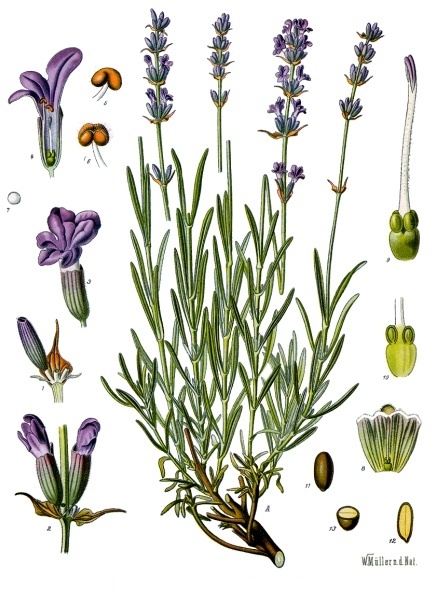 LavenderLavandula spp.
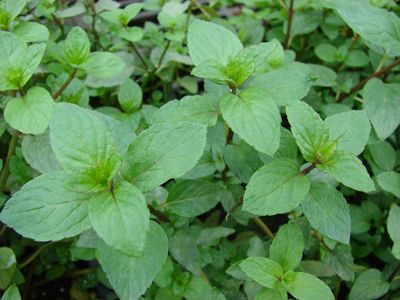 PeppermintMentha piperita
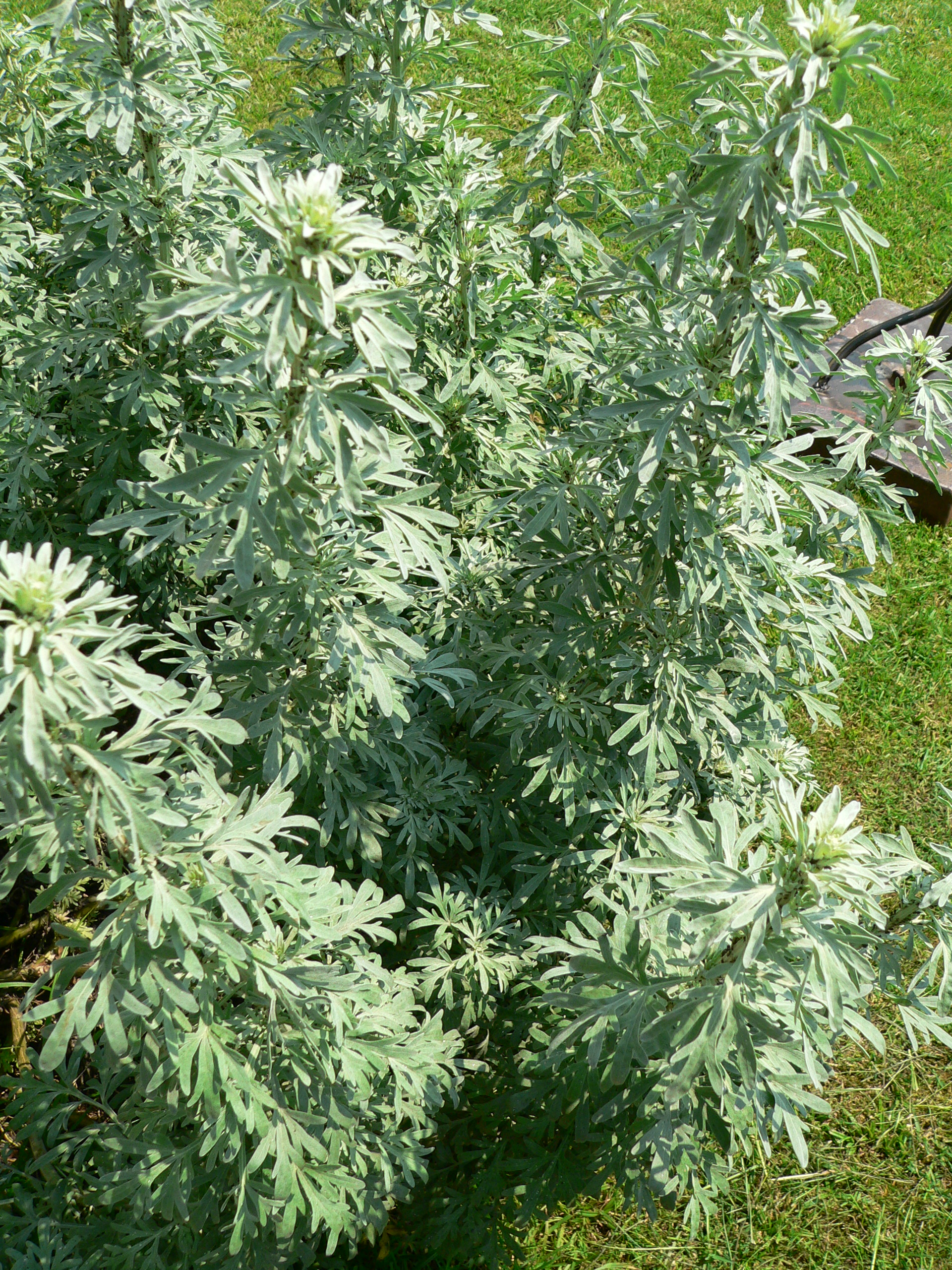 WormwoodArtemisia absinthium
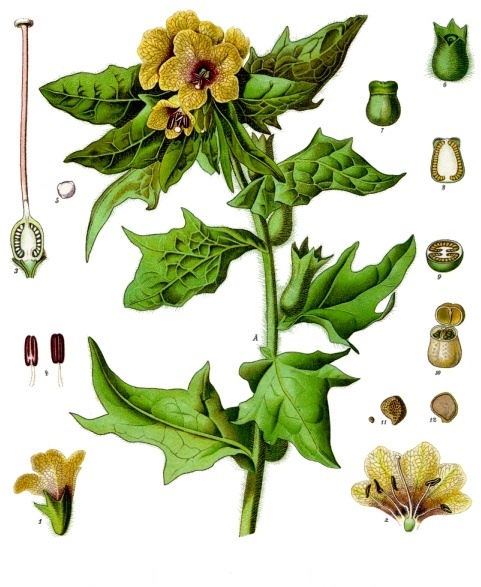 HenbaneHyoscyamus niger
 RosemaryRosmarinus officinalis
Nearby on the shelf
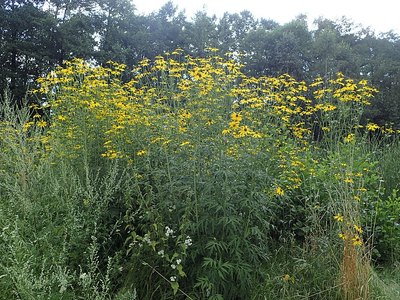 ThimbleweedRudbeckia laciniata
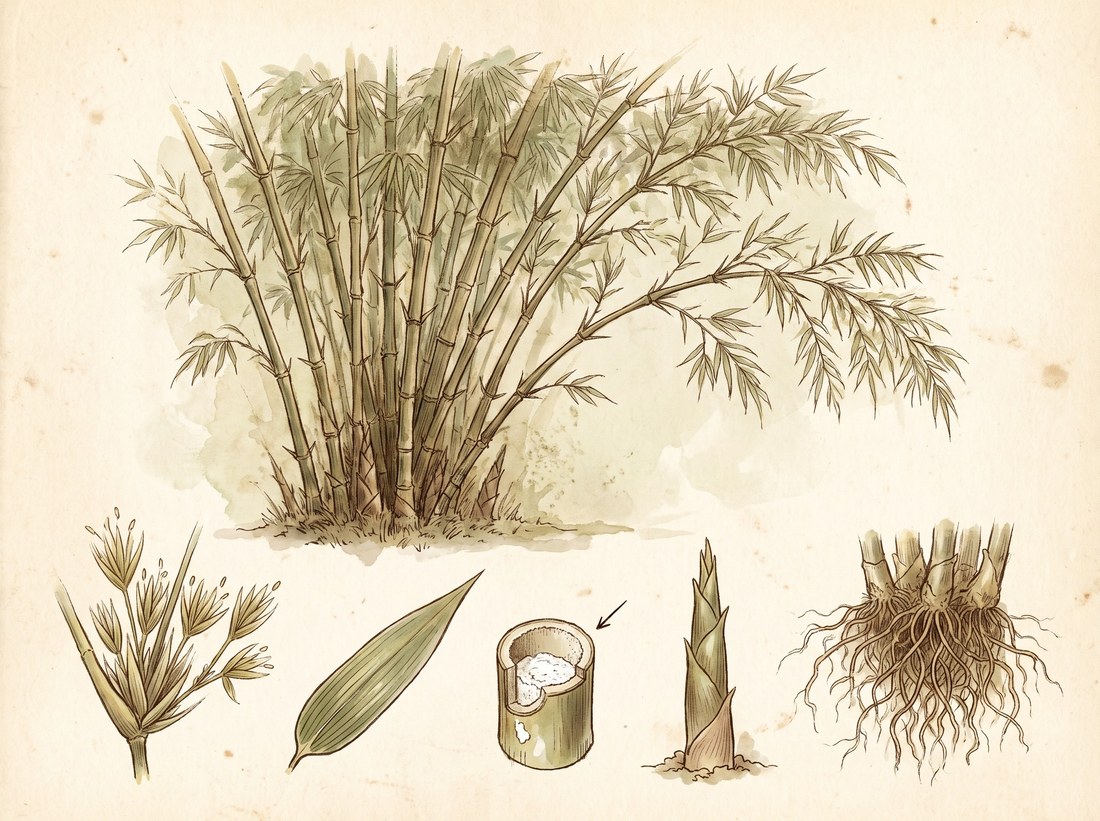 Thorny bambooBambusa arundinacea
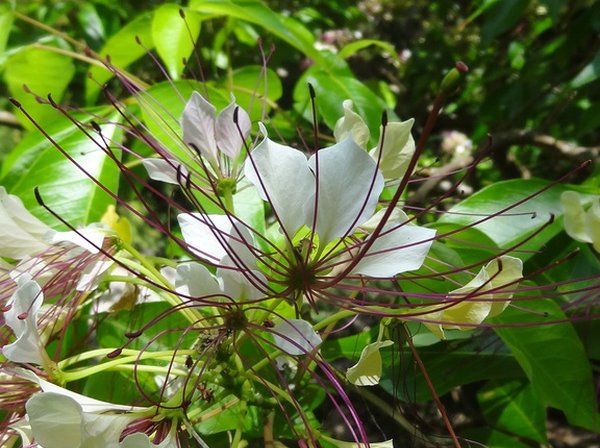 Three-leaved caperCrataeva nurvala
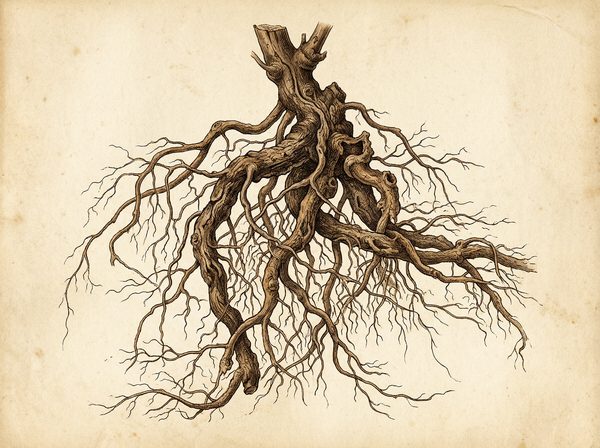 Thunder god vineTripterygium wilfordii
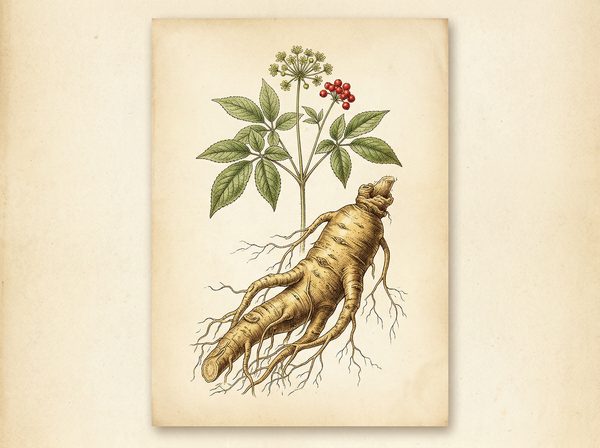 Tienchi GinsengPanax notoginseng
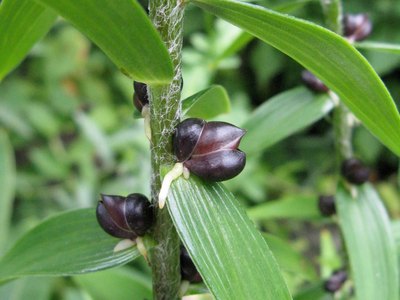 Tiger LilyLilium tigrinum
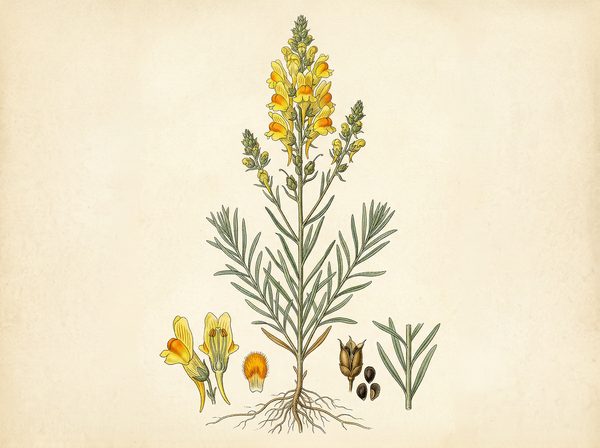 ToadflaxLinaria vulgaris
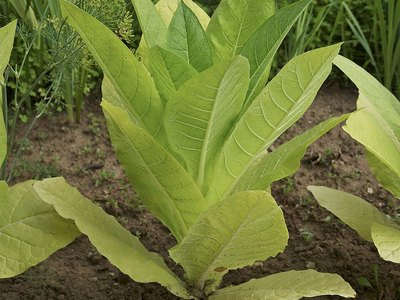 TobaccoNicotiana tabacum
The whole plate is in the library. The compass, Compare, the Sky of eleven hundred plants and the formulary open with an email address and a password, free, with the formula builder and its safety engine. Herbert without limit, his formulating, clients, the handouts and the labels are the paid room.
Open the library, free