Ayurvedic Herbalism
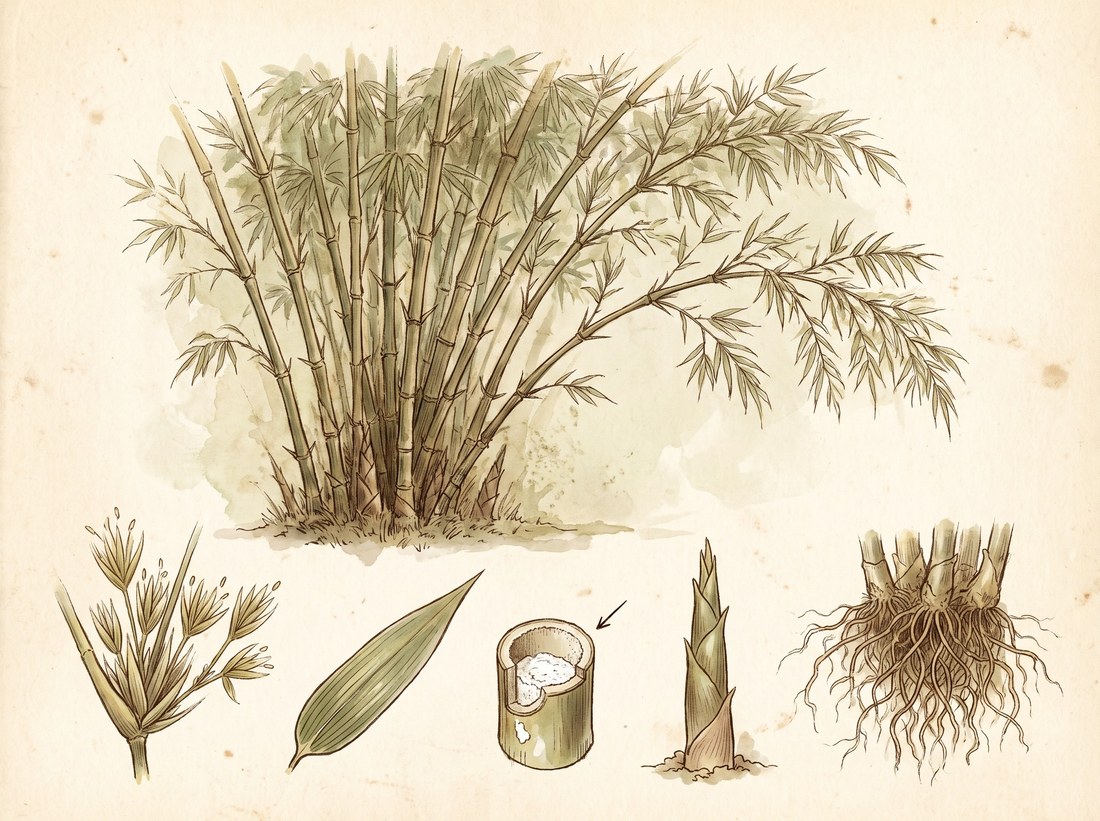
Thorny bamboo
Bambusa arundinacea
Also known as giant thorny bamboo, spiny bamboo, Indian thorny bamboo, tabasheer (the siliceous exudate), Vamsha, Vamshalochana, Venu.
Bambusa arundinacea is the giant thorny bamboo of the Indian plains and deciduous forests, forming dense spiny clumps up to thirty meters tall along rivers and in the moist forests of the Western Ghats, central India, Bengal and the northeast, and planted everywhere for timber. Ayurveda uses the leaf, shoot, root and seed, but the treasured drug is Vamshalochana, the chalky silica concretion that forms inside the hollow culms, a sweet cooling tonic for cough, wasting, fever and bleeding that leads the classical pectoral powders Sitopaladi and Talisadi. Most Vamshalochana in the market today is a synthetic silica substitute, which is the first thing a practitioner must know.

Ask Herbert about Thorny bamboo. Herbert is the master herbalist inside Bountiful Herbs: he answers from this plate and eleven hundred others, with dosing, pairing and cautions. Your first ten questions are free.
Ask HerbertActions
Indications what the tradition reached for it in
- Dry cough and cough after fever
- Chronic bronchitis and asthma with debility
- Convalescence after respiratory infection
- Tuberculosis and wasting (supportive, traditional)
- Fever with thirst and burning
- Bleeding from nose, gums or lungs in heat
- Weak hair, nails and connective tissue (silica)
- Scanty or painful menstruation (leaf decoction)
- Painful urination with heat (leaf)
- Constipation with sluggish bowel (young shoot)
Specific indications
A thin, feverish patient with a dry, hacking cough after a chest infection, a hot chest and poor appetite, for whom Sitopaladi with Vamshalochana is the classic remedy
A pitta patient with recurrent nosebleeds or bleeding gums, thirst and burning, who needs a sweet cooling astringent that also strengthens
A woman with scanty, delayed, crampy periods and a cold, sluggish pelvis, where the leaf decoction (never in pregnancy) is the traditional emmenagogue
Safety
The record lists 6 contraindications; open the plate in the library to read them in full.
In practice
Vamshalochana is the gentle strengthener of the respiratory shelf: sweet, cooling, light and dry, it soothes the hot, tired chest, checks bleeding and builds rasa and shukra without adding heat, which is why the classical texts give it in kshaya and rajayakshma.
In Ayurveda
Rasa: madhura (sweet), kashaya (astringent). Virya: sheeta (cooling). Vipaka: madhura (sweet). Guna: laghu (light), ruksha (dry). Dosha: Vamshalochana pacifies pitta and kapha and is tolerated by vata; the leaf and shoot are more drying and stimulate vata. Karma: balya (strengthening); brimhana (nourishing); vrishya (aphrodisiac); kasahara (relieves cough); shvasahara (relieves dyspnea); jvaraghna (relieves fever); raktastambhana (stops bleeding); dahaprashamana (relieves burning); trishnanigrahana (relieves thirst); mutrala (diuretic, leaf); artavajanana (promotes menstruation, leaf and shoot). Classical indications: kasa (cough); shvasa (dyspnea); kshaya (wasting, consumption); rajayakshma (tuberculosis-like wasting); jvara (fever); raktapitta (bleeding disorders); daha (burning); trishna (thirst); daurbalya (weakness); mutrakricchra (painful urination); kashtartava (painful or scanty menstruation, leaf); vrana (wounds, leaf and root). The prized drug is Vamshalochana, the white siliceous concretion found in the hollow internodes of old culms, given as a fine powder with honey, ghee or sugar and as a key component of the pectoral churnas and Chyawanprash; the leaf is used as kwatha for menstrual and urinary complaints, the tender shoot as a laxative and vegetable, and the root as a paste for joint pain. Classical formulations: Sitopaladi churna, Talisadi churna, Chyawanprash, Lavangadi churna, Vamshalochana churna, Eladi churna, Vamsha patra kwatha. Described in: Charaka Samhita, Sushruta Samhita, Ashtanga Hridaya, Bhavaprakasha Nighantu, Dhanvantari Nighantu, Raja Nighantu, Sharngadhara Samhita, Kaiyadeva Nighantu, Ayurvedic Pharmacopoeia of India.
Dosing as the sources wrote it
| Preparation | As written | Metric |
|---|---|---|
| Vamshalochana churna | 0.5-2 g powdered exudate twice daily with honey or ghee | 500-2000 mg |
| Sitopaladi churna | 1-3 g compound powder two or three times daily with honey | 1000-3000 mg |
| Kwatha (leaf) | 50-100 mL leaf decoction twice daily, not in pregnancy | 50-100 mL |
| Kalka, topical (root) | 5-10 g root paste applied to painful joints daily | 5000-10000 mg |
Doses are reproduced from the sources for practitioners and are not a recommendation for any person.
From the sources
Overview. Bambusa arundinacea is the giant thorny bamboo of the Indian plains and deciduous forests, forming dense spiny clumps up to thirty meters tall along rivers and in the moist forests of the Western Ghats, central India, Bengal and the northeast, and planted everywhere for timber. Ayurveda uses the leaf, shoot, root and seed, but the treasured drug is Vamshalochana, the chalky silica concretion that forms inside the hollow culms, a sweet cooling tonic for cough, wasting, fever and bleeding that leads the classical pectoral powders Sitopaladi and Talisadi. Most Vamshalochana in the market today is a synthetic silica substitute, which is the first thing a practitioner must know.
Clinical Notes. Vamshalochana is the gentle strengthener of the respiratory shelf: sweet, cooling, light and dry, it soothes the hot, tired chest, checks bleeding and builds rasa and shukra without adding heat, which is why the classical texts give it in kshaya and rajayakshma.
Ayurvedic Profile. Rasa: madhura (sweet), kashaya (astringent). Virya: sheeta (cooling). Vipaka: madhura (sweet). Guna: laghu (light), ruksha (dry). Dosha: Vamshalochana pacifies pitta and kapha and is tolerated by vata; the leaf and shoot are more drying and stimulate vata.
In formulas
Thorny bamboo stands in 18 documented formulas in the library, among them Kaṇṭakāryavaleha, Cyavanaprāśa, Jīrakādi Modaka, Drākṣāvaleha, Nārikela Khaṇḍa, Pūgakhaṇḍa.
Often paired with
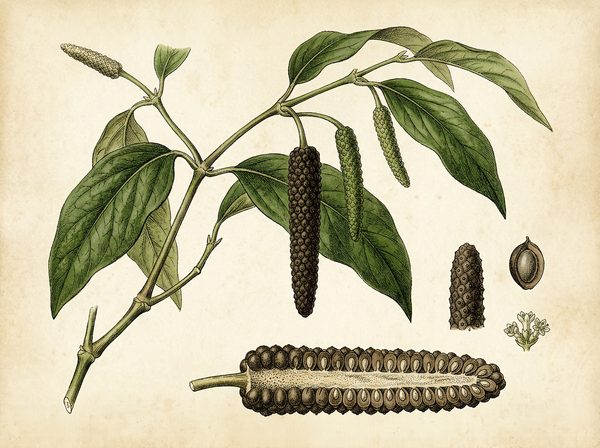 long pepperPiper longum
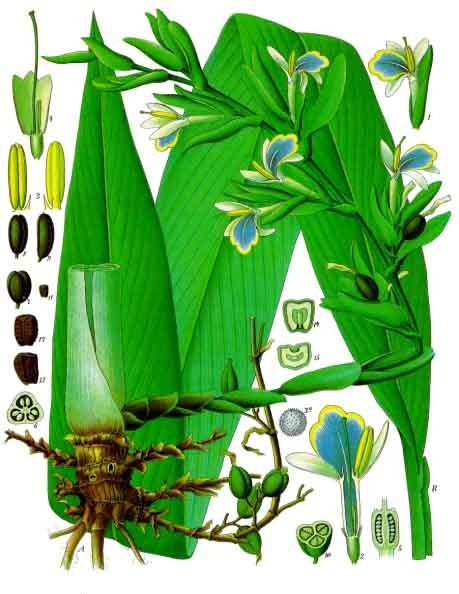 cardamomElettaria cardamomum
 Ceylon cinnamonCinnamomum zeylanicum
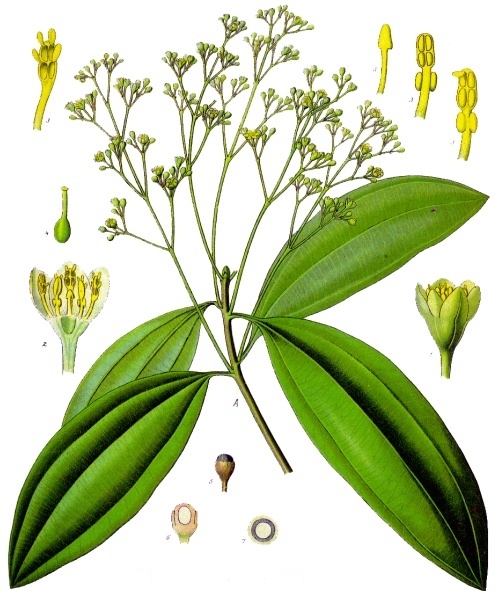 Indian bay leafCinnamomum tamala
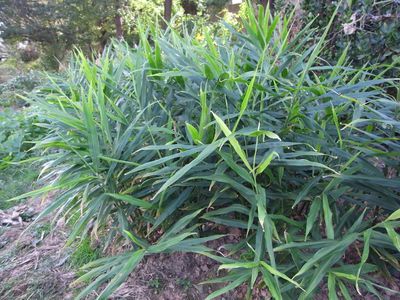 GingerZingiber officinale
 nut grassCyperus rotundus
Nearby on the shelf
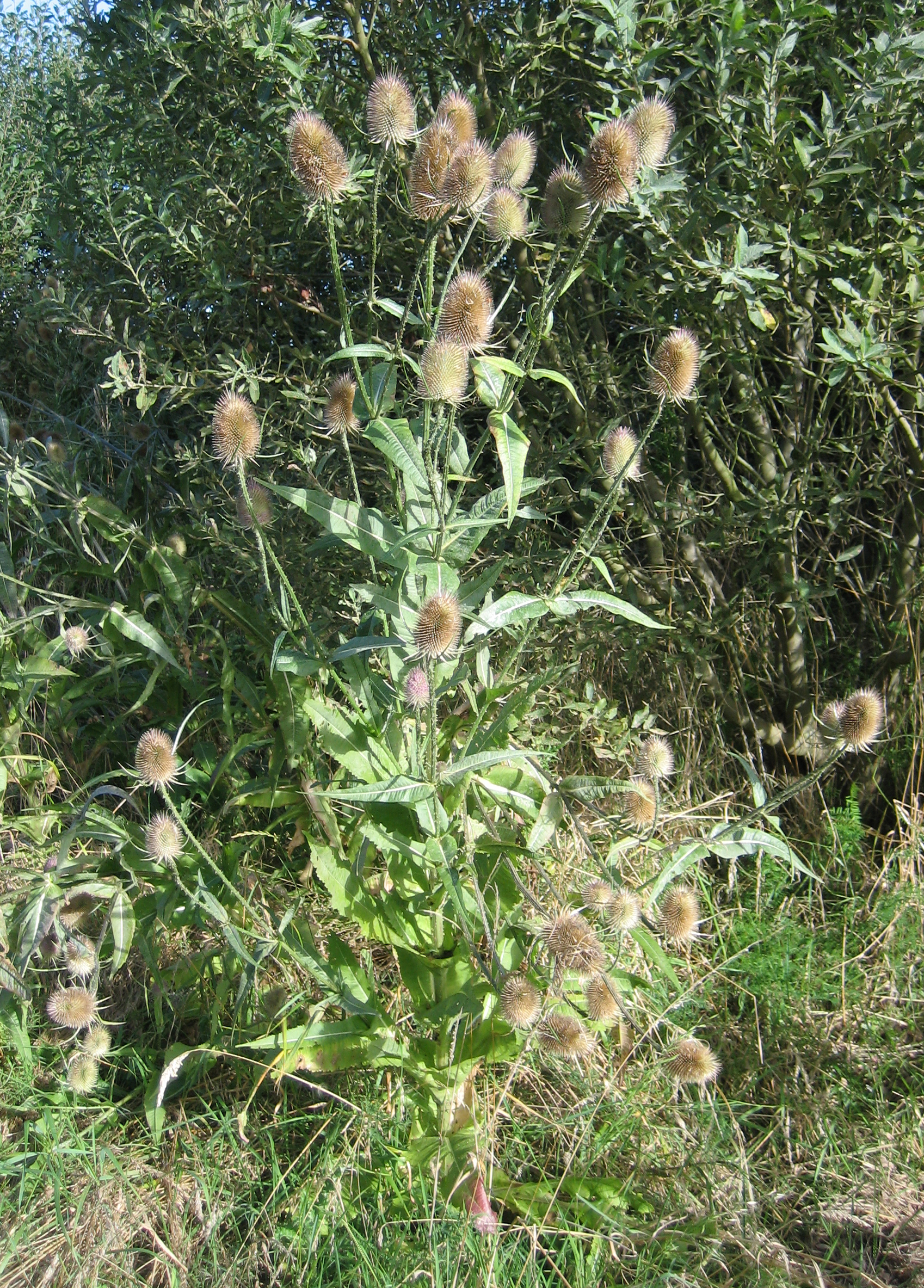 TeaselDipsacus fullonum
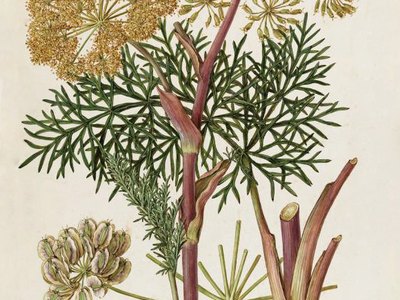 ThapsiaThapsia garganica
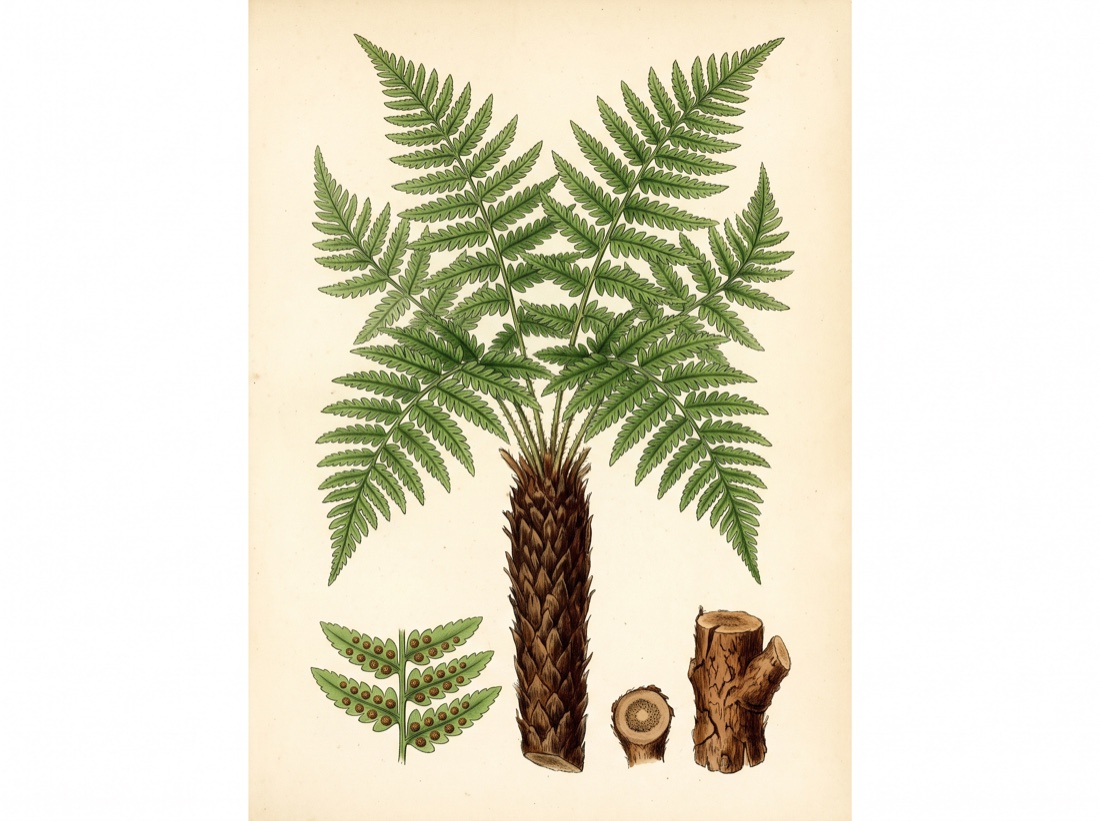 Thick-stemmed wood fernDryopteris crassirhizoma
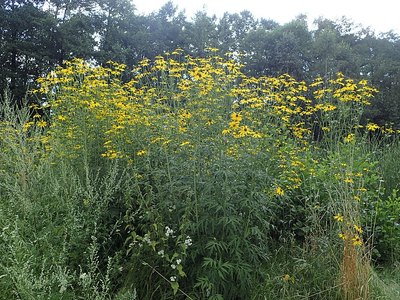 ThimbleweedRudbeckia laciniata
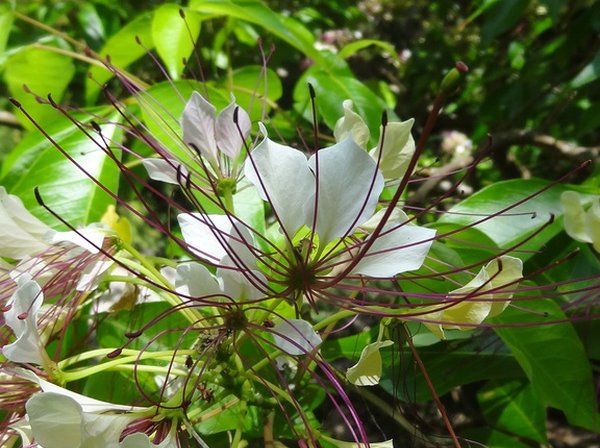 Three-leaved caperCrataeva nurvala
 Thunder god vineTripterygium wilfordii
 ThymeThymus vulgaris
 Tienchi GinsengPanax notoginseng
The whole plate is in the library. The compass, Compare, the Sky of eleven hundred plants and the formulary open with an email address and a password, free, with the formula builder and its safety engine. Herbert without limit, his formulating, clients, the handouts and the labels are the paid room.
Open the library, free