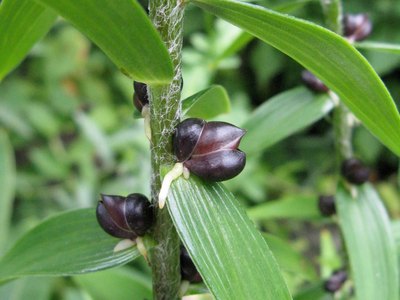
Western Herbalism
Tiger Lily
Lilium tigrinum
Tiger lily is the common name for a lily native to eastern Asia, long cultivated as an ornamental and naturalized in parts of North America, where the fresh flowering plant was adopted by nineteenth century eclectic physicians as a specific remedy for pelvic complaints in women. The whole fresh plant, particularly the flowering tops, was tinctured to make the eclectic preparation known as Specific Medicine Tiger Lily. It never entered mainstream Western herbal practice and today survives mainly as a historical curiosity and as a homeopathic remedy prepared from the same fresh plant material.

Ask Herbert about Tiger Lily. Herbert is the master herbalist inside Bountiful Herbs: he answers from this plate and eleven hundred others, with dosing, pairing and cautions. Your first ten questions are free.
Ask HerbertActions
Indications what the tradition reached for it in
- Pelvic congestion
- Uterine subinvolution
- Uterine prolapse
- Dysmenorrhea
- Ovarian neuralgia
- Acrid leucorrhea
- Nausea of pregnancy or uterine origin
- Nervous headache linked to uterine disease
- Tedious recovery after childbirth
- Amenorrhea with ovarian pain
Specific indications
Pelvic heaviness and a dragging, bearing-down sensation suggesting uterine prolapse, worse after prolonged standing or too early rising after childbirth
Sharp neuralgic pain radiating from an ovary down the inner thigh, accompanied by cardiac distress or a sense of pressure under the left breast
Safety
Low dose botanical. Used in drop doses in the classical practice; not a plant to dose freely.
Pregnancy: Avoid in pregnancy: traditionally regarded as acting on the uterus, and there is no modern safety data to support use.
Breastfeeding: Avoid during lactation due to lack of safety data.
The record lists 5 contraindications; open the plate in the library to read them in full.
In practice
Eclectic writers reached for tiger lily specifically in cases of pelvic congestion with a feeling of uterine heaviness or prolapse, especially when this followed childbirth and the woman had risen from bed too soon or the pelvic tissues were slow to regain tone.
Dosing as the sources wrote it
| Preparation | As written | Metric |
|---|---|---|
| Specific tincture (fresh plant, historic eclectic dose) | 0.06-0.6 mL (1-10 minims) three times daily | 0.06-0.6 mL |
| Fresh plant tincture (1:5) | 0.5-1 mL three times daily | 0.5-1 mL |
| Specific Medicine Tiger Lily | Dose, from one to ten minims. | 0.06-0.62 mL |
| Dose, 1 to 10 drops. | 0.02-0.2 mL |
Doses are reproduced from the sources for practitioners and are not a recommendation for any person.
From the sources
Overview. Tiger lily is the common name for a lily native to eastern Asia, long cultivated as an ornamental and naturalized in parts of North America, where the fresh flowering plant was adopted by nineteenth century eclectic physicians as a specific remedy for pelvic complaints in women. The whole fresh plant, particularly the flowering tops, was tinctured to make the eclectic preparation known as Specific Medicine Tiger Lily. It never entered mainstream Western herbal practice and today survives mainly as a historical curiosity and as a homeopathic remedy prepared from the same fresh plant material.
Clinical Notes. Eclectic writers reached for tiger lily specifically in cases of pelvic congestion with a feeling of uterine heaviness or prolapse, especially when this followed childbirth and the woman had risen from bed too soon or the pelvic tissues were slow to regain tone.
Action and Therapy. This remedy has been acquired from Homeopathy and is reputed slowly effective in controlling uterine irritation and congestion, being employed also to allay the nausea of pregnancy and of uterine irritability, in congestive dysmenorrhea, and chronic ovarian neuralgia with darting, burning pain in the ovaries. It is also said to be of service when pelvic weight and prolonged lochia accompany a tardy recovery from parturition and in the bearing-down discomfort incident to prolapsus uteri.
Therapy. These symptoms of uterine disease, cured or relieved by tiger lily, show the action of the remedy within a limited sphere; but it is probable that it has a much wider range of action, as we find that the common white meadow lily was employed by the early settlers in this country as a general and local tonic in prolapsus uteri; and as a tonic in debilitated states of the female organs of generation, and in dropsy, while the root of the white pond lily was used as a local application to ulcers and inflammations.
Drawn from Ellingwood's American Materia Medica, Therapeutics and Pharmacognosy; Felter's Eclectic Materia Medica, Pharmacology and Therapeutics, and the Bountiful Herbs editorial.
Often paired with
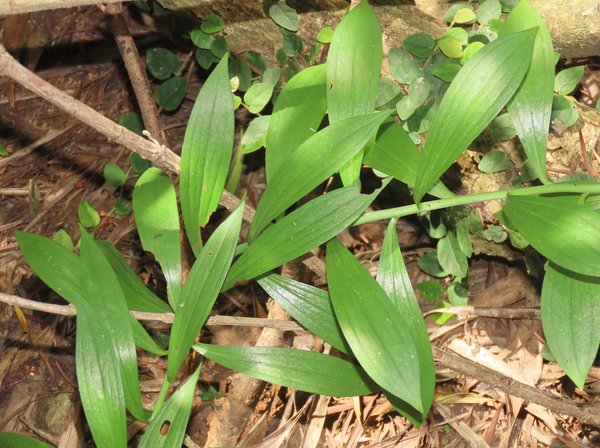 Bai HeLilium brownii
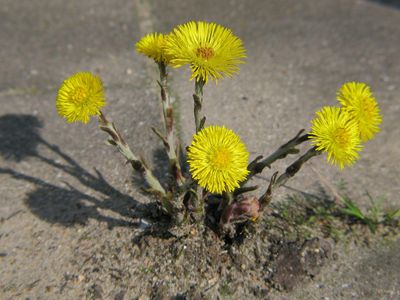 ColtsfootTussilago farfara
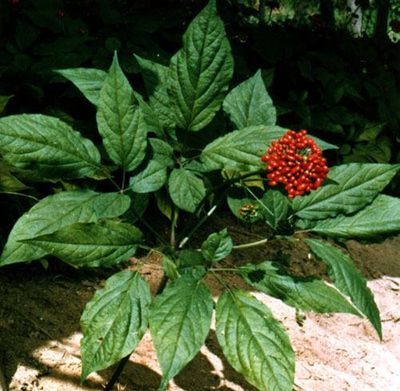 GinsengPanax ginseng
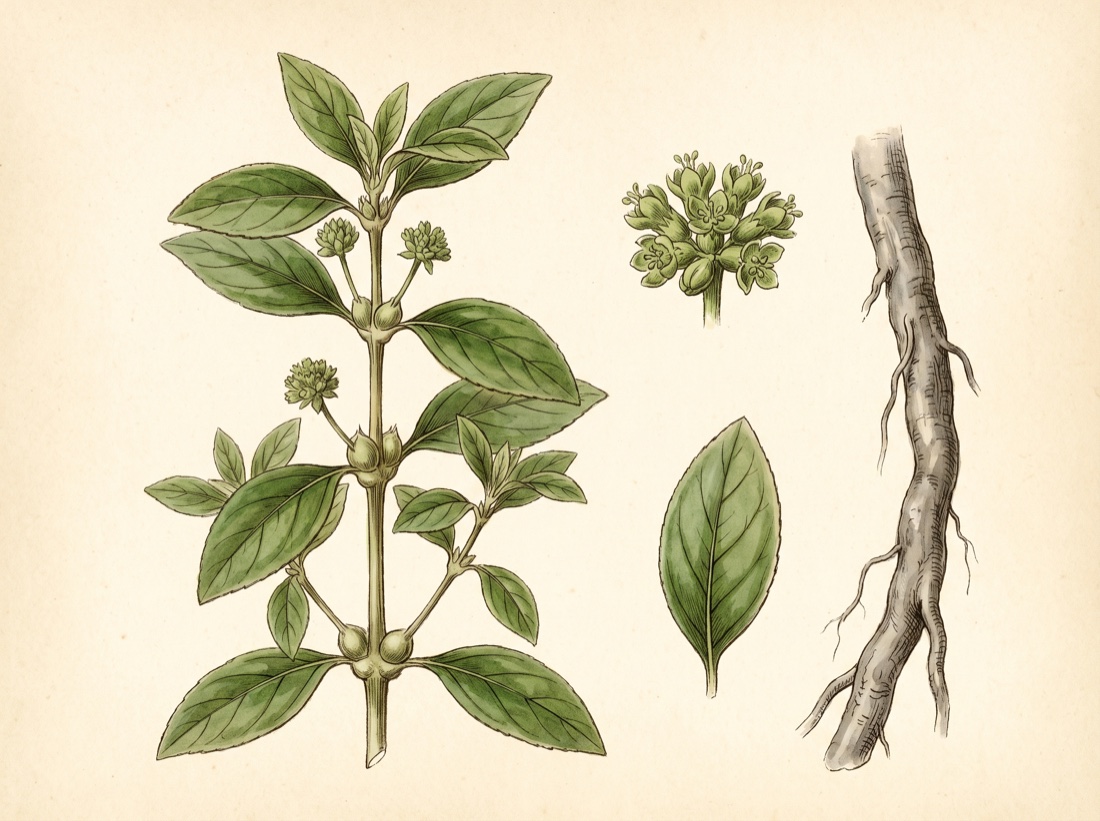 Sichuan ox kneeCyathula officinalis
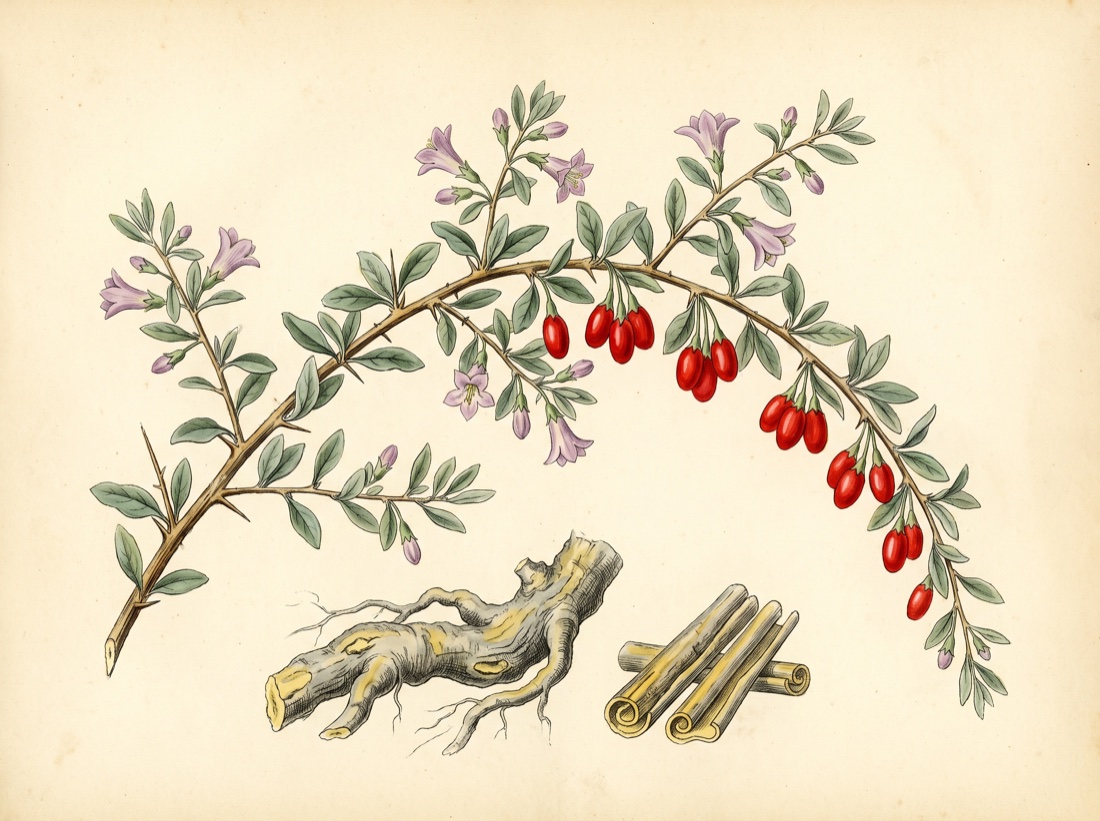 Chinese boxthornLycium chinense
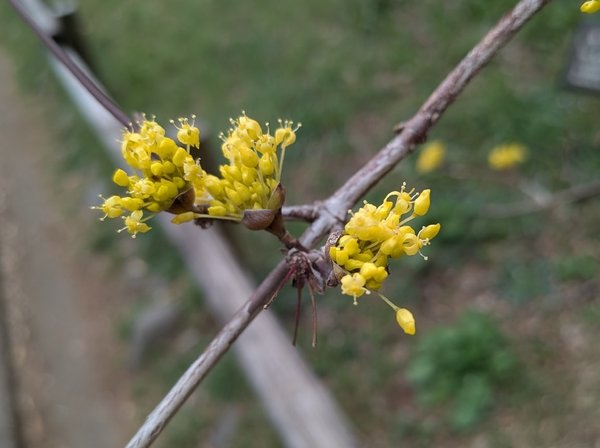 Shan Zhu YuCornus officinalis
Nearby on the shelf
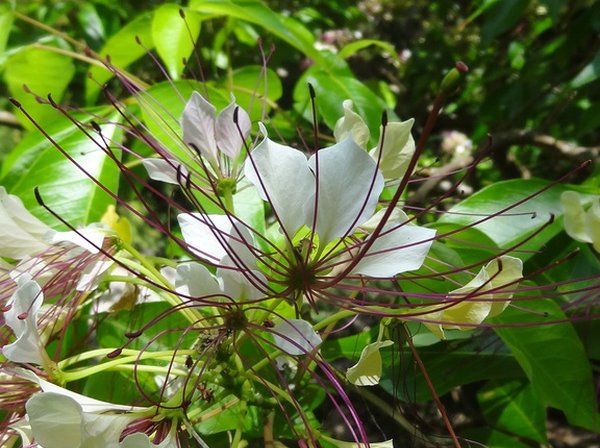 Three-leaved caperCrataeva nurvala
 Thunder god vineTripterygium wilfordii
 ThymeThymus vulgaris
 Tienchi GinsengPanax notoginseng
 ToadflaxLinaria vulgaris
 TobaccoNicotiana tabacum
 ToluBalsam tolu
 Tongkat AliEurycoma longifolia
The whole plate is in the library. The compass, Compare, the Sky of eleven hundred plants and the formulary open with an email address and a password, free, with the formula builder and its safety engine. Herbert without limit, his formulating, clients, the handouts and the labels are the paid room.
Open the library, free