Western Herbalism
Thapsia
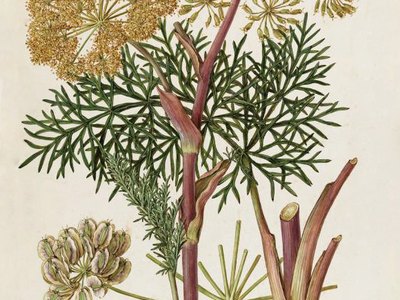
Thapsia garganica
Also known as deadly carrot, drias plant, Mediterranean thapsia, resin spurge.
Thapsia garganica is a large umbelliferous plant of the Mediterranean basin, historically called the deadly carrot for the severe skin reaction its root produces. The dried root and its resin were the source of thapsia plasters, once a mainstay counter-irritant in eclectic and European practice, applied to the skin to raise a blister-like reaction over sites of chronic internal disease. The plant is never taken internally in practice; its use is entirely external and its modern relevance lies chiefly in pharmacology rather than herbal dispensing.

Ask Herbert about Thapsia. Herbert is the master herbalist inside Bountiful Herbs: he answers from this plate and eleven hundred others, with dosing, pairing and cautions. Your first ten questions are free.
Ask HerbertActions
Indications what the tradition reached for it in
- Chronic sciatica unresponsive to other treatment
- Chronic bronchitis
- Chronic pleurisy with effusion
- Rheumatic and neuralgic pain
- Lumbago
- Chronic joint inflammation
- Deep-seated muscular pain
- Chronic organ inflammation requiring a strong revulsive stimulus
Specific indications
Persistent, deep sciatic pain that has resisted gentler counter-irritants, treated with a plaster applied along the course of the nerve
Chronic bronchial or pleuritic disease with a tendency to effusion or suppuration, treated with a chest plaster to draw inflammation toward the surface
Safety
Recognised toxicity. This plant carries a toxicity flag in the record; it is for trained practitioners only.
Low dose botanical. Used in drop doses in the classical practice; not a plant to dose freely.
Pregnancy: Avoid entirely: no safety data exist and the plant's severe vesicant and toxic potential makes any use in pregnancy inappropriate.
Breastfeeding: Avoid entirely: no safety data exist and external absorption cannot be ruled out.
The record lists 5 contraindications; open the plate in the library to read them in full.
In practice
Historically, thapsia plaster was reserved for stubborn, deep-seated complaints, chronic sciatica, chronic bronchitis, and chronic pleuritic disease with effusion, where milder rubefacients such as mustard or capsicum had failed.
Dosing as the sources wrote it
| Preparation | As written | Metric |
|---|---|---|
| Traditional vesicant plaster (external only) | applied to skin and left in place 4-6 hours, then removed once itching or vesication develops | |
| Root oleoresin ointment (historical, external only) | applied thinly to intact skin over the affected area, historical use only |
Doses are reproduced from the sources for practitioners and are not a recommendation for any person.
From the sources
Overview. Thapsia garganica is a large umbelliferous plant of the Mediterranean basin, historically called the deadly carrot for the severe skin reaction its root produces. The dried root and its resin were the source of thapsia plasters, once a mainstay counter-irritant in eclectic and European practice, applied to the skin to raise a blister-like reaction over sites of chronic internal disease. The plant is never taken internally in practice; its use is entirely external and its modern relevance lies chiefly in pharmacology rather than herbal dispensing.
Clinical Notes. Historically, thapsia plaster was reserved for stubborn, deep-seated complaints, chronic sciatica, chronic bronchitis, and chronic pleuritic disease with effusion, where milder rubefacients such as mustard or capsicum had failed.
Therapy. In stubborn, bronchial disorders Thapsia has produced immediate and permanent benefit. It is valuable in chronic lung troubles, especially where there is effusion or probability of suppuration. If the plaster is of French manufacture, six hours is a sufficient time in which to obtain its full effects, but if of American manufacture, it will require a longer time, but may be equally satisfactory.
Physiological Action. The agent is a prompt vesicant and an exceedingly active counter-irritant. In certain cases it is singularly valuable, but the plaster must be an active one and its full influence should be obtained in from four to six hours. If it acts mildly and slowly much less good will result. There is no pain, but in most cases an intolerable itching and if the surface is not scratched or irritated there is no spreading. It is sometimes necessary to cover the surface to prevent irritation, which may be allayed in a short time by the application of a starch paste, or by the use of the glycerole of starch.
Drawn from King's American Dispensatory, 18th edition (Felter and Lloyd); Ellingwood's American Materia Medica, Therapeutics and Pharmacognosy, and the Bountiful Herbs editorial.
Nearby on the shelf
 TarragonArtemisia dracunculus
 Tatarian asterAster tataricus
 Tea treeMelaleuca alternifolia
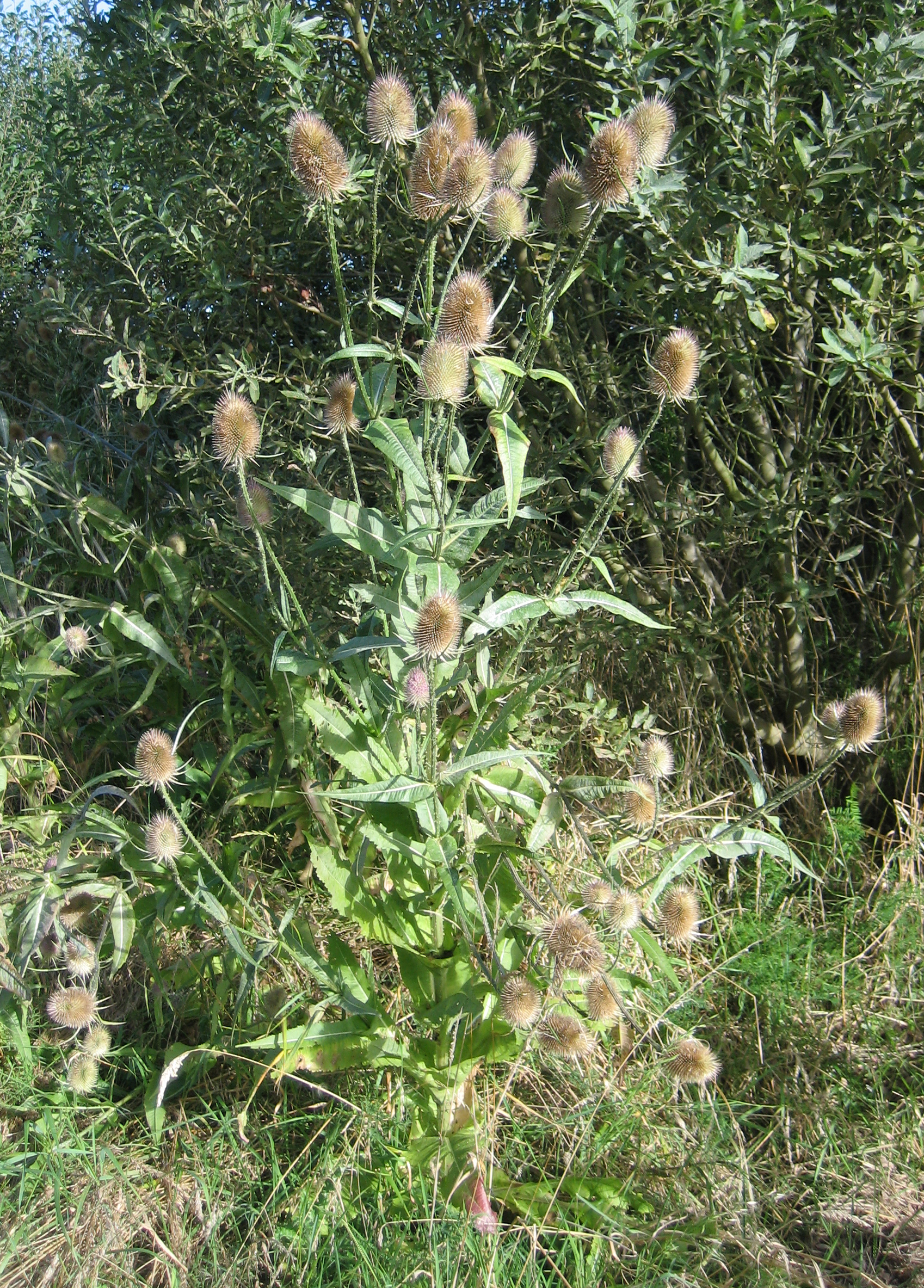 TeaselDipsacus fullonum
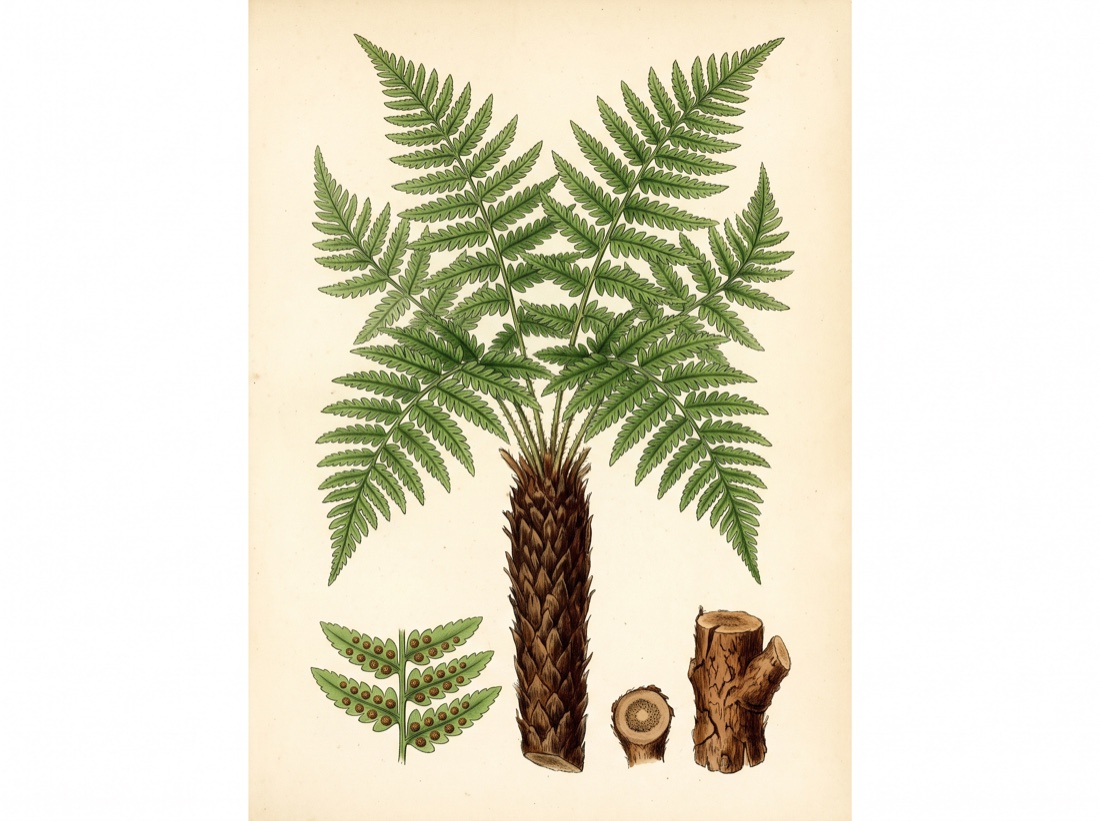 Thick-stemmed wood fernDryopteris crassirhizoma
 ThimbleweedRudbeckia laciniata
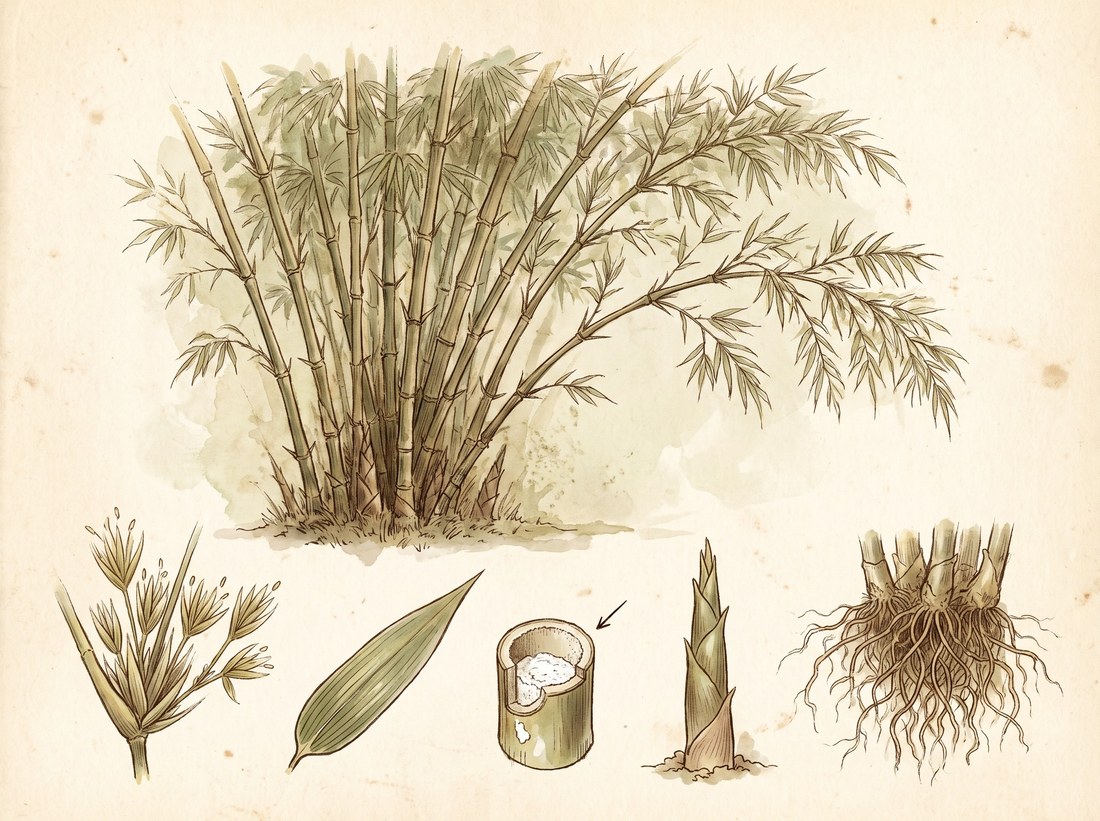 Thorny bambooBambusa arundinacea
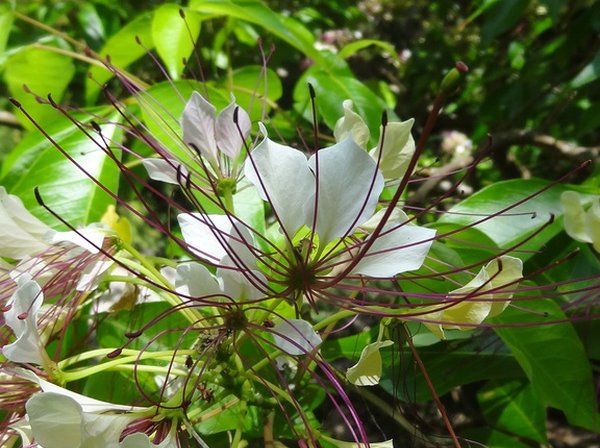 Three-leaved caperCrataeva nurvala
The whole plate is in the library. The compass, Compare, the Sky of eleven hundred plants and the formulary open with an email address and a password, free, with the formula builder and its safety engine. Herbert without limit, his formulating, clients, the handouts and the labels are the paid room.
Open the library, free