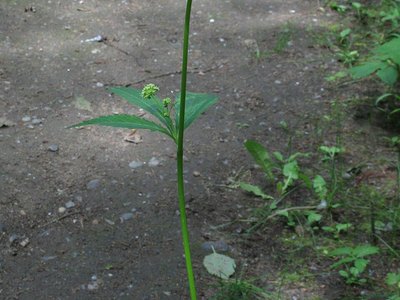
Western Herbalism
Sanicle
Sanicula marilandica
Also known as Black snakeroot, Black snake-root, American sanicle, Pool root.
Sanicula marilandica is a perennial member of the carrot family native to woodland edges and moist meadows across eastern and central North America. The root and aerial parts were used by several Indigenous nations and were carried into nineteenth century American herbal medicine, where physiomedicalist and Eclectic practitioners valued it chiefly as an astringent and alterative for lax, discharging tissue. It is a minor plant in the modern materia medica, largely superseded, but retains historical interest as a tonifying astringent for relaxed conditions of skin, mucosa, and mucous membranes.

Ask Herbert about Sanicle. Herbert is the master herbalist inside Bountiful Herbs: he answers from this plate and eleven hundred others, with dosing, pairing and cautions. Your first ten questions are free.
Ask HerbertActions
Indications what the tradition reached for it in
- Slow-healing wounds and ulcers
- Chronic skin eruptions
- Leukorrhea
- Menorrhagia
- Chronic catarrhal cough
- Sore throat with lax tissue
- Diarrhea
- Scrofulous swellings (chronic lymphadenopathy)
- Nosebleed and minor bleeding
- Debility with lax, relaxed tissue tone
Specific indications
Boggy, slow-draining ulcers or wounds with thin watery discharge, calling for its astringent vulnerary action
Chronic, loose cough with copious thin mucus in a run-down patient whose tissues seem lax and unresponsive
Safety
Pregnancy: Avoid in pregnancy: there is no reliable modern safety data and the plant has not been adequately studied.
Breastfeeding: Avoid in lactation for the same reason: no modern safety data exists to support use.
The record lists 2 contraindications; open the plate in the library to read them in full.
In practice
Sanicle was reached for in the older tradition when tissue seemed toneless and discharging rather than inflamed and hot: a wound that would not close and wept thin fluid, a chronic cough productive of watery mucus, or a leukorrhea that ran on without much irritation.
Dosing as the sources wrote it
| Preparation | As written | Metric |
|---|---|---|
| Decoction (dried root) | 2-4 g dried root, decocted, up to three times daily | 2000-4000 mg |
| Tincture (1:5, 40% alcohol) | 2-4 mL three times daily | 2-4 mL |
Doses are reproduced from the sources for practitioners and are not a recommendation for any person.
From the sources
Overview. Sanicula marilandica is a perennial member of the carrot family native to woodland edges and moist meadows across eastern and central North America. The root and aerial parts were used by several Indigenous nations and were carried into nineteenth century American herbal medicine, where physiomedicalist and Eclectic practitioners valued it chiefly as an astringent and alterative for lax, discharging tissue. It is a minor plant in the modern materia medica, largely superseded, but retains historical interest as a tonifying astringent for relaxed conditions of skin, mucosa, and mucous membranes.
Clinical Notes. Sanicle was reached for in the older tradition when tissue seemed toneless and discharging rather than inflamed and hot: a wound that would not close and wept thin fluid, a chronic cough productive of watery mucus, or a leukorrhea that ran on without much irritation.
Properties and Uses. This root is mild in action, diffusibly stimulating and relaxing, leaving a moderately tonic impression. Used in warm infusion, it promotes perspiration and diuresis fairly, and sustains capillary circulation and the nervous peripheries ; and may be used to decided advantage in recent colds, and typhus and other low forms of fever.
Uses. Besides its general use for cleansing purposes, soap (castile) is used inwardly. It is an antacid and gentle laxative; and is employed by softening it to the desired degree with alcohol, (or some essence,) and incorporating with it such articles as rhubarb, leptandrin, apocynin, etc.
Drawn from Cook's Physio-Medical Dispensatory; Scudder's Specific Medication and Specific Medicines, and the Bountiful Herbs editorial.
Nearby on the shelf
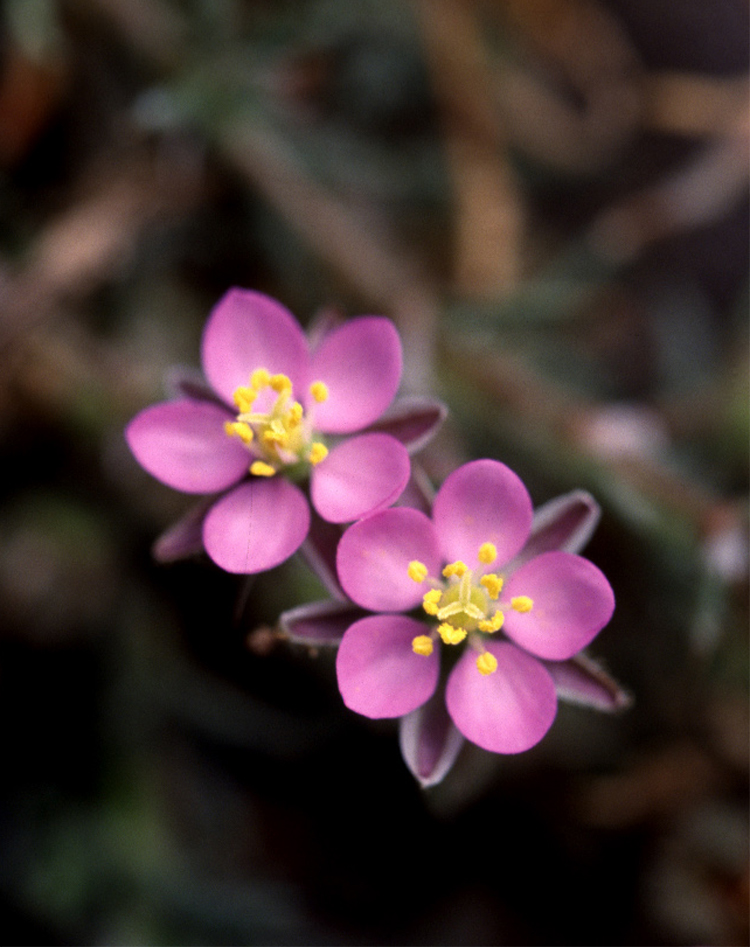 Sand-spurreySpergularia
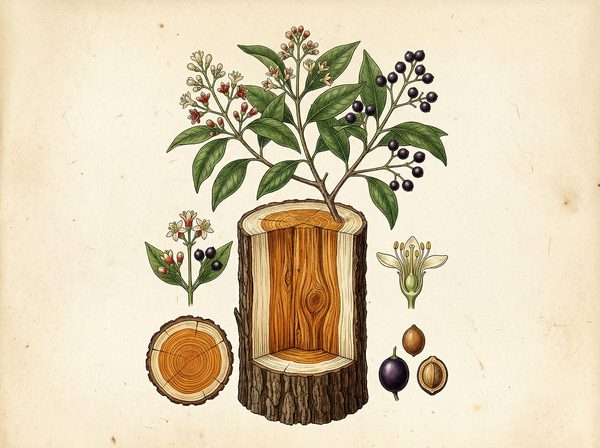 SandalwoodSantalum album
 Sangre de DragoCroton lechleri
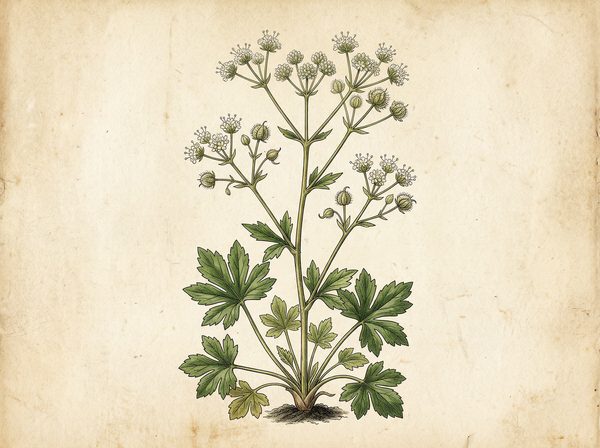 SanicleSanicula europaea
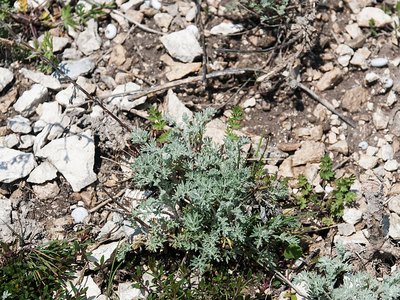 SantonicaArtemisia pauciflora
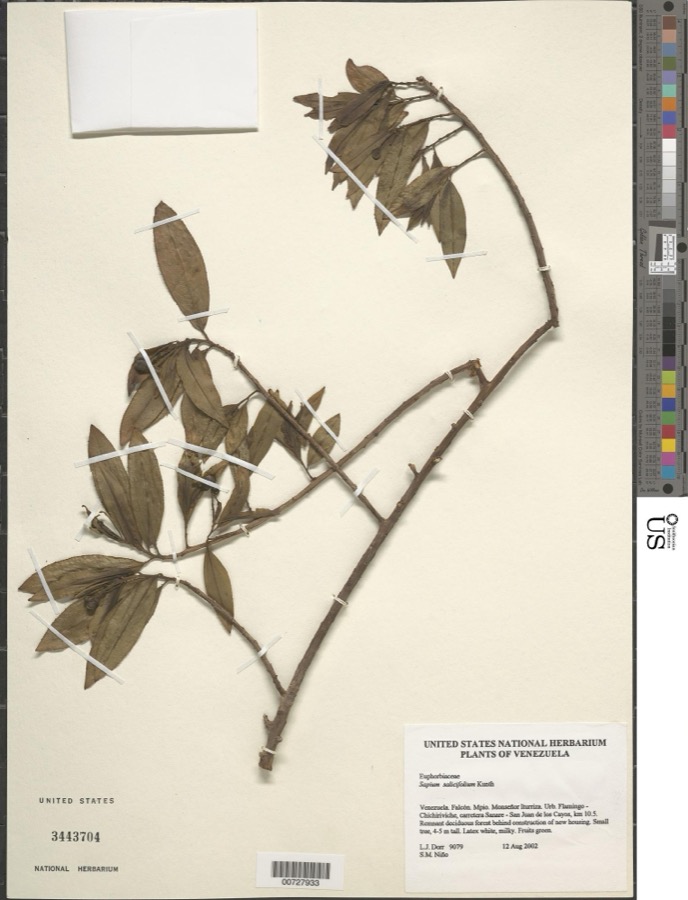 SapiumSapium salicifolium
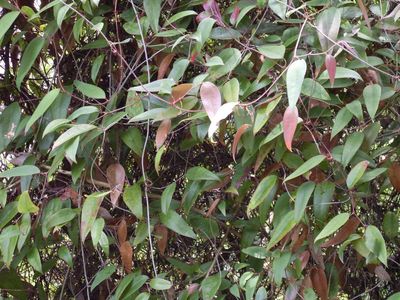 SarsaparillaSmilax spp.
 SassafrasSassafras albidum
The whole plate is in the library. The compass, Compare, the Sky of eleven hundred plants and the formulary open with an email address and a password, free, with the formula builder and its safety engine. Herbert without limit, his formulating, clients, the handouts and the labels are the paid room.
Open the library, free