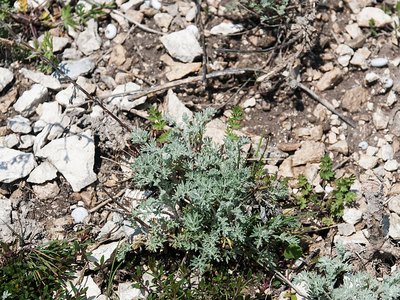
Western Herbalism
Santonica
Artemisia pauciflora
Also known as Levant Wormseed, Wormseed, Semen Contra, Semen santonica, Semen sanctum, Semen santonici, Semen cinae.
Santonica, also called Levant wormseed, is the dried, unopened flower head of a small steppe wormwood native to the arid regions of Central Asia, the Caucasus, and southeastern Europe. The drug was harvested commercially through the nineteenth and early twentieth centuries as the primary source of santonin, a crystalline sesquiterpene lactone once regarded as the standard specific anthelmintic for roundworm infestation. It has no meaningful place in current herbal or pharmaceutical practice and is retained here chiefly for historical and toxicological reference.

Ask Herbert about Santonica. Herbert is the master herbalist inside Bountiful Herbs: he answers from this plate and eleven hundred others, with dosing, pairing and cautions. Your first ten questions are free.
Ask HerbertActions
Indications what the tradition reached for it in
- Ascariasis (roundworm infestation)
- Enterobiasis (pinworm infestation, less reliable)
- Intestinal parasitism in historical veterinary and human practice
- Dyspepsia associated with worm burden
- Poor appetite in parasitized children (historical use, now abandoned)
- Historical use as a household insecticide and moth deterrent
- Historical use in mixed vermifuge confections and lozenges
- Historical treatment of tapeworm alongside other agents
Specific indications
Confirmed Ascaris lumbricoides infestation in an adult with no hepatic, renal, or cardiac compromise, in an era before safer anthelmintics existed
Historical single-dose vermifuge use in children, now recognized as carrying an unacceptably narrow margin between effective and fatal dose
Safety
Recognised toxicity. This plant carries a toxicity flag in the record; it is for trained practitioners only.
Low dose botanical. Used in drop doses in the classical practice; not a plant to dose freely.
Pregnancy: Avoid entirely: the drug and its active principle santonin are systemically toxic with a narrow margin of safety and no data support safe use in pregnancy.
Breastfeeding: Not for use while breastfeeding
The record lists 9 contraindications; open the plate in the library to read them in full.
In practice
Santonica and its isolated principle santonin were once dispensed widely for Ascaris infestation, given as a single measured dose followed by a purgative to expel the paralyzed worms. Older texts record the drug and its active constituent as producing striking visual disturbances even at doses considered therapeutic, most notably yellow or green tinged vision, and case literature from the period documents convulsions and fatalities in children given doses only modestly above the recommended range.
Dosing as the sources wrote it
| Preparation | As written | Metric |
|---|---|---|
| Historical infusion of flower heads (obsolete, not recommended) | 2-4 g dried flower heads as a single dose, historical use only | 2000-4000 mg |
| Historical santonin isolate (obsolete, not recommended) | 16-130 mg (one-fourth to two grains) as a single dose, historical use only, narrow and unreliable margin of safety | 16-130 mg |
| Dose, from ten to thirty grains of the powder, night and morning | 648-1944 mg | |
| Dose, for a child six years old, a grain to a grain and a half, twice a day | 64.8-64.8 mg | |
| Trochesci Santonine, Troches of Santonine | Dose, from one to six troches. | |
| Santonin | Dose, from one-fourth to two grains. | 16.2-130 mg |
Doses are reproduced from the sources for practitioners and are not a recommendation for any person.
From the sources
Overview. Santonica, also called Levant wormseed, is the dried, unopened flower head of a small steppe wormwood native to the arid regions of Central Asia, the Caucasus, and southeastern Europe. The drug was harvested commercially through the nineteenth and early twentieth centuries as the primary source of santonin, a crystalline sesquiterpene lactone once regarded as the standard specific anthelmintic for roundworm infestation. It has no meaningful place in current herbal or pharmaceutical practice and is retained here chiefly for historical and toxicological reference.
Clinical Notes. Santonica and its isolated principle santonin were once dispensed widely for Ascaris infestation, given as a single measured dose followed by a purgative to expel the paralyzed worms. Older texts record the drug and its active constituent as producing striking visual disturbances even at doses considered therapeutic, most notably yellow or green tinged vision, and case literature from the period documents convulsions and fatalities in children given doses only modestly above the recommended range.
Therapy. The generally accepted influence of santonine is in the line of its anthelmintic properties. It is an excellent remedy for the long worm ... ascaris lumbricoides. It is given in doses of from one-half to one grain, twice or three times daily.
Properties and Uses. From the old Arabic school of medicine, down to the present time, this article has been prominent as a remedy for worms. The round, tape, and seat (pin) worms, are all said to yield before it, with much certainty. Its physiological action seems to be much like that of the common wormwood, but more stimulating and diffusive, and less locally tonic. Dose, from ten to thirty grains of the powder, night and morning. It may also be given by infusion.
Drawn from Cook's Physio-Medical Dispensatory; Scudder's Specific Medication and Specific Medicines; King's American Dispensatory, 18th edition (Felter and Lloyd); Ellingwood's American Materia Medica, Therapeutics and Pharmacognosy, and the Bountiful Herbs editorial.
Often paired with
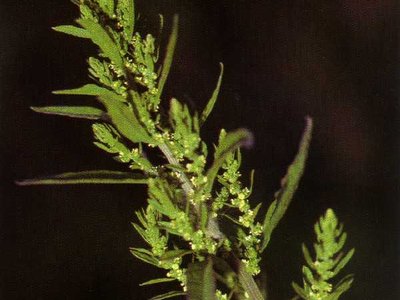 WormseedChenopodium ambrosioides
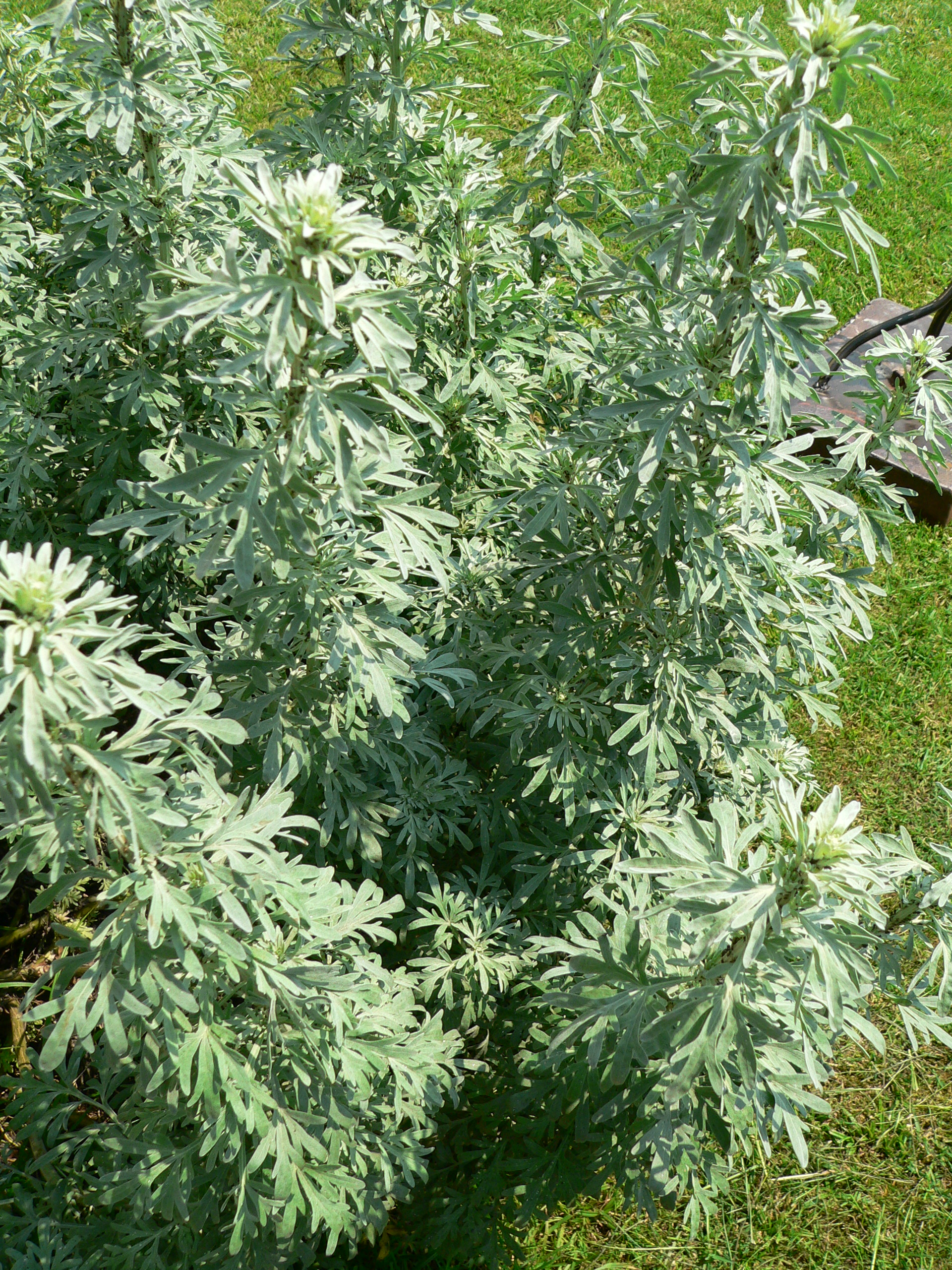 WormwoodArtemisia absinthium
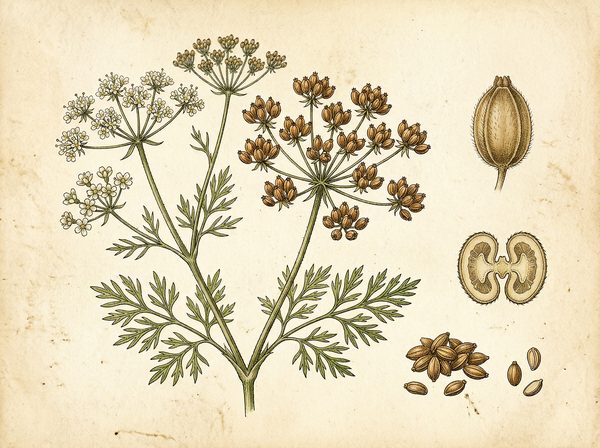 AnisePimpinella anisum
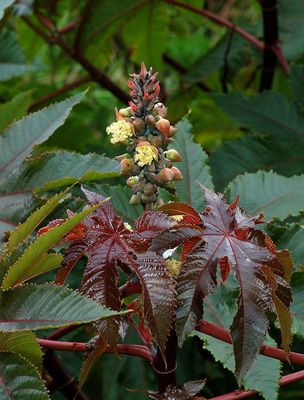 Oleum RiciniOleum Ricini
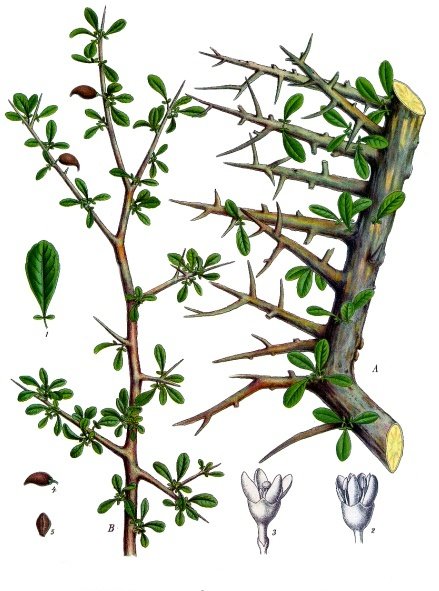 MyrrhCommiphora molmol
Nearby on the shelf
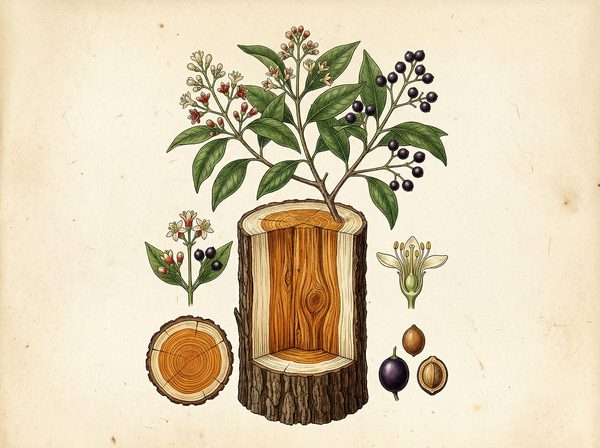 SandalwoodSantalum album
 Sangre de DragoCroton lechleri
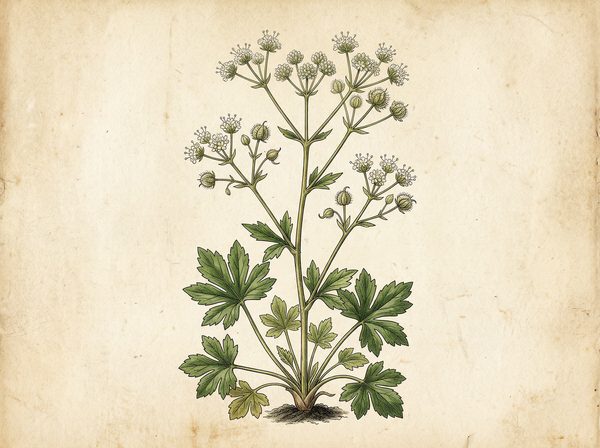 SanicleSanicula europaea
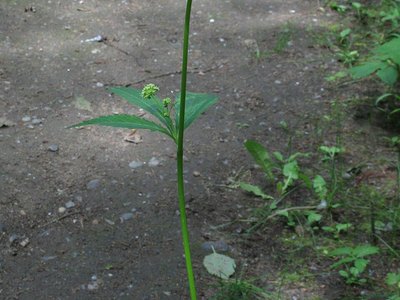 SanicleSanicula marilandica
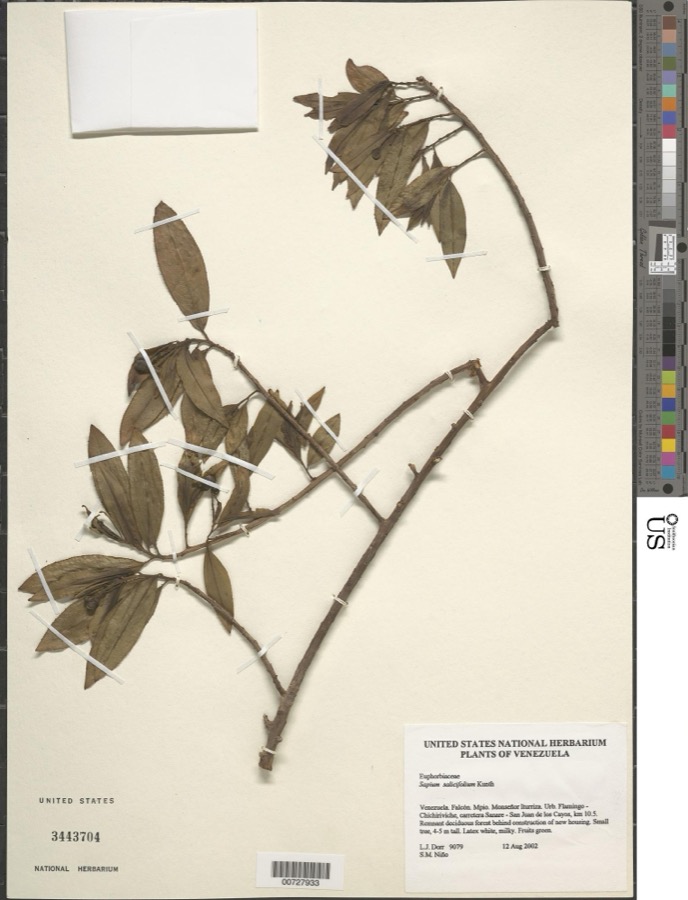 SapiumSapium salicifolium
 SarsaparillaSmilax spp.
 SassafrasSassafras albidum
 Sassy barkErythrophleum
The whole plate is in the library. The compass, Compare, the Sky of eleven hundred plants and the formulary open with an email address and a password, free, with the formula builder and its safety engine. Herbert without limit, his formulating, clients, the handouts and the labels are the paid room.
Open the library, free