Western and Ayurvedic herbalism
Rosary pea
Abrus precatorius
Also known as jequirity bean, crab's eye, Indian licorice, precatory bean, love pea, Jamaica licorice, Abrus, Wild liquorice, Gunja, Raktika, Kakanantika.
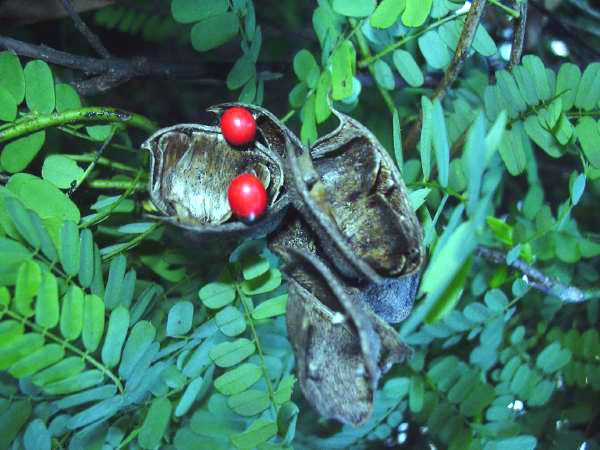
Abrus precatorius is a slender twining vine of hedges, scrub and forest edges throughout India and the tropics, known everywhere by its brilliant scarlet seeds with a single black spot, once used as the jeweler's weight ratti. Ayurveda names the seed Gunja and counts it among the upavisha, the lesser poisons: a deadly seed whose toxalbumin abrin kills at a fraction of a milligram when chewed, yet which after purification in milk finds classical use in grains for vata disorders and sexual debility, and unpurified as an external paste for baldness and skin disease. The sweet leaf and root are a harmless licorice substitute. This is a restricted plant and the seed must never be dispensed unpurified for internal use.
Ask Herbert about Rosary pea. Herbert is the master herbalist inside Bountiful Herbs: he answers from this plate and eleven hundred others, with dosing, pairing and cautions. Your first ten questions are free.
Ask HerbertActions
Indications what the tradition reached for it in
- Alopecia areata and patchy hair loss (seed paste, topical)
- Leukoderma and stubborn skin patches (seed paste, topical)
- Ringworm and chronic itching eruptions (topical)
- Sciatica and vata type joint pain (purified seed in compounds, expert use only)
- Male sexual debility (purified seed in classical compounds, expert use only)
- Cough, hoarseness and sore throat (leaf and root, licorice-like)
- Glandular swellings and boils (leaf poultice)
- Intestinal worms (purified seed, traditional, expert use only)
- Stiff, painful joints (seed oil rubbed externally)
Specific indications
A round bald patch on the scalp or beard in an otherwise healthy young person, where the classical treatment is the seed paste rubbed on until the skin reddens, alternating with a soothing oil
A singer or speaker with a hoarse voice and dry throat who benefits from chewing the sweet root or leaf as a licorice substitute
Chronic sciatica or low back stiffness in a heavy, cold patient under the care of an experienced Ayurvedic physician who can use the purified seed within a compound formula
Chronic ringworm patches that have resisted milder applications, treated with the seed paste for a few days at a time
Safety
Recognised toxicity. This plant carries a toxicity flag in the record; it is for trained practitioners only.
Low dose botanical. Used in drop doses in the classical practice; not a plant to dose freely.
Pregnancy: Contraindicated in pregnancy in every seed form: the seed is abortifacient and antifertility in animals and the tradition lists Gunja among garbhapatana drugs; no published safety class is known to us; the leaf and root as a throat remedy in customary amounts are the only parts that may be considered.
Breastfeeding: Contraindicated during breastfeeding for all seed preparations because abrin and the alkaloids have not been studied in milk and infant exposure could be fatal; leaf and root in customary amounts are acceptable.
The record lists 12 contraindications; open the plate in the library to read them in full.
In practice
In classical practice Gunja divides into three drugs. The sweet leaf and root are mild, chewed or decocted for cough, hoarseness and sore throat, and pose no toxicity concern. The seed paste is the everyday external remedy for indralupta, alopecia areata, rubbed onto the bald patch until it reddens, then followed with a cooling oil; the same paste is used for leukoderma, ringworm and glandular swellings, always on intact skin and never near the eyes.
In Ayurveda
Rasa: tikta (bitter), kashaya (astringent) in the seed; madhura (sweet) in the leaf and root. Virya: ushna (heating). Vipaka: katu (pungent). Guna: laghu (light), ruksha (dry), tikshna (sharp). Dosha: pacifies vata and kapha; aggravates pitta. Prabhava: upavisha (lesser poison): the seed is deadly unless purified, and its classical uses are external or in grains after shodhana. Karma: keshya (promotes hair growth, seed paste externally); kushthaghna (useful in skin disease, external); vranashodhana (cleanses wounds, external); krimighna (anthelmintic); vajikarana (aphrodisiac, purified seed in classical recipes); balya (strengthening, purified seed); vatahara (pacifies vata); shothahara (reduces swelling, leaf and root); kanthya (benefits the throat and voice, leaf and root); vishaghna in the leaf and root (counters poison). Classical indications: indralupta (alopecia areata, seed paste externally); kushtha (skin disease, external); shvitra (leukoderma, external); vrana (wounds, external); krimi (worms); vatavyadhi (disorders of vata, purified seed); klaibya (male sexual dysfunction, purified seed); kasa (cough, leaf and root); svarabheda (hoarseness, leaf and root); shotha (swelling, leaf poultice); granthi (glandular swellings, external). The scarlet and black seed is the toxic drug; before any internal use it undergoes shodhana, classically by boiling in cow's milk or in kanji (sour gruel) for three hours, then peeling and drying, which denatures much of the toxalbumin. The purified seed is then used in grains within vajikarana and vatahara compounds. The seed paste is applied externally for alopecia, leukoderma, skin disease and swellings. The sweet leaf and root are the mild parts, chewed or decocted for cough, hoarseness and sore throat as a licorice substitute. Classical formulations: Gunja shodhita churna (in compound vajikarana yogas), Gunjadi taila (external, for alopecia), Gunja beeja lepa (external), Gunja moola kwatha, Gunja patra swarasa (throat). Described in: Charaka Samhita, Sushruta Samhita, Bhavaprakasha Nighantu, Dhanvantari Nighantu, Raja Nighantu, Kaiyadeva Nighantu, Sharngadhara Samhita, Ayurvedic Pharmacopoeia of India.
Dosing as the sources wrote it
| Preparation | As written | Metric |
|---|---|---|
| Shodhita beeja churna (classical, expert use) | 60-125 mg purified seed powder daily within a compound formulation, purified material only | 60-125 mg |
| Beeja lepa, topical | 1-2 g seed paste applied to a bald patch or skin lesion for a few minutes and washed off | 1000-2000 mg |
| Moola kwatha (root) | 30-60 mL root decoction twice daily for cough and hoarseness | 30-60 mL |
| Patra swarasa (leaf) | 5-10 mL fresh leaf juice with honey twice daily for sore throat | 5-10 mL |
Doses are reproduced from the sources for practitioners and are not a recommendation for any person.
From the sources
Overview. Abrus precatorius is a slender twining vine of hedges, scrub and forest edges throughout India and the tropics, known everywhere by its brilliant scarlet seeds with a single black spot, once used as the jeweler's weight ratti.
Clinical Notes. In classical practice Gunja divides into three drugs. The sweet leaf and root are mild, chewed or decocted for cough, hoarseness and sore throat, and pose no toxicity concern. The seed paste is the everyday external remedy for indralupta, alopecia areata, rubbed onto the bald patch until it reddens, then followed with a cooling oil; the same paste is used for leukoderma, ringworm and glandular swellings, always on intact skin and never near the eyes.
Properties and Uses. The root and leaves are quite similar to the glycyrrhiza glabra, and furnish an extract much like our common black licorice. The plant is in popular repute in Jamaica for the treatment of all forms of pulmonary irritation, and the leaves are used in poultices. No doubt the article deserves more attention by the profession. The seeds are a pretty tough article of Egyptian food, though some accuse them of being narcotic. Medical Herbalism journal and medherb.com The Physiomedical Dispensatory by William Cook, M.D., 1869
Description. Natural Order, Leguminosae. Genus ABRUS: Calyx campanulate, obsoletely four-lobed and four-toothed, upper lobe broadest and upper tooth bifid. Corollas with ovate vexilla. Stamens nine, monadelphous. Style short.
Drawn from Cook's Physio-Medical Dispensatory; King's American Dispensatory, 18th edition (Felter and Lloyd), and the Bountiful Herbs editorial.
In formulas
Rosary pea stands in 1 documented formula in the library, among them Nīlibhṛṅgādi Taila.
Often paired with
 Indian barberryBerberis aristata
 coconutCocos nucifera
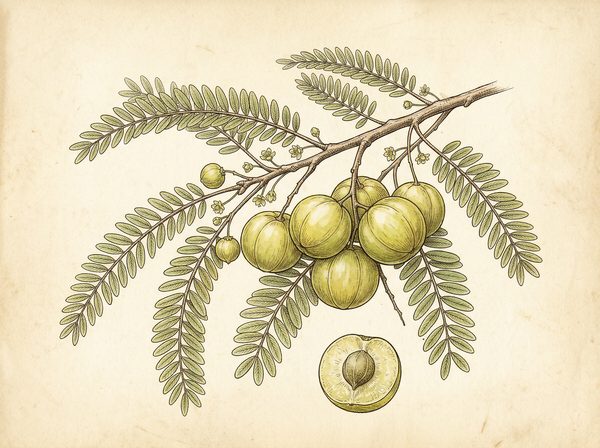 Indian gooseberryPhyllanthus emblica
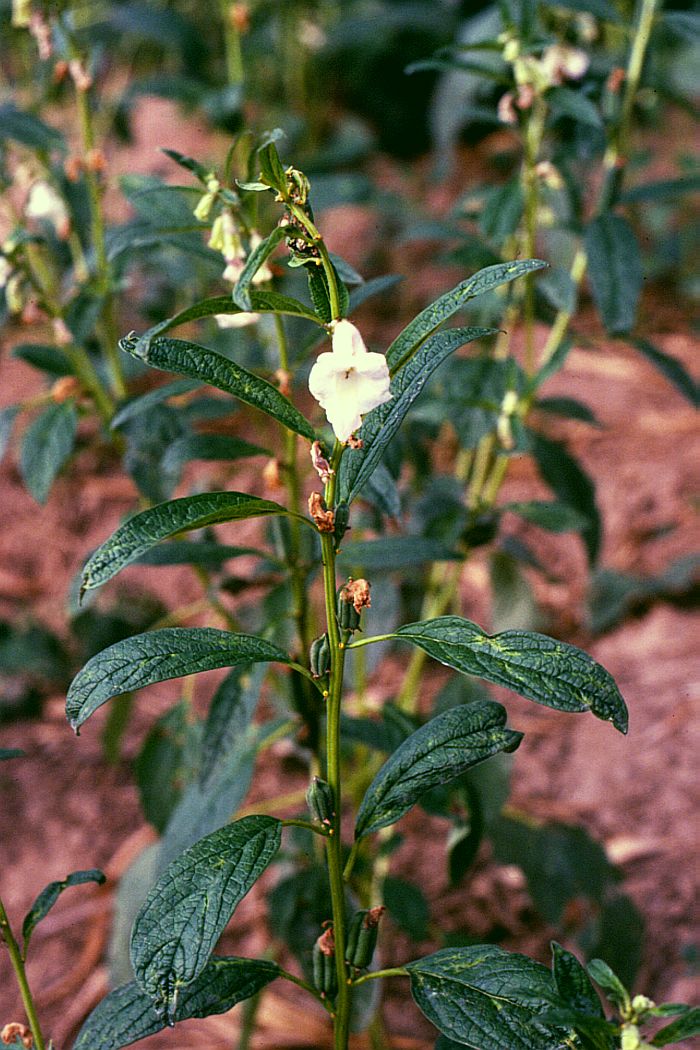 sesameSesamum indicum
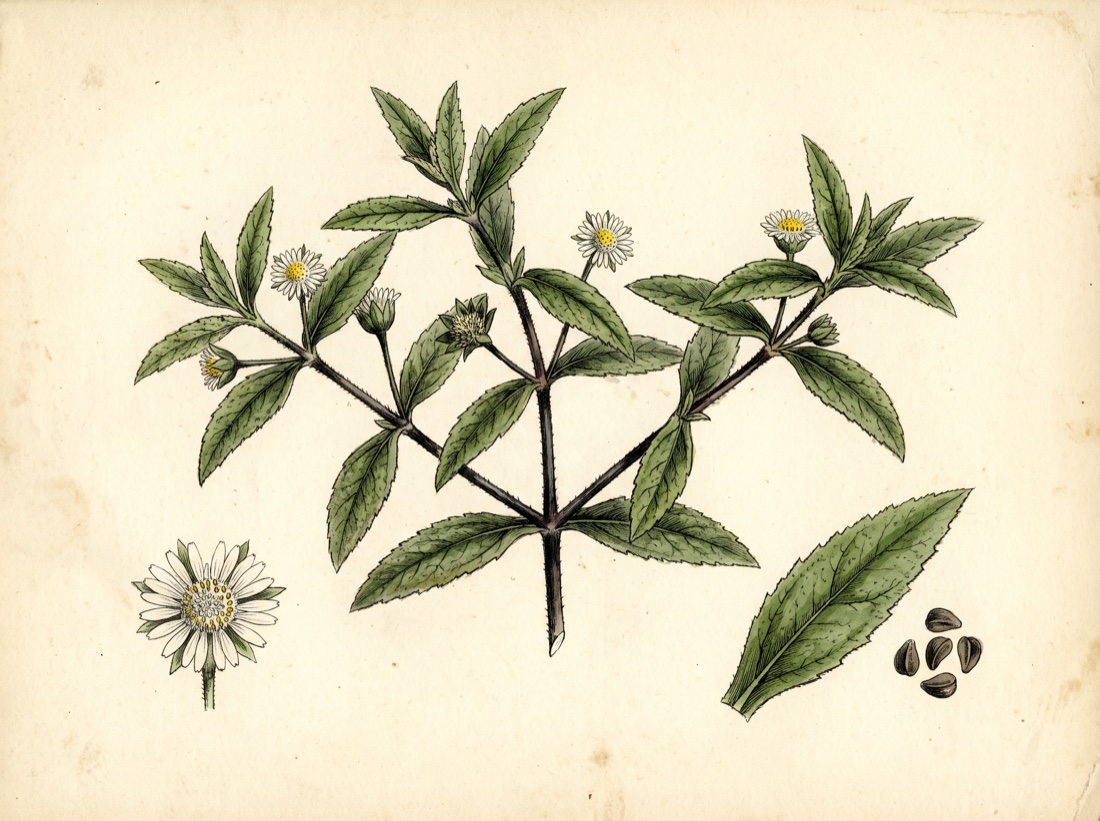 false daisyEclipta prostrata
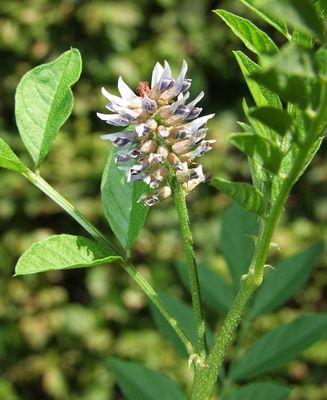 Licorice rootGlycyrrhiza glabra
Nearby on the shelf
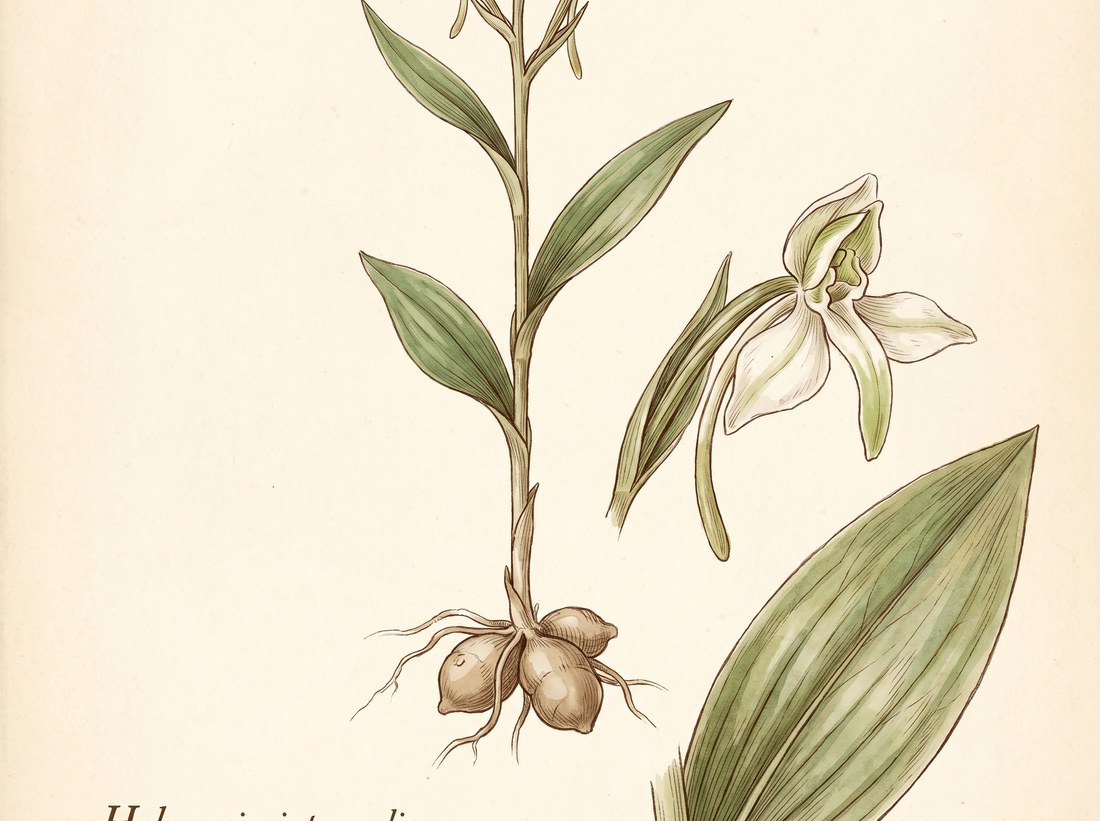 Riddhi orchidHabenaria intermedia
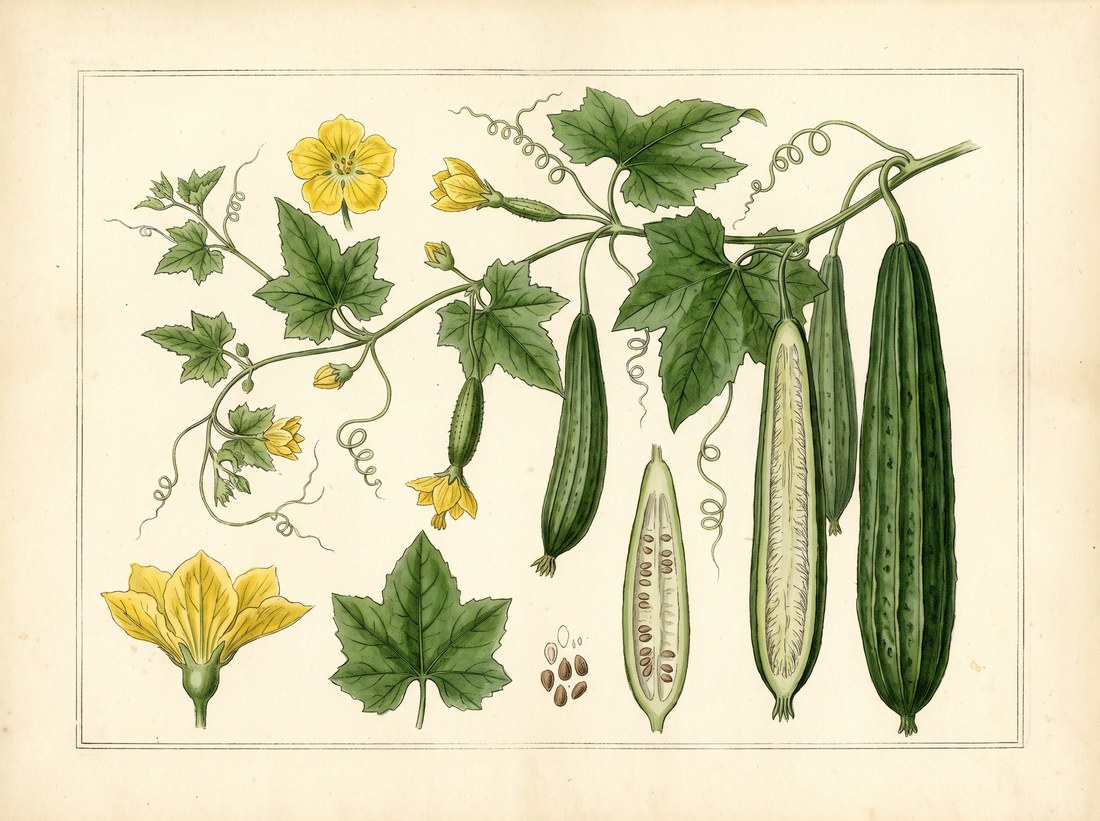 Ridge gourdLuffa acutangula
 Rock polypodyPolypodium vulgare
 RooibosAspalathus linearis
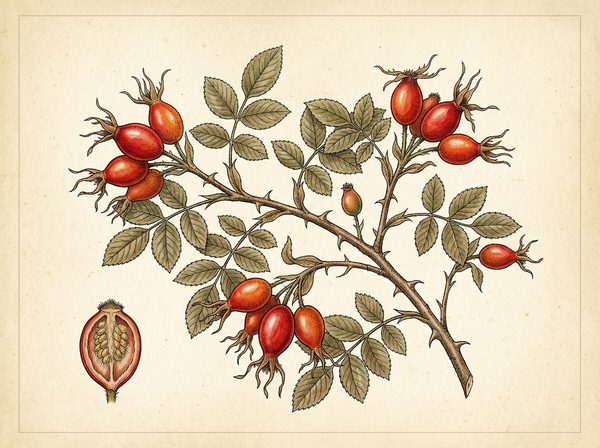 RosehipRosa canina
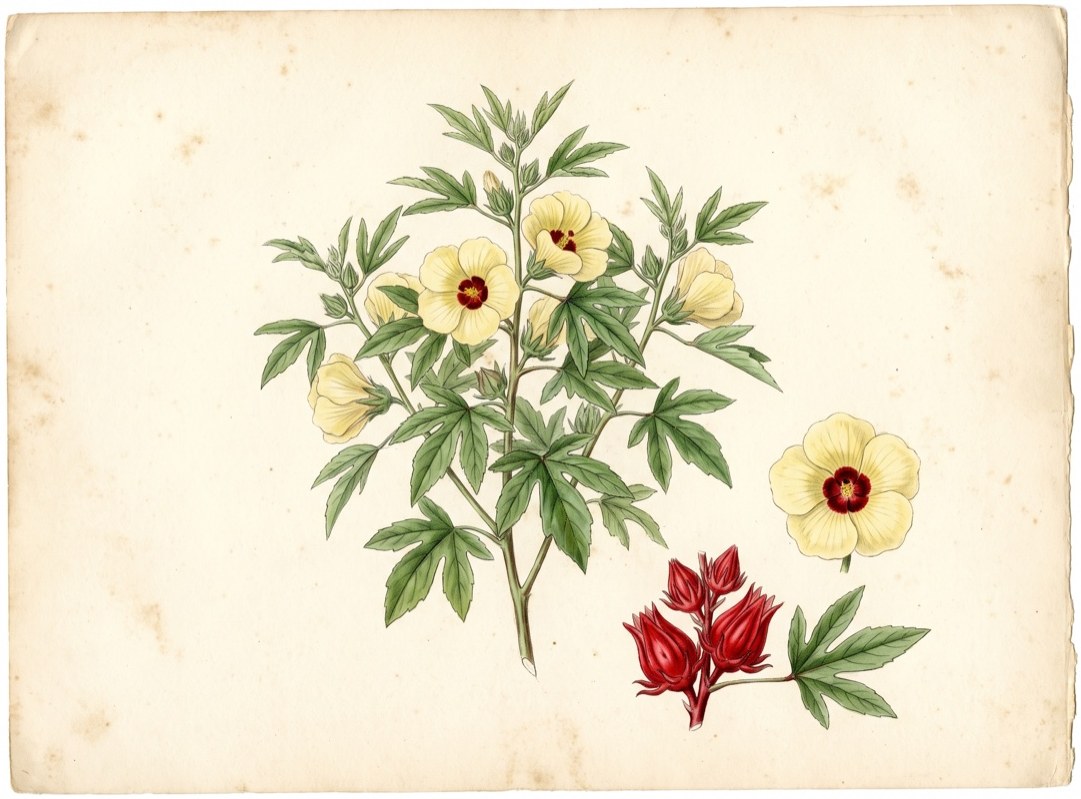 RoselleHibiscus sabdariffa
 RosemaryRosmarinus officinalis
 RoserootRhodiola rosea
The whole plate is in the library. The compass, Compare, the Sky of eleven hundred plants and the formulary open with an email address and a password, free, with the formula builder and its safety engine. Herbert without limit, his formulating, clients, the handouts and the labels are the paid room.
Open the library, free