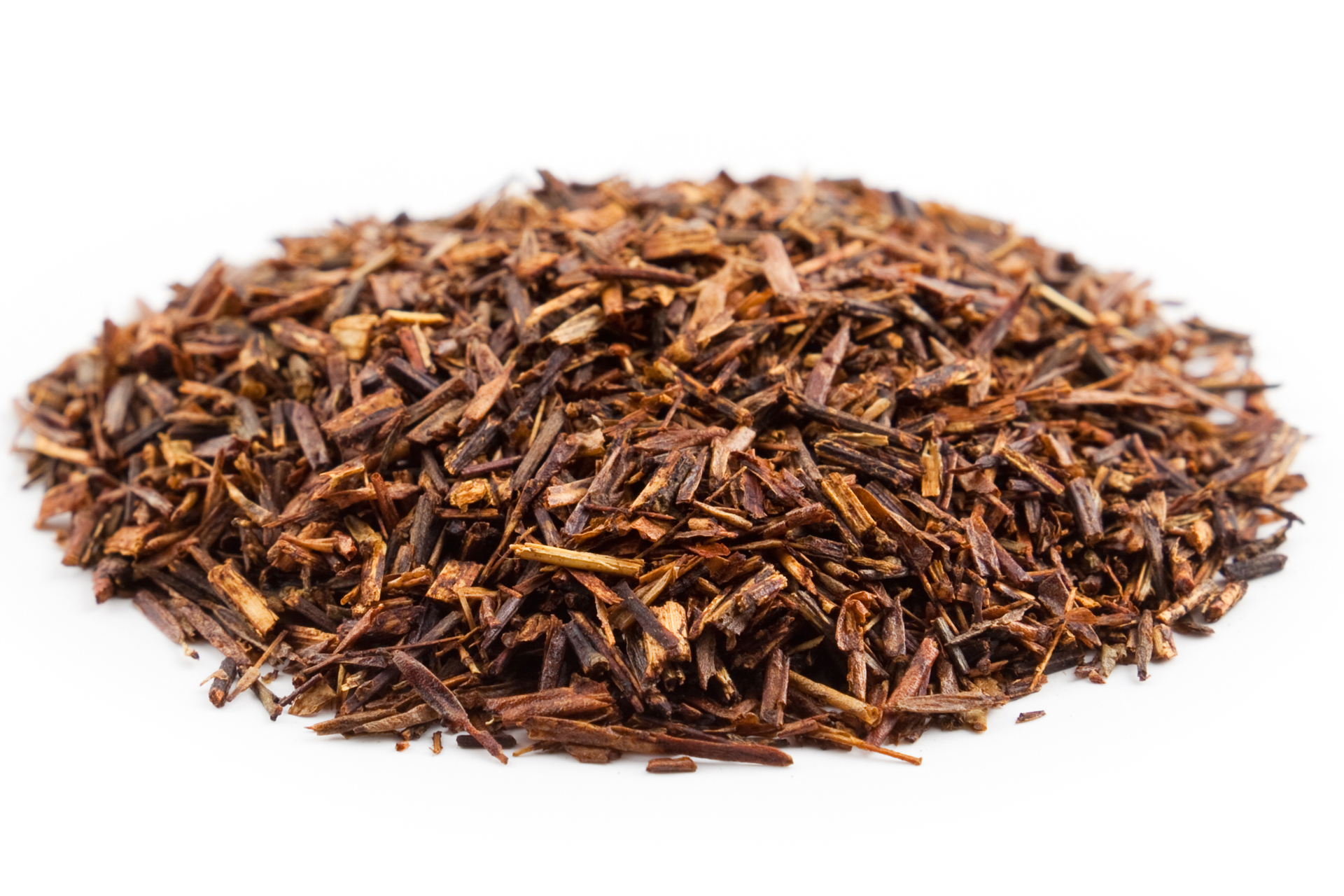
Western Herbalism
Rooibos
Aspalathus linearis
Also known as Red Bush, Red Tea.
Rooibos acts primarily as: Antioxidant, Anti-inflammatory, Antispasmodic, Hypoglycemic, Cardioprotective, Hepatoprotective, Caffeine-free relaxant. Secondary actions include Antioxidant, Calm and soothe, Support metabolism, Protect the vasculature, Gentle digestive.

Ask Herbert about Rooibos. Herbert is the master herbalist inside Bountiful Herbs: he answers from this plate and eleven hundred others, with dosing, pairing and cautions. Your first ten questions are free.
Ask HerbertActions
Indications what the tradition reached for it in
- General antioxidant and wellness tea
- Infant colic and digestive cramping (traditional South African use)
- Mild anxiety and restlessness
- Metabolic syndrome and dysglycemia (adjunct)
- Cardiovascular protection
- Eczema and skin irritation (topical/internal)
- A caffeine-free, low-tannin alternative to black or green tea
Safety
The record lists 3 contraindications; open the plate in the library to read them in full.
Dosing as the sources wrote it
| Preparation | As written | Metric |
|---|---|---|
| Infusion | Infusion: 1-2 tsp dried leaf per cup, steep 5-10 min, several cups daily | |
| Tincture (1:5) | Tincture (1:5): 2-4 ml three times daily | 2-4 mL |
Doses are reproduced from the sources for practitioners and are not a recommendation for any person.
From the sources
primary-actions. Rooibos acts primarily as: Antioxidant, Anti-inflammatory, Antispasmodic, Hypoglycemic, Cardioprotective, Hepatoprotective, Caffeine-free relaxant. Secondary actions include Antioxidant, Calm and soothe, Support metabolism, Protect the vasculature, Gentle digestive.
indications. Rooibos is traditionally indicated for: General antioxidant and wellness tea, Infant colic and digestive cramping (traditional South African use), Mild anxiety and restlessness, Metabolic syndrome and dysglycemia (adjunct), Cardiovascular protection, Eczema and skin irritation (topical/internal), A caffeine-free, low-tannin alternative to black or green tea.
constituents. Notable constituents of Rooibos include: Unique dihydrochalcone aspalathin, Nothofagin, Flavonoids (quercetin, rutin, orientin, isoorientin), Phenolic acids, Low tannin, No caffeine.
dose-reference. Reference preparation/dosing for Rooibos: Infusion: 1-2 tsp dried leaf per cup, steep 5-10 min, several cups daily; Tincture (1:5): 2-4 ml three times daily; Standardized extract: per product; Suitable for long-term daily use and for children
Nearby on the shelf
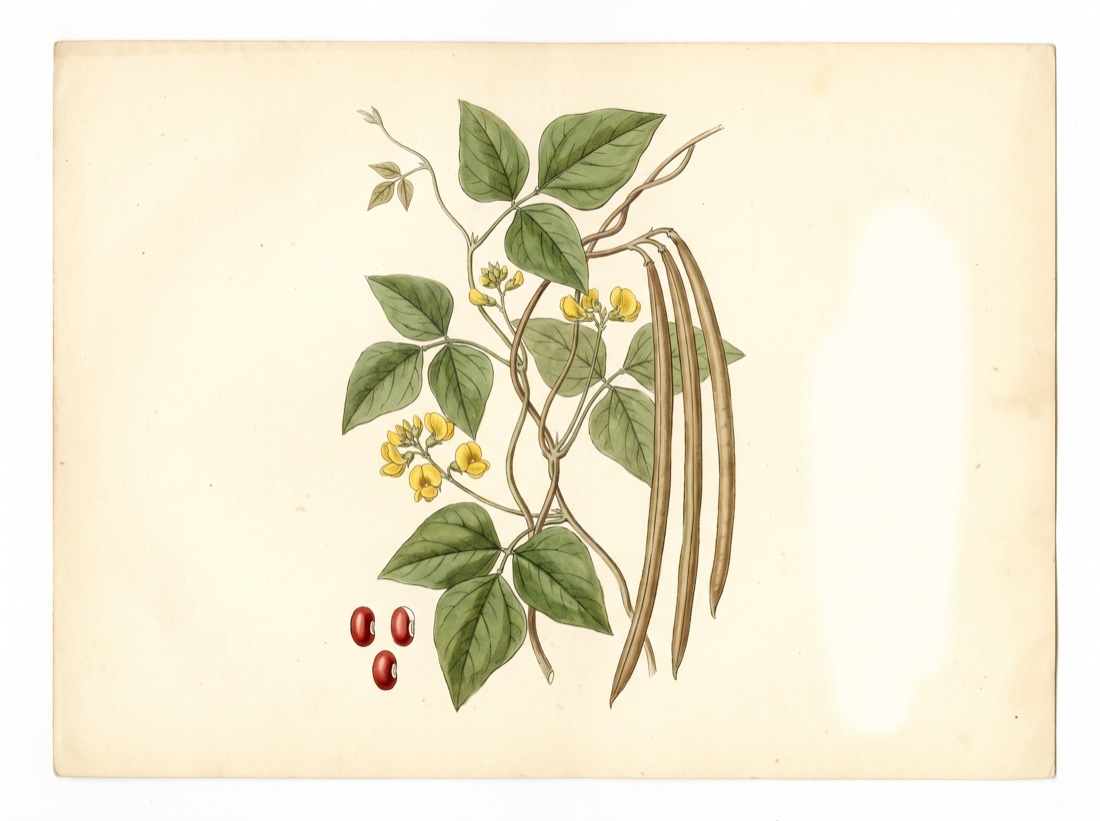 Rice beanVigna umbellata
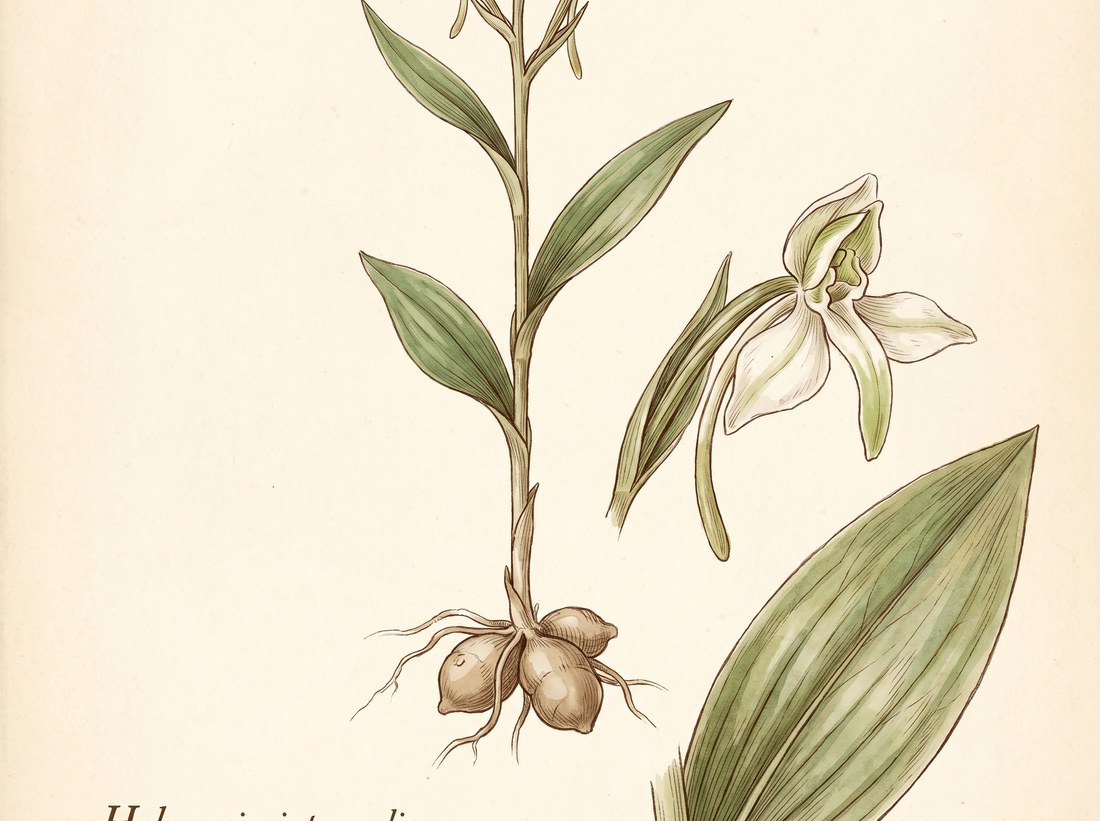 Riddhi orchidHabenaria intermedia
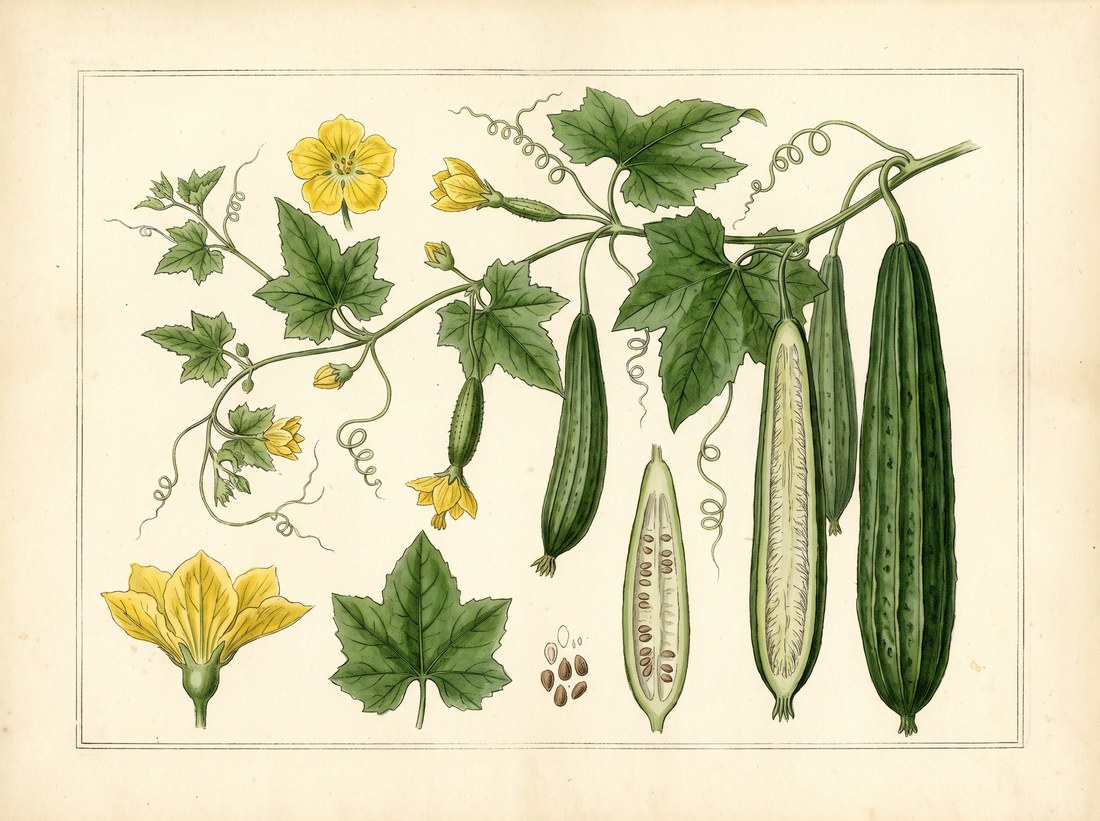 Ridge gourdLuffa acutangula
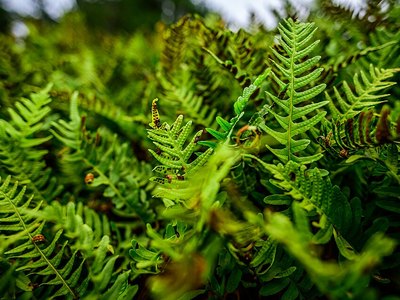 Rock polypodyPolypodium vulgare
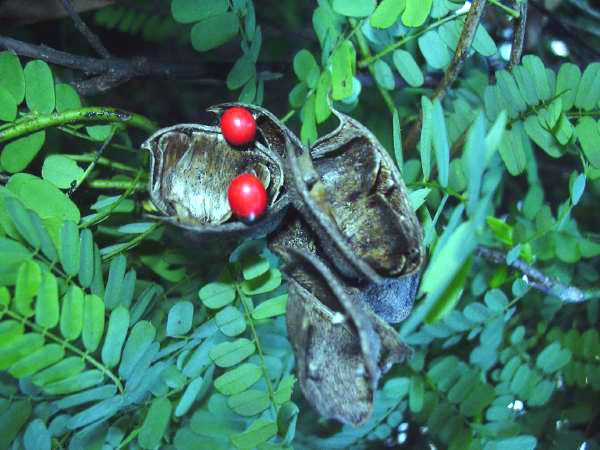 Rosary peaAbrus precatorius
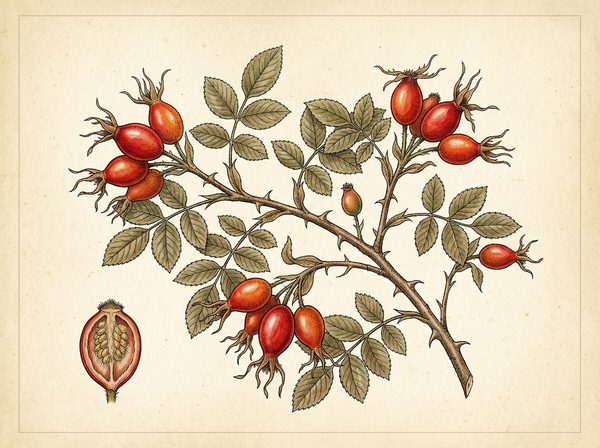 RosehipRosa canina
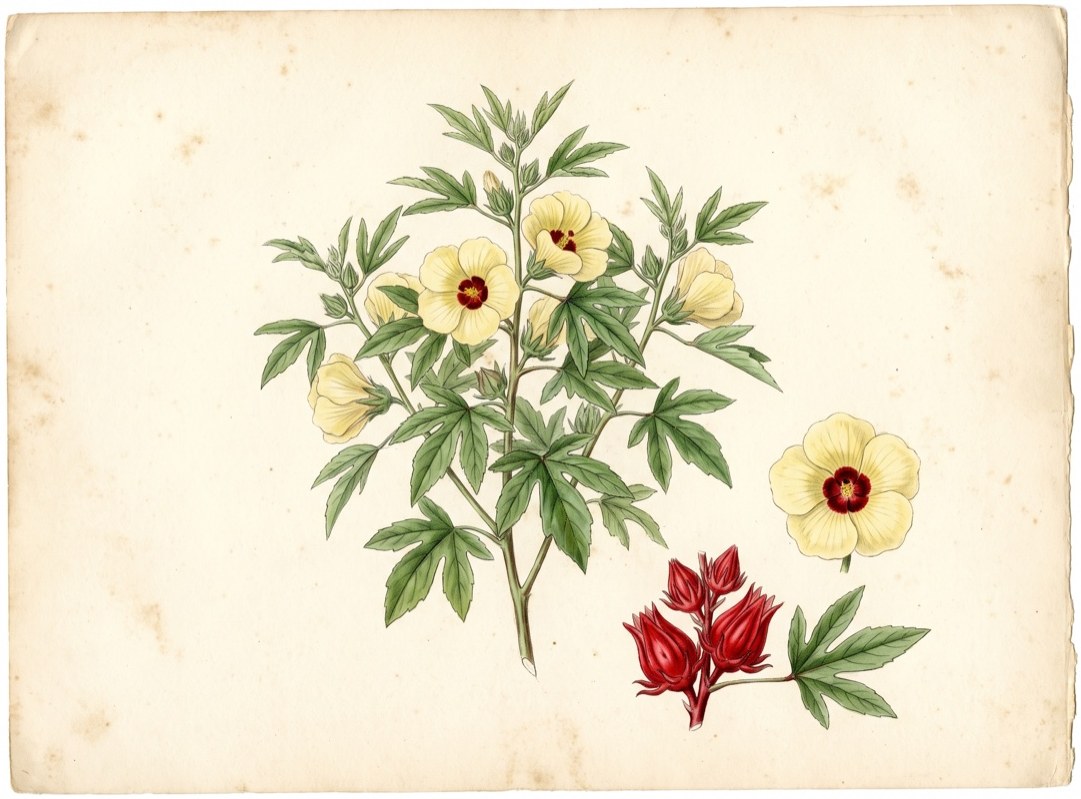 RoselleHibiscus sabdariffa
 RosemaryRosmarinus officinalis
The whole plate is in the library. The compass, Compare, the Sky of eleven hundred plants and the formulary open with an email address and a password, free, with the formula builder and its safety engine. Herbert without limit, his formulating, clients, the handouts and the labels are the paid room.
Open the library, free