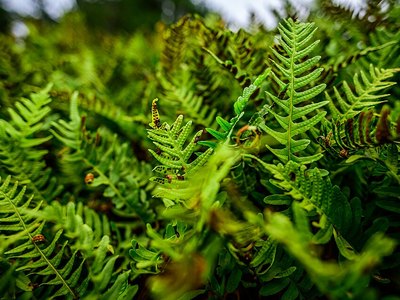
Western Herbalism
Rock polypody
Polypodium vulgare
Also known as Brake root, Female fern, Wall fern, Sweet fern rhizome, Adder's fern, Common Polypody, Rock polypod, Fern-root.
Rock polypody is a small, evergreen fern native to shaded rocky woodland and old walls across the northern temperate zone, including much of North America and Europe. Its slender, scaly rhizome, notable for a lingering sweet aftertaste once chewed, has long been gathered as a gentle household remedy. It found a settled place in nineteenth century physiomedical and eclectic American herbalism as a mild relaxant tonic to the bowel and chest, used in decoction or syrup rather than as a heroic remedy.

Ask Herbert about Rock polypody. Herbert is the master herbalist inside Bountiful Herbs: he answers from this plate and eleven hundred others, with dosing, pairing and cautions. Your first ten questions are free.
Ask HerbertActions
Indications what the tradition reached for it in
- Chronic constipation with dry, hard stool
- Sluggish digestion with torpid liver
- Chronic bronchial catarrh with thick mucus
- Whooping cough
- Mild intestinal worm infestation
- Skin eruptions attributed to poor elimination
- Convalescence after febrile illness
- General debility with dry tissue states
Specific indications
Dry, sluggish bowel in a person of relaxed, atonic constitution rather than acute spasmodic constipation
Persistent, unproductive cough with tenacious phlegm in a chronically catarrhal chest
Safety
Pregnancy: Avoid in pregnancy given the absence of modern safety data and the historical use of ferns generally as vermifuges and purgatives.
Breastfeeding: Avoid during lactation for the same reason of insufficient modern safety data.
The record lists 3 contraindications; open the plate in the library to read them in full.
In practice
Physiomedical writers placed rock polypody among the milder relaxant demulcents, reaching for it in cases of dry, atonic constipation where a harsh purgative would only aggravate the underlying tissue laxity.
Dosing as the sources wrote it
| Preparation | As written | Metric |
|---|---|---|
| Decoction | 2-4 g dried rhizome daily, simmered gently | 2000-4000 mg |
| Tincture (1:5, 40%) | 2-4 mL three times daily | 2-4 mL |
| Syrup | 5-10 mL of a traditional decocted syrup, once or twice daily for cough | 5-10 mL |
| powdered plant | Dose of the powdered plant, from 1 to 4 drachms; of the decoction or syrup, from 1 to 4 fluid ounces, 3 or 4 times a day. | 3888-15552 mg |
Doses are reproduced from the sources for practitioners and are not a recommendation for any person.
From the sources
Overview. Rock polypody is a small, evergreen fern native to shaded rocky woodland and old walls across the northern temperate zone, including much of North America and Europe. Its slender, scaly rhizome, notable for a lingering sweet aftertaste once chewed, has long been gathered as a gentle household remedy. It found a settled place in nineteenth century physiomedical and eclectic American herbalism as a mild relaxant tonic to the bowel and chest, used in decoction or syrup rather than as a heroic remedy.
Clinical Notes. Physiomedical writers placed rock polypody among the milder relaxant demulcents, reaching for it in cases of dry, atonic constipation where a harsh purgative would only aggravate the underlying tissue laxity.
Properties and Uses. The root of this plant is demulcent and somewhat tonic, acting upon both the lungs and the bowels. An infusion or sirup is used as an expectorant tonic and mild laxative, but requires to be used very freely to make much impression. It is reported anthelmintic, and an oil is said to be obtained from it after the manner employed for procuring oil of aspidium; but its power of removing worms has been much overrated. Medical Herbalism journal and medherb.com The Physiomedical Dispensatory by William Cook, M.D., 1869 POLYTRICHUM JUNIPERUM HAIR-CAP MOSS, ROBIN’S RYE, BEAR’S BED
Properties and Uses. This plant was first brought into notice by Dr. Wm. Wood, of Connecticut, and was subsequently spoken of by Dr. A. Hunter, of Vermont, both Allopathic physicians; and to them is due the honor of its introduction, though Dr.
Drawn from Cook's Physio-Medical Dispensatory; King's American Dispensatory, 18th edition (Felter and Lloyd), and the Bountiful Herbs editorial.
Nearby on the shelf
 RiceOryza
 Rice beanVigna umbellata
 Riddhi orchidHabenaria intermedia
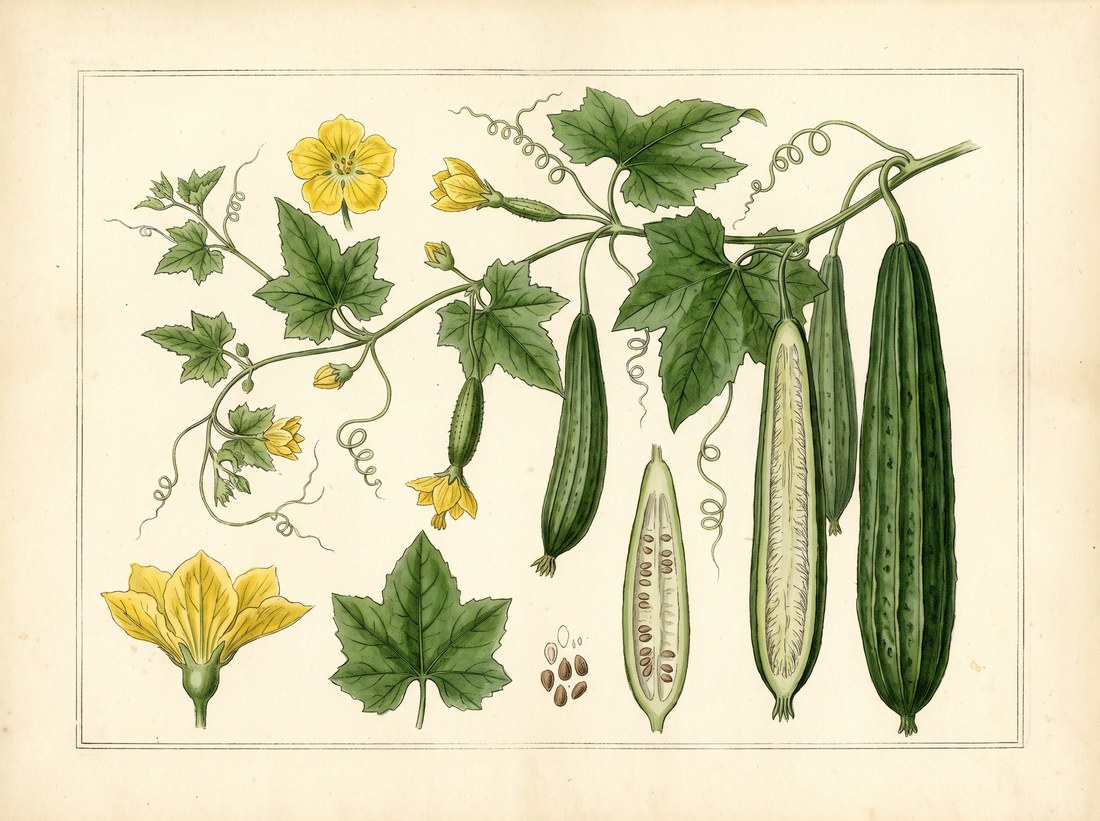 Ridge gourdLuffa acutangula
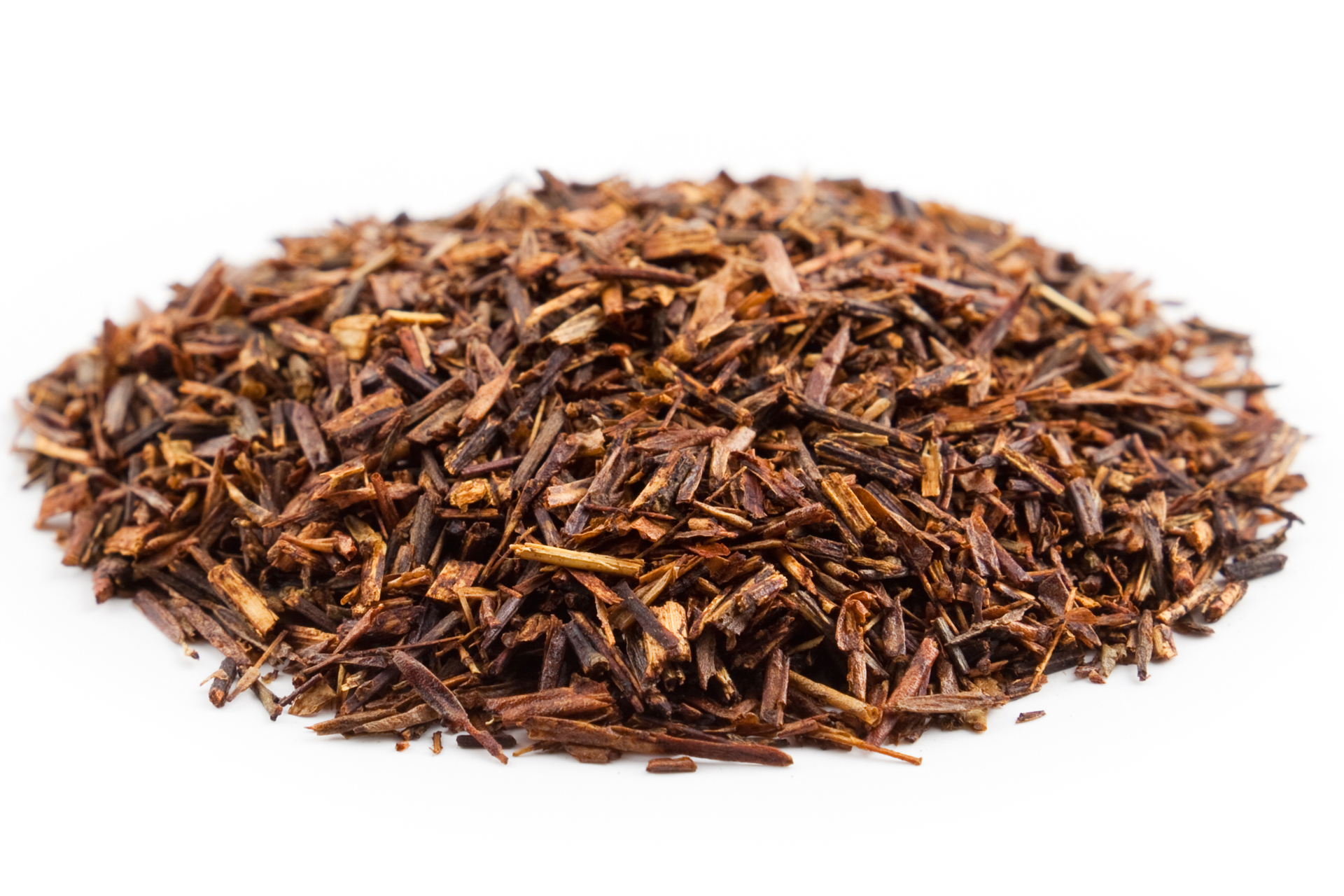 RooibosAspalathus linearis
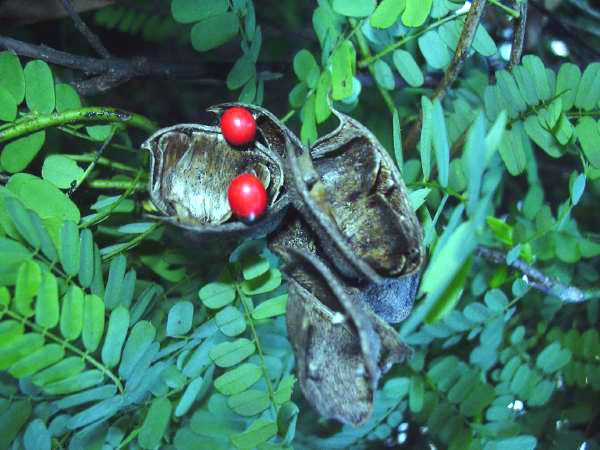 Rosary peaAbrus precatorius
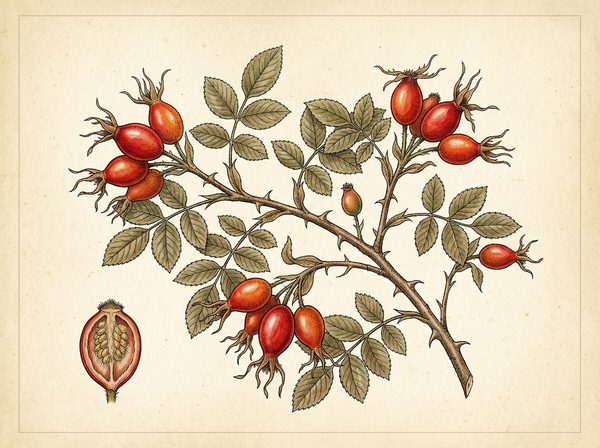 RosehipRosa canina
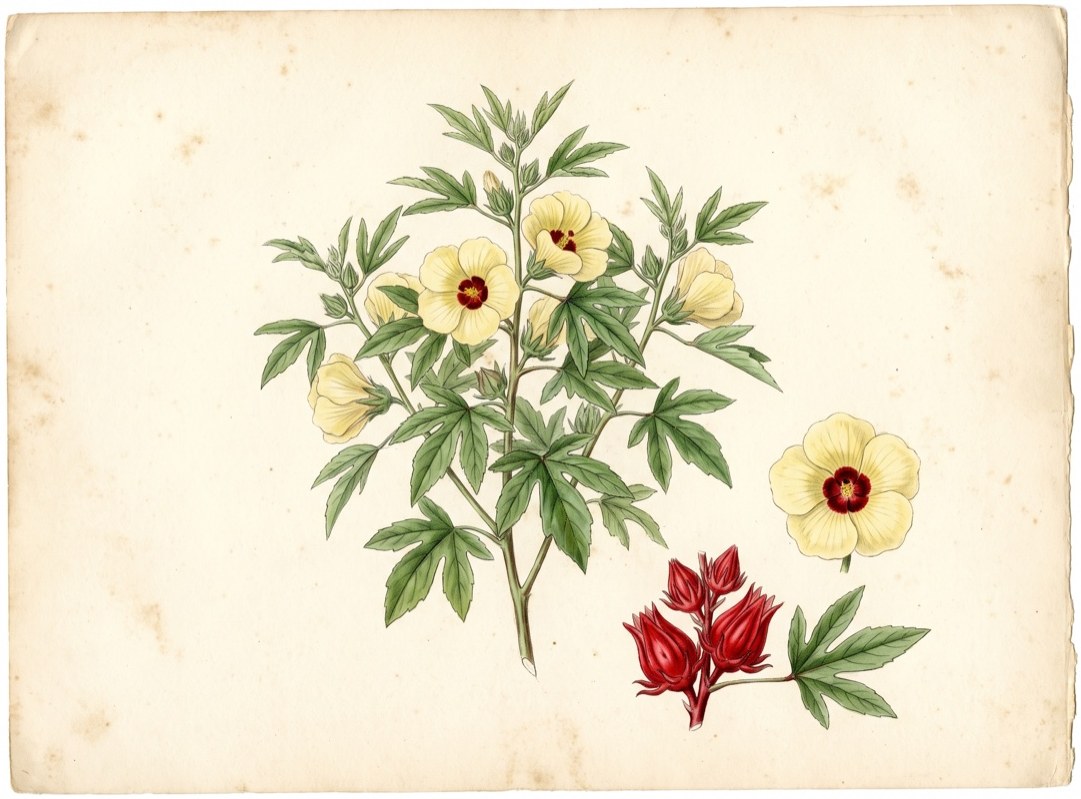 RoselleHibiscus sabdariffa
The whole plate is in the library. The compass, Compare, the Sky of eleven hundred plants and the formulary open with an email address and a password, free, with the formula builder and its safety engine. Herbert without limit, his formulating, clients, the handouts and the labels are the paid room.
Open the library, free