
Western Herbalism
Rosehip
Rosa canina
Also known as Dog rose hip, Dog Rose, Hip-tree, Wild brier; Cynosbata, Fructus cynosbati.
Standardized powder (seeds and husks) used in clinical trials for osteoarthritis showing reduced pain and improved mobility Current Therapeutic Research High vitamin C content may cause gastric irritation if not processed adequately

Ask Herbert about Rosehip. Herbert is the master herbalist inside Bountiful Herbs: he answers from this plate and eleven hundred others, with dosing, pairing and cautions. Your first ten questions are free.
Ask HerbertActions
Indications what the tradition reached for it in
- Rheumatic pain
- Constipation
- Diarrhea
- Osteoarthritis
- Gout
- Gastritis
- Low back pain
- Scurvy
- Rheumatoid arthritis
- Skin lesions
- Dysentery
- Colds
- Urinary tract disorder
- Hemorrhoids
- Joint pain and stiffness
- Infection
- Flu
- Bleeding
- Edema
- Fluid retention
- Inflammation
- Urinary disorders
- Wounds
- Arthritis
- Oxidative stress
- Excessive discharge
- Diabetes
- Hyperglycemia
Safety
The record lists 1 contraindication; open the plate in the library to read them in full.
Dosing as the sources wrote it
| Preparation | As written | Metric |
|---|---|---|
| Powder: 5 g daily | 5000-5000 mg | |
| Tea/decoction: 6-12 g daily | 6000-12000 mg | |
| Tincture: 5-15 mL daily | 5-15 mL |
Doses are reproduced from the sources for practitioners and are not a recommendation for any person.
From the sources
Clinical Notes. Standardized powder (seeds and husks) used in clinical trials for osteoarthritis showing reduced pain and improved mobility Current Therapeutic Research High vitamin C content may cause gastric irritation if not processed adequately
Pharmaceutical and Medical Uses. This rose, on account of its delightful fragrancy, is principally employed in France for the distillation of rose-water, so much used in collyria and other lotions; taken internally, it is said to be gently aperient, but is seldom, if ever, administered for this purpose.
History, Description, and Chemical Composition. The native country of this rose-bush is unknown; but it is extensively cultivated in nearly all parts of the world, forming a valuable ornament to gardens. There are many varieties, the most fragrant of which are the best adapted for use.
indications. Rosehip is traditionally indicated for: Rheumatic pain, Constipation, Diarrhea, Osteoarthritis, Gout, Gastritis, Low back pain, Scurvy, Rheumatoid arthritis, Skin lesions, Dysentery, Colds, Urinary tract disorder, Hemorrhoids, Joint pain and stiffness, and 13 further conditions.
Drawn from King's American Dispensatory, 18th edition (Felter and Lloyd), and the Bountiful Herbs editorial.
Nearby on the shelf
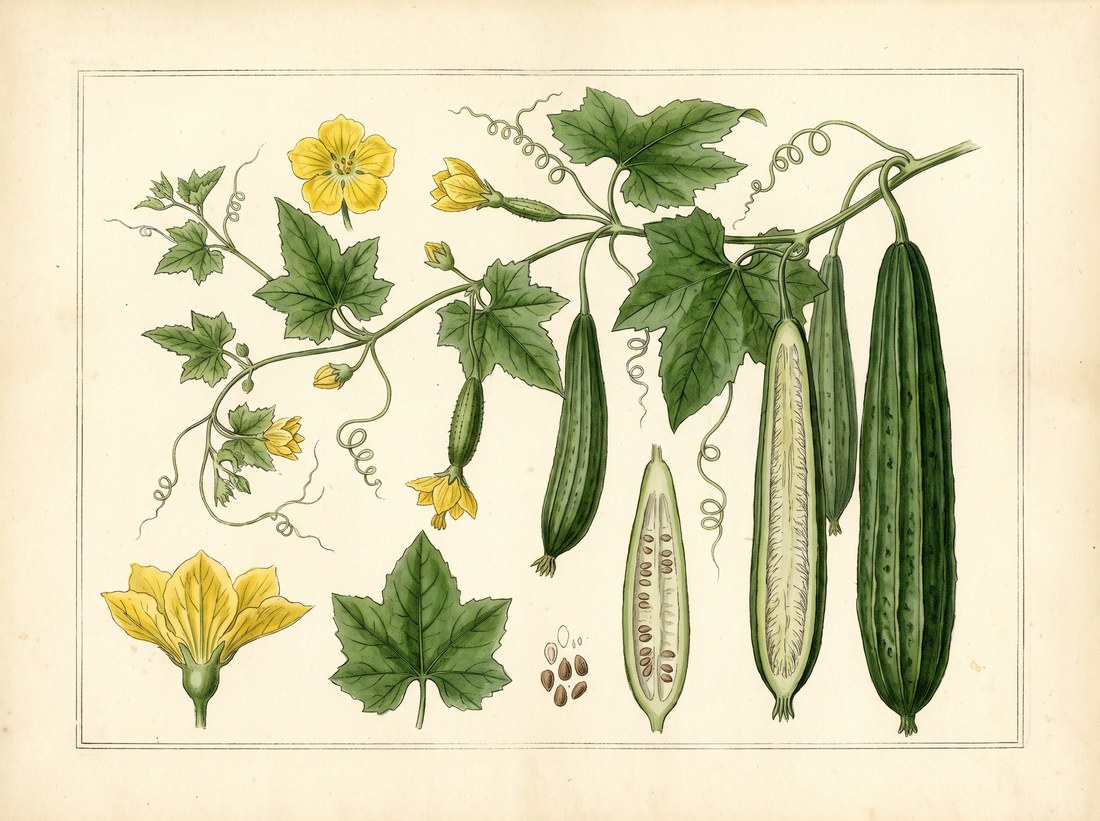 Ridge gourdLuffa acutangula
 Rock polypodyPolypodium vulgare
 RooibosAspalathus linearis
 Rosary peaAbrus precatorius
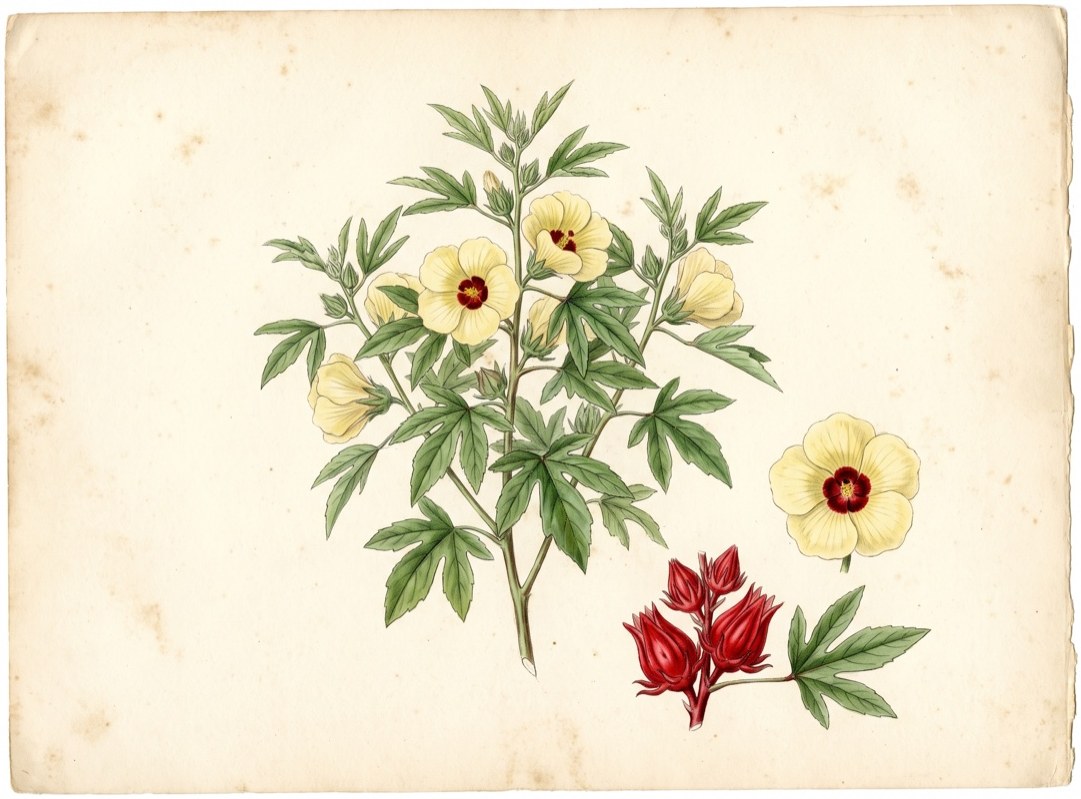 RoselleHibiscus sabdariffa
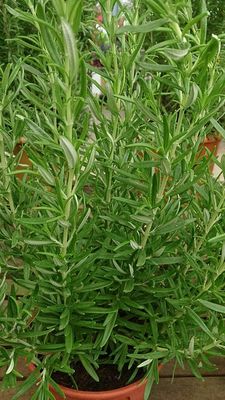 RosemaryRosmarinus officinalis
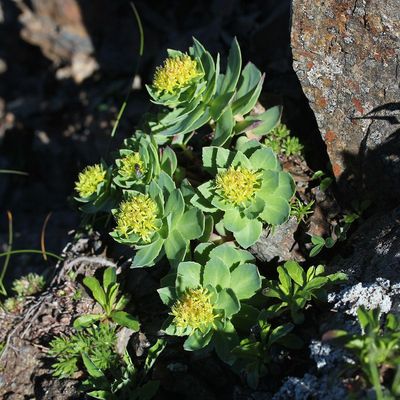 RoserootRhodiola rosea
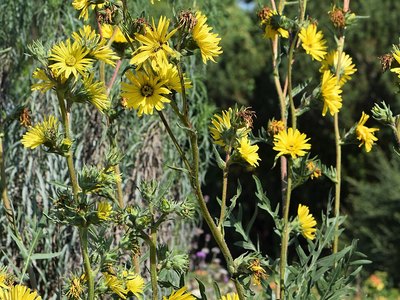 Rosin weedSilphium laciniatum
The whole plate is in the library. The compass, Compare, the Sky of eleven hundred plants and the formulary open with an email address and a password, free, with the formula builder and its safety engine. Herbert without limit, his formulating, clients, the handouts and the labels are the paid room.
Open the library, free