Western and Ayurvedic herbalism
Sesame
Sesamum indicum
Also known as gingelly, benne, til, Sesame leaves, Sesame seeds, Beniseed, Tila, Snehaphala, Homadhanya.
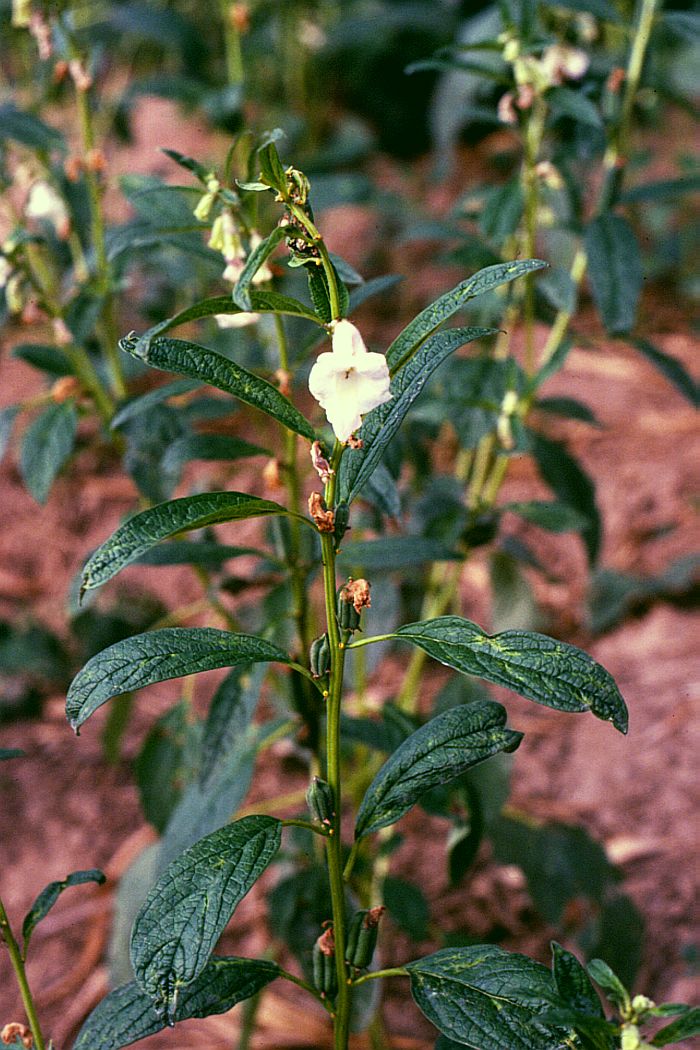
Sesamum indicum is an erect annual with bell-shaped flowers and seed capsules that split when ripe, domesticated in India several thousand years ago and now grown across Gujarat, Rajasthan, Madhya Pradesh, Uttar Pradesh and the southern states. Ayurveda regards Tila as the best of the oil seeds and Tila taila as the finest of all oils for vata, sukshma enough to enter the finest channels and the base of most medicated oils. The black seed is preferred for medicine.

Ask Herbert about Sesame. Herbert is the master herbalist inside Bountiful Herbs: he answers from this plate and eleven hundred others, with dosing, pairing and cautions. Your first ten questions are free.
Ask HerbertActions
Indications what the tradition reached for it in
- Dry skin, dry hair and dry mucous membranes of vata type
- Chronic joint and muscle pain relieved by warmth and oil
- Constipation with dry hard stools
- Underweight and convalescence
- Osteopenia and slow fracture healing (traditional adjunct)
- Mild hypertension and dyslipidemia (dietary oil substitution)
- Insufficient lactation
- Gingivitis and dental sensitivity (oil holding)
- Dry cough and hoarseness (oil gargle)
- Scanty painful menses of vata type
- Insomnia and anxiety (warm oil massage and foot rub)
- Constipation
- Dry cough with scanty sputum
- Dysentery and diarrhea (leaf tea, historical)
- Cholera infantum and infant diarrhea (historical benne leaf tea)
- Dry or irritated skin
- Convalescence and undernutrition
- Hyperlipidemia (adjunctive, modern use)
- Mild hypertension (adjunctive, modern use)
- Cerumen impaction (oil as softening drops)
- Minor burns and wounds (topical oil)
Specific indications
A thin, cold, restless patient with dry cracking skin, stiff joints in the morning and hard infrequent stools who feels better after a warm oil massage
The postpartum mother who is depleted, sleeping badly and not producing enough milk, for sesame seed with jaggery and daily oil massage
A hypertensive diabetic whose kitchen oil can be switched to sesame as part of dietary care
Chronic low back and sciatic pain in an older vata patient, for warm medicated sesame oil applied nightly
Safety
The record lists 7 contraindications; open the plate in the library to read them in full.
In practice
For the Ayurvedic physician sesame oil is not so much a remedy as the medium of practice. Daily abhyanga with warm sesame oil is the standard measure against vata: dryness, stiffness, tremor, insomnia, anxiety and the fragility of age.
In Ayurveda
Rasa: madhura (sweet), tikta (bitter), kashaya (astringent). Virya: ushna (heating). Vipaka: madhura (sweet). Guna: guru (heavy), snigdha (unctuous), sukshma (subtle, penetrating), vyavayi (spreads quickly). Dosha: pacifies vata; increases kapha and pitta in excess; the oil is the best of all oils for vata. Prabhava: Tila taila is considered the supreme vatahara sneha and the base for most medicated oils. Karma: vatahara (pacifies vata); balya (strengthening); brimhana (nourishing, builds tissue); keshya (benefits the hair); twachya (benefits the skin); dantya (strengthens the teeth); vrishya (aphrodisiac); medhya (supports intellect); vranaropana (heals wounds); mutrasangrahaniya (reduces excess urination); stanyajanana (promotes lactation); asthisandhanakara (knits bone). Classical indications: vatavyadhi (disorders of vata, joint and nerve pain); kshaya (wasting); asthibhagna (fractures); keshapatana (hair loss); danta roga (dental disease); vrana (wounds); arsha (hemorrhoids); bahumutrata (excess urination); kashtartava (painful menstruation); shirahshula (headache, by nasal and head oil); karnashula (ear pain). The seed, especially black sesame, is eaten as food and given as a paste (kalka) with jaggery for vata, bones and lactation. The cold pressed oil is the great vehicle of Ayurveda: used plain or medicated for abhyanga (massage), gandusha (oil holding in the mouth), nasya (nasal drops), karnapurana (ear filling), basti (enema) and shirodhara, and as the base of nearly every classical taila. Classical formulations: Tila taila (plain), Ksheerabala taila, Narayana taila, Mahanarayana taila, Anu taila, Dhanwantharam taila, Bala taila, Tila kalka with guda. Described in: Charaka Samhita, Sushruta Samhita, Ashtanga Hridaya, Bhavaprakasha Nighantu, Dhanvantari Nighantu, Raja Nighantu, Sharngadhara Samhita, Ayurvedic Pharmacopoeia of India.
Dosing as the sources wrote it
| Preparation | As written | Metric |
|---|---|---|
| Tila taila, abhyanga | 50-100 mL warm oil applied to the body before bathing | 50-100 mL |
| Tila taila, internal | 5-15 mL oil daily with food or in warm milk | 5-15 mL |
| Seed (kalka) | 10-20 g black sesame seed daily as paste with jaggery | 10000-20000 mg |
| Gandusha | 10-15 mL oil held in the mouth for ten minutes each morning | 10-15 mL |
| Nasya | 2-4 drops plain or medicated oil into each nostril | 0.04-0.08 mL |
| Action, Medical Uses, and Dosage: A fresh leaf or two added to ½ pint of water forms a pleasant, demulcent drink, very useful in catarrhal affections, acute diarrhoea and dysentery, summer complaint of children, and affections of the bladder, kidneys, and urethra. It may be drank freely. When the leaves are dried, their mucilage will be best extracted by water at 100° C. (212° F.). The mucilage forms an excellent soothing application in ophthalmia, irritations, cutaneous affections, etc. |
Doses are reproduced from the sources for practitioners and are not a recommendation for any person.
From the sources
Overview. Sesamum indicum is an erect annual with bell-shaped flowers and seed capsules that split when ripe, domesticated in India several thousand years ago and now grown across Gujarat, Rajasthan, Madhya Pradesh, Uttar Pradesh and the southern states. Ayurveda regards Tila as the best of the oil seeds and Tila taila as the finest of all oils for vata, sukshma enough to enter the finest channels and the base of most medicated oils. The black seed is preferred for medicine.
Overview. Sesame is an annual herb native to tropical Africa and long cultivated across South Asia, the Middle East, and the southern United States, chiefly for its oil-rich seeds. The seeds, their pressed oil, and the mucilaginous leaves have all seen use in food and medicine, with the leaves in particular carrying a distinct place in nineteenth century American eclectic and folk practice as benne leaf tea. In Ayurvedic and other Asian traditions the seed and oil are valued as a nourishing, oleaginous substance used both internally and as a massage medium, though this monograph follows the eclectic tradition recorded here.
Clinical Notes. For the Ayurvedic physician sesame oil is not so much a remedy as the medium of practice. Daily abhyanga with warm sesame oil is the standard measure against vata: dryness, stiffness, tremor, insomnia, anxiety and the fragility of age.
Clinical Notes. Sesame oil is one of the most reliable bland emollients available, useful as a base for liniments and as a gentle vehicle for other lipophilic remedies, and it softens hardened cerumen well when warmed slightly and instilled as ear drops.
Drawn from King's American Dispensatory, 18th edition (Felter and Lloyd), and the Bountiful Herbs editorial.
In formulas
Sesame stands in 85 documented formulas in the library, among them Miśreyārka, Kaṇṭakāryavaleha, Kalyāṇaka Guḍa, Cyavanaprāśa, Dantī Harītakī, Śivā Guṭikā.
Often paired with
 sandalwoodSantalum album
 costusSaussurea costus
 long pepperPiper longum
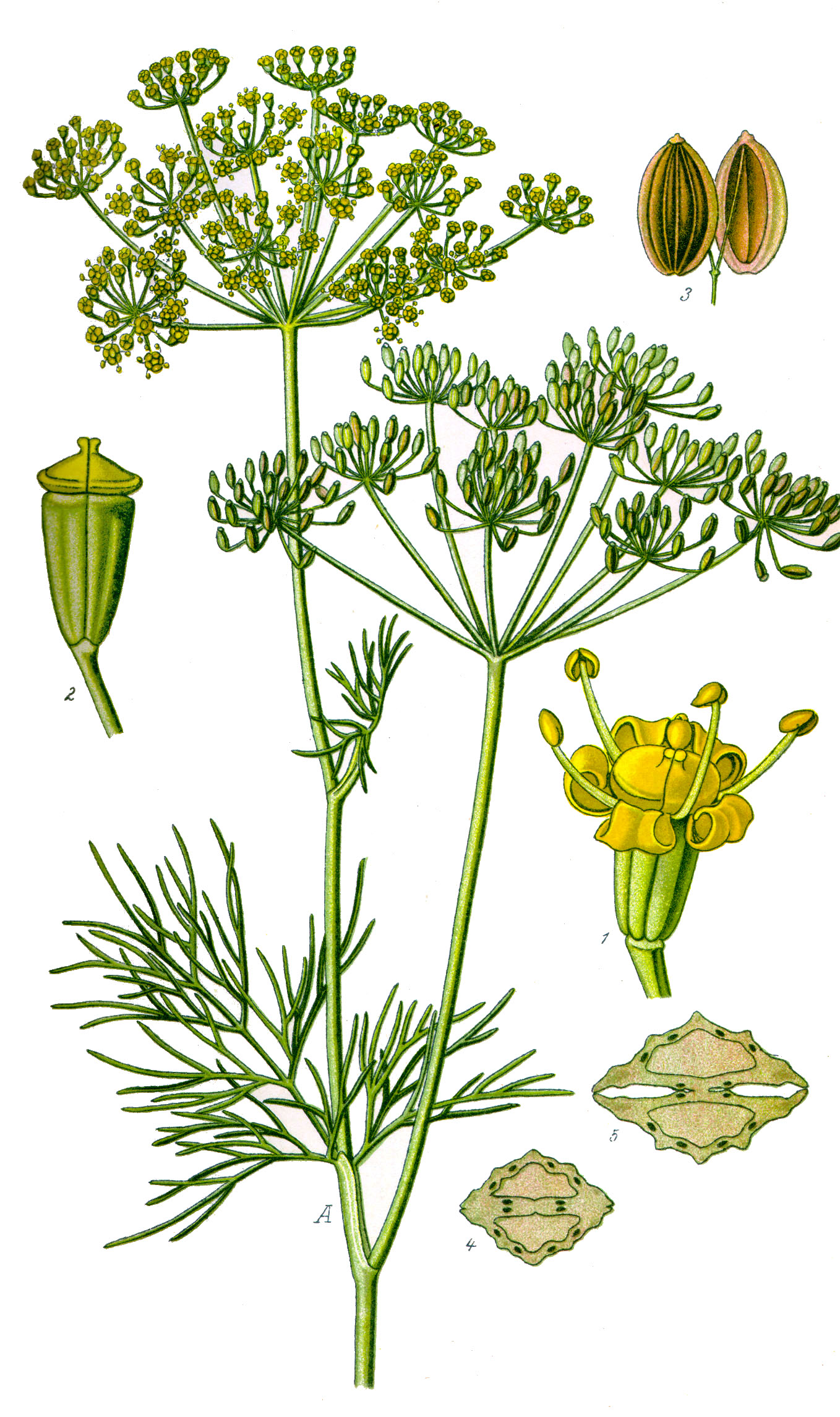 dillAnethum graveolens
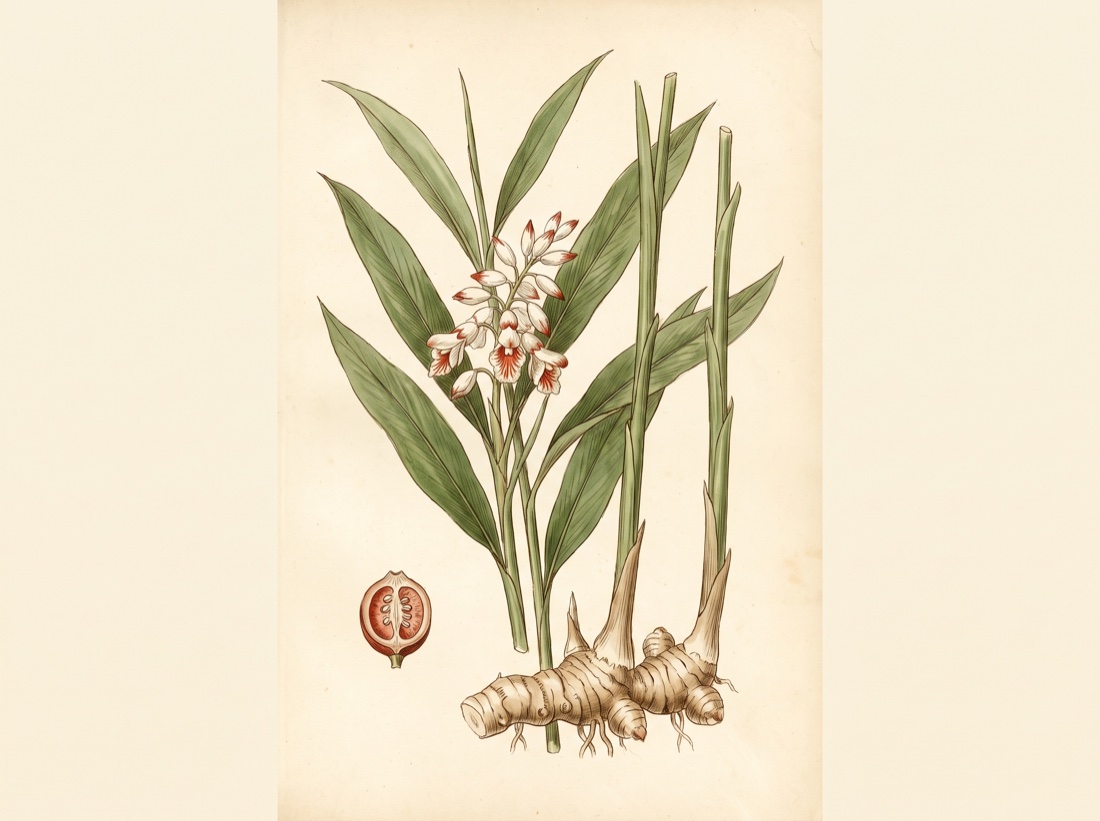 greater galangalAlpinia galanga
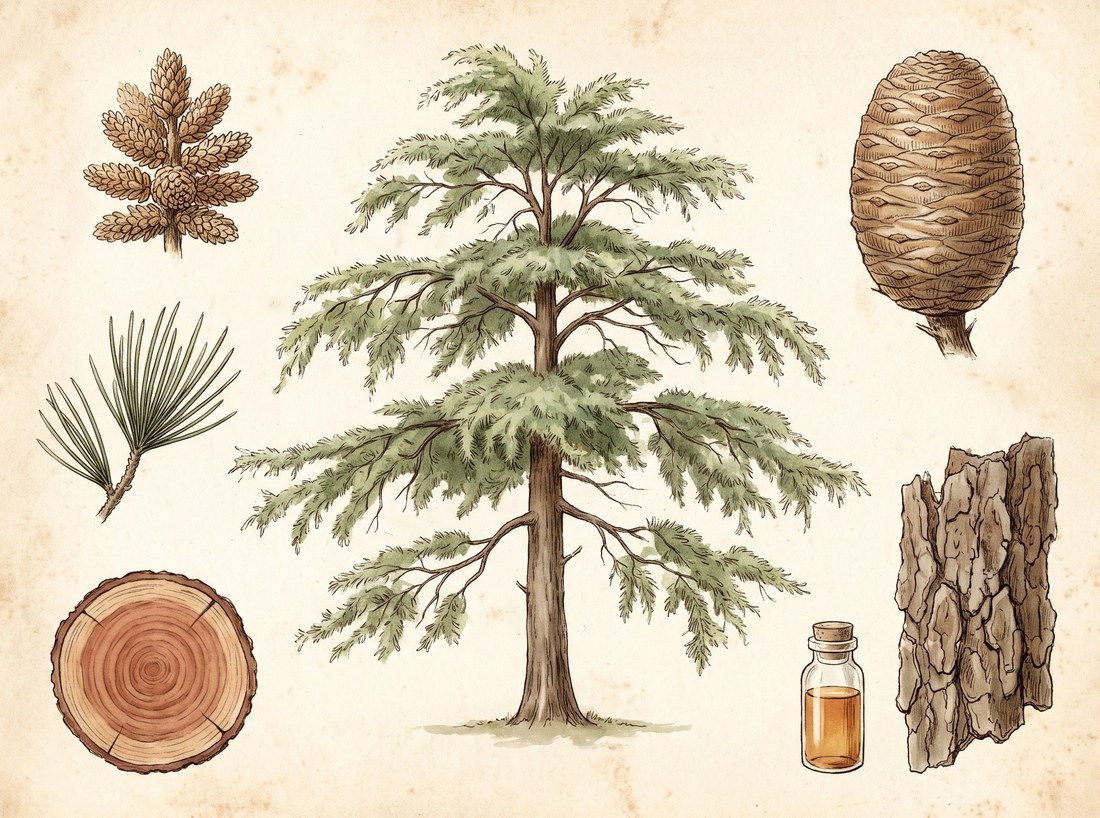 Himalayan cedarCedrus deodara
Nearby on the shelf
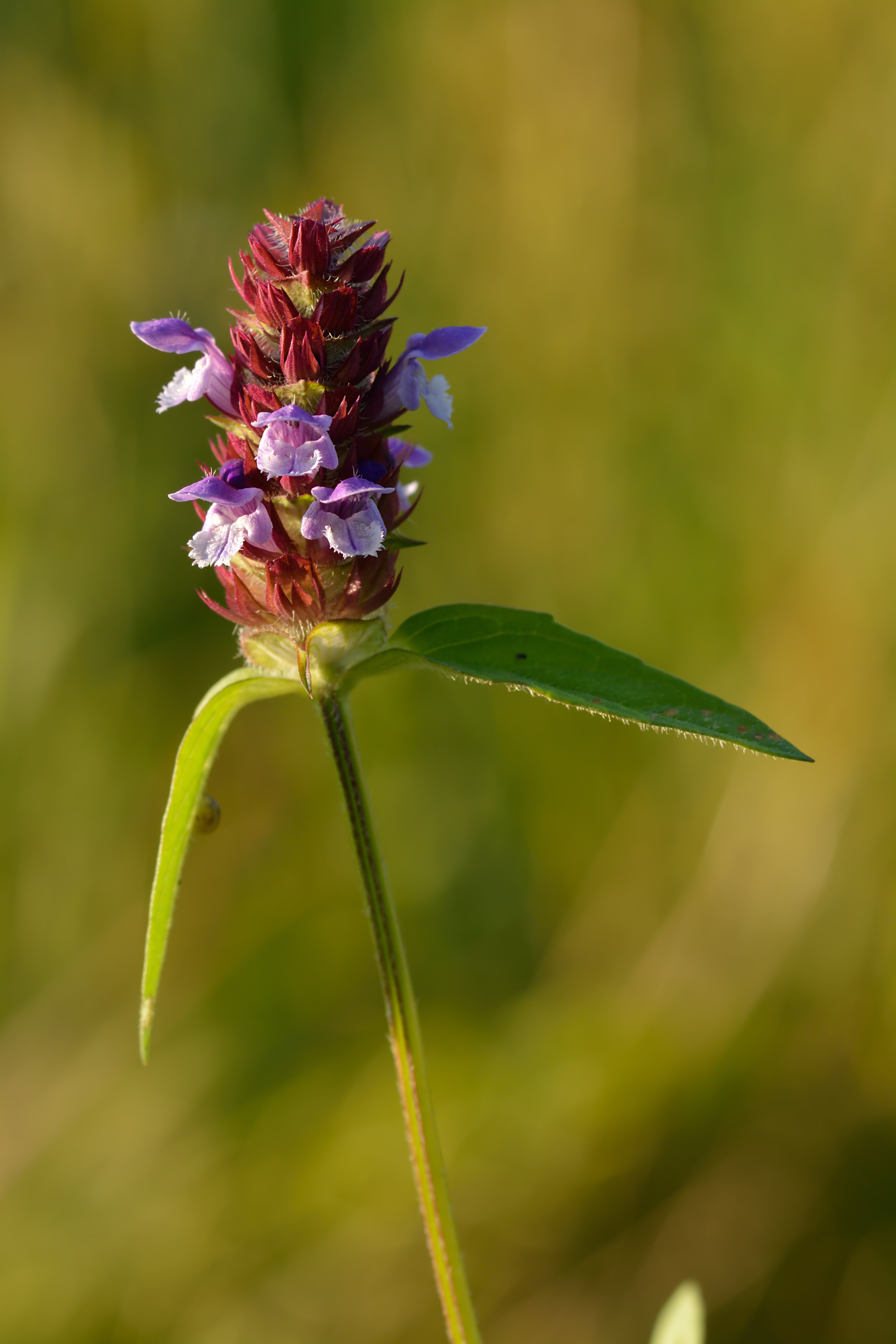 Self-HealPrunella vulgaris
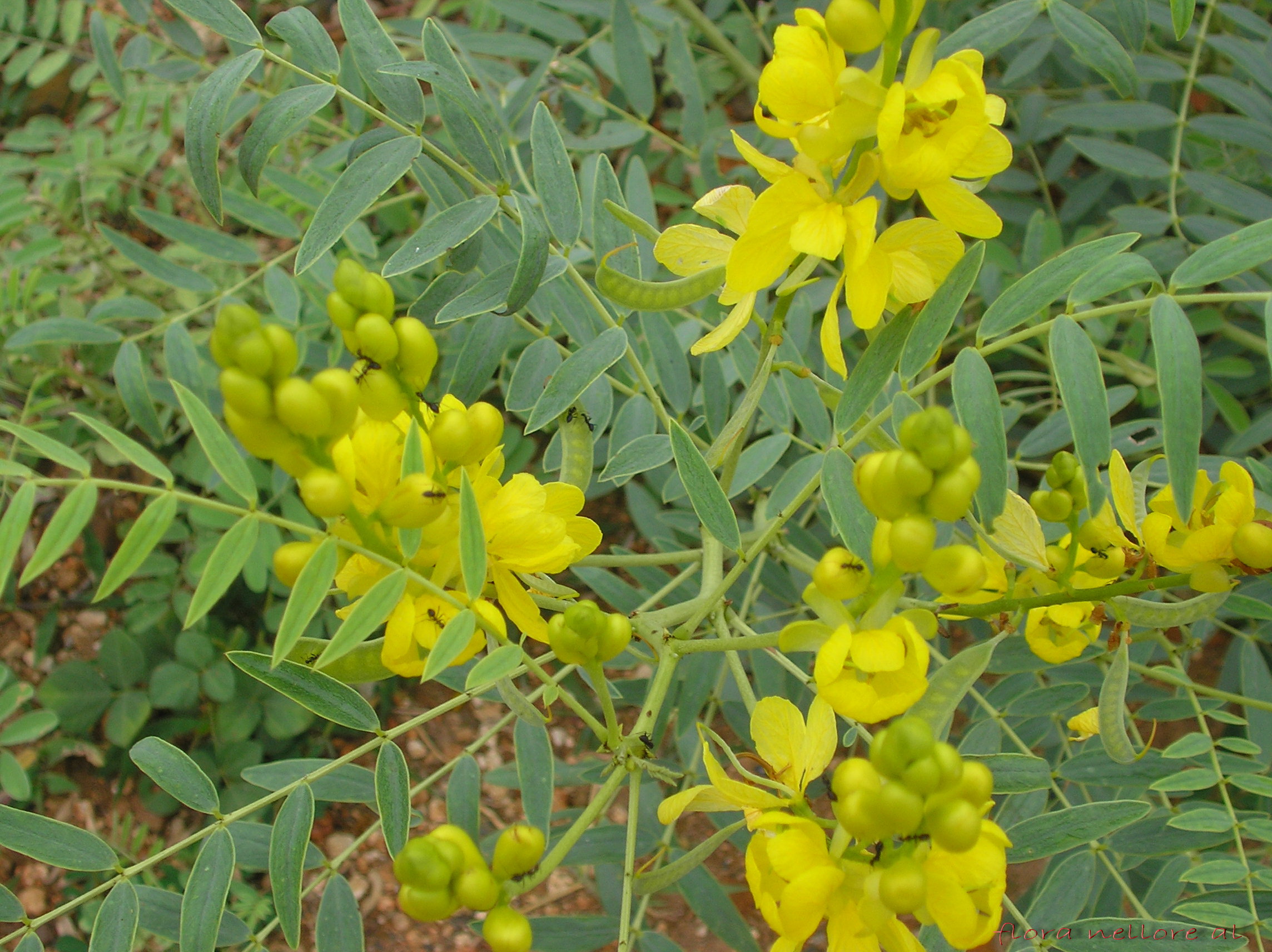 SennaSenna alexandrina
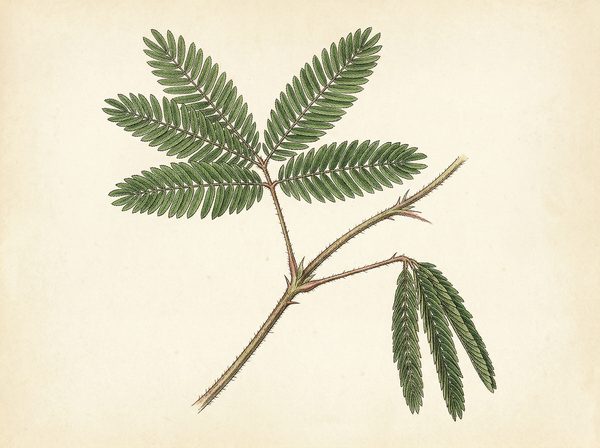 Sensitive plantMimosa pudica
 SerpentariaAristolochia serpentaria
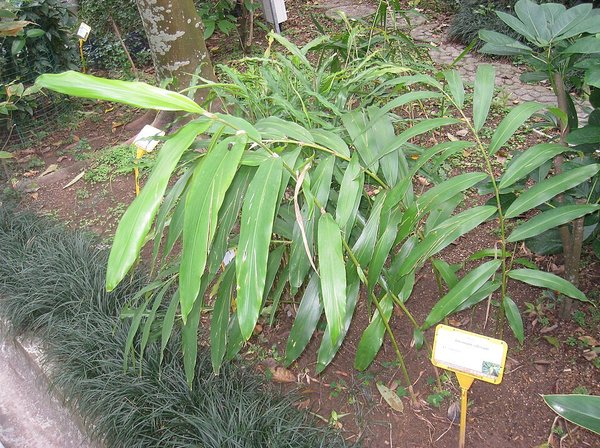 Sha RenAmomum villosum
 Shagbark hickoryCarya alba
 ShalparniDesmodium gangeticum
 Shan Ci GuCremastra appendiculata
The whole plate is in the library. The compass, Compare, the Sky of eleven hundred plants and the formulary open with an email address and a password, free, with the formula builder and its safety engine. Herbert without limit, his formulating, clients, the handouts and the labels are the paid room.
Open the library, free