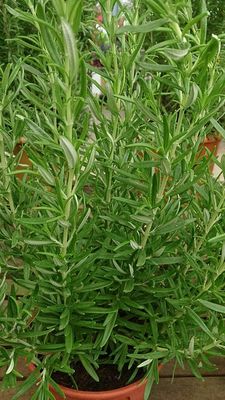
Western Herbalism
Rosemary
Rosmarinus officinalis
Also known as Rosmarinus officinalis, Folia roris marini, Folia anthos, Folia rosmarini.
The leaves are diffusively stimulating and relaxing in action; and when used as a warm infusion prove slightly diaphoretic and nervine, and somewhat emmenagogue. They are useful in recent colds, recent suppression of the menses from exposure, and as an antispasmodic in mild hysteria, painful menstruation, and other difficulties. Its tincture is sometimes added to other medicines as an adjuvant. The oil is a good nervine stimulant for external uses, as in neuralgia and other acute pains; and enters into compounds named under camphor and spearmint. The leaves are an ingredient in the Compound Spirits of Lavender. Medical Herbalism journal and medherb.com The Physiomedical Dispensatory by William Cook, M.D., 1869

Ask Herbert about Rosemary. Herbert is the master herbalist inside Bountiful Herbs: he answers from this plate and eleven hundred others, with dosing, pairing and cautions. Your first ten questions are free.
Ask HerbertActions
Indications what the tradition reached for it in
- Alzheimer's disease
- Low vitality
- Gas/bloating
- Cardiac weakness
- Congestive heart failure
- Headache
- Poor circulation
- Rheumatism
- Cold extremities
- Inflammation
- Pain (external, from cold/damp)
- Hypotension
- Memory concerns
- Depression
- Abdominal distension
- Bloating
- Colic
- Cramps
- Digestive discomfort
- Flatulence
- Gallbladder disorders
- Gas
- Infection
- Muscle spasms
- Nervous tension
- Dyspepsia
- Stress
- Digestive complaints
- Cognitive decline
- Poor memory
Safety
Pregnancy: Limited safety data in pregnancy
The record lists 2 contraindications; open the plate in the library to read them in full.
Dosing as the sources wrote it
| Preparation | As written | Metric |
|---|---|---|
| Tincture (1:2-1:3) | 2-5 ml TID | 2-5 mL |
| Infusion | 1-2 tsp/c BID-TID | |
| Dried leaf/twig 2-4 g as an infusion three times daily | 2000-4000 mg | |
| (G7) 4-6g daily | 4000-6000 mg | |
| (G3) Liquid extract 2-4 mL (1 : 1 in 45% alcohol) three times daily .(G7) | 2-4 mL | |
| · Infusion of dried leaf: 2-4 g three times daily | 2000-4000 mg |
Doses are reproduced from the sources for practitioners and are not a recommendation for any person.
From the sources
Properties and Uses. The leaves are diffusively stimulating and relaxing in action; and when used as a warm infusion prove slightly diaphoretic and nervine, and somewhat emmenagogue. They are useful in recent colds, recent suppression of the menses from exposure, and as an antispasmodic in mild hysteria, painful menstruation, and other difficulties. Its tincture is sometimes added to other medicines as an adjuvant. The oil is a good nervine stimulant for external uses, as in neuralgia and other acute pains; and enters into compounds named under camphor and spearmint. The leaves are an ingredient in the Compound Spirits of Lavender. Medical Herbalism journal and medherb.com The Physiomedical Dispensatory by William Cook, M.D., 1869
Action, Medical Uses, and Dosage. This agent is an efficient nerve stimulant, and may be employed in hysteroidal affections. Externally, it is applied to assuage local pains. Dose, 1 fluid drachm.
action. Rosemary has significant antimicrobial, anti-inflammatory, anti-oxidant, anti-apoptotic, anti-tumorigenic, antinociceptive and neuroprotective properties, with clinical effects on mood, learning, memory, pain, anxiety and sleep.
action. By increasing the flow of blood to the head, rosemary stimulates the brain and heightens concentration, and was traditionally used to increase overall vitality, improve circulation and mental outlook.
Drawn from Cook's Physio-Medical Dispensatory; King's American Dispensatory, 18th edition (Felter and Lloyd), and the Bountiful Herbs editorial.
Often paired with
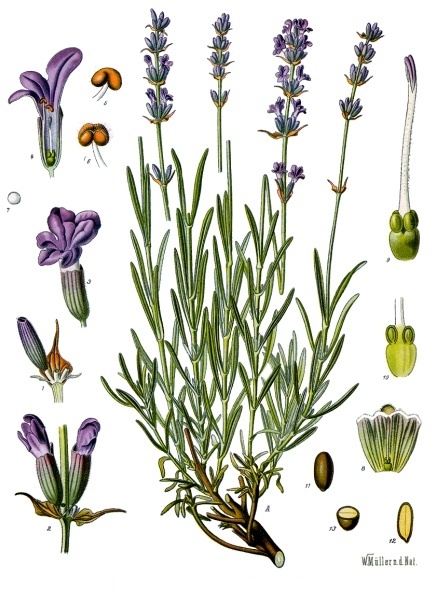 LavenderLavandula spp.
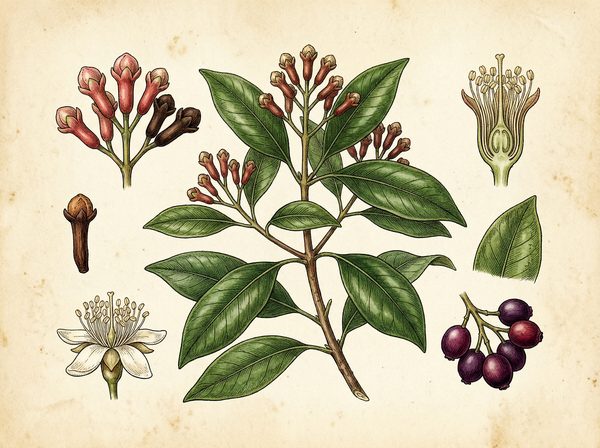 cloveSyzygium aromaticum
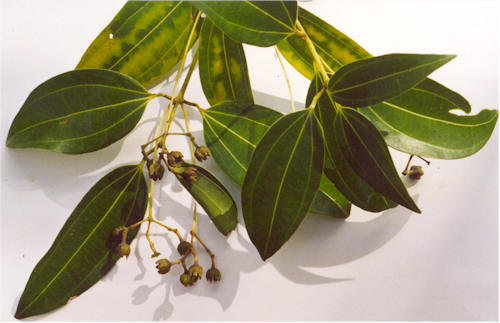 Ceylon cinnamonCinnamomum zeylanicum
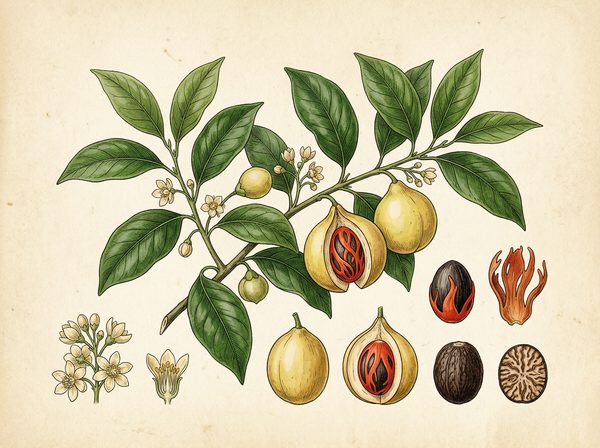 nutmegMyristica fragrans
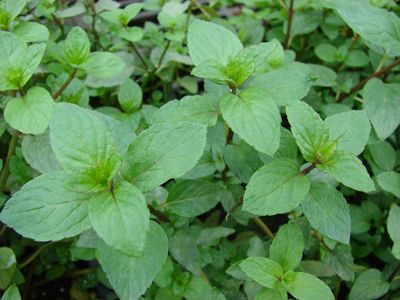 PeppermintMentha piperita
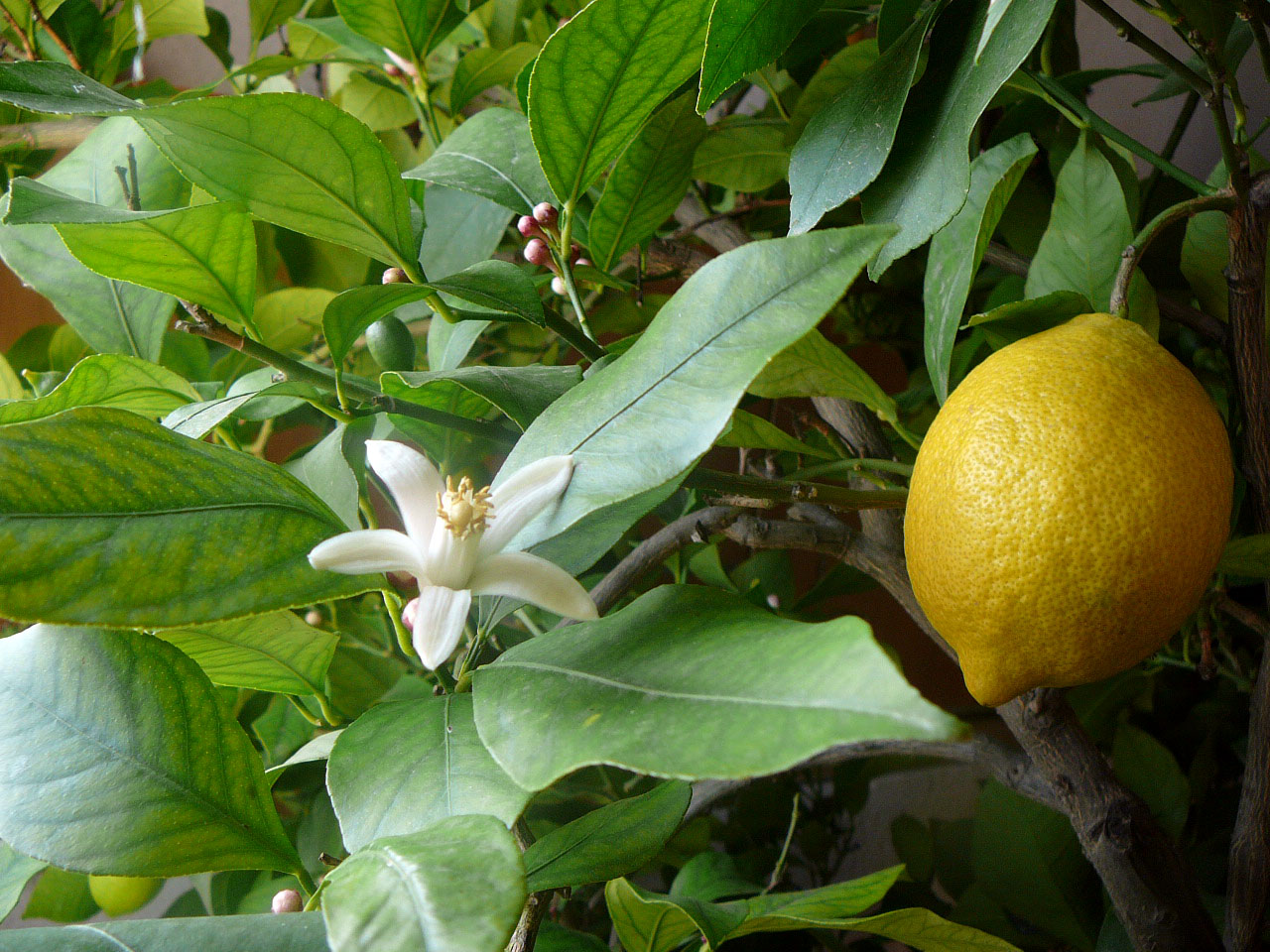 lemonCitrus limon
Nearby on the shelf
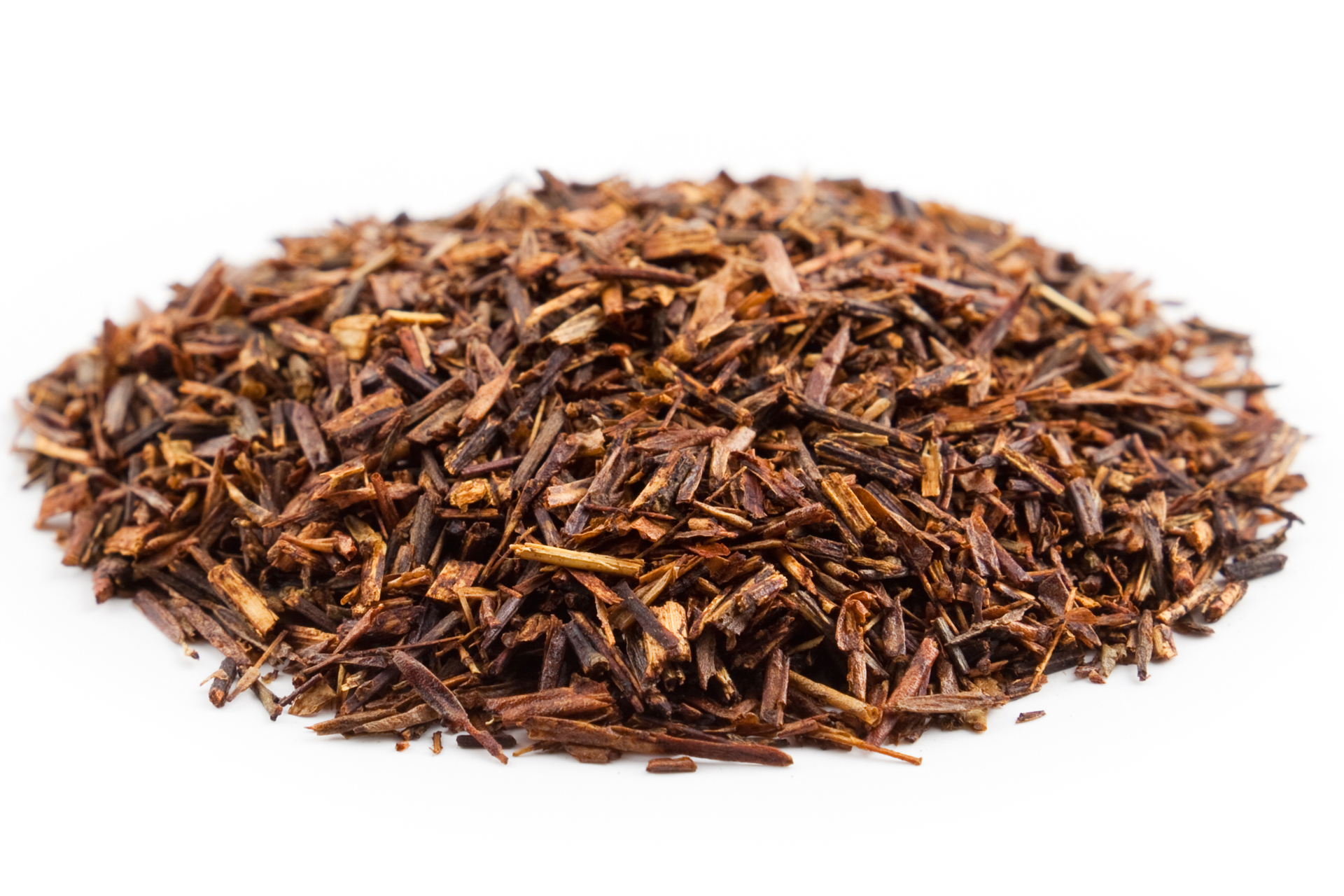 RooibosAspalathus linearis
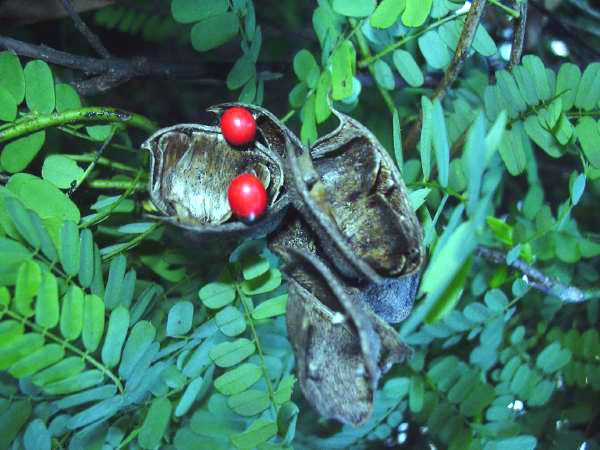 Rosary peaAbrus precatorius
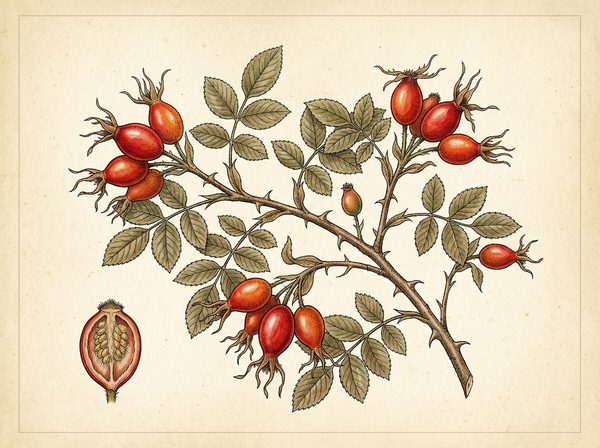 RosehipRosa canina
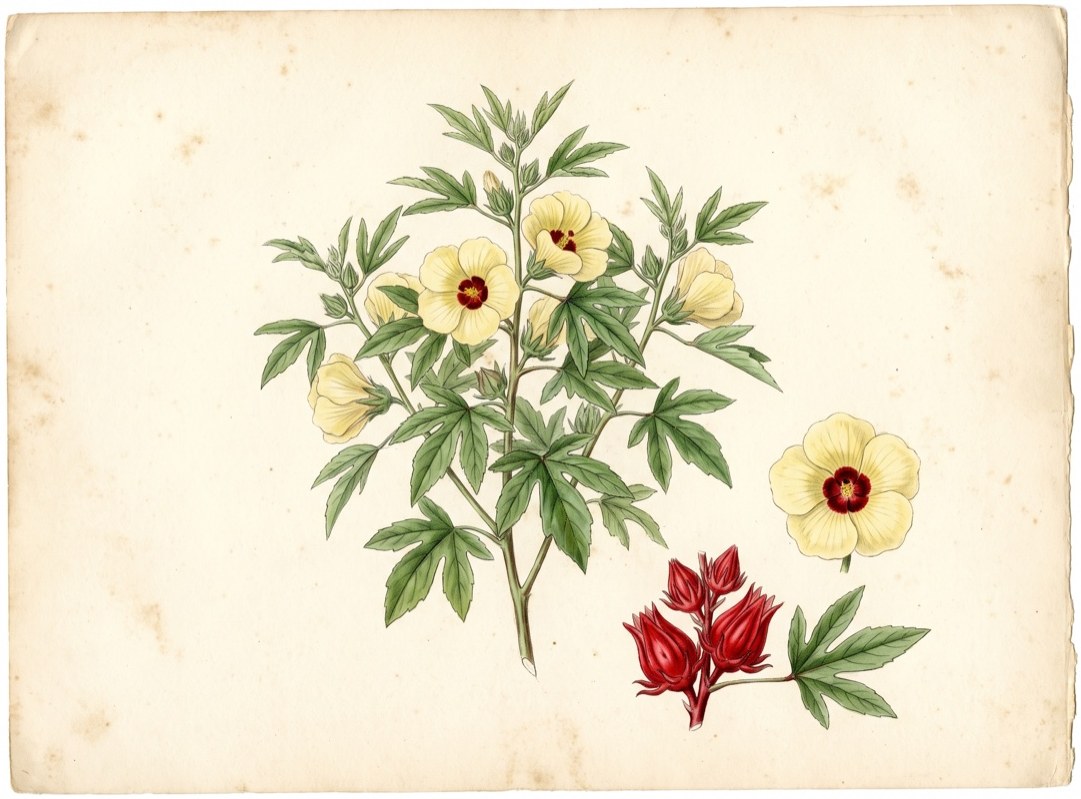 RoselleHibiscus sabdariffa
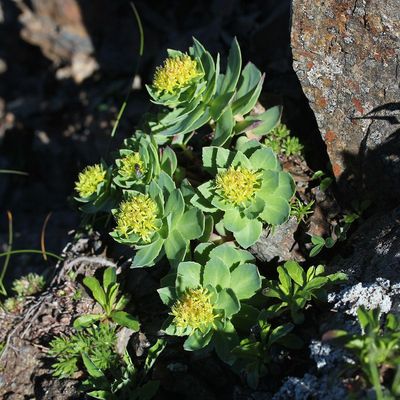 RoserootRhodiola rosea
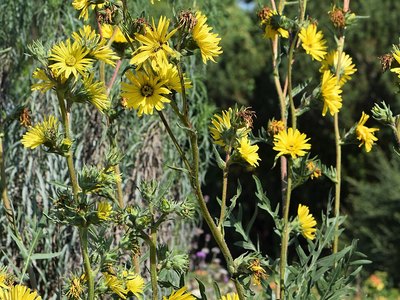 Rosin weedSilphium laciniatum
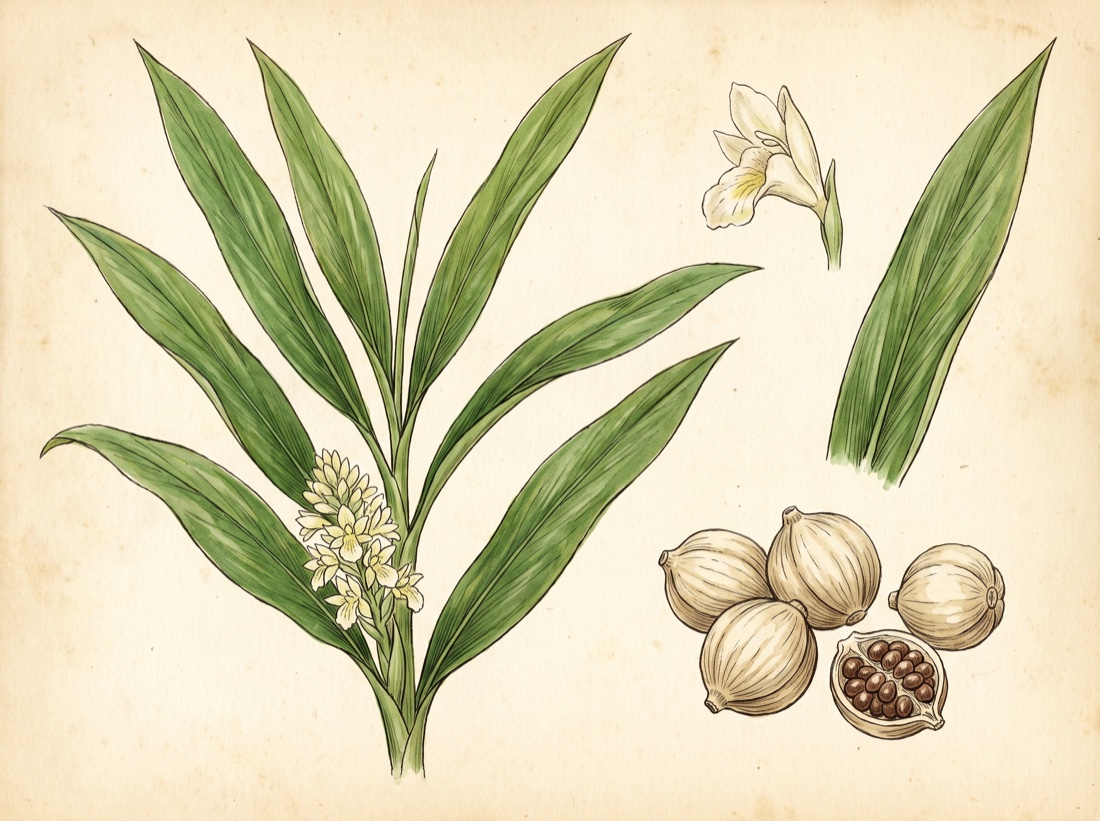 Round cardamomWurfbainia compacta
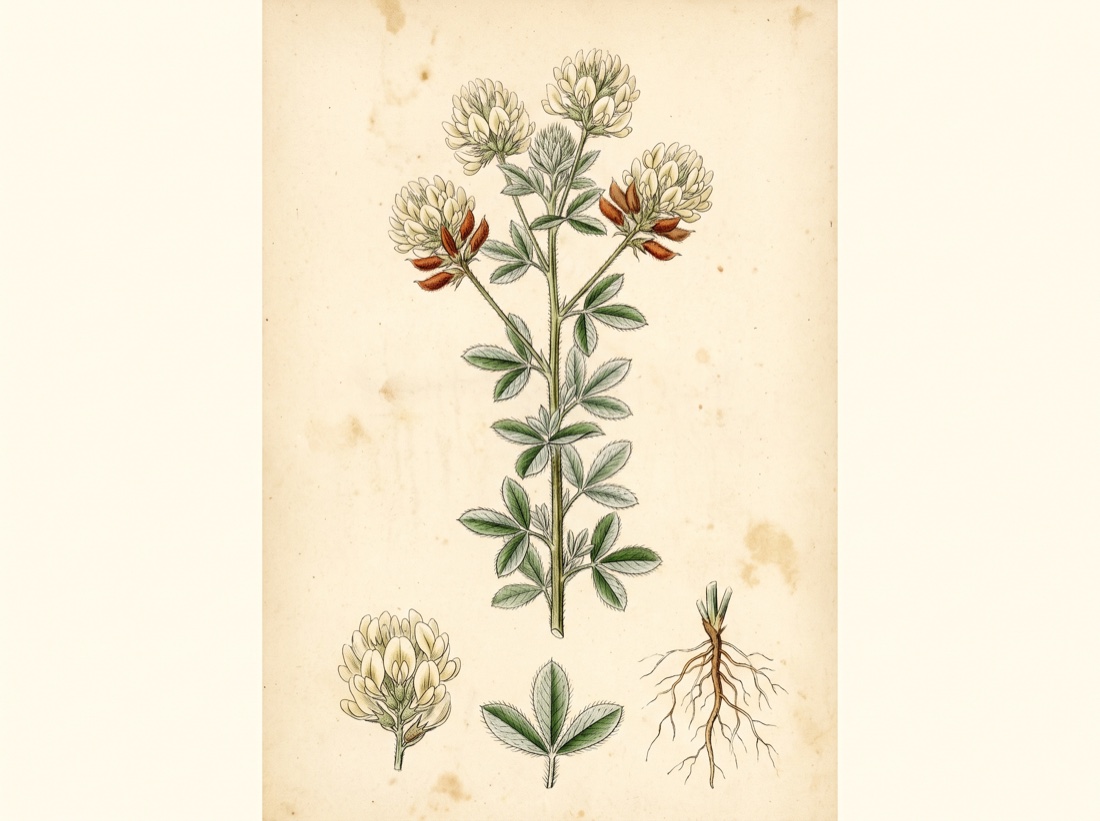 Round-headed bush cloverLespedeza capitata
The whole plate is in the library. The compass, Compare, the Sky of eleven hundred plants and the formulary open with an email address and a password, free, with the formula builder and its safety engine. Herbert without limit, his formulating, clients, the handouts and the labels are the paid room.
Open the library, free