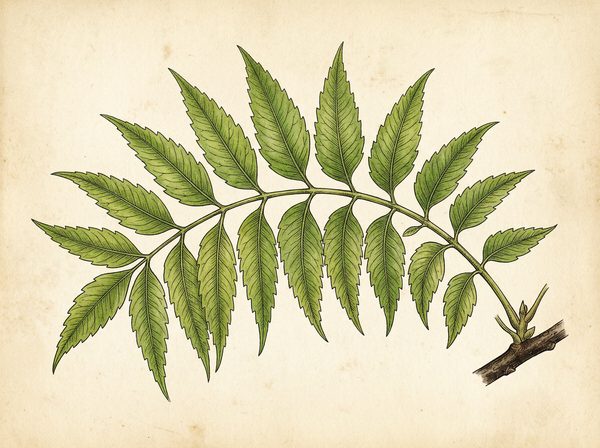
Ayurvedic Herbalism
Neem
Azadirachta indica
Also known as margosa, Indian lilac, nim tree, Nimba, Arishta, Pichumarda.
Azadirachta indica is a fast growing evergreen tree of the mahogany family, native to the dry forests of the Indian subcontinent and Burma and now planted across the tropics from villages in Tamil Nadu to the Sahel. Nearly every part is used: Ayurveda treats the leaf and bark as its foremost bitter for skin disease, fever and parasites, the seed oil as an external antiseptic and insecticide, and the twig as the everyday toothbrush of rural India. It is one of the great cooling, drying, blood-cleansing bitters of the tradition and the name Sarvatobhadra, good from every side, reflects the esteem in which the tree is held.

Ask Herbert about Neem. Herbert is the master herbalist inside Bountiful Herbs: he answers from this plate and eleven hundred others, with dosing, pairing and cautions. Your first ten questions are free.
Ask HerbertActions
Indications what the tradition reached for it in
- Eczema, psoriasis and chronic itching skin conditions
- Acne and boils with oily, hot skin
- Fungal infections of the skin, scalp and nails (topical)
- Scabies, head lice and other ectoparasites (topical)
- Intestinal worms
- Gingivitis and dental plaque (mouth rinse and twig)
- Recurrent fevers and post-infectious debility
- Type 2 diabetes as an adjunct
- Chronic wounds and slow healing ulcers (topical)
- Malaria prophylaxis in endemic areas (traditional)
- Excess pitta with bitterness in the mouth and hot loose stools
- Scabies
- Gingivitis
- Leprosy
- Worm infestation
- Fistula
- Constipation
- Rheumatism
- Inflammation
- Dysbiosis
- Urticaria
- Malaria
- Digestive issues (hyperacidity)
- Eczema
- Parasites
- Helminthiasis
- Viral infections
- Diabetes
- Parasitic
- Infections (bacterial)
Specific indications
A hot, oily, itchy skin in a robust patient with acne, boils or weeping eczema who also runs slightly warm and sweats easily
Bleeding, swollen gums with plaque and bad breath in a patient who wants a plant based mouth rinse
Recurrent low grade fevers and a coated tongue after an infection, with a bitter taste and loss of appetite
Fungal or parasitic skin infestation where a topical oil is preferred to a systemic drug
Safety
Low dose botanical. Used in drop doses in the classical practice; not a plant to dose freely.
Pregnancy: Use with care in pregnancy
Breastfeeding: Lactation (source flag notSafeInLactation)
The record lists 8 contraindications; open the plate in the library to read them in full.
In practice
Nimba is chosen for pitta and kapha heat that shows on the skin or in the blood: eruptions, boils, itching, fungal patches, oozing eczema and the recurrent fevers of a damp climate. The classical texts pair it with Guduchi for fever and chronic skin disease, with Patola and Katuki in the bitter decoctions for pitta, with Khadira and Manjishtha for blood-borne skin conditions, and with Haridra as a paste for itching and infected wounds.
In Ayurveda
Rasa: tikta (bitter), kashaya (astringent). Virya: sheeta (cooling). Vipaka: katu (pungent). Guna: laghu (light), ruksha (dry). Dosha: pacifies pitta and kapha; aggravates vata in excess or in thin, dry patients. Karma: kushthaghna (cures skin disease); krimighna (anthelmintic, antimicrobial); jvaraghna (relieves fever); raktashodhaka (purifies the blood); kandughna (relieves itching); vranaropana (heals wounds); pramehaghna (useful in urinary disorders and diabetes); deepana (kindles digestion); grahi (binds loose stool); vishaghna (counters poison). Classical indications: kushtha (skin diseases including eczema and psoriasis); jvara (fever, especially with pitta); krimi (worms and parasites); vrana (wounds and ulcers); prameha (urinary disorders including diabetes); kandu (itching); visarpa (spreading skin infection); arsha (hemorrhoids); chhardi (vomiting); netraroga (eye disorders); dantaroga (diseases of teeth and gums). The leaf is used fresh as swarasa and as a paste, dried as churna and in kwatha; the stem bark is given as kwatha and churna for fever and skin disease; the seed oil is applied externally and used in medicated oils; the flower is a bitter digestive; the young twig is chewed as a tooth cleaner. Classical formulations: Nimbadi churna, Nimbadi kwatha, Panchanimba churna, Nimba taila, Mahatiktaka ghrita, Aragvadhadi kwatha, Patoladi kwatha, Khadirarishta. Described in: Charaka Samhita, Sushruta Samhita, Ashtanga Hridaya, Bhavaprakasha Nighantu, Dhanvantari Nighantu, Raja Nighantu, Kaiyadeva Nighantu, Ayurvedic Pharmacopoeia of India.
Dosing as the sources wrote it
| Preparation | As written | Metric |
|---|---|---|
| Churna | 1-3 g powdered leaf or bark twice daily with honey | 1000-3000 mg |
| Kwatha | 50-100 mL bark decoction twice daily | 50-100 mL |
| Swarasa | 10-20 mL fresh leaf juice daily on an empty stomach | 10-20 mL |
| Taila, topical | 5-20 mL seed oil diluted in carrier applied to skin daily | 5-20 mL |
| Mouth rinse | 10-15 mL 2 percent leaf extract rinse twice daily | 10-15 mL |
| Bark extract: 30-60 mg twice daily for up to 10 weeks | 30-60 mg |
Doses are reproduced from the sources for practitioners and are not a recommendation for any person.
From the sources
Overview. Azadirachta indica is a fast growing evergreen tree of the mahogany family, native to the dry forests of the Indian subcontinent and Burma and now planted across the tropics from villages in Tamil Nadu to the Sahel. Nearly every part is used: Ayurveda treats the leaf and bark as its foremost bitter for skin disease, fever and parasites, the seed oil as an external antiseptic and insecticide, and the twig as the everyday toothbrush of rural India. It is one of the great cooling, drying, blood-cleansing bitters of the tradition and the name Sarvatobhadra, good from every side, reflects the esteem in which the tree is held.
Clinical Notes. Traditional 'village pharmacy' in Ayurveda, Unani, Homeopathy used for blood purification all plant parts utilized further clinical trials needed for safety/efficacy
Clinical Notes. Nimba is chosen for pitta and kapha heat that shows on the skin or in the blood: eruptions, boils, itching, fungal patches, oozing eczema and the recurrent fevers of a damp climate. The classical texts pair it with Guduchi for fever and chronic skin disease, with Patola and Katuki in the bitter decoctions for pitta, with Khadira and Manjishtha for blood-borne skin conditions, and with Haridra as a paste for itching and infected wounds.
primary-actions. Neem acts primarily as: Antimicrobial, Anti-inflammatory, Alterative, Bitter tonic, Antipyretic, Anthelmintic. Secondary actions include Antioxidant, Hypoglycemic, Immunomodulator, Antifungal, Antiviral, Anthelmintic.
In formulas
Neem stands in 18 documented formulas in the library, among them Punarnavāsava, Kāsīsādi Ghṛta, Jātyādi Ghṛta Synonym Vraṇa Śodhanādi Ghṛta, Tiktaka Ghṛta, Paṅcatikta Ghṛta, Paṭolādi Ghṛta.
Often paired with
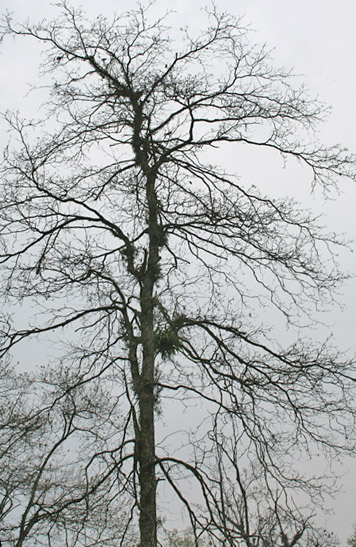 chebulic myrobalanTerminalia chebula
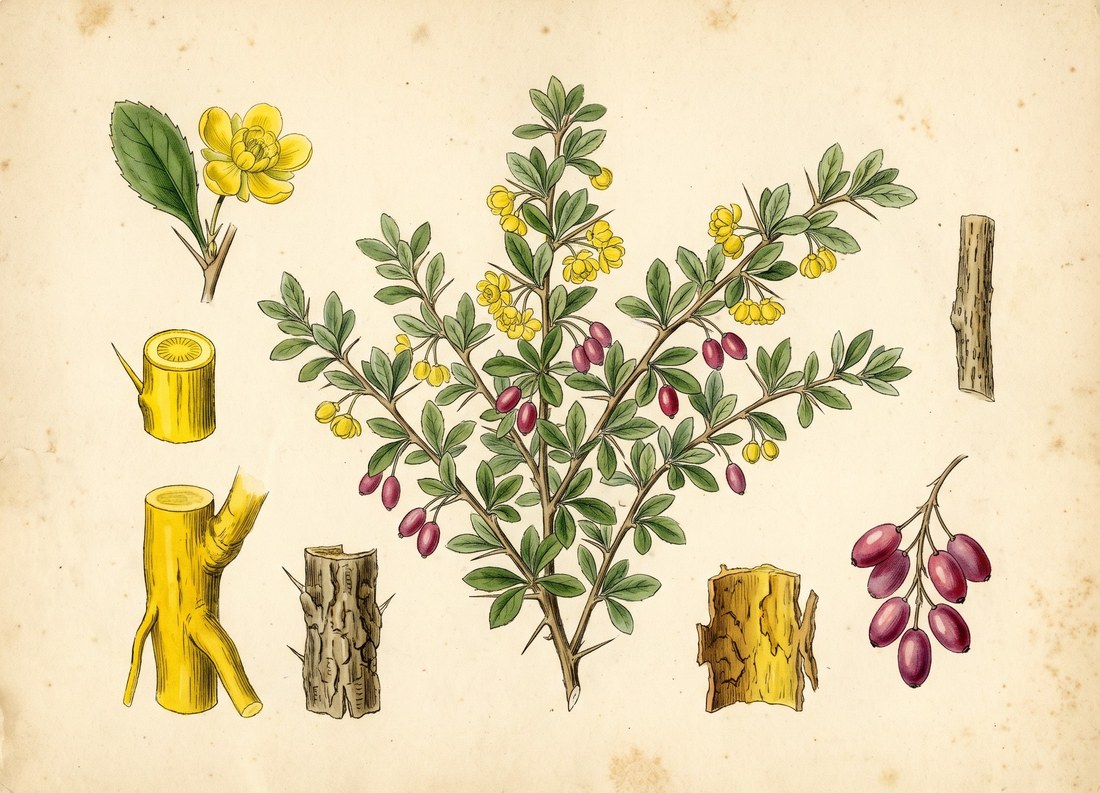 Indian barberryBerberis aristata
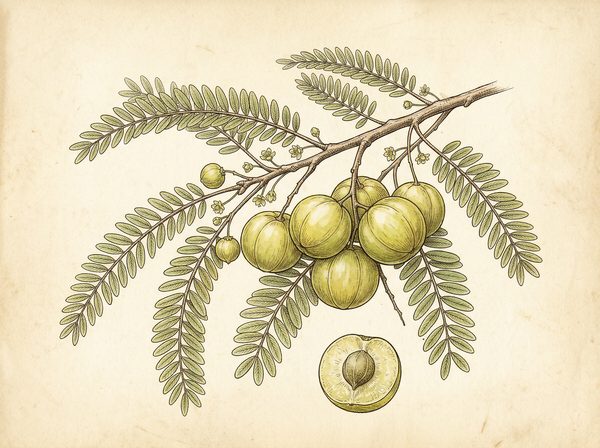 Indian gooseberryPhyllanthus emblica
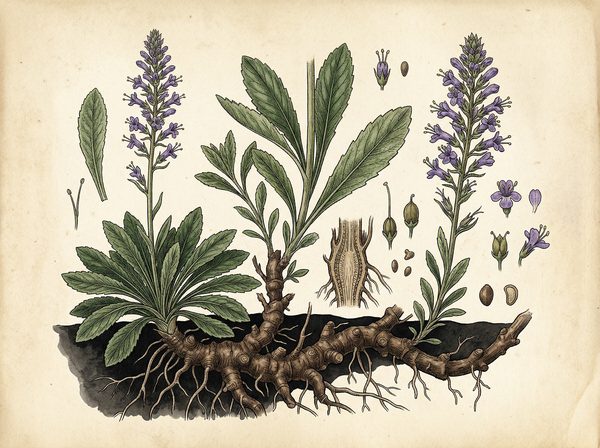 kutkiPicrorhiza kurroa
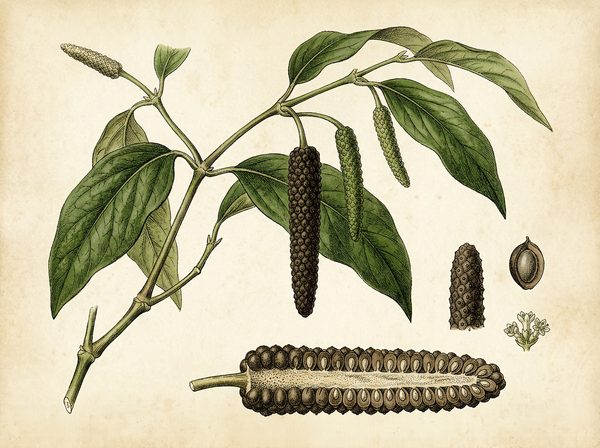 long pepperPiper longum
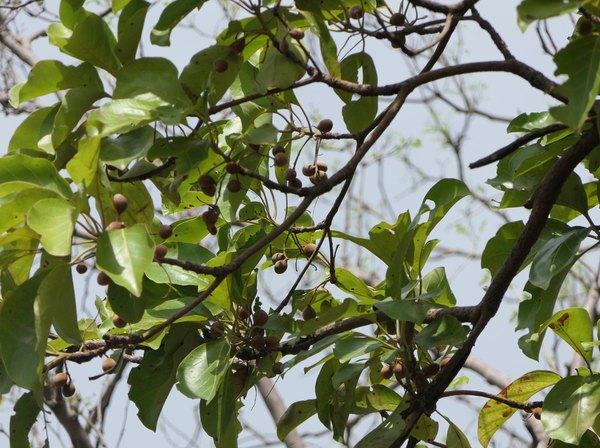 beleric myrobalanTerminalia bellirica
Nearby on the shelf
 MyrtleMyrtus communis
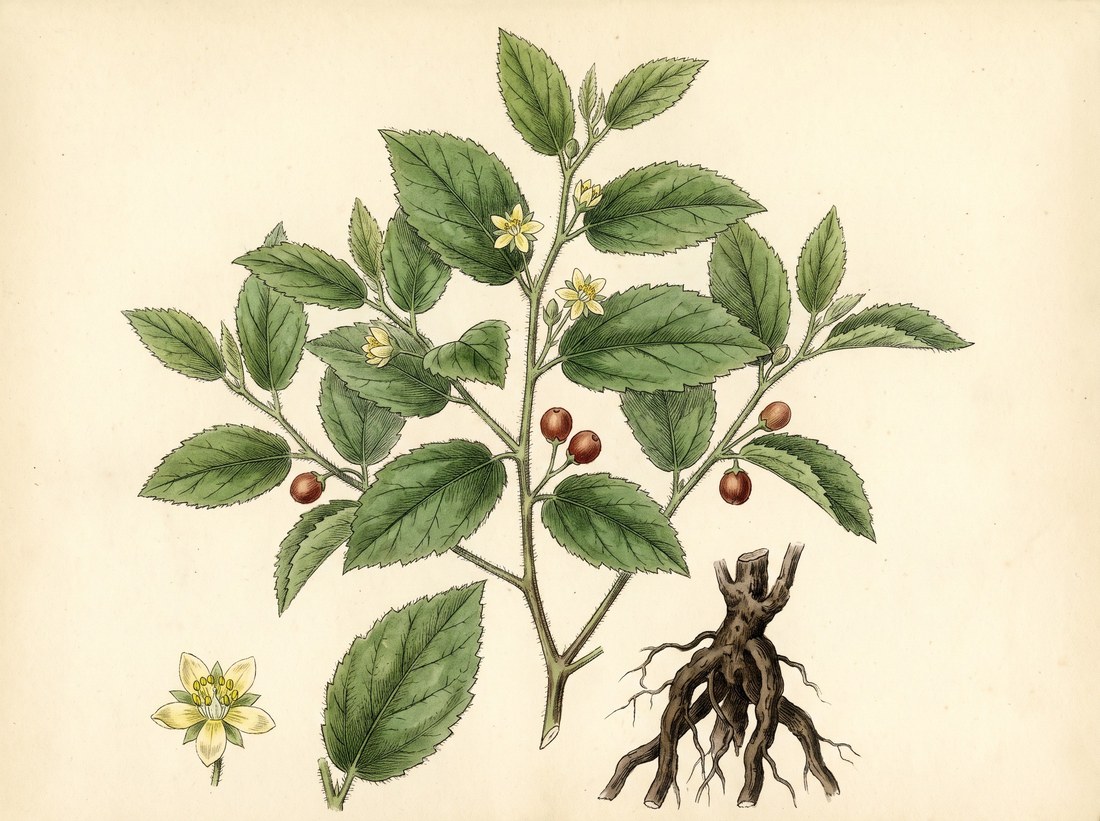 NagabalaGrewia hirsuta
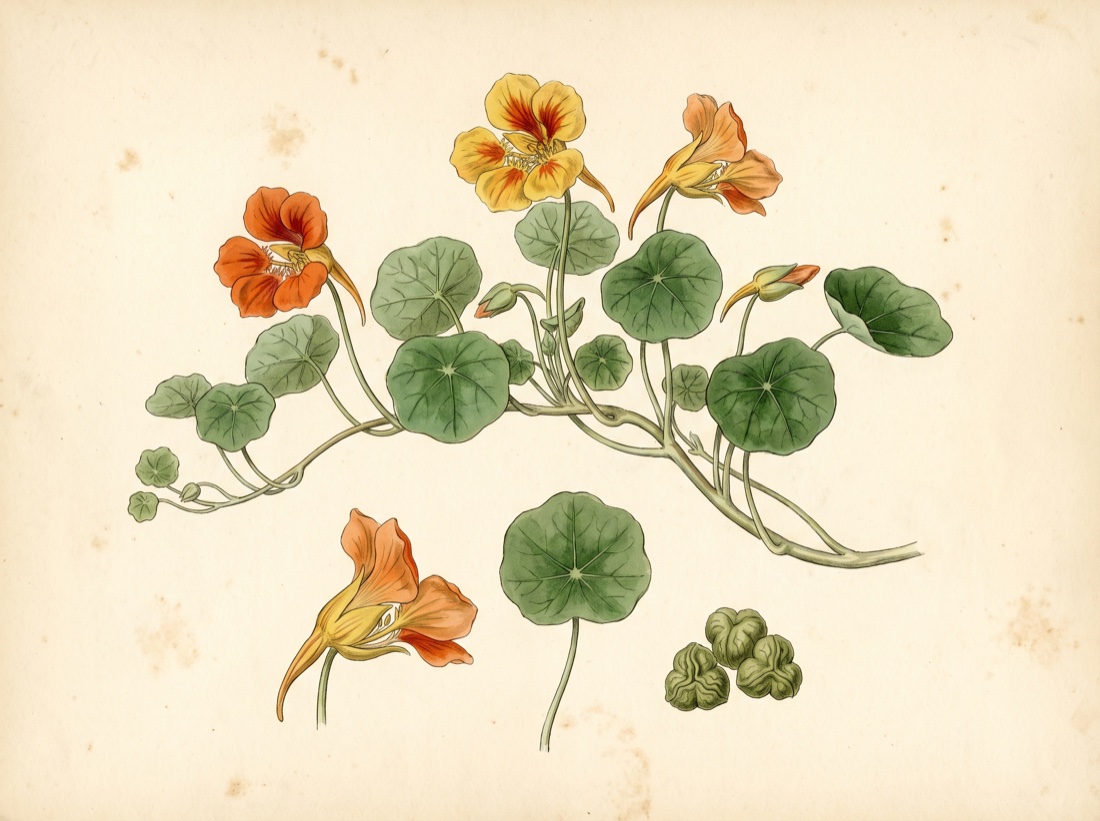 NasturtiumTropaeolum majus
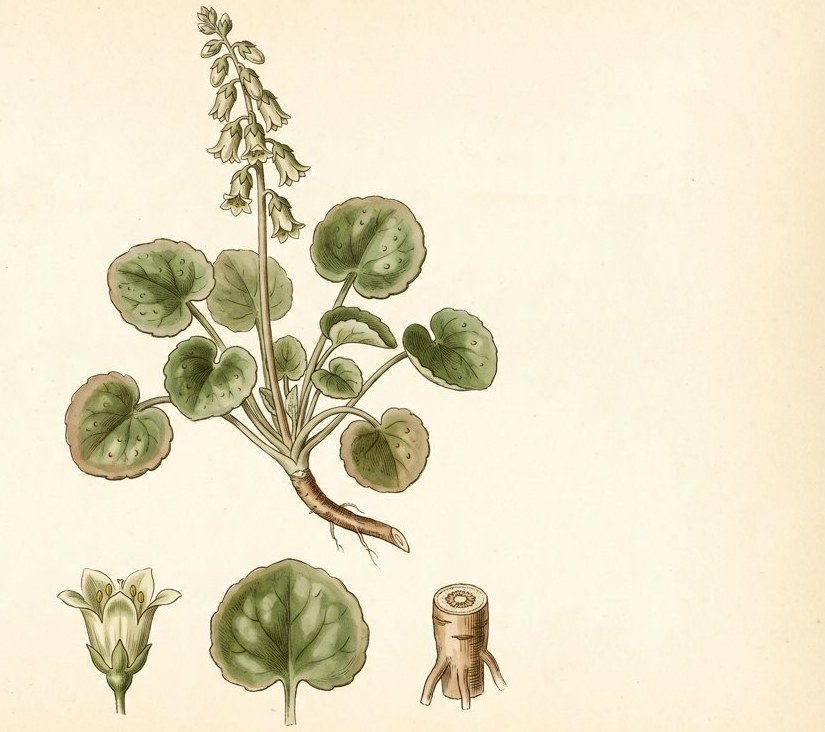 NavelwortCotyledon
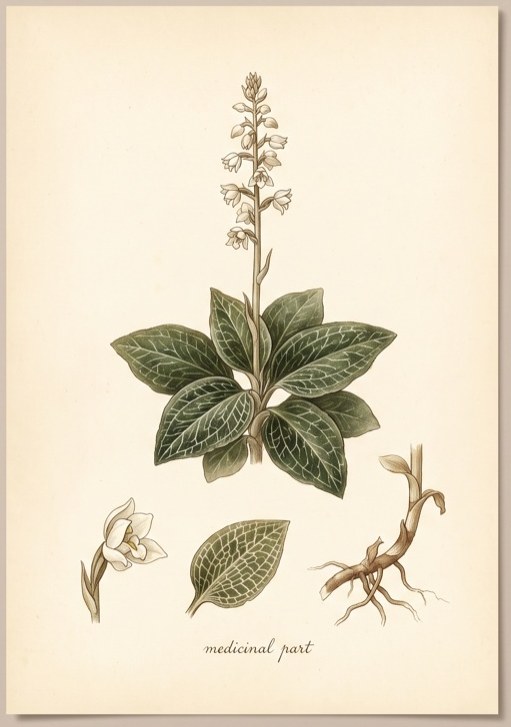 Net-leaf plantainGoodyera
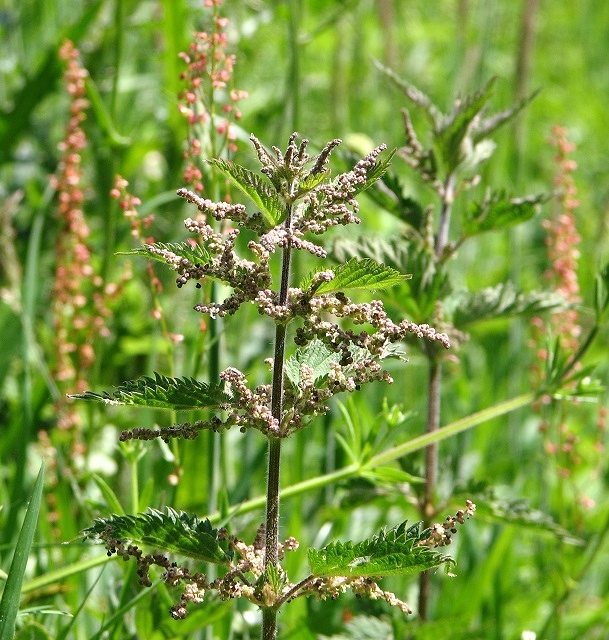 NettlesUrtica dioica
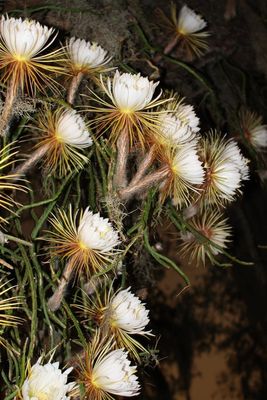 Night-blooming cereusSelenicereus grandiflorus
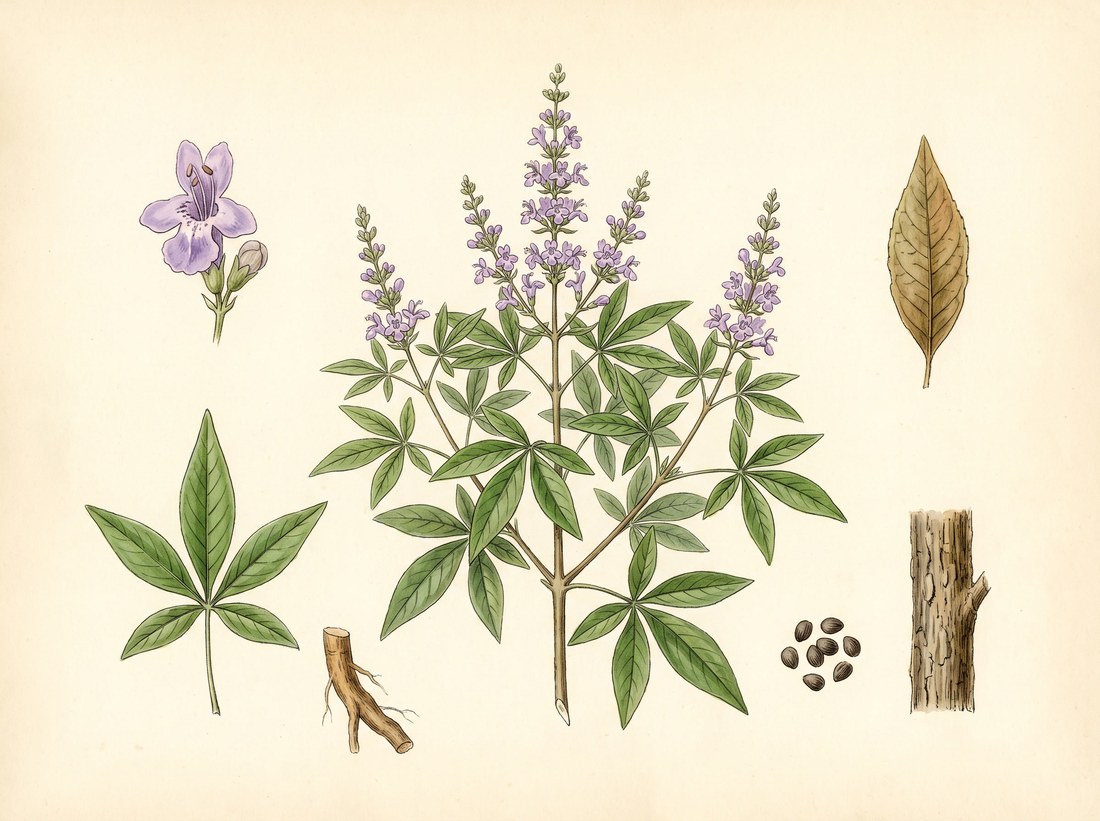 NirgundiVitex negundo
The whole plate is in the library. The compass, Compare, the Sky of eleven hundred plants and the formulary open with an email address and a password, free, with the formula builder and its safety engine. Herbert without limit, his formulating, clients, the handouts and the labels are the paid room.
Open the library, free