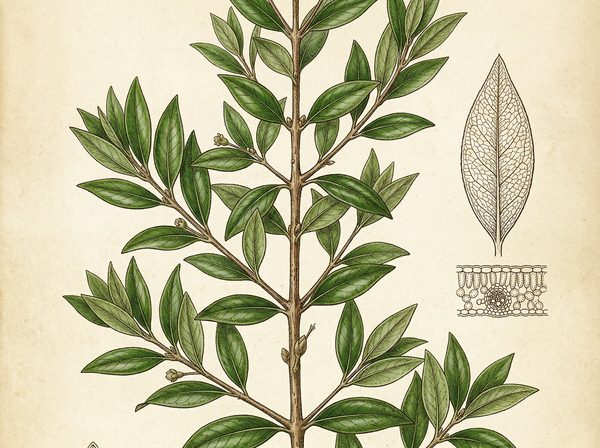
Western Herbalism
Myrtle
Myrtus communis
Also known as Common myrtle, European myrtle.
Used worldwide in traditional medicine for centuries No official /HMPC or major pharmacopoeia monograph found Essential oil composition varies Used in Persian, Unani, and Mediterranean traditions

Ask Herbert about Myrtle. Herbert is the master herbalist inside Bountiful Herbs: he answers from this plate and eleven hundred others, with dosing, pairing and cautions. Your first ten questions are free.
Ask HerbertActions
Indications what the tradition reached for it in
- Tuberculosis
- Gastrointestinal disorders
- Worm infestation
- Whooping cough
- Canker sores
- Pulmonary diseases
- GERD
- Menorrhagia
- Inflammation
- Bladder conditions
- Bronchitis
- Abdominal cramps
- Peptic ulcer
- Respiratory disease
- Urinary tract disorder
- Warts
- Wounds
- Diarrhea
- Skin conditions
- Dysentery
- Hemorrhoids
- Indigestion
- Abdominal distension
- Bleeding
- Bloating
- Colic
- Cough
- Digestive discomfort
- Flatulence
- Fungal infections
Safety
Pregnancy: Pregnancy Caution
Breastfeeding: Lactation (source flag notSafeInLactation)
The record lists 2 contraindications; open the plate in the library to read them in full.
Dosing as the sources wrote it
| Preparation | As written | Metric |
|---|---|---|
| An infusion injected is said to relieve dysentery, while the powder in doses of 15 to 40 grains is asserted useful in renal and cystic catarrh, and colliquative sweating of phthisis, and in doses of 10 to 30 grains, to check the wasting in menorrhagia. | 2592 mg | |
| In doses of 2 minims, the oil (in capsules) every 2 or 3 hours, is asserted prompt and curative in fetid bronchitis and pulmonary gangrene. | 0.12-0.12 mL | |
| Dose, of the fine powder, 5 to 40 grains; of the oil (in capsules), 1 to 5 minims. | 324-2592 mg | |
| fluid extract | The dose of the fluid extract is a fluid drachm, 3 times a day. | |
| The fluid extract of the seeds is administered in doses of from 30 minims to 1 fluid drachm a day, beginning with 10-drop doses 3 times a day at first, and gradually increasing each day. | 1.85-3.7 mL |
Doses are reproduced from the sources for practitioners and are not a recommendation for any person.
From the sources
Clinical Notes. Used worldwide in traditional medicine for centuries No official /HMPC or major pharmacopoeia monograph found Essential oil composition varies Used in Persian, Unani, and Mediterranean traditions
primary-actions. Myrtle acts primarily as: Antiseptic, Astringent, Antibacterial, Antifungal, Anti-inflammatory. Secondary actions include Antioxidant, Expectorant, Carminative.
indications. Myrtle is traditionally indicated for: Tuberculosis, Gastrointestinal disorders, Worm infestation, Whooping cough, Canker sores, Pulmonary diseases, GERD, Menorrhagia, Inflammation, Bladder conditions, Bronchitis, Abdominal cramps, Peptic ulcer, Respiratory disease, Urinary tract disorder, and 24 further conditions.
constituents. Notable constituents of Myrtle include: Polyphenols, Flavonoids (quercetin, myricetin), Tannins, Essential oil (1,8-cineole, α-pinene, limonene, linalool), Phenolic acids (gallic acid, caffeic acid), Terpenes, Anthocyanins.
Drawn from King's American Dispensatory, 18th edition (Felter and Lloyd), and the Bountiful Herbs editorial.
Nearby on the shelf
 MulleinVerbascum thapsus
 Mung beanVigna radiata
 MyrrhCommiphora molmol
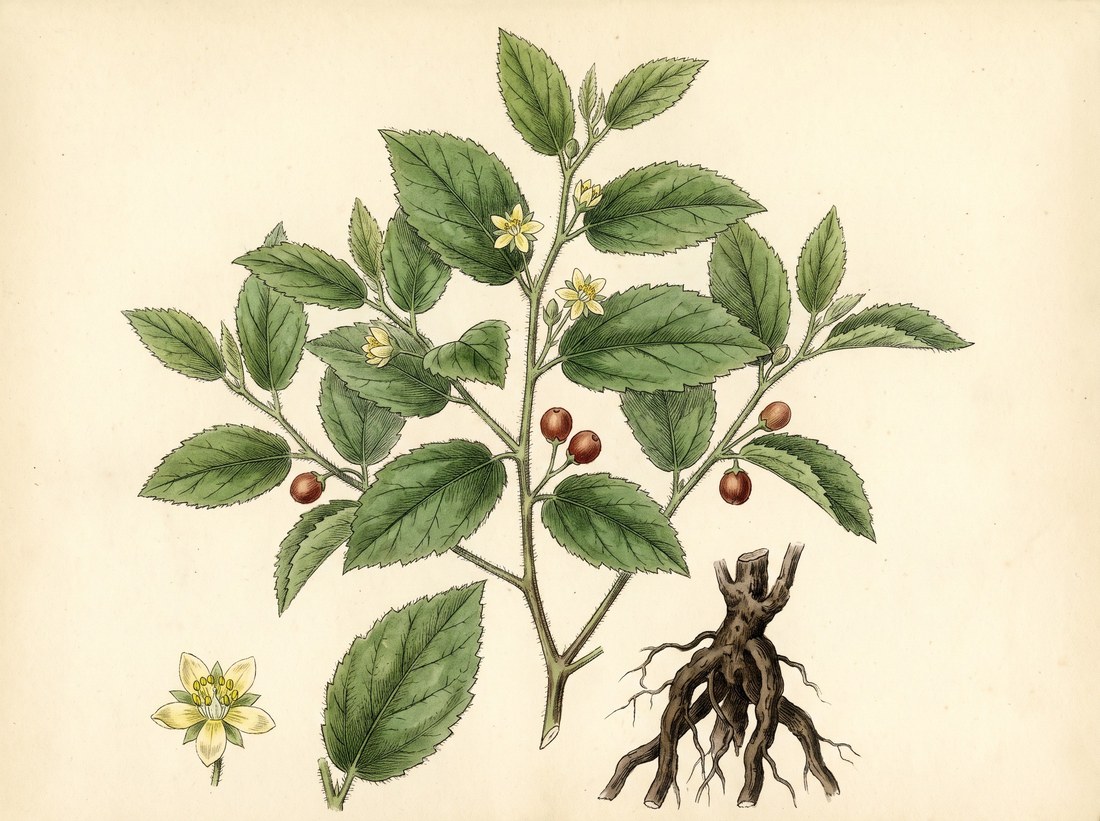 NagabalaGrewia hirsuta
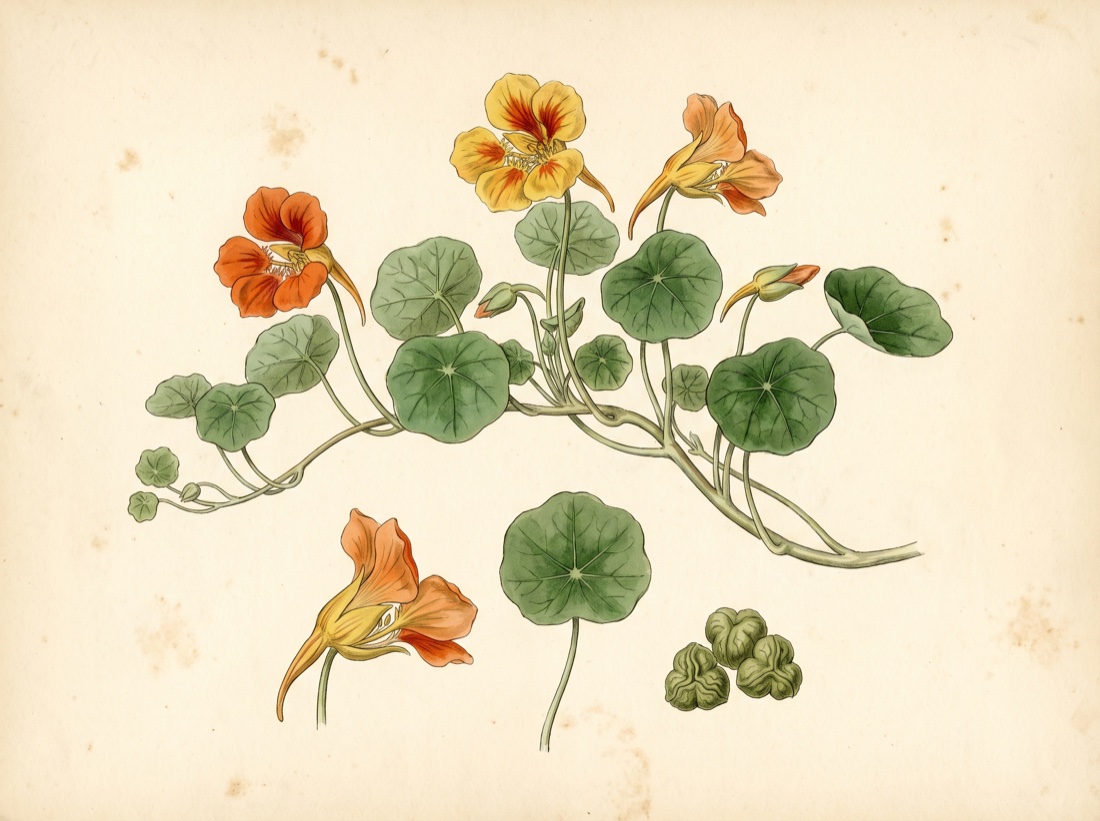 NasturtiumTropaeolum majus
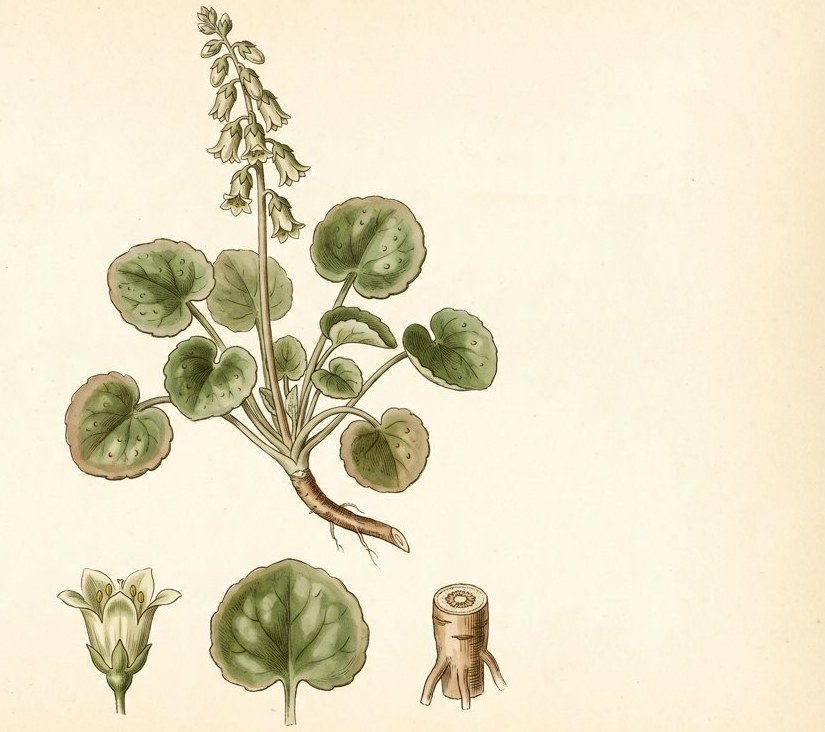 NavelwortCotyledon
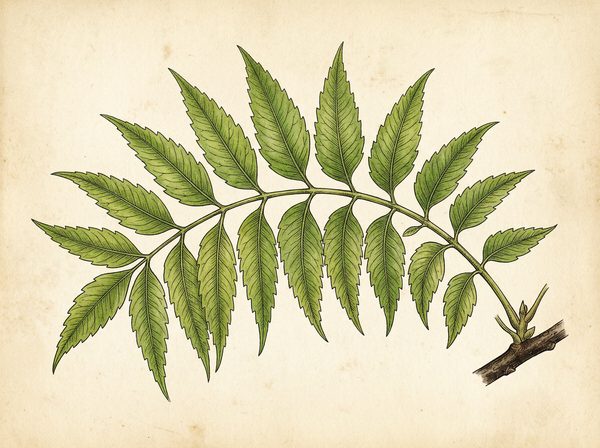 NeemAzadirachta indica
The whole plate is in the library. The compass, Compare, the Sky of eleven hundred plants and the formulary open with an email address and a password, free, with the formula builder and its safety engine. Herbert without limit, his formulating, clients, the handouts and the labels are the paid room.
Open the library, free