Western Herbalism
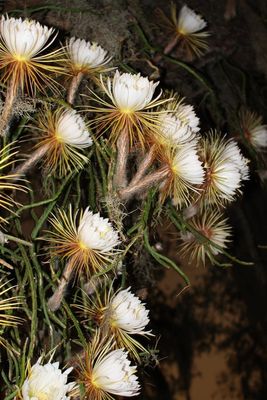
Night-blooming cereus
Selenicereus grandiflorus
Also known as Queen of the night, Cactus, Selenicereus grandiflora, Cereus Grandiflorus (Haworth), Cactus Grandiflorus (Lin, Large-flowering Cactus, Sweet-scented Cactus, Large-flowered cactus.
Selenicereus grandiflorus, long known in older literature as Cactus grandiflorus, is a night-flowering climbing cactus native to Central America and the Caribbean, now cultivated widely for its enormous fragrant blooms. The fresh flowering stems are the part used, traditionally pressed into a tincture. It holds a distinctive place in nineteenth century Eclectic and physiomedical practice as a gentle cardiac tonic, prized for supporting a weak or irregular heart without the cumulative toxicity feared with digitalis.

Ask Herbert about Night-blooming cereus. Herbert is the master herbalist inside Bountiful Herbs: he answers from this plate and eleven hundred others, with dosing, pairing and cautions. Your first ten questions are free.
Ask HerbertActions
Indications what the tradition reached for it in
- Angina pectoris
- Mitral valve prolapse
- Irregular heartbeat
- Pain (cardiac, constrictive)
- Mitral regurgitation
- Pain (chest, d/t abuse of caffeine and tobacco products)
- Edema (w/ weakened heart)
- Palpitations
- Arrhythmia
- Valvular disorders of the heart (w/ arrhythmia)
- Bradycardia
- Cardiac arrhythmia
- Heart weakened (w/ edema)
- Shortness of breath (d/t abuse of caffeine and tobacco products)
- Cardiac disorders (functional)
- Pain (chest, vague)
- Paroxysmal tachycardia (secondary to altered nervous stimulation & weakness of myocardium)
- Anxiety
- Cardiac weakness
- Edema
- Fluid retention
- Heart failure
- Insomnia
- Restlessness
- Urinary disorders
- Heart weakness
- Cardiac insufficiency
- Sleep disorders
- Cases of dropsy
- Various cardiac disorders
Safety
Pregnancy: Pregnancy=lack of data
Breastfeeding: Lactation=lack of data
The record lists 3 contraindications; open the plate in the library to read them in full.
Dosing as the sources wrote it
| Preparation | As written | Metric |
|---|---|---|
| Tincture (1:3) | 1-2 ml TID | 1-2 mL |
| Flower Infusion | let sit in water for 6-8 hours in sunny location (traditional | |
| Liquid extract of cereus (BPC 1934) 0.06 -0.6 mL | 0.06-0.6 mL | |
| Tincture of cereus (BPC 1934) 0.12 -2.0 mL. | 0.12-2 mL | |
| Extractum Cacti Fluidum, Fluid Extract of Cactus | Dose, from one to twenty minims. | 0.06-1.23 mL |
| Tinctura Cacti, Tincture of Cactus | Dose, from five to thirty minims. | 0.31-1.85 mL |
Doses are reproduced from the sources for practitioners and are not a recommendation for any person.
From the sources
Overview. Selenicereus grandiflorus, long known in older literature as Cactus grandiflorus, is a night-flowering climbing cactus native to Central America and the Caribbean, now cultivated widely for its enormous fragrant blooms. The fresh flowering stems are the part used, traditionally pressed into a tincture. It holds a distinctive place in nineteenth century Eclectic and physiomedical practice as a gentle cardiac tonic, prized for supporting a weak or irregular heart without the cumulative toxicity feared with digitalis.
Overview. Night-blooming cereus is a climbing, epiphytic cactus native to the deserts and scrublands of Mexico, the southwestern United States, and parts of the Caribbean, prized for its large, intensely fragrant flowers that open for a single night. The fresh flowering stems and flowers are the parts used medicinally. It entered nineteenth century American Eclectic and homeopathic practice as a cardiac remedy for functional heart weakness and remains best known today through the homeopathic mother tincture Cactus grandiflorus, though low-dose herbal tinctures are also used by some Western herbalists.
Clinical Notes. Increases nutrition to heart, augments contractile power and regulates irregular heart rhythm TCM= Heart qi and yang deficiency, relieves blood stagnation, circulates heart blood, releases constraint, resolves damp through circulation of blood, treats disturbed shen (spirit
Clinical Notes. Eclectic physicians reached for cactus in patients with a weak, irregular pulse and a subjective sense of constriction around the heart, often accompanied by anxiety out of proportion to any structural finding.
Drawn from Scudder's Specific Medication and Specific Medicines; King's American Dispensatory, 18th edition (Felter and Lloyd); Ellingwood's American Materia Medica, Therapeutics and Pharmacognosy; Felter's Eclectic Materia Medica, Pharmacology and Therapeutics, and the Bountiful Herbs editorial.
Nearby on the shelf
 NavelwortCotyledon
 NeemAzadirachta indica
 Net-leaf plantainGoodyera
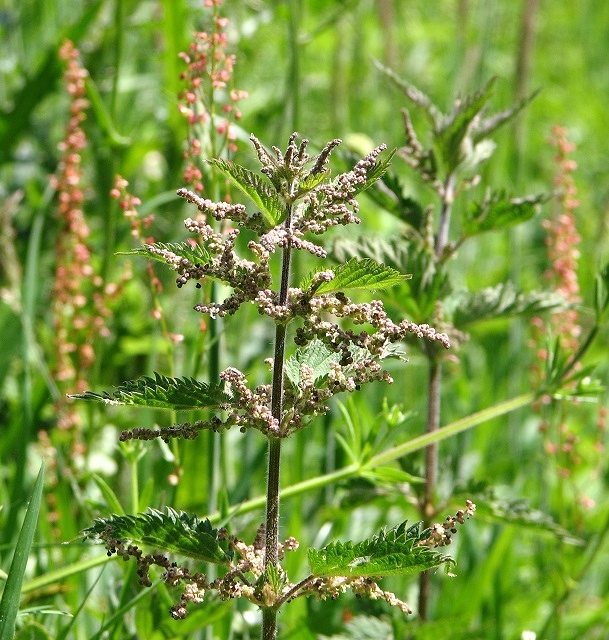 NettlesUrtica dioica
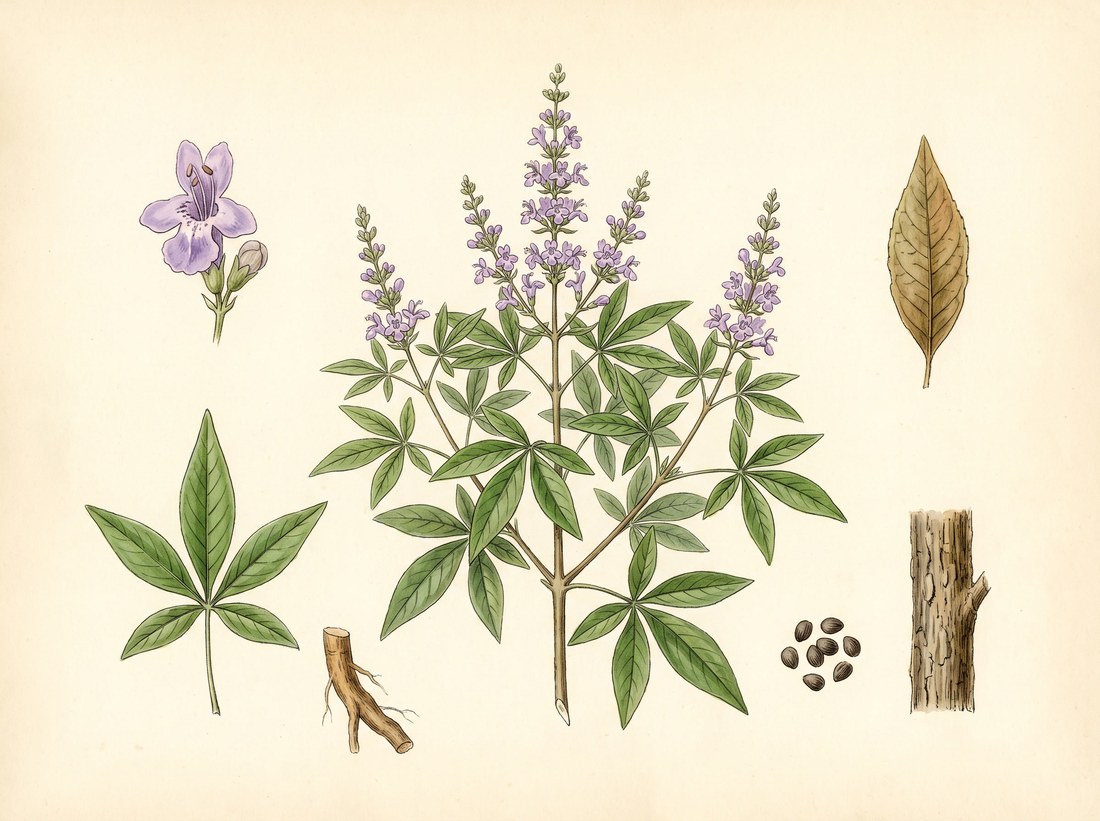 NirgundiVitex negundo
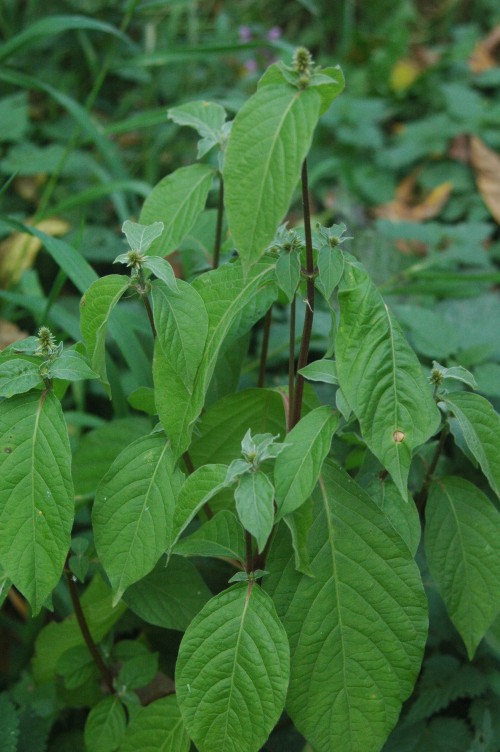 Niu XiAchyranthes bidentata
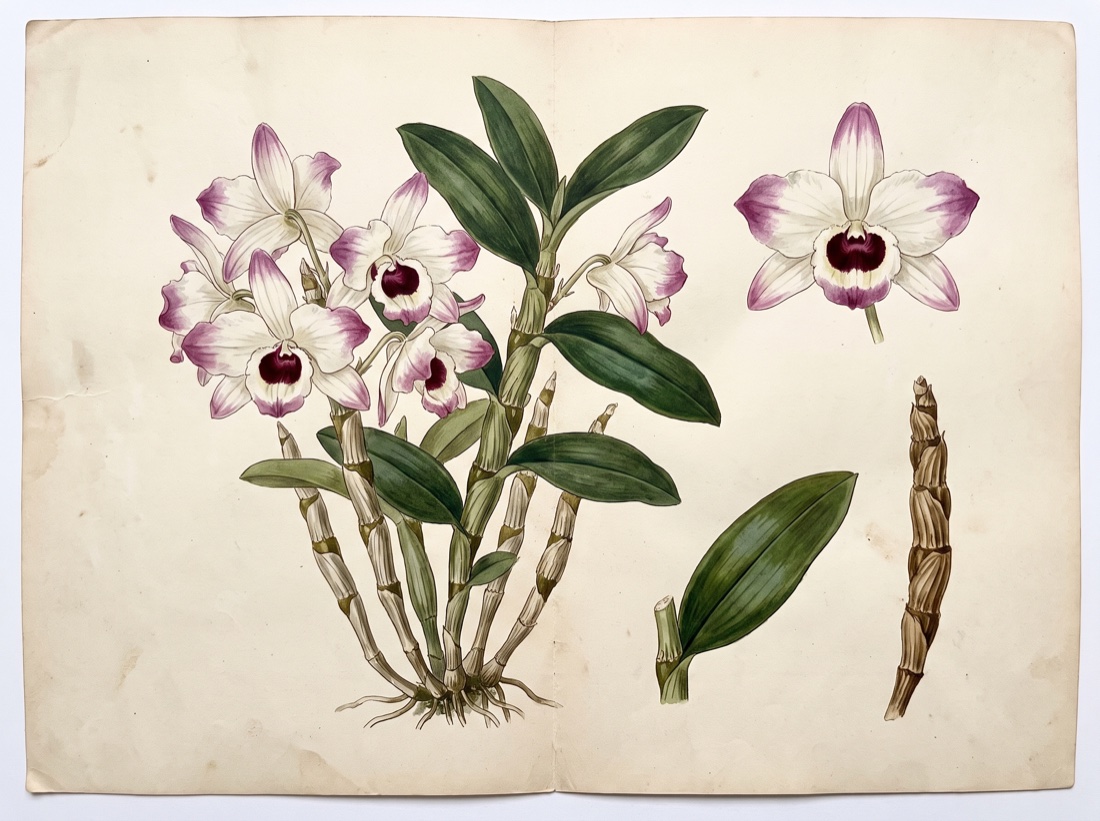 Noble dendrobiumDendrobium nobile
 NoniMorinda citrifolia
The whole plate is in the library. The compass, Compare, the Sky of eleven hundred plants and the formulary open with an email address and a password, free, with the formula builder and its safety engine. Herbert without limit, his formulating, clients, the handouts and the labels are the paid room.
Open the library, free