Ayurvedic Herbalism
Nagabala
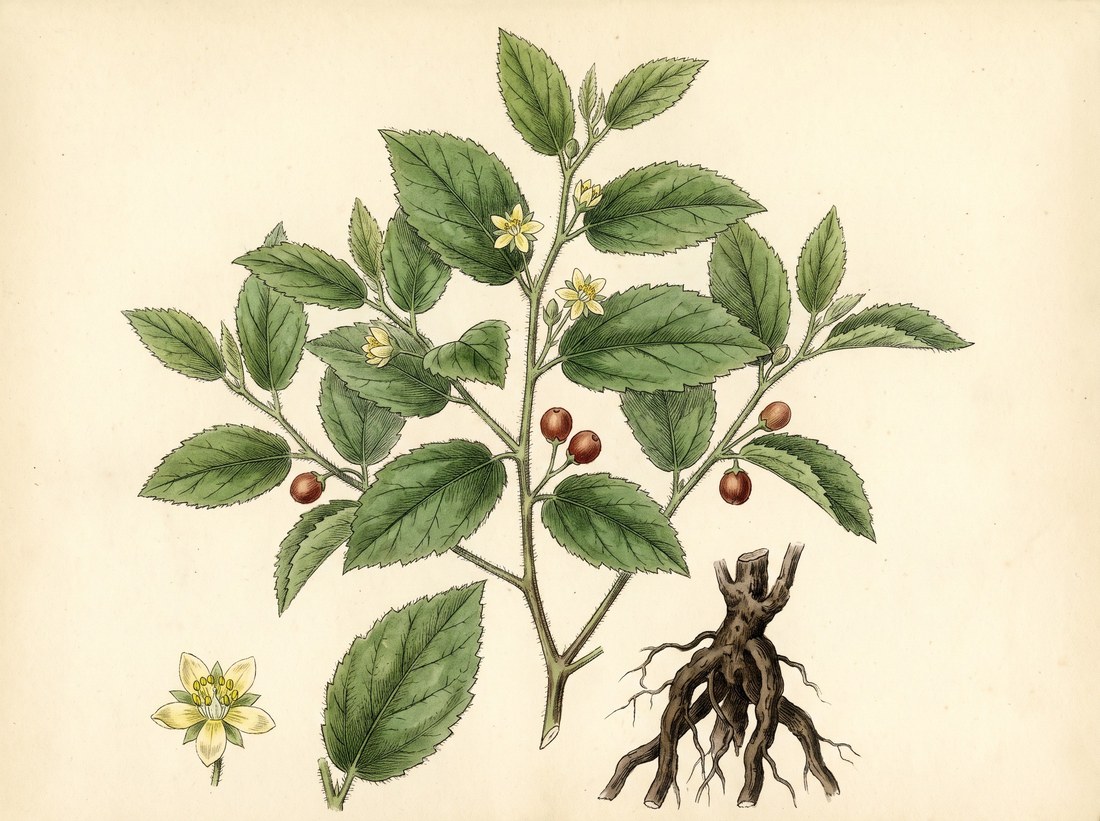
Grewia hirsuta
Also known as hairy grewia, gulsakari, Nagabala, Gangeruki, Jhasha.
Grewia hirsuta is a small shrub of the mallow family with rough, hairy, toothed leaves, small yellow-white flowers and fleshy drupes, growing in dry deciduous scrub and along field margins through the Deccan, central India, Gujarat and the sub-Himalayan plains. Ayurveda calls it Nagabala, one of the four balas, and Charaka describes a year-long Nagabala rasayana in which the root is taken with milk to rebuild strength and lengthen life. It is a sweet, cooling, heavy tonic for wasting, weakness, bleeding and chronic cough.

Ask Herbert about Nagabala. Herbert is the master herbalist inside Bountiful Herbs: he answers from this plate and eleven hundred others, with dosing, pairing and cautions. Your first ten questions are free.
Ask HerbertActions
Indications what the tradition reached for it in
- Convalescence and chronic debility
- Muscle wasting in the elderly or chronically ill
- Chronic cough with weakness
- Bleeding disorders of pitta type with weakness
- Chronic low-grade fever with exhaustion
- Nerve pain and weakness (with Bala oils)
- Slow fracture healing (adjunct)
- Diabetes with weight loss (adjunct, traditional)
- Low libido and male subfertility with depletion
- Chronic diarrhea with weakness
- Palpitations with exhaustion (traditional)
Specific indications
A thin, tired vata-pitta patient recovering slowly from a long illness who bleeds easily, coughs and has lost muscle
The elderly patient who is wasting and unsteady and needs a sweet, cooling builder rather than a heating stimulant like Ashwagandha
A diabetic losing weight and strength, where the tradition uses Nagabala to nourish without aggravating heat
A slow fracture or wound in a depleted person, treated with the root in milk alongside external oils
Safety
The record lists 4 contraindications; open the plate in the library to read them in full.
In practice
Nagabala is the cooling member of the bala family, and it is chosen where Bala itself would be a little too warming for a pitta patient or where heat accompanies the weakness: the convalescent with a lingering fever and a tendency to bleed, the elderly person who is wasting with a dry cough, the diabetic losing weight.
In Ayurveda
Rasa: madhura (sweet), kashaya (astringent), with a slight amla (sour) note in the fruit. Virya: sheeta (cooling). Vipaka: madhura (sweet). Guna: guru (heavy), snigdha (unctuous), picchila (slimy). Dosha: pacifies vata and pitta; increases kapha in excess. Karma: balya (strengthening); brimhana (nourishing, builds tissue); rasayana (rejuvenative); vrishya (aphrodisiac); ojovardhana (increases vitality); hridya (cardiotonic); vranaropana (heals wounds); grahi (absorbent, binds stool); raktapittahara (stops bleeding of pitta origin); sandhaniya (unites fractures and tissues). Classical indications: kshaya (wasting); daurbalya (weakness); kasa (cough); shvasa (dyspnea); raktapitta (bleeding disorders); vatavyadhi (neuromuscular disorders of vata); jvara (chronic fever); vrana (wounds); prameha (urinary disorders); bhagna (fractures); shukra kshaya (depleted semen). The root is the principal drug, given as churna with milk and ghee, as kwatha and ksheerapaka, and processed into medicated oils; the whole plant is sometimes used. Charaka describes a full Nagabala rasayana taken with milk over a year. Classical formulations: Nagabala rasayana, Bala taila (Chaturbala group), Mahanarayana taila, Balaguduchyadi taila, Ksheerabala taila (some traditions add the four balas), Nagabaladi kwatha. Described in: Charaka Samhita, Sushruta Samhita, Ashtanga Hridaya, Bhavaprakasha Nighantu, Dhanvantari Nighantu, Raja Nighantu, Kaiyadeva Nighantu, Ayurvedic Pharmacopoeia of India.
Dosing as the sources wrote it
| Preparation | As written | Metric |
|---|---|---|
| Churna | 3-6 g powdered root twice daily with warm milk and honey | 3000-6000 mg |
| Kwatha | 50-100 mL decoction twice daily | 50-100 mL |
| Ksheerapaka | 100-200 mL milk decoction once daily | 100-200 mL |
| Nagabala rasayana | 3-6 g root powder each morning with milk, ghee and honey for an extended course | 3000-6000 mg |
Doses are reproduced from the sources for practitioners and are not a recommendation for any person.
From the sources
Overview. Grewia hirsuta is a small shrub of the mallow family with rough, hairy, toothed leaves, small yellow-white flowers and fleshy drupes, growing in dry deciduous scrub and along field margins through the Deccan, central India, Gujarat and the sub-Himalayan plains. Ayurveda calls it Nagabala, one of the four balas, and Charaka describes a year-long Nagabala rasayana in which the root is taken with milk to rebuild strength and lengthen life. It is a sweet, cooling, heavy tonic for wasting, weakness, bleeding and chronic cough.
Clinical Notes. Nagabala is the cooling member of the bala family, and it is chosen where Bala itself would be a little too warming for a pitta patient or where heat accompanies the weakness: the convalescent with a lingering fever and a tendency to bleed, the elderly person who is wasting with a dry cough, the diabetic losing weight.
Ayurvedic Profile. Rasa: madhura (sweet), kashaya (astringent), with a slight amla (sour) note in the fruit. Virya: sheeta (cooling). Vipaka: madhura (sweet). Guna: guru (heavy), snigdha (unctuous), picchila (slimy). Dosha: pacifies vata and pitta; increases kapha in excess.
In formulas
Nagabala stands in 3 documented formulas in the library, among them Mahā Viṣagarbha Taila, Navaratnarājamṛgānka Rasa, Lakṣmīnārāyaṇa Rasa.
Often paired with
 atibalaAbutilon indicum
 shatavariAsparagus racemosus
 dhatturaDatura metel
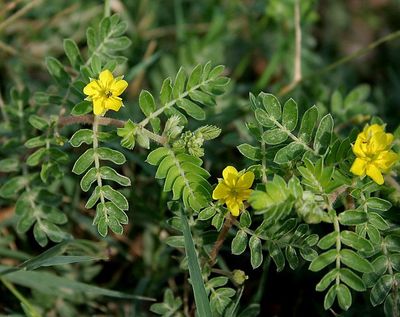 puncture vineTribulus terrestris
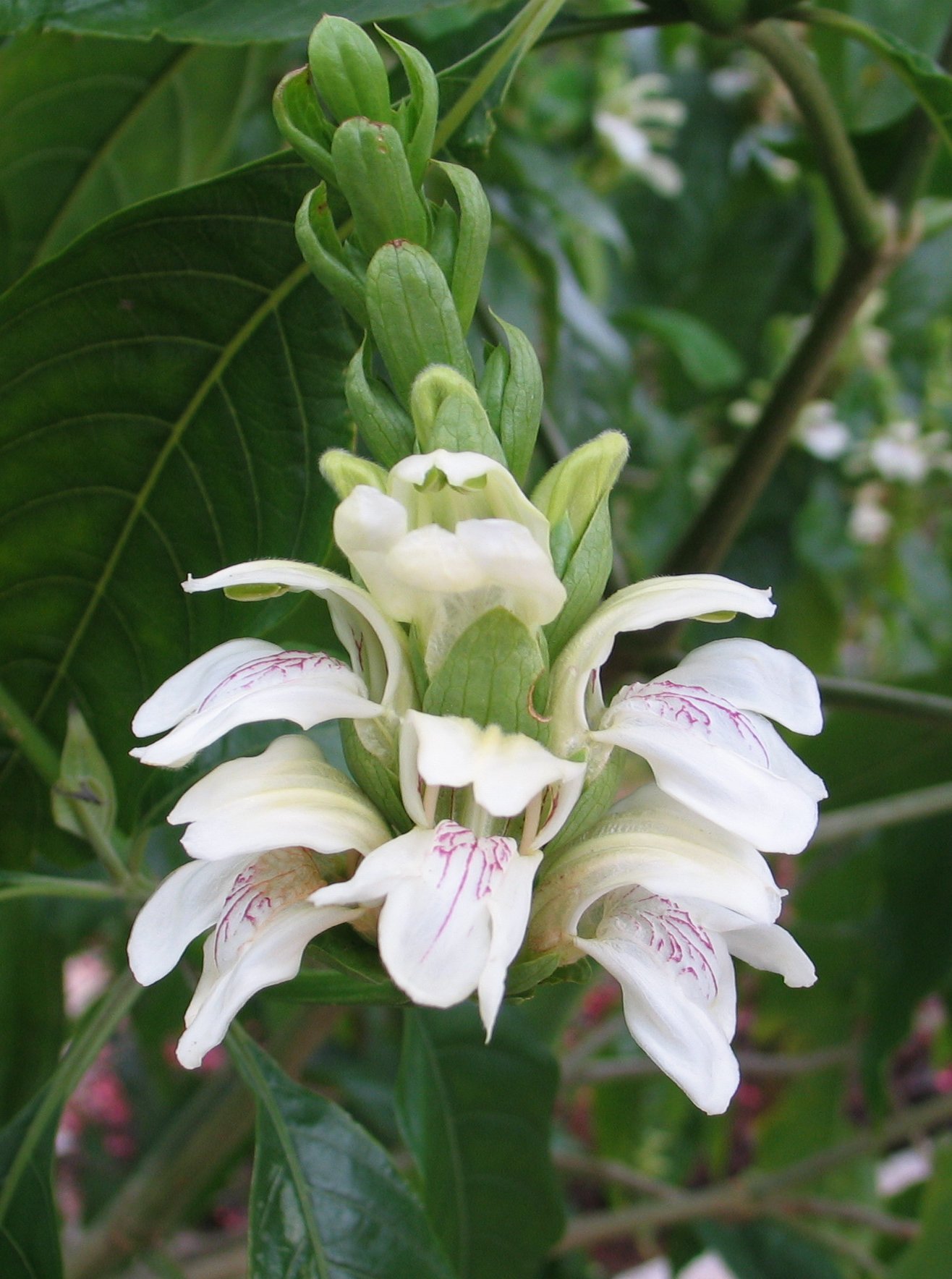 vasakaAdhatoda vasica
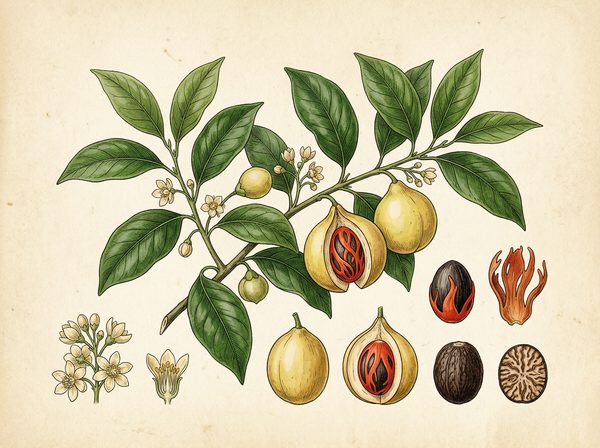 nutmegMyristica fragrans
Nearby on the shelf
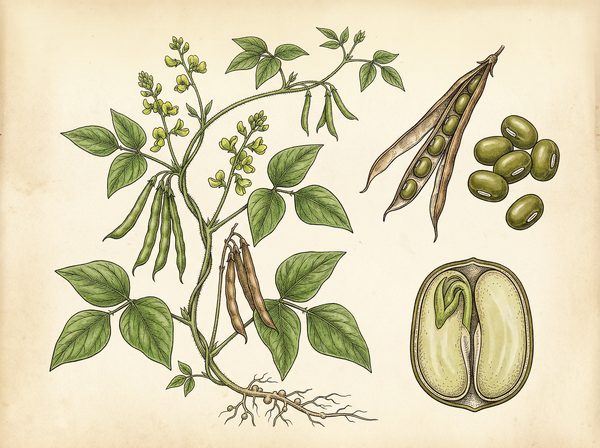 Mung beanVigna radiata
 MyrrhCommiphora molmol
 MyrtleMyrtus communis
 NasturtiumTropaeolum majus
 NavelwortCotyledon
 NeemAzadirachta indica
 Net-leaf plantainGoodyera
The whole plate is in the library. The compass, Compare, the Sky of eleven hundred plants and the formulary open with an email address and a password, free, with the formula builder and its safety engine. Herbert without limit, his formulating, clients, the handouts and the labels are the paid room.
Open the library, free