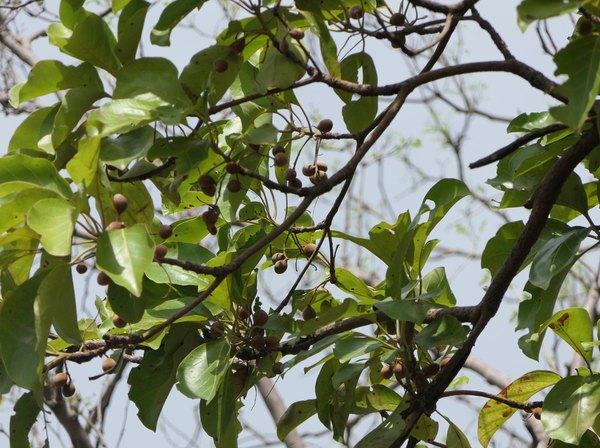
Ayurvedic Herbalism
Beleric myrobalan
Terminalia bellirica
Also known as belliric myrobalan, bahera, bastard myrobalan, Bibhitaki, Belleric myrobalan, Bibhitaki, Vibhitaka, Aksha.
Terminalia bellirica is a large deciduous tree of the mixed forests of the Indian plains and lower hills, common from the Himalayan foothills through central India to the Western Ghats and into Southeast Asia. Ayurveda uses the dried pericarp of its fruit as Bibhitaki, the second of the three myrobalans of Triphala, valued as the fruit that clears kapha from the chest and throat, regulates the bowel, and brightens the eyes and hair. The name Bibhitaki means the fruit that takes away fear of disease, and the tree is traditionally left standing at village boundaries.

Ask Herbert about Beleric myrobalan. Herbert is the master herbalist inside Bountiful Herbs: he answers from this plate and eleven hundred others, with dosing, pairing and cautions. Your first ten questions are free.
Ask HerbertActions
Indications what the tradition reached for it in
- Chronic cough with sticky phlegm
- Hoarseness and voice strain
- Sluggish bowel with mucus
- Chronic diarrhea and loose stool (ripe fruit)
- Hemorrhoids with congestion
- Dyslipidemia and metabolic sluggishness
- Eye strain and mild conjunctival irritation (as Triphala wash)
- Hair thinning and early greying (traditional)
- Intestinal worms (adjunct)
- Convalescence with poor digestion
- Oral and gum inflammation (as gargle)
- Eye disease
- Hyperuricemia
- General debility
- Urinary dysfunction
- Intestinal worms
- Constipation
- Excessive phlegm
- Hair loss
- Bronchitis
- Asthma
- Parasites
- Rectal prolapse
- Abdominal bloating
- Cough
- Piles
- Insomnia
- Diarrhea
- Epistaxis
- Hoarseness
Specific indications
A heavy, damp, kapha-type patient with a productive cough that lingers, a coated tongue and a bowel that is slow and mucousy
A singer or teacher whose voice tires and cracks, with a sense of phlegm stuck in the throat that clears only with effort
The middle-aged patient with rising lipids, a soft abdomen and a bowel that alternates between sluggish and loose, who needs regulating rather than purging
Chronic soft stool in a person who also has hemorrhoids and poor appetite, where the astringent ripe fruit steadies both
Safety
Pregnancy: Pregnancy Caution
Breastfeeding: Lactation (source flag notSafeInLactation)
The record lists 6 contraindications; open the plate in the library to read them in full.
In practice
Bibhitaki is the kapha member of Triphala: where Haritaki works on vata and Amalaki on pitta, this fruit dries and scrapes. Reach for it on its own when the picture is respiratory and heavy, a wet cough, a hoarse voice, a throat that never clears, and give it as churna with honey, which is the classical anupana for the chest.
In Ayurveda
Rasa: kashaya (astringent), with a secondary madhura (sweet) note. Virya: ushna (heating). Vipaka: madhura (sweet). Guna: laghu (light), ruksha (dry). Dosha: pacifies all three doshas, with its strongest action on kapha and pitta; the dry quality can aggravate vata if given alone and long. Karma: kaphahara (reduces kapha); bhedana (loosens the bowel gently); chakshushya (benefits the eyes); keshya (benefits the hair); kanthya (benefits the throat and voice); kasahara (relieves cough); krimighna (anthelmintic); deepana (kindles digestion); rasayana (rejuvenative, in Triphala); grahi (absorbent when the ripe fruit is used for loose stool). Classical indications: kasa (cough); shvasa (dyspnea and asthma); svarabheda (hoarseness of voice); netraroga (eye disorders); kesharoga (hair loss and early greying); vibandha (constipation); atisara (diarrhea, ripe fruit); krimi (worms); arsha (hemorrhoids); trishna (thirst); chardi (vomiting). The dried pericarp of the ripe fruit is the drug, given as churna with honey or warm water, as kwatha, and above all as one third of Triphala. The seed kernel is eaten in small amounts as a food but is mildly narcotic in quantity and is not a routine medicine. Classical formulations: Triphala churna, Triphala ghrita, Triphala guggulu, Chyawanprash, Lavangadi vati, Bibhitaki churna. Described in: Charaka Samhita, Sushruta Samhita, Ashtanga Hridaya, Bhavaprakasha Nighantu, Dhanvantari Nighantu, Raja Nighantu, Kaiyadeva Nighantu, Ayurvedic Pharmacopoeia of India.
Dosing as the sources wrote it
| Preparation | As written | Metric |
|---|---|---|
| Churna | 3-6 g powdered fruit pericarp once or twice daily with honey or warm water | 3000-6000 mg |
| Kwatha | 50-100 mL decoction twice daily | 50-100 mL |
| Triphala churna | 3-6 g at bedtime with warm water | 3000-6000 mg |
| Eye wash (Triphala) | 10-20 mL cooled, finely strained decoction as a wash once or twice daily | 10-20 mL |
| Dried fruit powder | Dried fruit powder 3-6 g/day | 3000-6000 mg |
| in Triphala | in Triphala 1-3 g/day | 1000-3000 mg |
Doses are reproduced from the sources for practitioners and are not a recommendation for any person.
From the sources
Overview. Terminalia bellirica is a large deciduous tree of the mixed forests of the Indian plains and lower hills, common from the Himalayan foothills through central India to the Western Ghats and into Southeast Asia. Ayurveda uses the dried pericarp of its fruit as Bibhitaki, the second of the three myrobalans of Triphala, valued as the fruit that clears kapha from the chest and throat, regulates the bowel, and brightens the eyes and hair. The name Bibhitaki means the fruit that takes away fear of disease, and the tree is traditionally left standing at village boundaries.
Clinical Notes. Bibhitaki is the kapha member of Triphala: where Haritaki works on vata and Amalaki on pitta, this fruit dries and scrapes. Reach for it on its own when the picture is respiratory and heavy, a wet cough, a hoarse voice, a throat that never clears, and give it as churna with honey, which is the classical anupana for the chest.
primary-actions. Bibhitaki acts primarily as: Astringent, Laxative, Expectorant, Antitussive, Anthelmintic, Rejuvenative. Secondary actions include Antimicrobial, Antioxidant, Hepatoprotective, Hypolipidemic.
indications. Bibhitaki is traditionally indicated for: Eye disease, Hyperuricemia, General debility, Urinary dysfunction, Intestinal worms, Constipation, Excessive phlegm, Hair loss, Bronchitis, Asthma, Parasites, Rectal prolapse, Abdominal bloating, Cough, Piles, and 22 further conditions.
In formulas
Beleric myrobalan stands in 75 documented formulas in the library, among them Aravindāsava, Aśokāriṣta, Kuṭajāriṣta, Khadirāriṣta, Dantyādyariṣṭa, Daśamūlāriṣṭa.
Often paired with
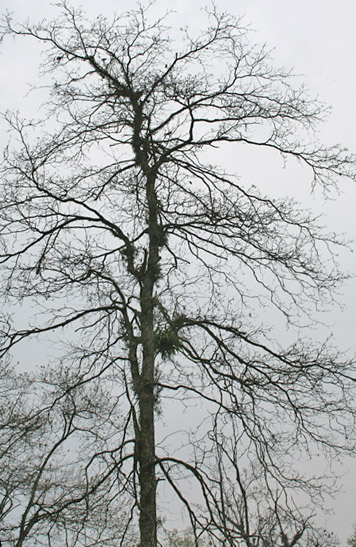 chebulic myrobalanTerminalia chebula
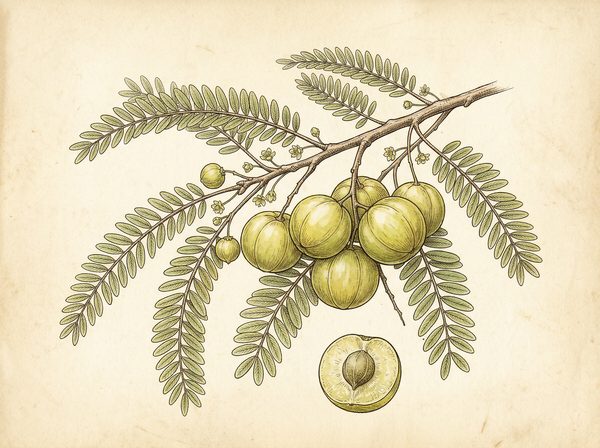 Indian gooseberryPhyllanthus emblica
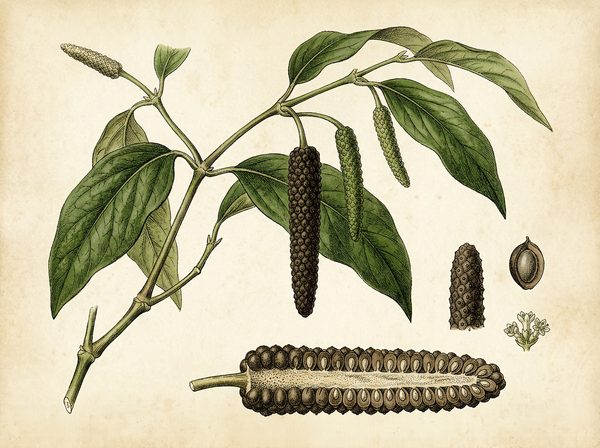 long pepperPiper longum
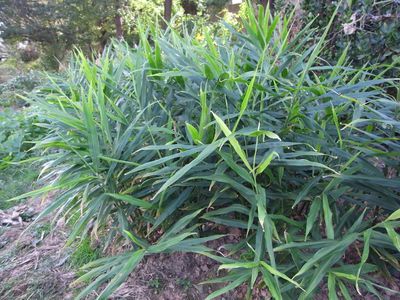 GingerZingiber officinale
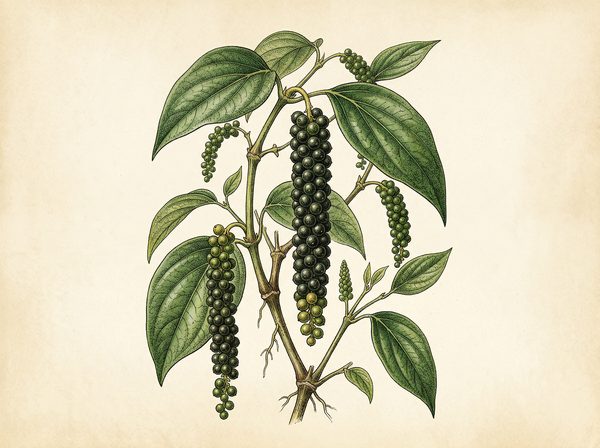 black pepperPiper nigrum
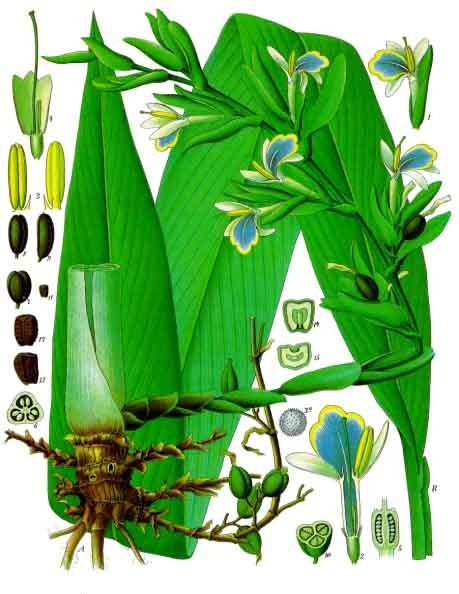 cardamomElettaria cardamomum
Nearby on the shelf
 Bee BalmMonarda didyma
 BeechdropsOrobanche virginiana
 Beer YeastCerevisiae Fermentum
 BeggarticksBidens pilosa
 BellwortUvularia
 Benedict's HerbGeum urbanum
 BenzoinStyrax benzoin
 Betel leafPiper betle
The whole plate is in the library. The compass, Compare, the Sky of eleven hundred plants and the formulary open with an email address and a password, free, with the formula builder and its safety engine. Herbert without limit, his formulating, clients, the handouts and the labels are the paid room.
Open the library, free