Ayurvedic Herbalism
Nirgundi
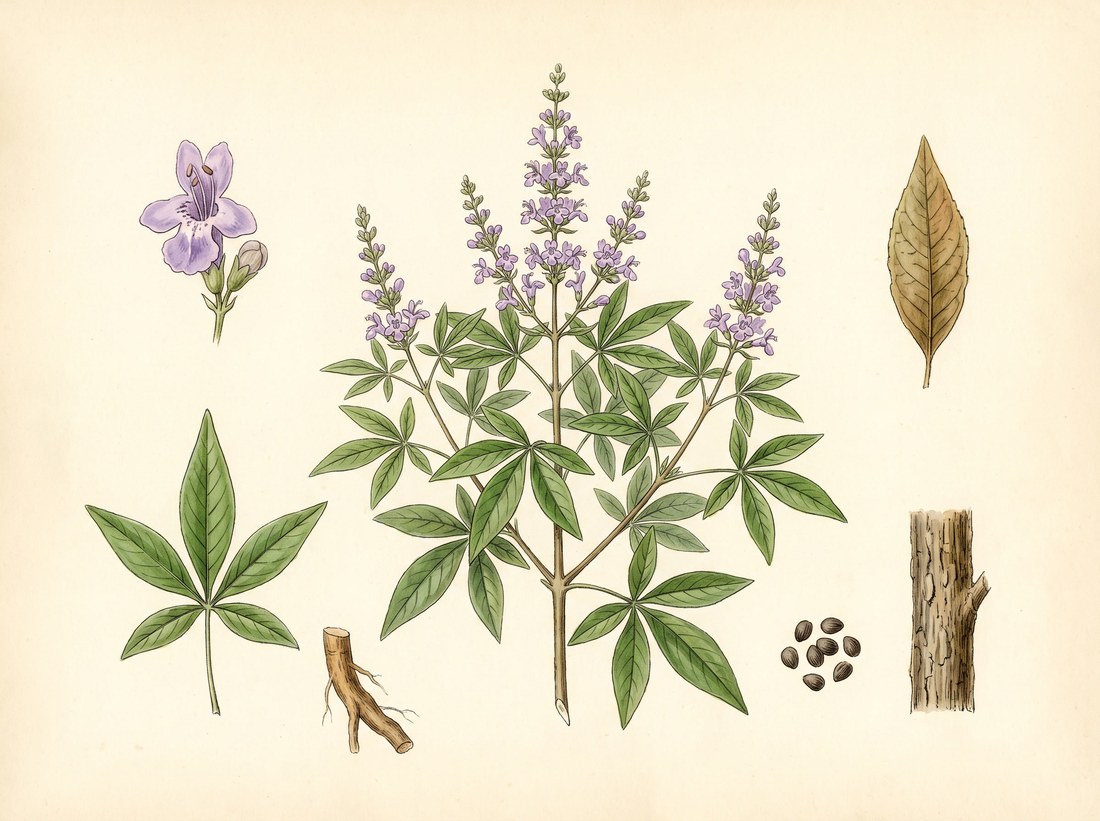
Vitex negundo
Also known as five-leaved chaste tree, Chinese chaste tree, horseshoe vitex, Indian privet, Nirgundi, Sinduvara, Sindhuka.
Vitex negundo is a large aromatic shrub with palmate leaves of three or five leaflets and spikes of small lavender flowers, common in hedges, along streams and on waste ground throughout India and across southern and eastern Asia. In Ayurveda the leaf is the everyday remedy for vata pain and swelling: warmed and applied to joints, made into a decoction for arthritis and fever, and cooked into Nirgundi taila, the oil of choice for painful, stiff limbs. The plant is a close relative of the European chaste tree but is used quite differently, for pain and inflammation rather than for the hormonal system.

Ask Herbert about Nirgundi. Herbert is the master herbalist inside Bountiful Herbs: he answers from this plate and eleven hundred others, with dosing, pairing and cautions. Your first ten questions are free.
Ask HerbertActions
Indications what the tradition reached for it in
- Osteoarthritis and rheumatoid arthritis with cold, stiff, swollen joints
- Sprains, strains and soft tissue injury (topical and internal)
- Low back pain and sciatica of vata type
- Tension headache and sinus headache (leaf fomentation and inhalation)
- Chronic bronchitis and asthma with cough (adjunct)
- Intestinal worms in children (leaf juice)
- Fungal and infected skin lesions (leaf wash and oil)
- Painful menstruation and pelvic congestion (traditional)
- Wound healing and old ulcers (topical)
- Postpartum body pain and stiffness (fomentation)
- Allergic rhinitis with sneezing (traditional)
Specific indications
Cold, stiff, swollen joints that ache more in damp weather and ease with heat, in a heavy or sedentary patient
An acute sprain or a painful swollen knee where a warm leaf poultice and an oil massage are wanted alongside internal treatment
A dull heavy headache with sinus congestion relieved by warmth and steam
Postpartum aches, stiffness and chills where the tradition prescribes a warm leaf fomentation and Nirgundi oil massage
Safety
Pregnancy: Avoid internal use in pregnancy: no published safety class is known to us, the tradition regards the plant as heating and it is given to expel the placenta and relieve postpartum pain, and related Vitex species act on the pituitary; external leaf applications are traditional and appear safe.
The record lists 6 contraindications; open the plate in the library to read them in full.
In practice
Nirgundi is the physician's herb for pain with swelling and stiffness of vata and kapha type: arthritis, back pain, sciatica, sprains, headache and the aches that follow childbirth or a chill. The leaf is most often used externally, as a warm poultice, as a fomentation with the steam of the boiling leaves, or as Nirgundi taila massaged into the joint, while the leaf or root decoction is taken internally with a pinch of dry ginger or with castor oil for amavata.
In Ayurveda
Rasa: tikta (bitter), katu (pungent), kashaya (astringent). Virya: ushna (heating). Vipaka: katu (pungent). Guna: laghu (light), ruksha (dry). Dosha: pacifies vata and kapha; may aggravate pitta in excess. Karma: vatahara (pacifies vata); shothahara (reduces swelling); vedanasthapana (relieves pain); krimighna (anthelmintic); keshya (promotes hair growth); medhya (supports intellect and memory); chakshushya (good for the eyes); deepana (kindles digestion); kaphahara (reduces kapha); vranaropana (heals wounds); jvaraghna (relieves fever). Classical indications: vatavyadhi (neuromuscular and joint disorders of vata); amavata (rheumatoid type arthritis); sandhivata (osteoarthritis); shotha (inflammatory swelling); shiroroga (diseases of the head, headache); krimi (worms); kushtha (skin disease); jvara (fever); kasa and shvasa (cough and dyspnea); pliharoga (splenic enlargement); vrana (wounds); netraroga (eye disorders). The leaf is the main part, used fresh as a warm poultice and fomentation, as swarasa, as kwatha and in medicated oil; the root is decocted and powdered for vata and joint disorders; the seed is powdered as a nervine and anti-inflammatory; a pillow of dried leaves is a folk remedy for headache and catarrh. Classical formulations: Nirgundi taila, Nirgundi kwatha, Nirgundyadi taila, Vishagarbha taila, Nirgundi ghrita, Maharasnadi kwatha, Sinduvaradi taila. Described in: Charaka Samhita, Sushruta Samhita, Ashtanga Hridaya, Bhavaprakasha Nighantu, Dhanvantari Nighantu, Raja Nighantu, Kaiyadeva Nighantu, Ayurvedic Pharmacopoeia of India.
Dosing as the sources wrote it
| Preparation | As written | Metric |
|---|---|---|
| Churna | 2-4 g powdered leaf or root twice daily with warm water | 2000-4000 mg |
| Kwatha | 50-100 mL leaf or root decoction twice daily | 50-100 mL |
| Swarasa | 10-20 mL fresh leaf juice once or twice daily | 10-20 mL |
| Taila, topical | 5-10 mL Nirgundi taila massaged into the affected part twice daily | 5-10 mL |
| Kalka, topical | 10-20 g warmed leaf paste applied to the joint once or twice daily | 10000-20000 mg |
Doses are reproduced from the sources for practitioners and are not a recommendation for any person.
From the sources
Overview. Vitex negundo is a large aromatic shrub with palmate leaves of three or five leaflets and spikes of small lavender flowers, common in hedges, along streams and on waste ground throughout India and across southern and eastern Asia. In Ayurveda the leaf is the everyday remedy for vata pain and swelling: warmed and applied to joints, made into a decoction for arthritis and fever, and cooked into Nirgundi taila, the oil of choice for painful, stiff limbs. The plant is a close relative of the European chaste tree but is used quite differently, for pain and inflammation rather than for the hormonal system.
Clinical Notes. Nirgundi is the physician's herb for pain with swelling and stiffness of vata and kapha type: arthritis, back pain, sciatica, sprains, headache and the aches that follow childbirth or a chill. The leaf is most often used externally, as a warm poultice, as a fomentation with the steam of the boiling leaves, or as Nirgundi taila massaged into the joint, while the leaf or root decoction is taken internally with a pinch of dry ginger or with castor oil for amavata.
Ayurvedic Profile. Rasa: tikta (bitter), katu (pungent), kashaya (astringent). Virya: ushna (heating). Vipaka: katu (pungent). Guna: laghu (light), ruksha (dry). Dosha: pacifies vata and kapha; may aggravate pitta in excess.
In formulas
Nirgundi stands in 21 documented formulas in the library, among them Nirguṇḍī Ghṛta, Mahā Viṣagarbha Taila, Lākṣādi Taila, Viṣatinduka Taila, Saubhāgya Vaṭī, Tāmra Bhasma.
Often paired with
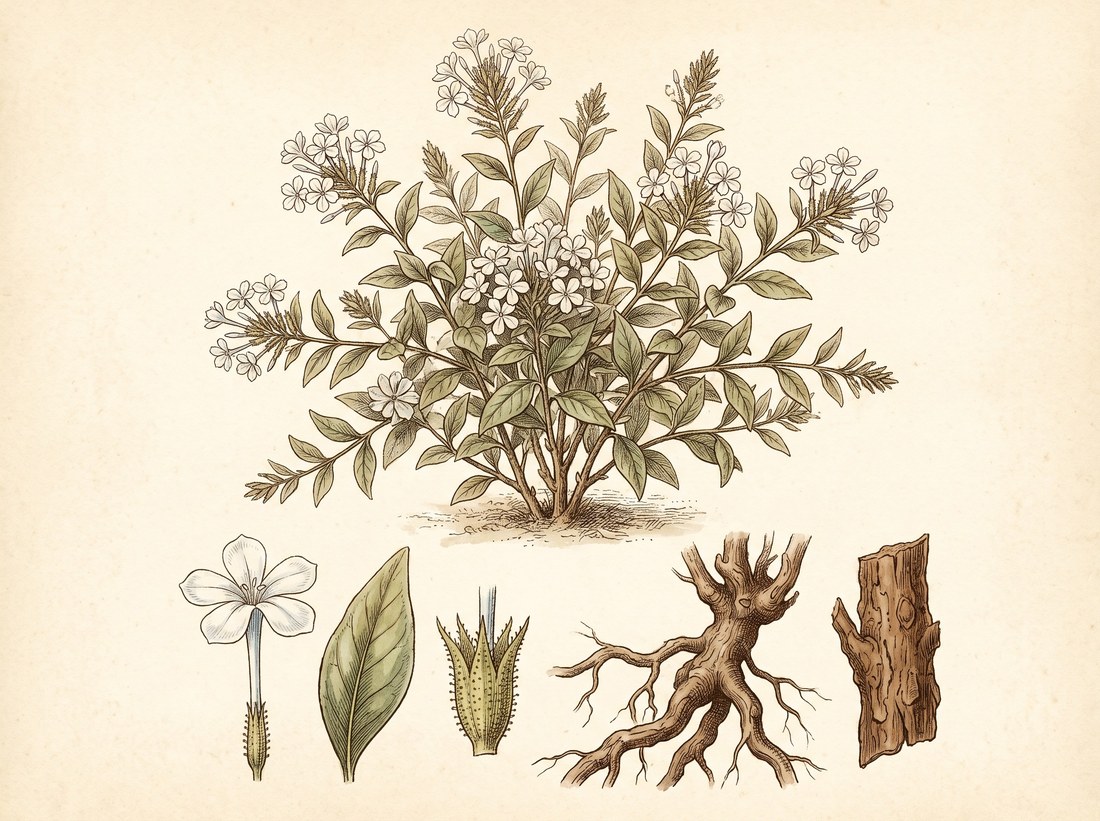 Ceylon leadwortPlumbago zeylanica
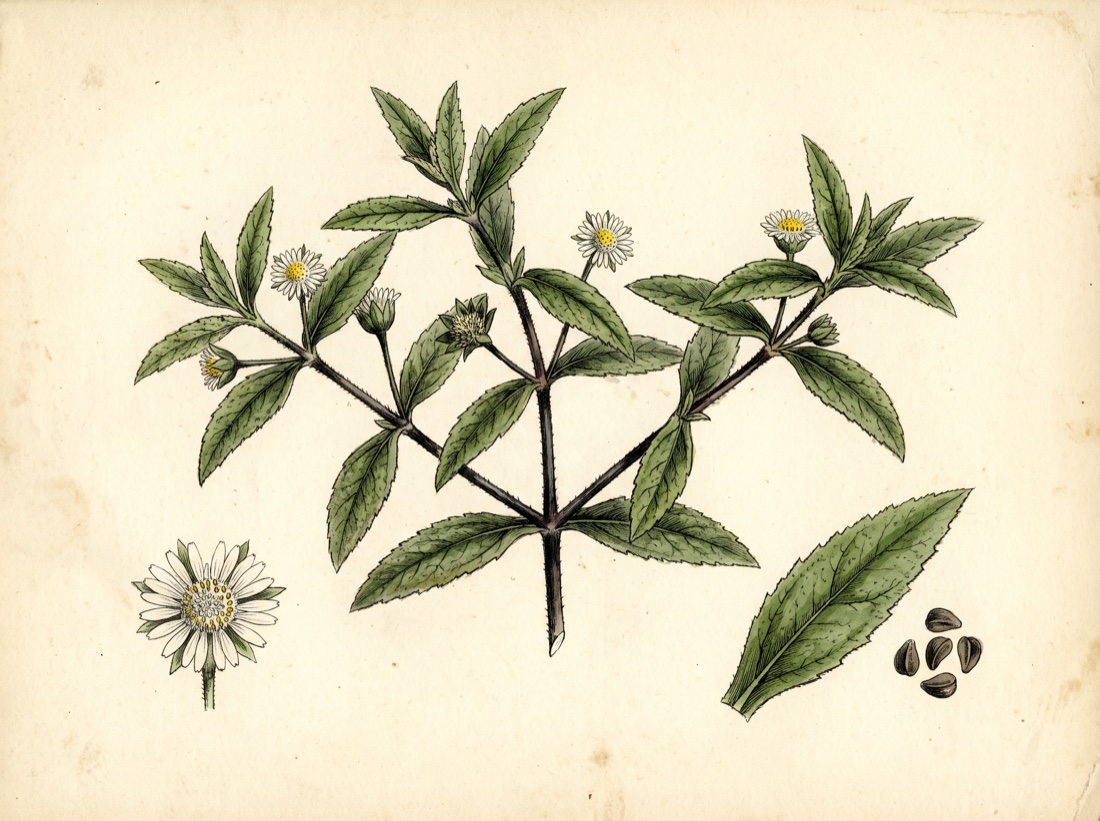 false daisyEclipta prostrata
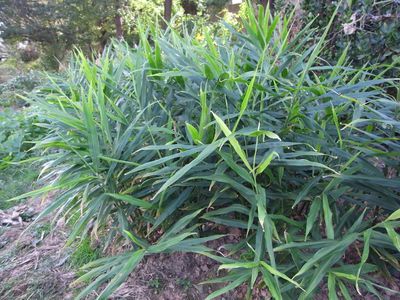 GingerZingiber officinale
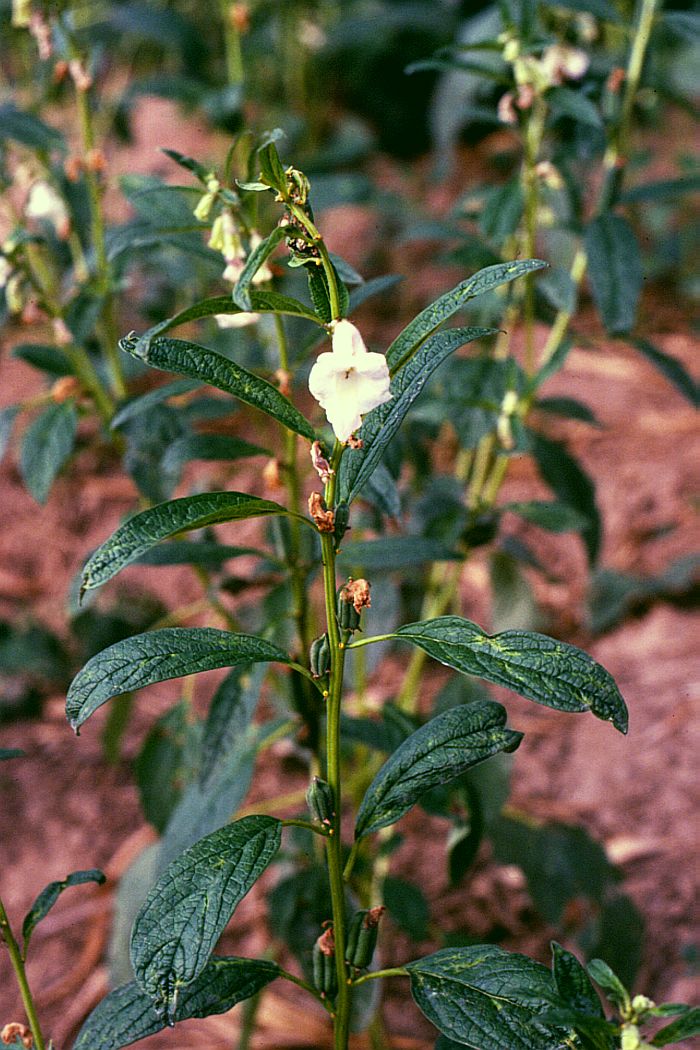 sesameSesamum indicum
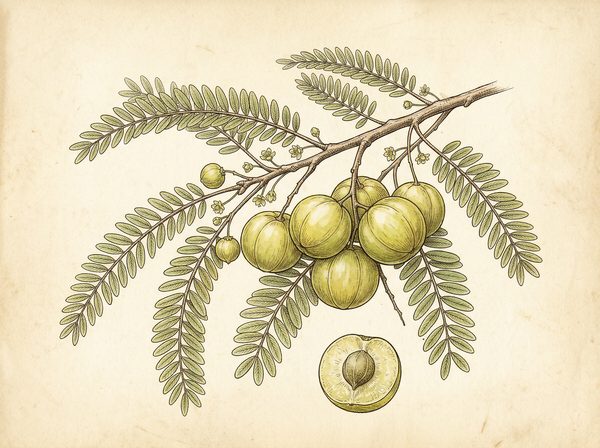 Indian gooseberryPhyllanthus emblica
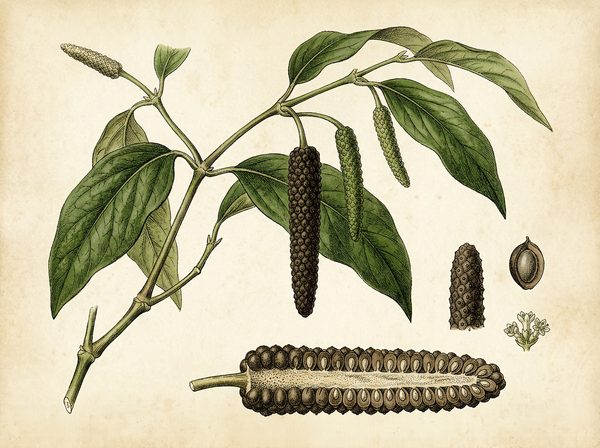 long pepperPiper longum
Nearby on the shelf
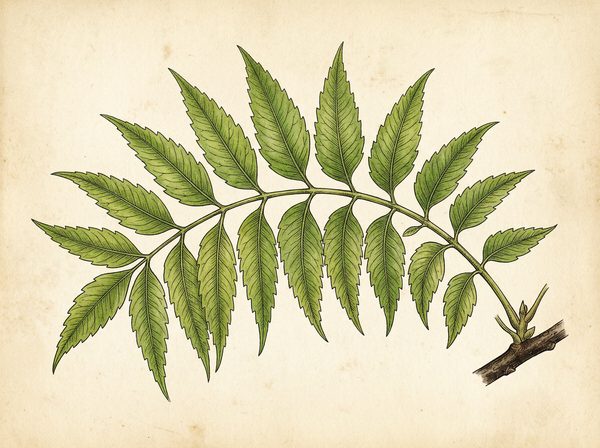 NeemAzadirachta indica
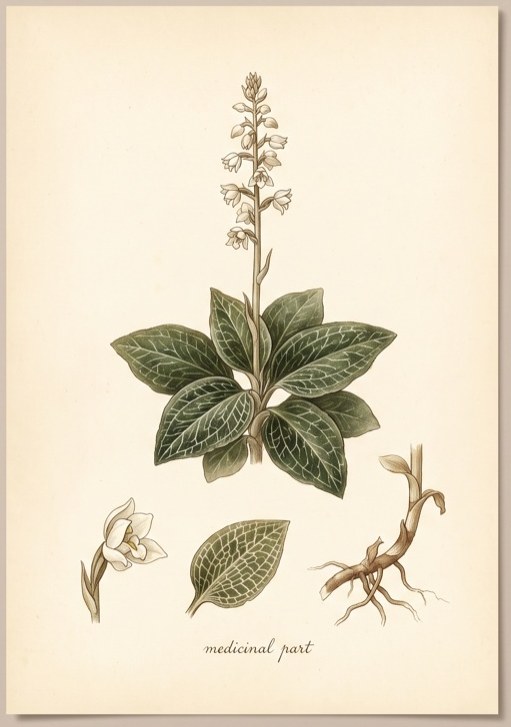 Net-leaf plantainGoodyera
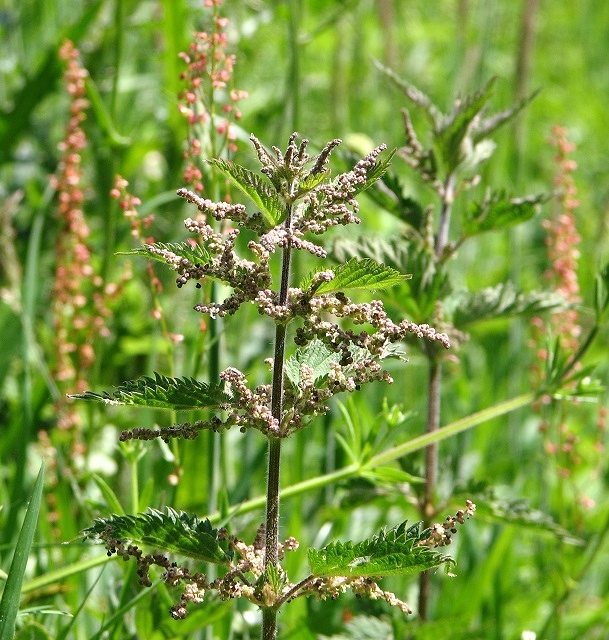 NettlesUrtica dioica
 Night-blooming cereusSelenicereus grandiflorus
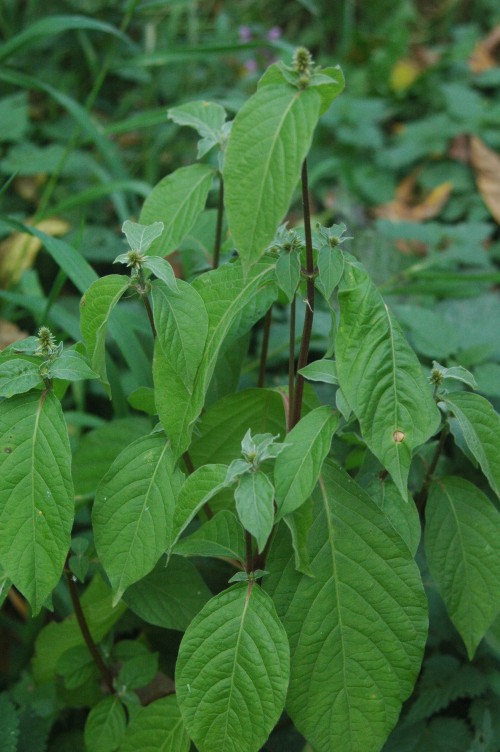 Niu XiAchyranthes bidentata
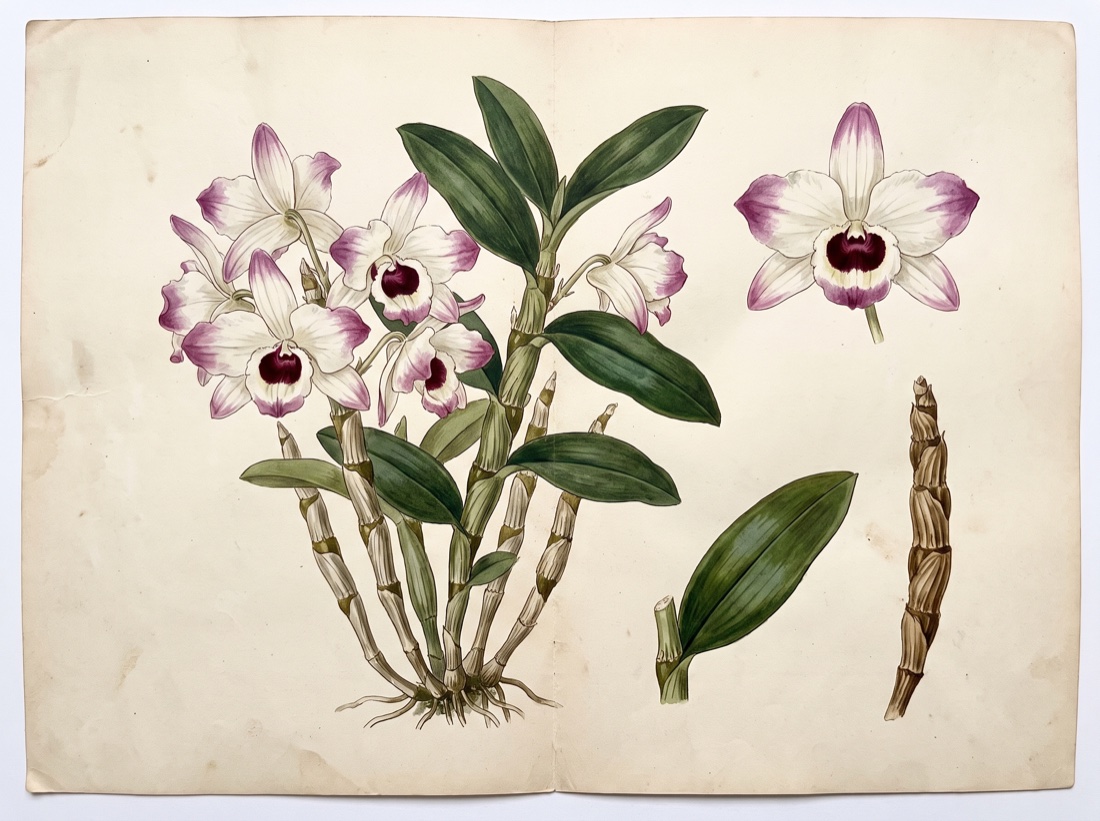 Noble dendrobiumDendrobium nobile
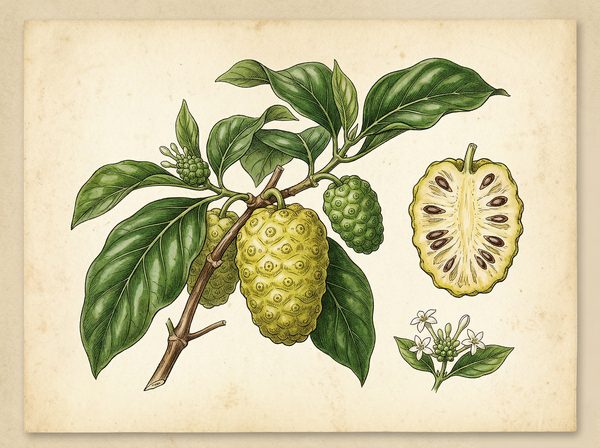 NoniMorinda citrifolia
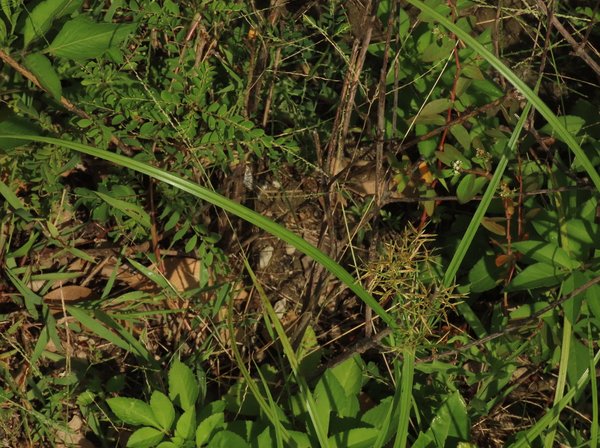 Nut grassCyperus rotundus
The whole plate is in the library. The compass, Compare, the Sky of eleven hundred plants and the formulary open with an email address and a password, free, with the formula builder and its safety engine. Herbert without limit, his formulating, clients, the handouts and the labels are the paid room.
Open the library, free