Western and Ayurvedic herbalism
Vasaka
Adhatoda vasica
Also known as Malabar nut, adulsa, vasa, Vasa, Vasaka, Atarushaka.
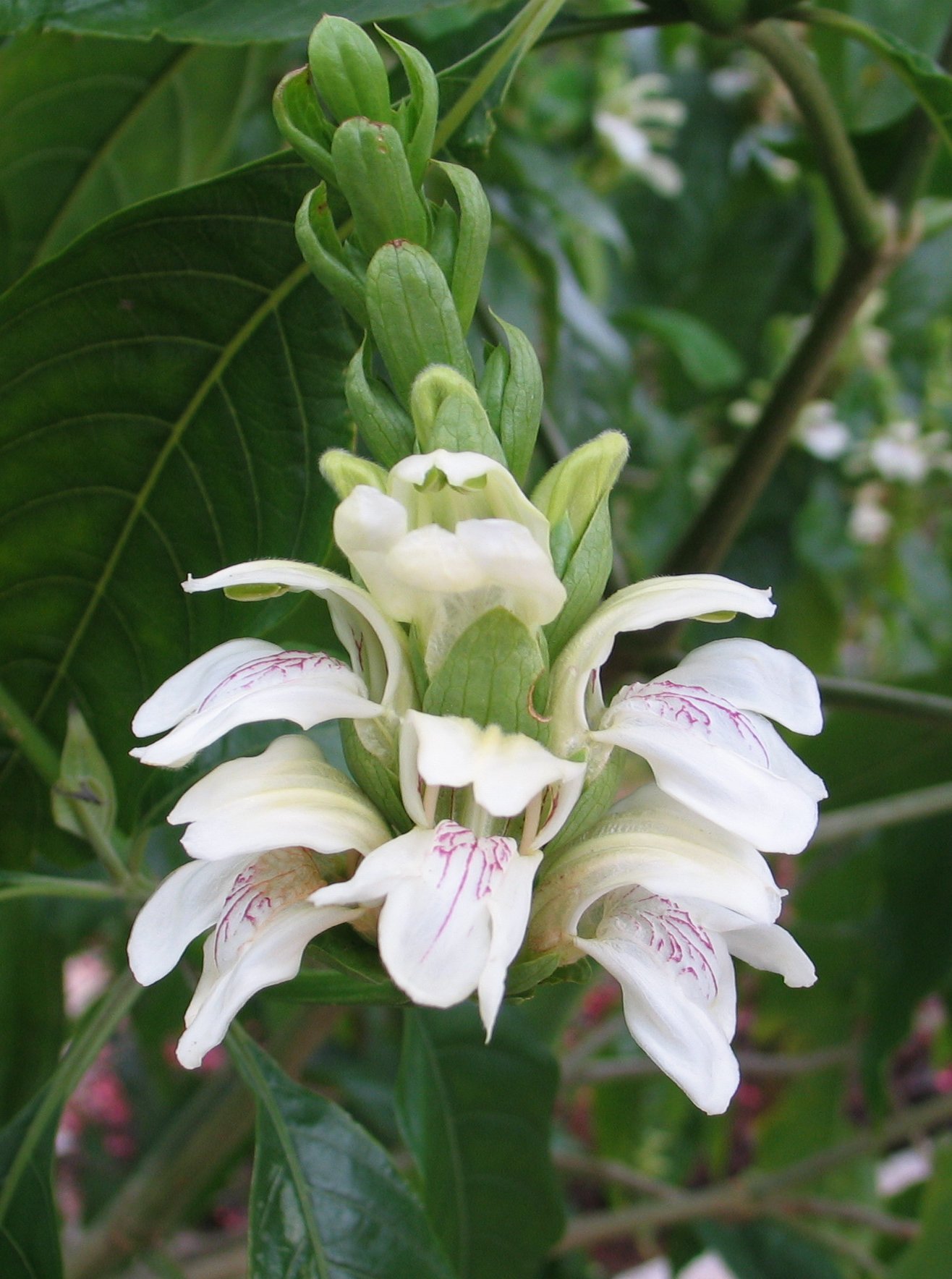
Adhatoda vasica, now placed by botanists in Justicia, is a dense evergreen shrub of the acanthus family with lance shaped leaves and white, lipped flowers, growing wild across the plains and lower hills of India, Nepal and Sri Lanka and planted as a hedge around villages. It is Ayurveda's principal lung herb: the leaf juice for cough, asthma and bleeding from the chest, cooling and bitter, gathered fresh whenever it is needed. Its quinazoline alkaloid vasicine was the template for the modern mucolytics bromhexine and ambroxol, which makes it one of the few Ayurvedic drugs to have passed directly into pharmaceutical medicine.

Ask Herbert about Vasaka. Herbert is the master herbalist inside Bountiful Herbs: he answers from this plate and eleven hundred others, with dosing, pairing and cautions. Your first ten questions are free.
Ask HerbertActions
Indications what the tradition reached for it in
- Acute and chronic bronchitis with thick, sticky sputum
- Bronchial asthma with wheeze and tenacious phlegm
- Hemoptysis and blood-streaked sputum
- Whooping cough and spasmodic cough in children (small doses)
- Chronic obstructive lung disease as a supportive expectorant
- Tuberculosis convalescence with cough (adjunct)
- Epistaxis and bleeding gums of pitta type
- Heavy menstrual bleeding (traditional)
- Sinusitis with postnasal drip and productive cough
- Fever with chest congestion
- Tuberculosis
- Dyspnea
- Thick tenacious sputum
- Gingivitis
- Leprosy
- Whooping cough
- Excessive thirst
- Menorrhagia
- Respiratory infection
- Urticaria
- Bronchitis
- Asthma
- Chronic coughs
- Emphys
- Diabetes
- Rheumatoid arthritis
- Cough
- Colds
- Piles
- Jaundice
Specific indications
A productive cough with thick yellow or white sputum that is hard to raise, with tightness in the chest and a low fever
Wheeze and a rattling chest in a kapha patient who wakes at night coughing up phlegm
Blood-streaked sputum or nosebleeds in a hot, inflamed patient after a chest infection
The lingering, exhausting cough after pneumonia or bronchitis when the acute infection has passed
Safety
Low dose botanical. Used in drop doses in the classical practice; not a plant to dose freely.
Pregnancy: Contraindicated in pregnancy: vasicine has oxytocic and abortifacient activity in animals and the plant has a traditional history of use to induce labor and abortion; the AHPA Botanical Safety Handbook places it in class 2b.
Breastfeeding: No data in nursing mothers; the AHPA Botanical Safety Handbook advises against use while breastfeeding and the tradition offers no clear position, so avoid.
The record lists 7 contraindications; open the plate in the library to read them in full.
In practice
Vasa is the first herb an Ayurvedic physician reaches for when kapha sits in the chest: cough with thick sputum, wheeze, a heavy tight chest and hoarseness. The fresh leaf juice with honey is the classical form, and honey is the anupana of choice because it carries the bitter cooling herb into the lungs while adding its own expectorant action; for a dry vata cough the juice is given with ghee or milk instead.
In Ayurveda
Rasa: tikta (bitter), kashaya (astringent). Virya: sheeta (cooling). Vipaka: katu (pungent). Guna: laghu (light), ruksha (dry). Dosha: pacifies kapha and pitta; may aggravate vata in excess. Karma: kasahara (relieves cough); shvasahara (relieves dyspnea); kaphanissaraka (expels phlegm); raktapittahara (checks bleeding of pitta origin); raktastambhana (hemostatic); jvaraghna (relieves fever); kshayahara (useful in wasting and tuberculosis); hridya (supports the heart); kanthya (good for the voice and throat); chhardinigrahana (checks vomiting). Classical indications: kasa (cough); shvasa (dyspnea and asthma); raktapitta (bleeding disorders, especially hemoptysis); kshaya and rajayakshma (wasting disease and tuberculosis); jvara (fever); kamala (jaundice); chhardi (vomiting); prameha (urinary disorders); kushtha (skin disease); svarabheda (hoarseness). The fresh leaf juice is the classical form for cough and bleeding, given with honey; the leaf and root are also decocted, the leaf is powdered, and the whole plant is cooked down into the Vasavaleha confection and into medicated ghee. Dried leaves were traditionally smoked for asthma. Classical formulations: Vasavaleha, Vasakasava, Vasa ghrita, Vasarishta, Vasakadi kwatha, Vasaguduchyadi kwatha, Kantakari avaleha, Chyawanprash. Described in: Charaka Samhita, Sushruta Samhita, Ashtanga Hridaya, Bhavaprakasha Nighantu, Dhanvantari Nighantu, Raja Nighantu, Sharngadhara Samhita, Kaiyadeva Nighantu, Ayurvedic Pharmacopoeia of India.
Dosing as the sources wrote it
| Preparation | As written | Metric |
|---|---|---|
| Swarasa | 10-20 mL fresh leaf juice two to three times daily with honey | 10-20 mL |
| Kwatha | 40-80 mL leaf decoction twice daily | 40-80 mL |
| Churna | 1-3 g powdered leaf twice daily with honey | 1000-3000 mg |
| Avaleha | 6-12 g Vasavaleha twice daily | 6000-12000 mg |
| Asava | 12-24 mL Vasakasava twice daily after food | 12-24 mL |
| Leaf juice | Leaf juice 10-20 ml | 10-20 mL |
Doses are reproduced from the sources for practitioners and are not a recommendation for any person.
From the sources
Overview. Adhatoda vasica, now placed by botanists in Justicia, is a dense evergreen shrub of the acanthus family with lance shaped leaves and white, lipped flowers, growing wild across the plains and lower hills of India, Nepal and Sri Lanka and planted as a hedge around villages. It is Ayurveda's principal lung herb: the leaf juice for cough, asthma and bleeding from the chest, cooling and bitter, gathered fresh whenever it is needed. Its quinazoline alkaloid vasicine was the template for the modern mucolytics bromhexine and ambroxol, which makes it one of the few Ayurvedic drugs to have passed directly into pharmaceutical medicine.
Clinical Notes. Key herb in Ayurveda, Siddha, Unani for respiratory conditions Classified as expectorant and mucolytic in Charaka Samhita Vasicine main active for bronchodilation
Clinical Notes. Vasa is the first herb an Ayurvedic physician reaches for when kapha sits in the chest: cough with thick sputum, wheeze, a heavy tight chest and hoarseness. The fresh leaf juice with honey is the classical form, and honey is the anupana of choice because it carries the bitter cooling herb into the lungs while adding its own expectorant action; for a dry vata cough the juice is given with ghee or milk instead.
primary-actions. Malabar Nut acts primarily as: Expectorant, Bronchodilator, Antispasmodic, Antitussive, Mucolytic. Secondary actions include Anti-inflammatory, Hepatoprotective, Emmenagogue, Hemostatic, Diuretic, Cardiac tonic.
In formulas
Vasaka stands in 26 documented formulas in the library, among them Aśokāriṣta, Kanakāsava, Devadārvāriṣṭa, Punarnavāsava, Mṛtasaṅjīvanī Surā, Lohāsava.
Often paired with
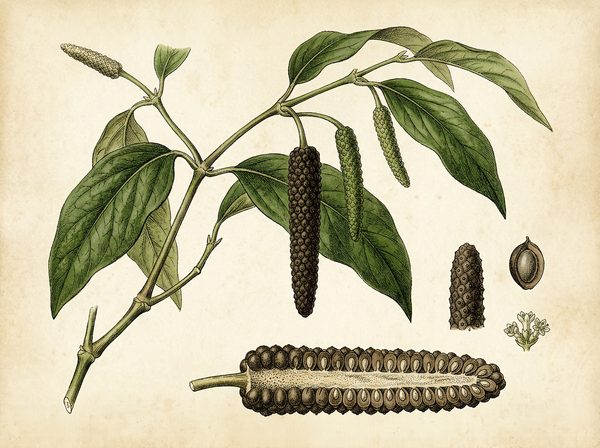 long pepperPiper longum
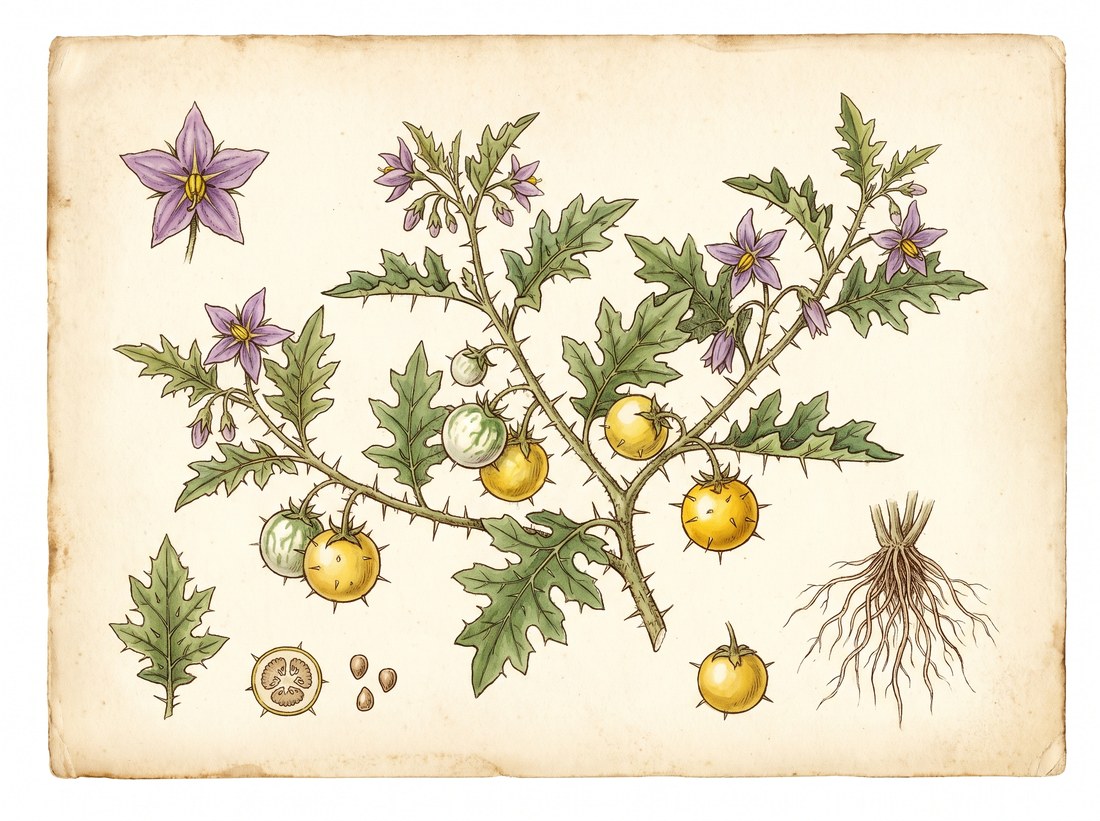 yellow-berried nightshadeSolanum xanthocarpum
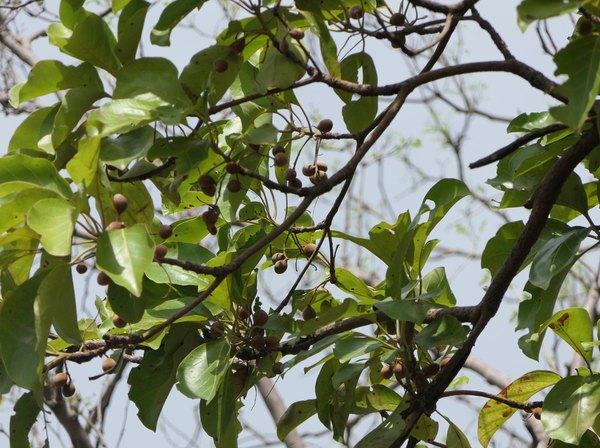 beleric myrobalanTerminalia bellirica
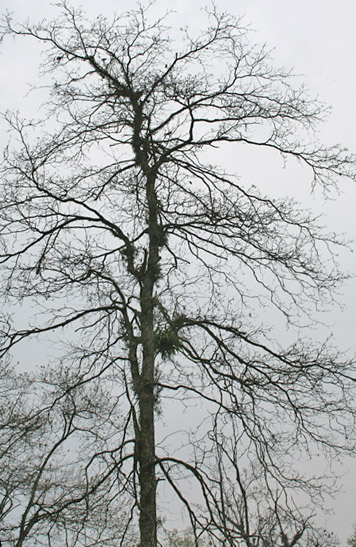 chebulic myrobalanTerminalia chebula
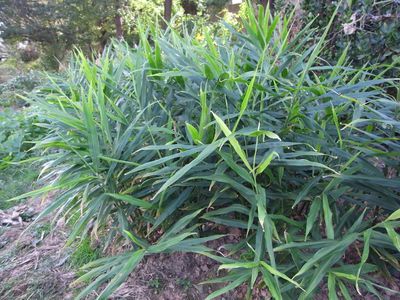 GingerZingiber officinale
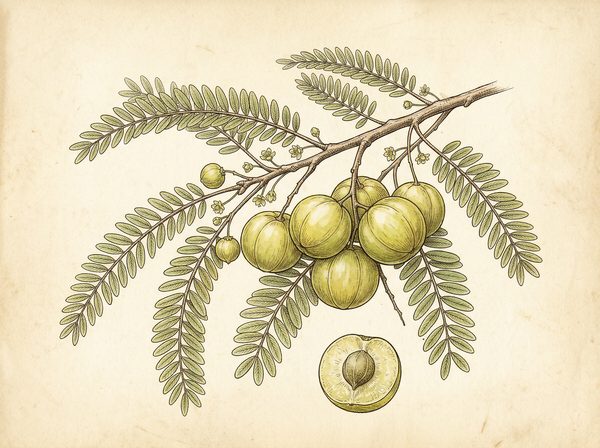 Indian gooseberryPhyllanthus emblica
Nearby on the shelf
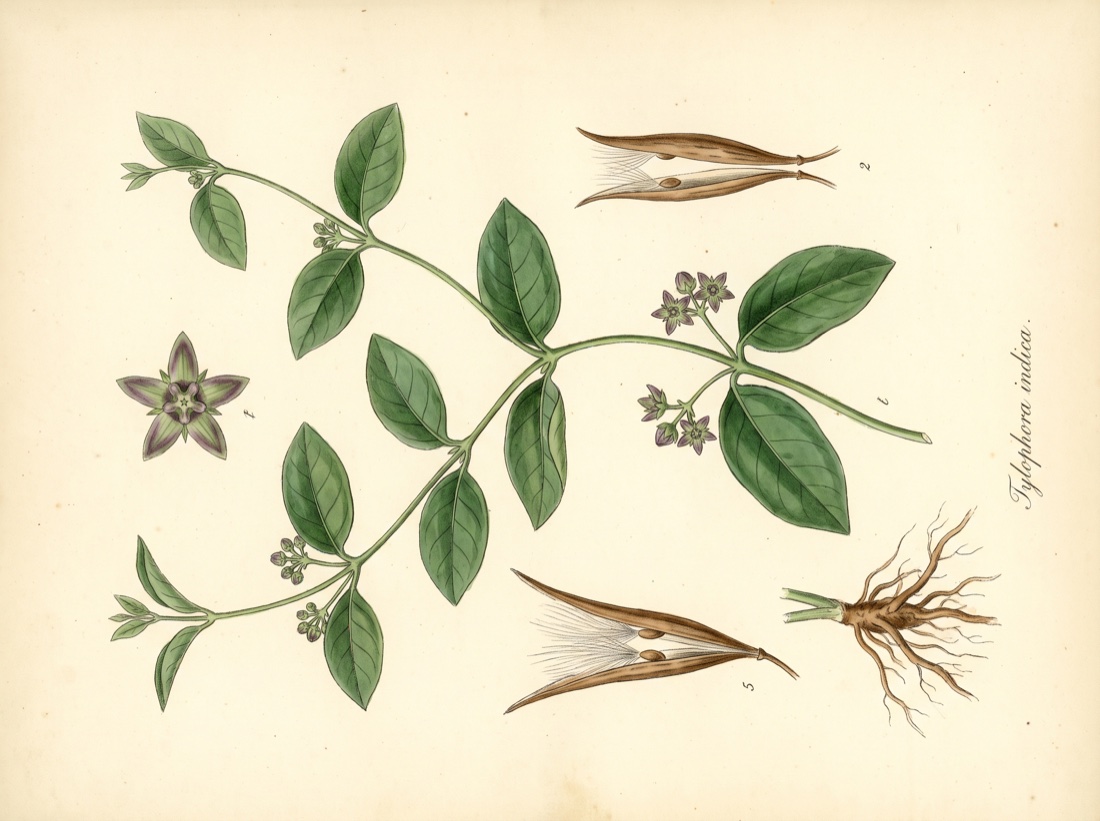 TylophoraTylophora indica
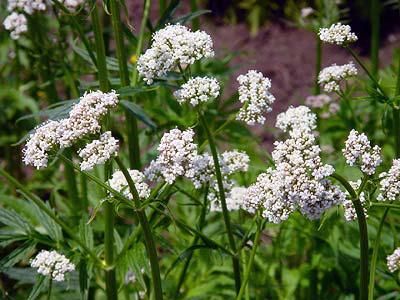 ValerianValeriana officinalis
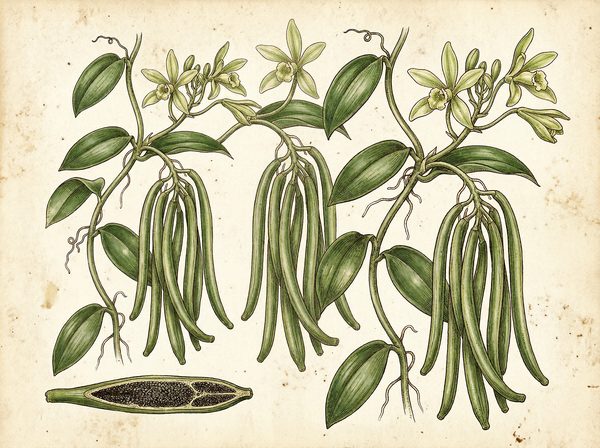 VanillaVanilla planifolia
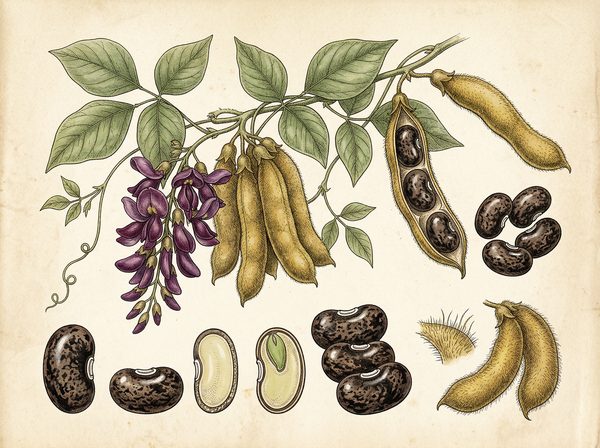 Velvet BeanMucuna pruriens
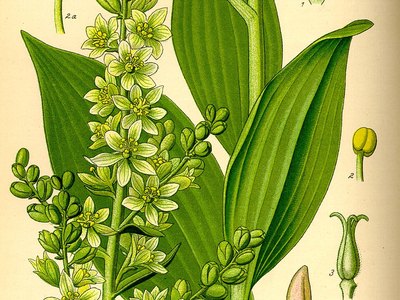 Veratrum AlbumWhite Hellebore
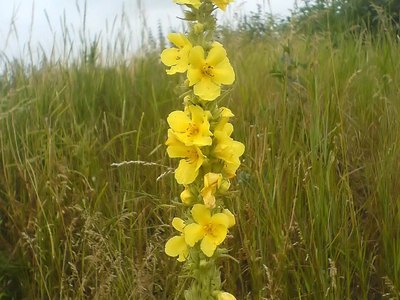 Verbascum densiflorumVerbascum densiflorum
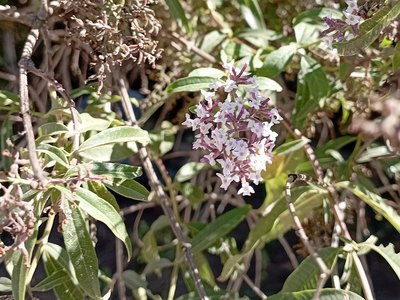 Verbena triphylla L'HerAloysia triphylla
The whole plate is in the library. The compass, Compare, the Sky of eleven hundred plants and the formulary open with an email address and a password, free, with the formula builder and its safety engine. Herbert without limit, his formulating, clients, the handouts and the labels are the paid room.
Open the library, free