Western and Ayurvedic herbalism
Mung bean
Vigna radiata
Also known as green gram, golden gram, moong, Mudga, Haritamudga, Shimbija.
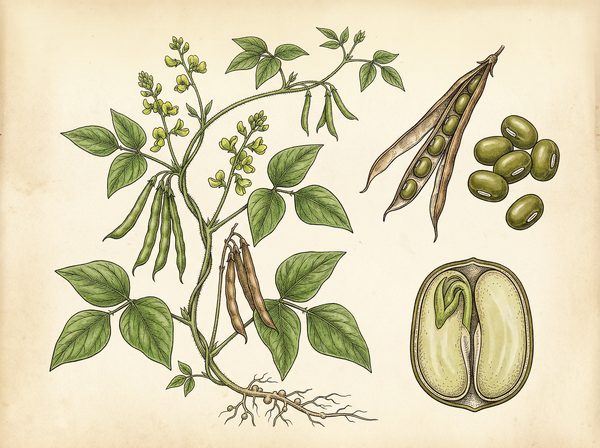
Vigna radiata, the mung bean or green gram, is a small annual legume cultivated across India for thousands of years and now grown throughout Asia, with slender pods of small green seeds that cook quickly and digest easily. Ayurveda calls it Mudga and ranks it first among all pulses: light, cooling, sweet and astringent, gentle on digestion, suitable in fever, diarrhea and convalescence, and the base of khichari, the sustaining meal of Panchakarma and of recovery. It is a food that the tradition treats as medicine.

Ask Herbert about Mung bean. Herbert is the master herbalist inside Bountiful Herbs: he answers from this plate and eleven hundred others, with dosing, pairing and cautions. Your first ten questions are free.
Ask HerbertActions
Indications what the tradition reached for it in
- Convalescence from fever and acute illness
- Diarrhea and weak digestion, as a light recovery food
- Obesity and metabolic syndrome, as a staple protein
- Type 2 diabetes, dietary management
- Heat, burning and summer fatigue (sprouts and soup)
- Dietary base during Panchakarma and cleansing regimens
- Skin eruptions and acne (dietary support and topical scrub)
- Bleeding tendency and hot constitutions (dietary support)
- Heat rash and sunburn (paste, traditional)
- Elevated cholesterol, dietary adjunct
- Thirst
- Rosacea
- Liver disease
- Heat stroke
- Cold sores
- Hyperlipidemia
- Boils
- Pimples
- Inflammation
- Stomachache
- Cancer support
- Skin rashes
- Hypertension
- Hyperglycemia
- Summer heat
- Acne
- Gastrointestinal upset
- Diarrhea
- Detoxification
- Irritability
Specific indications
The patient just past a fever or a bout of gastroenteritis who is weak, has no appetite and cannot yet digest ordinary meals: thin mung soup with a little ginger, cumin and rock salt is the classical first food
A hot, overweight patient with acne and a tendency to loose stools who needs a light, cooling protein to replace heavier pulses and meat
The person undertaking a cleansing diet, monodiet or Panchakarma, for whom khichari of mung and rice is the traditional sustaining meal
A kapha type with sluggish digestion and high lipids for whom sprouted mung eaten with lemon and spices is both food and medicine
Safety
The record lists 7 contraindications; open the plate in the library to read them in full.
In practice
Mudga is the Ayurvedic physician's dietary prescription more often than a drug. When a patient is recovering from fever, diarrhea or a purge, when digestion is weak, when a cleansing diet is under way, or when a heavy kapha or hot pitta patient needs a protein that will not aggravate, the answer is mung: as yusha, a thin soup of the split bean with ginger, cumin, turmeric and rock salt for the sick; as khichari with rice and ghee for those who can take more; as sprouts with lemon for the overweight and the hot.
In Ayurveda
Rasa: madhura (sweet), kashaya (astringent). Virya: sheeta (cooling). Vipaka: katu (pungent). Guna: laghu (light), ruksha (dry), vishada (clear). Dosha: pacifies kapha and pitta; mildly increases vata unless cooked with ghee and spices. Prabhava: considered the best of all pulses (shimbi dhanya shreshtha) and the ideal food in convalescence and fever. Karma: pathya (wholesome, dietetically ideal); laghu (light to digest); grahi (absorbent, binds stool); balya (strengthening); chakshushya (good for the eyes); jvarahara (suitable in fever); kaphapittahara (reduces kapha and pitta); medohara (reduces fat); lekhana (scraping, mild); vishaghna (counteracts poison, traditional); shukrala (increases semen, in moderate amounts). Classical indications: jvara (fever, as the standard convalescent diet); atisara (diarrhea); sthaulya (obesity); prameha (urinary disorders including diabetes); netraroga (eye disease, dietary support); ama and agnimandya (weak digestion, as a light food); kushtha (skin disease, dietary support); raktapitta (bleeding disorders, dietary support); daha and ushnata (burning and heat); visha (poisoning, as a food and wash). The whole or split seed is cooked as yusha (thin soup), as khichari with rice and ghee, and as dal; sprouted beans are eaten raw or lightly cooked; the flour is used as a body and face scrub (udvartana, ubtan) and the seed coat is decocted or used in poultices. Classical formulations: Mudga yusha, Khichari (Mudga with rice, ghee and spices), Mudga udvartana (body scrub powder), Panchakola yusha with Mudga, Mudgamalaka yusha (with Amalaki). Described in: Charaka Samhita, Sushruta Samhita, Ashtanga Hridaya, Bhavaprakasha Nighantu, Dhanvantari Nighantu, Raja Nighantu, Kaiyadeva Nighantu.
Dosing as the sources wrote it
| Preparation | As written | Metric |
|---|---|---|
| Yusha (soup) | 30-60 g split mung cooked in 500-750 mL water with spices, taken as soup one to three times daily in convalescence | 30000-60000 mg |
| Khichari | 50-100 g mung with 50-100 g rice, cooked with ghee and spices, as a meal once or twice daily | 50000-100000 mg |
| Sprouts | 50-100 g sprouted mung daily, lightly cooked or raw with lemon | 50000-100000 mg |
| Udvartana, topical | 20-50 g mung flour mixed with water or oil as a body or face scrub | 20000-50000 mg |
| Decoction/soup: boil seeds in 14 parts water to semisolid, 30-40 g/day (Ayurveda Mudga Yusha) | 40000 mg | |
| mung bean drink: 2-3 cups/day (TCM |
Doses are reproduced from the sources for practitioners and are not a recommendation for any person.
From the sources
Overview. Vigna radiata, the mung bean or green gram, is a small annual legume cultivated across India for thousands of years and now grown throughout Asia, with slender pods of small green seeds that cook quickly and digest easily. Ayurveda calls it Mudga and ranks it first among all pulses: light, cooling, sweet and astringent, gentle on digestion, suitable in fever, diarrhea and convalescence, and the base of khichari, the sustaining meal of Panchakarma and of recovery. It is a food that the tradition treats as medicine.
Clinical Notes. Traditional food-herb in TCM/Ayurveda used post-panchakarma (Ayurveda) detox superfood in cancer support (TCM clinical note) process with spices/ghee to balance Vata (Ayurveda
Clinical Notes. Mudga is the Ayurvedic physician's dietary prescription more often than a drug. When a patient is recovering from fever, diarrhea or a purge, when digestion is weak, when a cleansing diet is under way, or when a heavy kapha or hot pitta patient needs a protein that will not aggravate, the answer is mung: as yusha, a thin soup of the split bean with ginger, cumin, turmeric and rock salt for the sick; as khichari with rice and ghee for those who can take more; as sprouts with lemon for the overweight and the hot.
primary-actions. Mung Bean acts primarily as: Refrigerant, Alterative, Diuretic, Anti-inflammatory, Hepatoprotective. Secondary actions include Hypoglycemic, Immunomodulator, Rejuvenative.
In formulas
Mung bean stands in 2 documented formulas in the library, among them Marma Guṭikā, sàn zhong kùi jiàn tǎng.
Often paired with
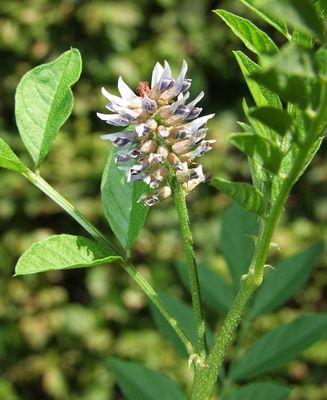 Licorice rootGlycyrrhiza glabra
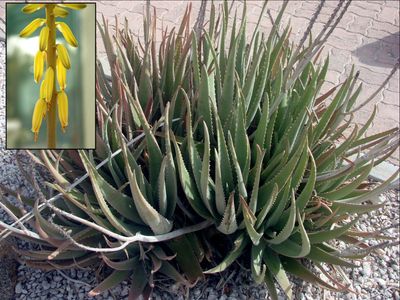 aloe veraAloe vera
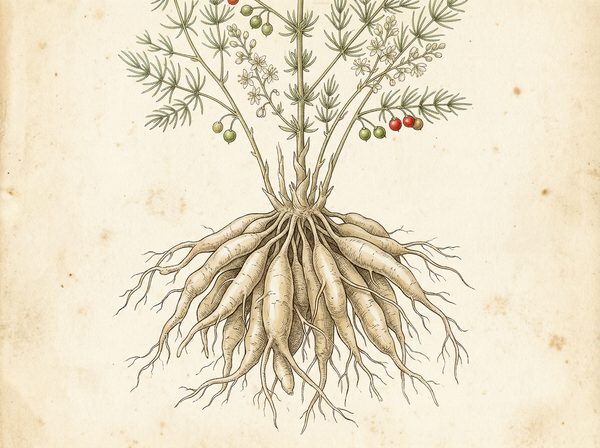 shatavariAsparagus racemosus
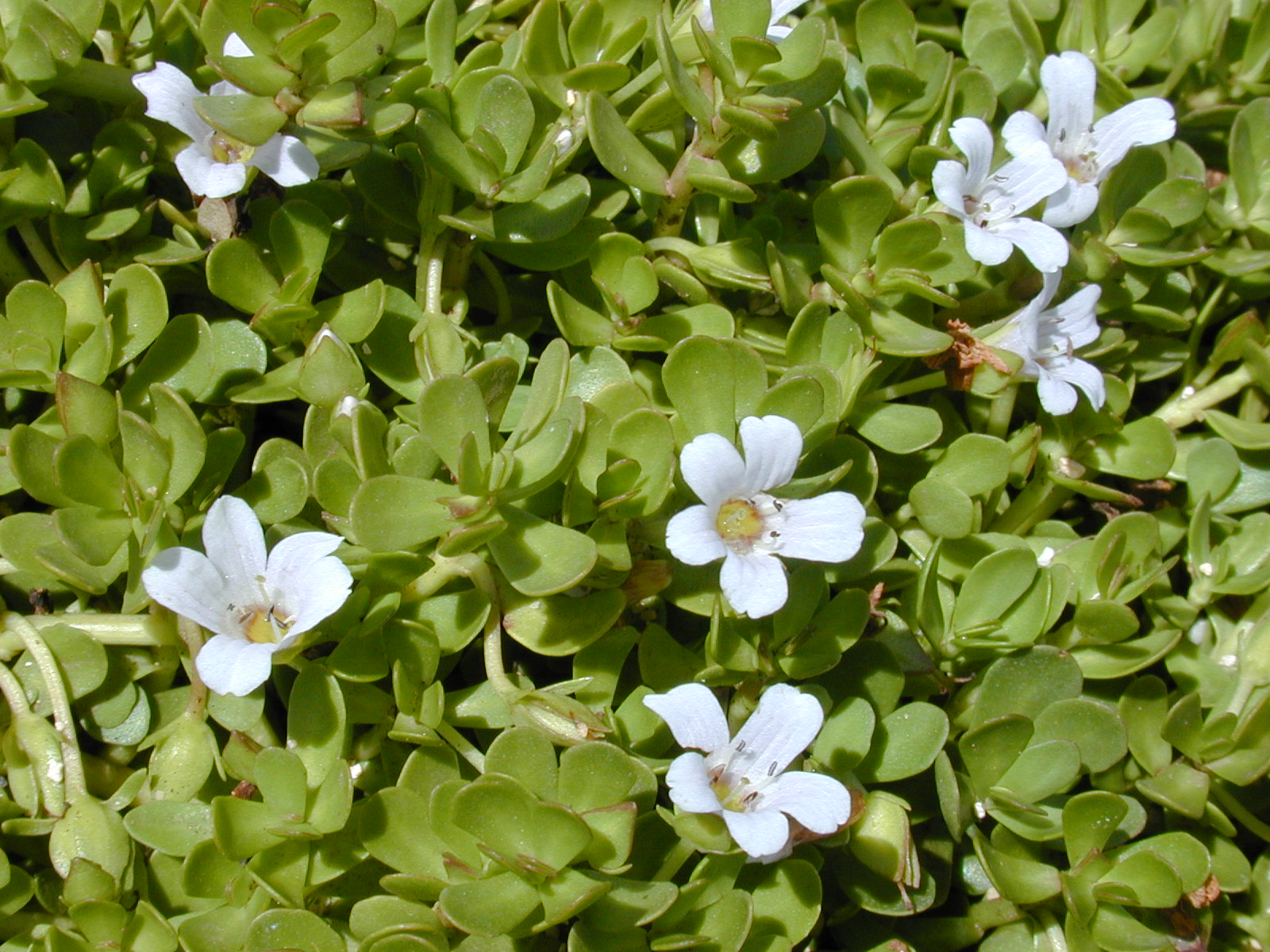 brahmiBacopa monnieri
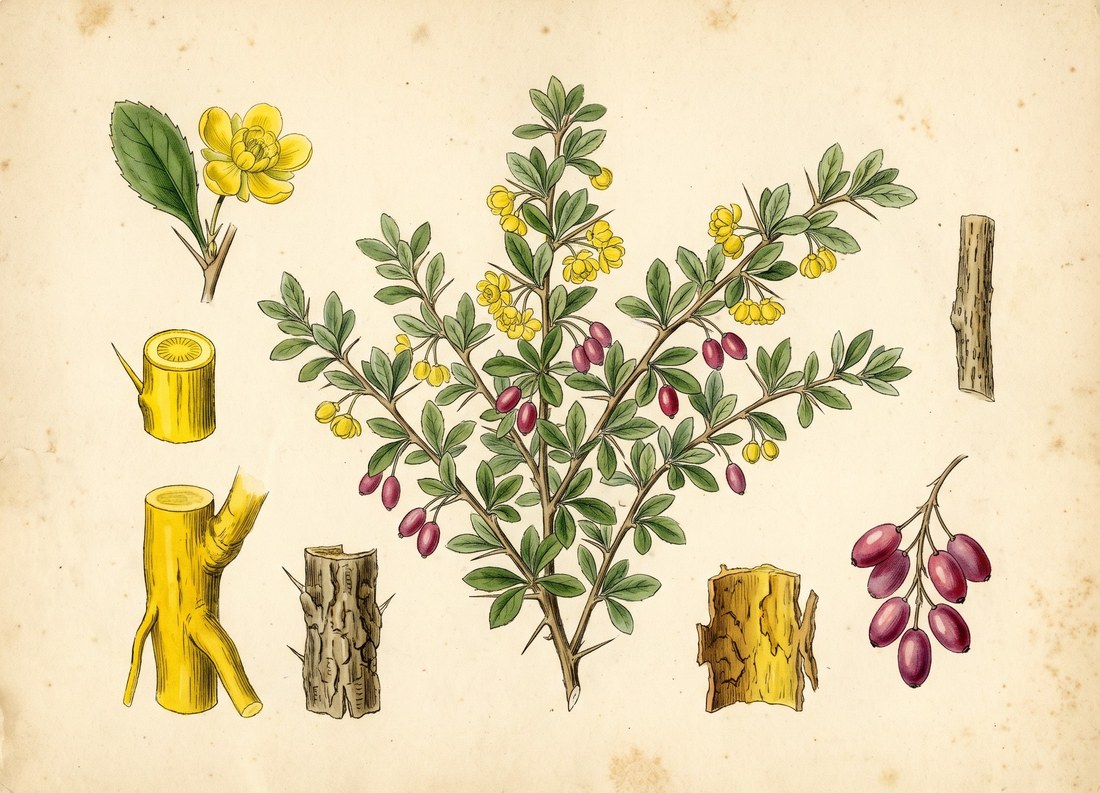 Indian barberryBerberis aristata
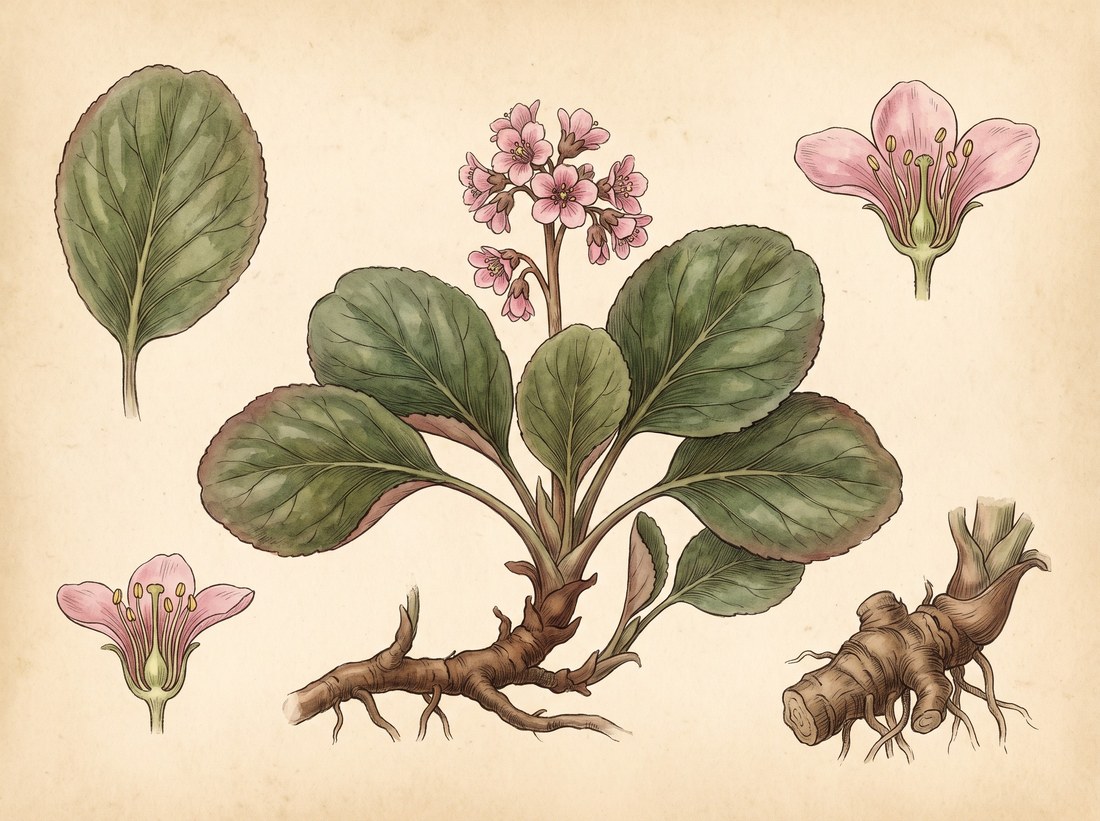 pashanbhedBergenia ligulata
Nearby on the shelf
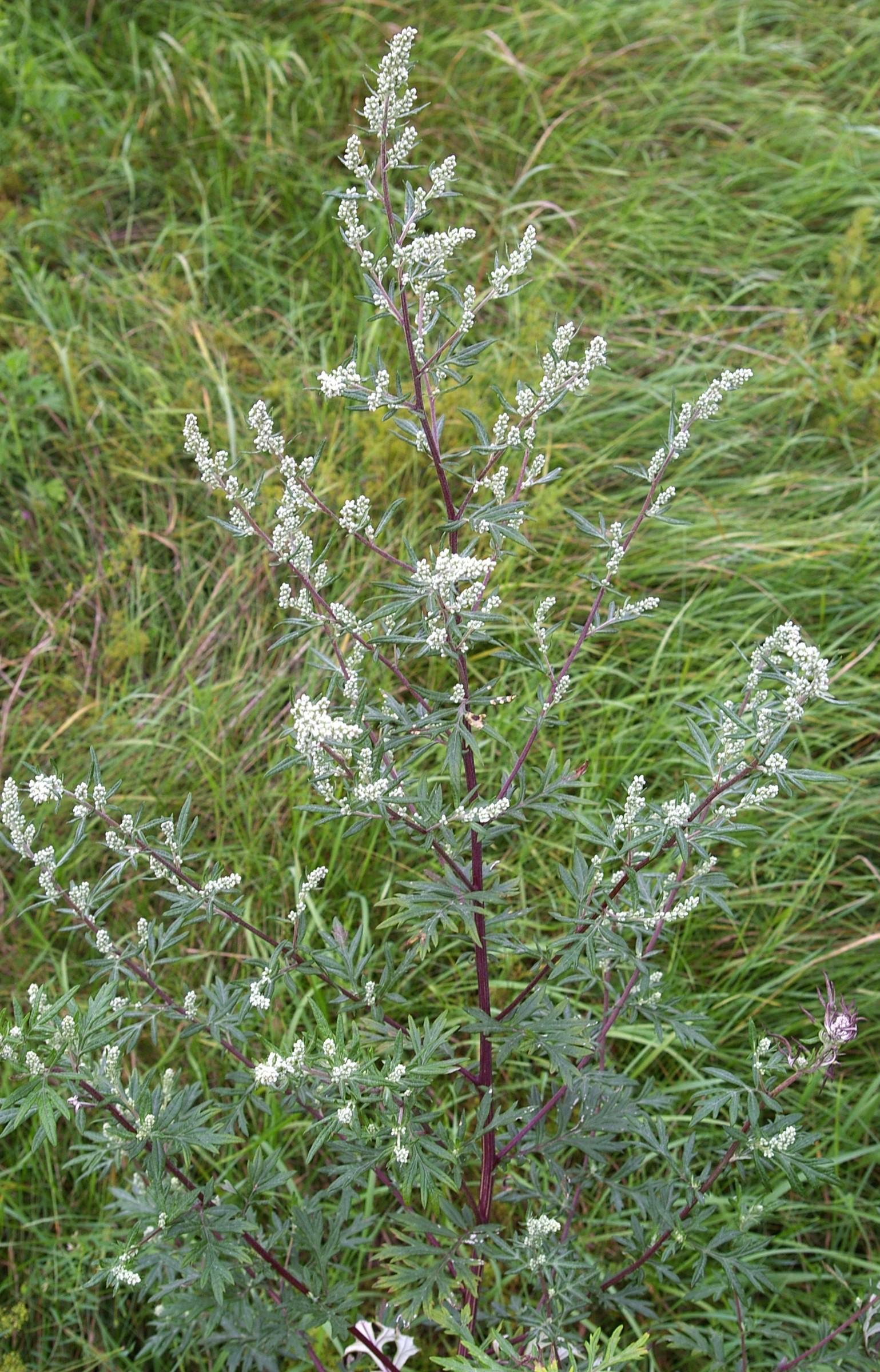 MugwortArtemisia vulgaris
 Muira PuamaPtychopetalum olacoides
 Mulberry LeafMorus alba
 MulleinVerbascum thapsus
 MyrrhCommiphora molmol
 MyrtleMyrtus communis
 NagabalaGrewia hirsuta
The whole plate is in the library. The compass, Compare, the Sky of eleven hundred plants and the formulary open with an email address and a password, free, with the formula builder and its safety engine. Herbert without limit, his formulating, clients, the handouts and the labels are the paid room.
Open the library, free