Ayurvedic Herbalism
Dhattura
Datura metel
Also known as devil's trumpet, Hindu datura, horn of plenty, downy thorn apple, metel, Dhattura, Dhustura, Unmatta.
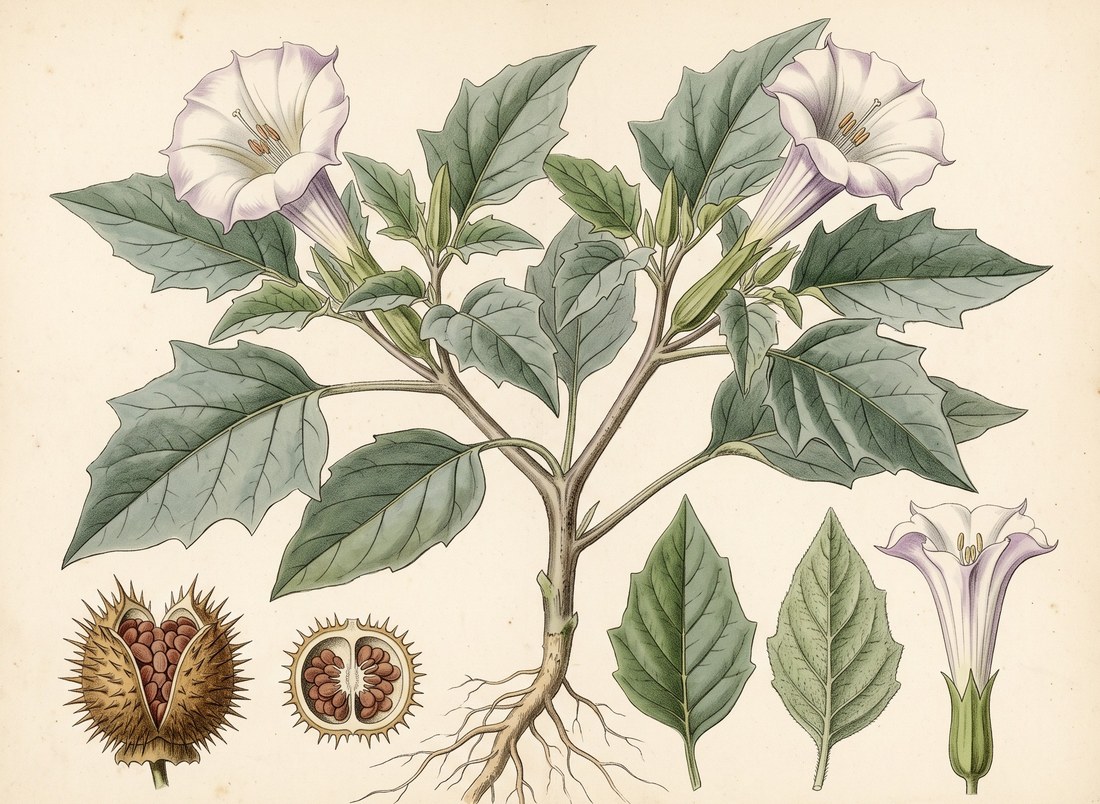
Datura metel is a coarse annual or short-lived shrub of the nightshade family with large trumpet flowers, white or purple, and a spiny capsule of flat brown seeds, growing on waste ground, roadsides and rubbish heaps throughout India and now across the warm regions of the world. It is Dhattura, the flower sacred to Shiva and one of the upavisha, the lesser poisons of Ayurveda: rich in tropane alkaloids, it is used internally only as purified seed in minute amounts inside classical compounds for asthma and fever, and externally as leaf, oil and paste for pain, swelling and lice. Every part of the plant is poisonous and it is a frequent cause of accidental and deliberate anticholinergic poisoning in South Asia.

Ask Herbert about Dhattura. Herbert is the master herbalist inside Bountiful Herbs: he answers from this plate and eleven hundred others, with dosing, pairing and cautions. Your first ten questions are free.
Ask HerbertActions
Indications what the tradition reached for it in
- Bronchial asthma with copious secretions (purified seed in compounds; smoked leaf historically)
- Spasmodic cough and wheeze of kapha type (compound formulas)
- Painful swollen joints and neuralgia (leaf poultice and medicated oil)
- Sciatica and low back pain (external oil)
- Earache (medicated oil drops)
- Head lice and scabies (external paste and oil)
- Chronic ulcers and boils (leaf poultice)
- Breast engorgement and mastitis (warmed leaf application, traditional)
- Hemorrhoids with pain (external fumigation and paste, traditional)
- Intermittent fever in classical compound formulas under expert supervision
Specific indications
A painful, swollen, cold joint or a sciatic limb where a warmed Dhattura leaf poultice or Dhatturapatradi taila is applied externally and nothing is taken by mouth
Head lice or scabies in a patient for whom an external anticholinergic and insecticidal leaf paste is acceptable and skin is intact
Kapha type asthma with heavy secretions in a robust adult, treated by an experienced Ayurvedic physician with a classical compound containing purified seed at milligram doses
An earache with cold and congestion where a few drops of warm Dhattura medicated oil are used in the ear
Safety
Recognised toxicity. This plant carries a toxicity flag in the record; it is for trained practitioners only.
Low dose botanical. Used in drop doses in the classical practice; not a plant to dose freely.
Pregnancy: Contraindicated in pregnancy in any form: the tropane alkaloids cross the placenta, the plant is a recognized poison and the AHPA Botanical Safety Handbook places Datura species in class 3.
Breastfeeding: Contraindicated during breastfeeding: anticholinergic alkaloids pass into milk and reduce its flow, and there is no safe dose for an infant.
The record lists 15 contraindications; open the plate in the library to read them in full.
In practice
The Ayurvedic tradition treats Dhattura with respect. The seeds are never used raw; they are purified by shodhana, classically by soaking in cow's urine or boiling in cow's milk and drying, which is said to reduce the intoxicating and mind-disturbing quality, and even then they are given in doses of a few tens of milligrams, mixed into compound formulas such as Kanakasava for asthma and the classical fever compounds, by physicians trained in visha chikitsa.
In Ayurveda
Rasa: tikta (bitter), katu (pungent). Virya: ushna (heating). Vipaka: katu (pungent). Guna: laghu (light), ruksha (dry), vyavayi (spreads quickly through the body), vikasi (loosens the tissues). Dosha: pacifies kapha and vata; strongly aggravates pitta and disturbs the mind (unmadakara). Prabhava: madakari (intoxicant) and unmadakara (produces delirium); classed among the upavisha, the lesser poisons, and used only after shodhana. Karma: kaphahara (reduces kapha); vatahara (pacifies vata); shvasahara (relieves dyspnea, by bronchodilation); kasahara (relieves cough); vedanasthapana (relieves pain); shothahara (reduces swelling, external); krimighna (anthelmintic, external for lice); kushthaghna (cures skin disease, external); jvaraghna (relieves fever, in classical fever compounds); madakari (intoxicant); vajikarana (aphrodisiac, in classical texts, with purified seed). Classical indications: shvasa (asthma and dyspnea); kasa (cough); jvara (fever, especially vishama jvara, in compounds); vatavyadhi (painful neuromuscular disorders, external); shotha (swelling, external); kushtha (skin disease, external); krimi (lice and parasites, external); yukaliksha (head lice); vrana (wounds and ulcers, external); karnashula (earache, oil drops); unmada (used with great care in some classical formulas). Only the seed purified by shodhana, classically by soaking in cow's urine or boiling in cow's milk and then drying, is used internally in minute doses, almost always inside compound formulas; the leaf is smoked for asthma, warmed and applied to painful joints and swellings, and cooked into medicated oils for earache and pain; the whole plant is an ingredient of external pastes for lice and skin disease. Classical formulations: Kanakasava, Dhatturapatradi taila (external), Unmatta taila (external), Dhattura patra swedana (leaf fomentation), Shodhita Dhattura beeja in classical shvasa and vajikarana compounds. Described in: Charaka Samhita, Sushruta Samhita, Bhavaprakasha Nighantu, Dhanvantari Nighantu, Raja Nighantu, Madanapala Nighantu, Kaiyadeva Nighantu, Ayurvedic Pharmacopoeia of India.
Dosing as the sources wrote it
| Preparation | As written | Metric |
|---|---|---|
| Shodhita beeja churna | 30-60 mg purified seed daily in compound formula, purified material only | 30-60 mg |
| Taila, topical | 5-10 mL Dhatturapatradi taila massaged over the painful part once or twice daily, external use only | 5-10 mL |
| Kalka, topical | 5-10 g warmed leaf paste applied to swelling or scalp once daily, external use only | 5000-10000 mg |
| Karna purana | 2-4 drops warm medicated oil in the ear once daily, external use only | 0.04-0.08 mL |
Doses are reproduced from the sources for practitioners and are not a recommendation for any person.
From the sources
Overview. Datura metel is a coarse annual or short-lived shrub of the nightshade family with large trumpet flowers, white or purple, and a spiny capsule of flat brown seeds, growing on waste ground, roadsides and rubbish heaps throughout India and now across the warm regions of the world. It is Dhattura, the flower sacred to Shiva and one of the upavisha, the lesser poisons of Ayurveda: rich in tropane alkaloids, it is used internally only as purified seed in minute amounts inside classical compounds for asthma and fever, and externally as leaf, oil and paste for pain, swelling and lice. Every part of the plant is poisonous and it is a frequent cause of accidental and deliberate anticholinergic poisoning in South Asia.
Clinical Notes. The Ayurvedic tradition treats Dhattura with respect. The seeds are never used raw; they are purified by shodhana, classically by soaking in cow's urine or boiling in cow's milk and drying, which is said to reduce the intoxicating and mind-disturbing quality, and even then they are given in doses of a few tens of milligrams, mixed into compound formulas such as Kanakasava for asthma and the classical fever compounds, by physicians trained in visha chikitsa.
Ayurvedic Profile. Rasa: tikta (bitter), katu (pungent). Virya: ushna (heating). Vipaka: katu (pungent). Guna: laghu (light), ruksha (dry), vyavayi (spreads quickly through the body), vikasi (loosens the tissues). Dosha: pacifies kapha and vata; strongly aggravates pitta and disturbs the mind (unmadakara).
In formulas
Dhattura stands in 18 documented formulas in the library, among them Kanakāsava, Mṛtasaṅjīvanī Surā, Brāhma Rasāyana, Pippalyādi Taila, Balā Taila, Mahā Viṣagarbha Taila.
Often paired with
 Ceylon leadwortPlumbago zeylanica
 puncture vineTribulus terrestris
 long pepperPiper longum
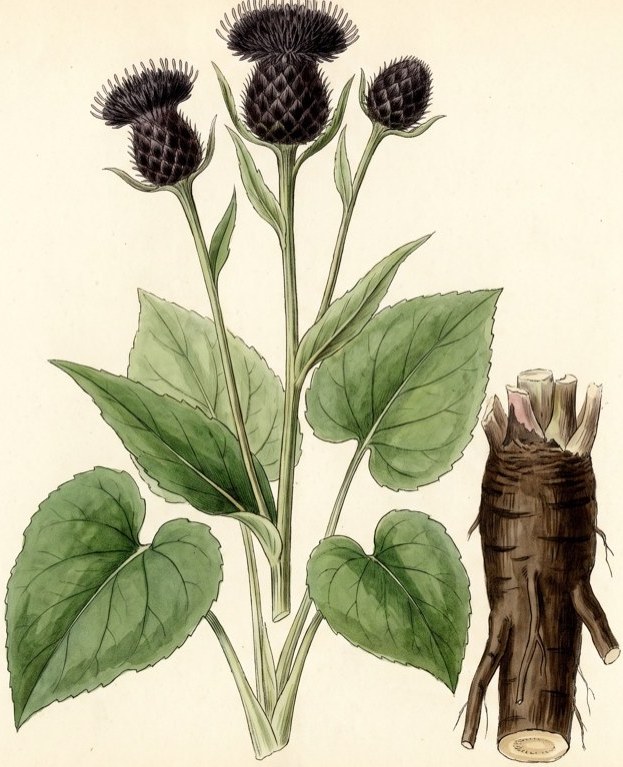 costusSaussurea costus
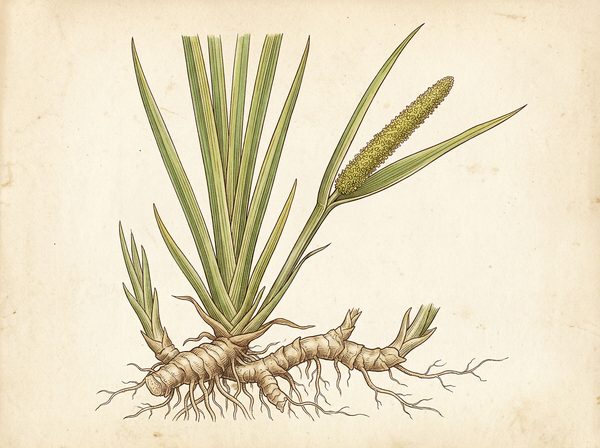 sweet flagAcorus calamus
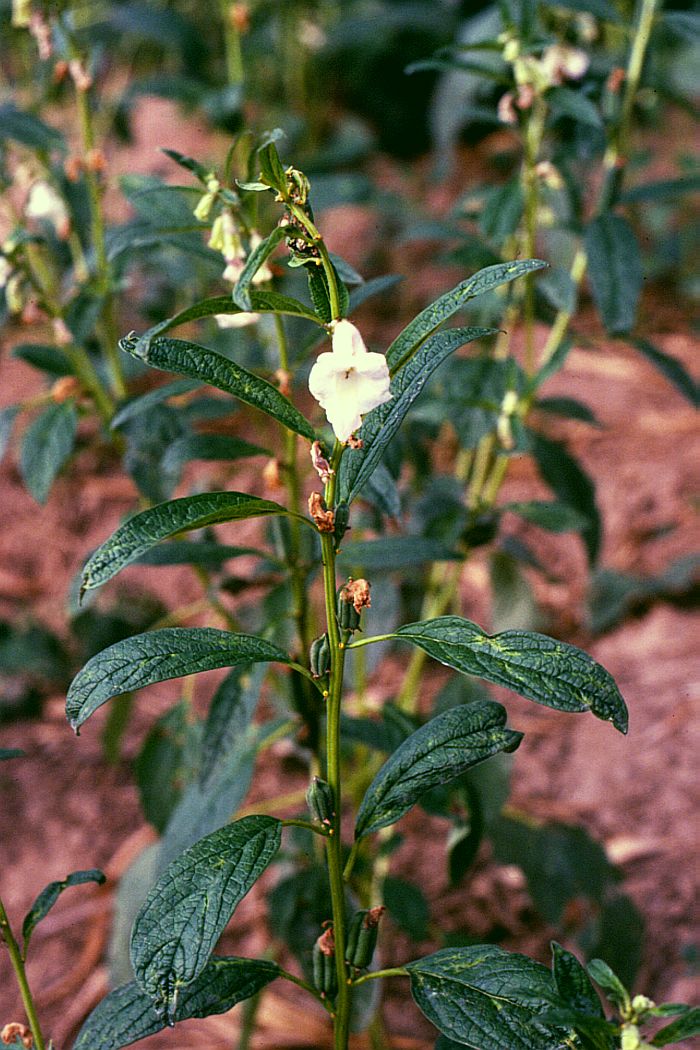 sesameSesamum indicum
Nearby on the shelf
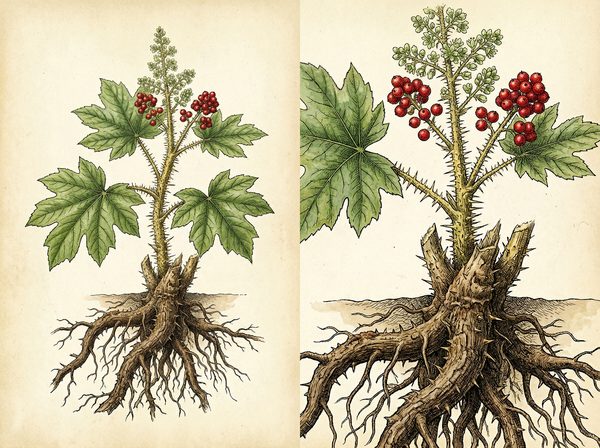 Devil's ClubOplopanax horridus
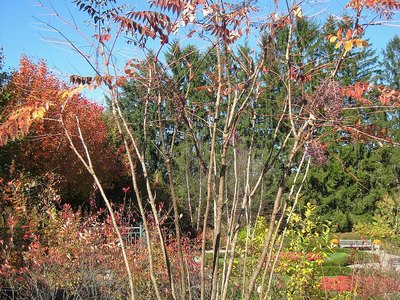 Devil's walking stickAralia Spinosa
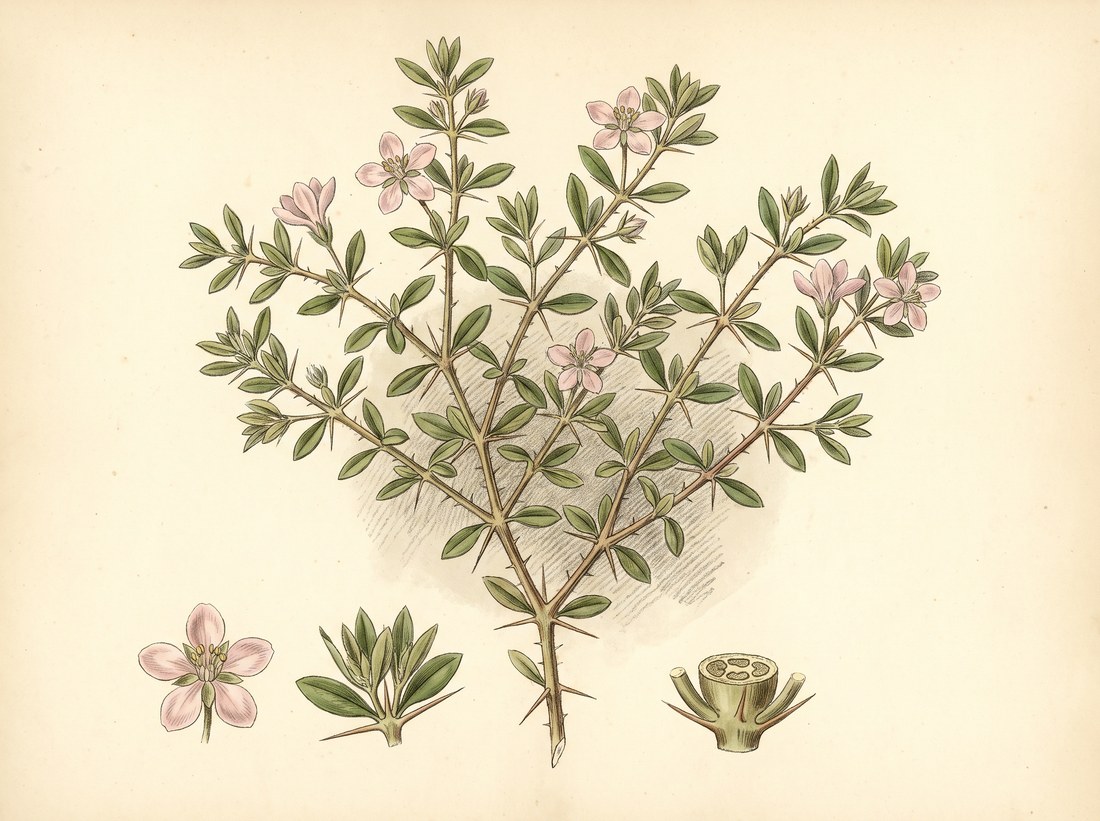 DhamasaFagonia cretica
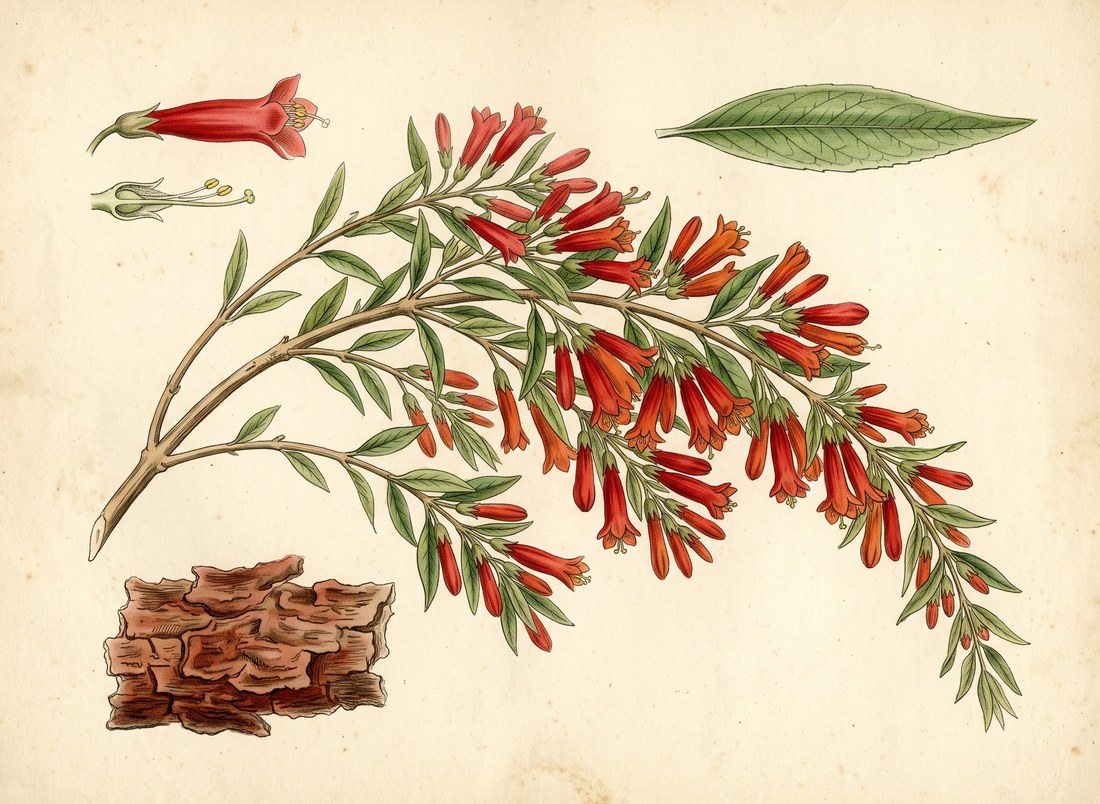 DhatakiWoodfordia fruticosa
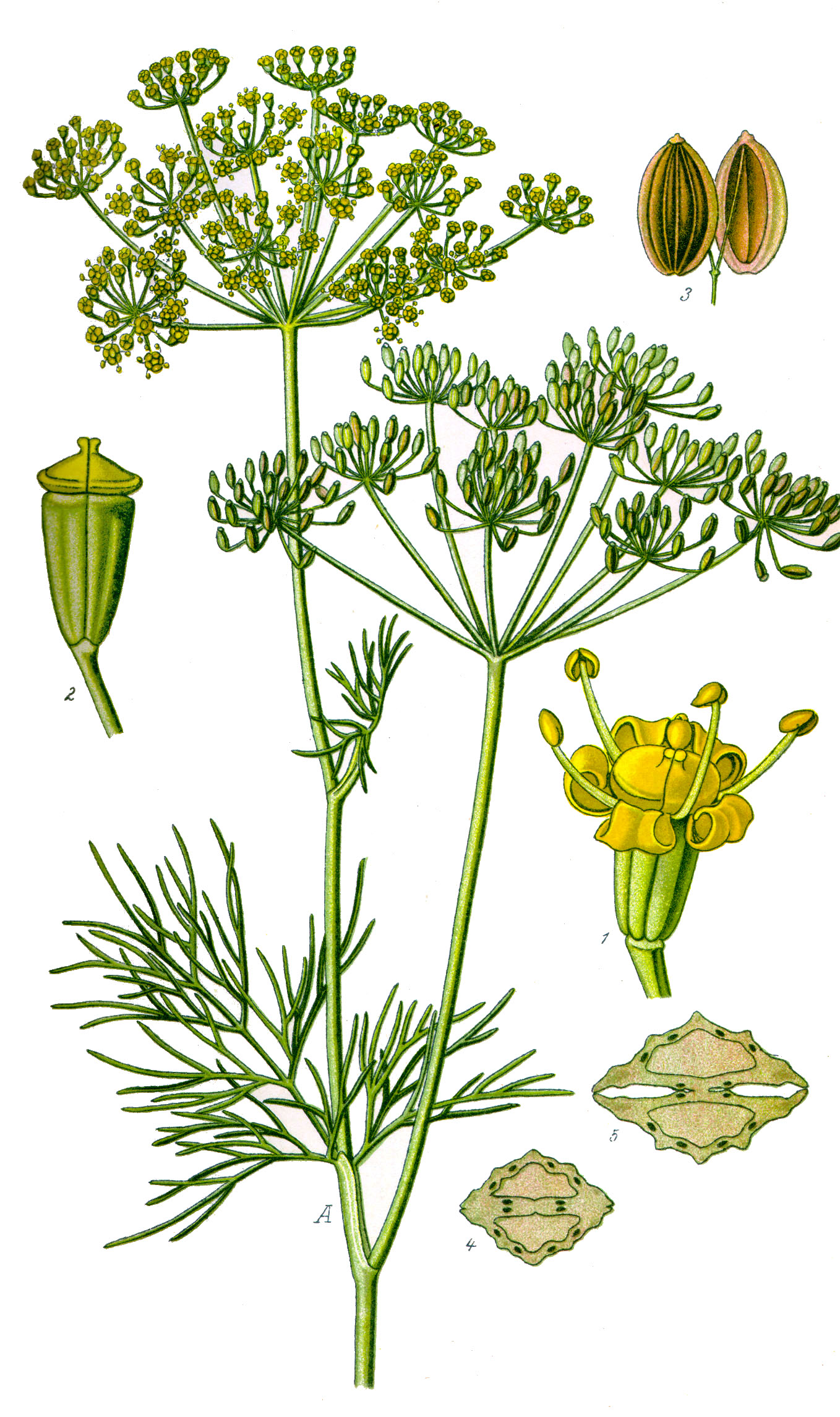 DillAnethum graveolens
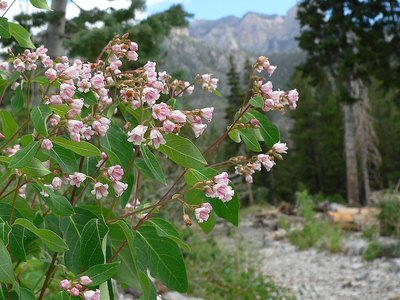 Dog's BaneApocynum Androsaemifolium
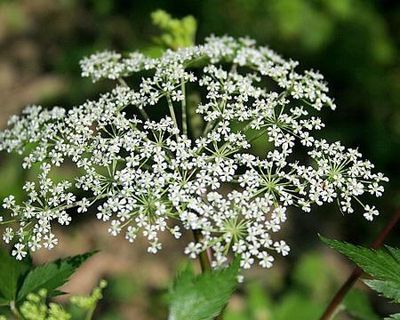 Dong QuaiAngelica sinensis
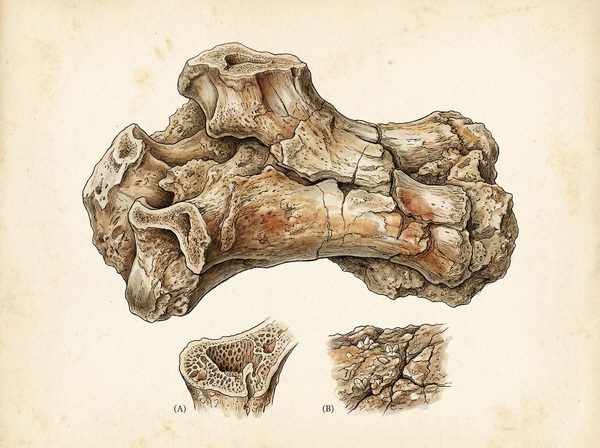 Dragon BoneFossilia Ossis Mastodi
The whole plate is in the library. The compass, Compare, the Sky of eleven hundred plants and the formulary open with an email address and a password, free, with the formula builder and its safety engine. Herbert without limit, his formulating, clients, the handouts and the labels are the paid room.
Open the library, free