Ayurvedic Herbalism
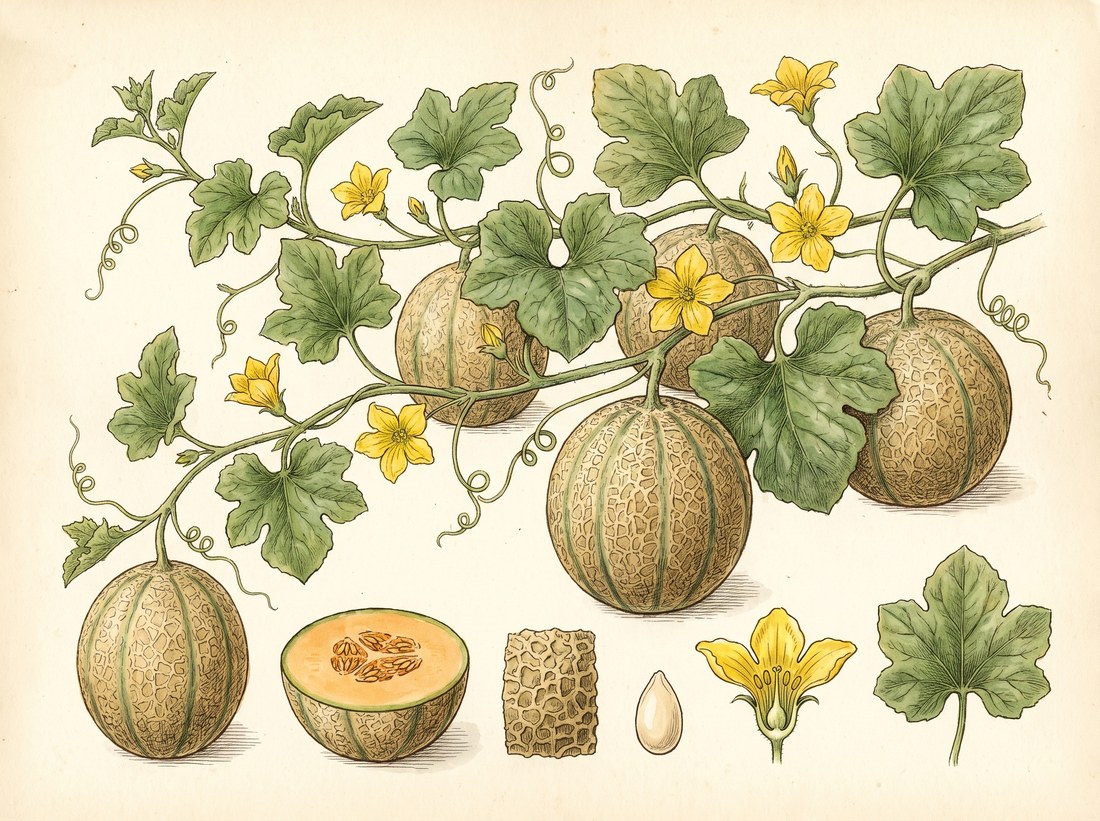
Melon
Cucumis melo
Also known as muskmelon, cantaloupe, long melon, kakri, snap melon, melon seed, Ervaru, Ervaruka, Karkati.
Cucumis melo is the melon in all its Indian forms: the sweet muskmelon or kharbuja of the river beds of Uttar Pradesh and Punjab, the long pale kakri eaten raw in the summer heat, the snap melon or phut, and the many cultivated varieties of the world. Ayurveda groups them under Ervaru and Karkati, cooling sweet fruits whose seeds are a mutrala and dahaprashamana drug for burning urination, stones, thirst and heat, and whose ripe flesh is a laxative summer food. The seed kernel is the part with a medicinal history; the fruit is mainly a dietary remedy.

Ask Herbert about Melon. Herbert is the master herbalist inside Bountiful Herbs: he answers from this plate and eleven hundred others, with dosing, pairing and cautions. Your first ten questions are free.
Ask HerbertActions
Indications what the tradition reached for it in
- Burning, scanty urination and cystitis
- Urinary gravel and small kidney stones (adjunct)
- Thirst, heat exhaustion and summer fever
- Dry constipation in the elderly (ripe fruit)
- Convalescent weakness with heat and dryness
- Hangover and alcohol-related dehydration
- Low seminal quantity with heat (seed)
- Hyperacidity and burning in the stomach
- Dry, sun-damaged skin (rind and pulp, topical)
- Exercise-related oxidative stress and fatigue (melon concentrate)
Specific indications
A hot, thirsty pitta patient in summer with scanty burning urine and a dry mouth, for whom a cooling seed emulsion is both medicine and drink
The dehydrated, overheated patient with fine urinary gravel and low back ache, where a bland diuretic that does not irritate is wanted
A thin, dry, elderly vata patient with hard stools and a hot constitution, who does well on ripe melon and a seed decoction rather than on harsh laxatives
Safety
The record lists 6 contraindications; open the plate in the library to read them in full.
In practice
Ervaru beeja belongs in the group of cooling diuretic seeds with Trapusa (cucumber), Kalinga (watermelon) and Kushmanda (ash gourd), the four seeds that the Unani tradition calls the chaturbeeja and that Ayurveda uses in similar combinations.
In Ayurveda
Rasa: madhura (sweet); the unripe long melon is slightly kashaya (astringent). Virya: sheeta (cooling). Vipaka: madhura (sweet). Guna: guru (heavy), snigdha (unctuous), sara (mobile). Dosha: pacifies vata and pitta; increases kapha, and the ripe fruit is mildly laxative. Karma: mutrala (diuretic); dahaprashamana (relieves burning); trishnanigrahana (relieves thirst); brimhana (nourishing); balya (strengthening); vrishya (aphrodisiac, the seed); pittahara (pacifies pitta); ashmarighna (breaks urinary stones); snehana (unctuous, lubricating); anulomana (eases bowel movement, ripe fruit). Classical indications: mutrakricchra (painful urination); ashmari (urinary stones); daha (burning sensation); trishna (thirst); raktapitta (bleeding disorders); kshaya (wasting); madatyaya (alcohol intoxication and hangover); murcha (fainting from heat); shukrakshaya (deficient semen); vibandha (constipation, ripe fruit). The dried seed kernel is the medicinal part, given as churna, pounded with water into a cooling milky emulsion (beeja ksheera), boiled as kwatha with other diuretic seeds, and combined in the four-seed formula with cucumber, watermelon and pumpkin kernels; the ripe fruit is a cooling food and the rind is applied to the skin. Classical formulations: Ervaru beeja churna, Ervaru beeja ksheera (seed emulsion), Trapusadi kwatha, Chaturbeeja churna (four seeds), Kharbuja beeja majja (dietary). Described in: Charaka Samhita, Sushruta Samhita, Ashtanga Hridaya, Bhavaprakasha Nighantu, Dhanvantari Nighantu, Raja Nighantu, Kaiyadeva Nighantu.
Dosing as the sources wrote it
| Preparation | As written | Metric |
|---|---|---|
| Churna (seed kernel) | 3-6 g powdered seed kernel twice daily with water or milk | 3000-6000 mg |
| Beeja ksheera (seed emulsion) | 100-200 mL seed emulsion two or three times daily | 100-200 mL |
| Kwatha | 50-100 mL seed decoction twice daily | 50-100 mL |
| Fruit (dietary) | 100-300 g ripe fruit daily in the hot season | 100000-300000 mg |
| Lepa, topical | 5-10 g fruit pulp or rind applied to the skin for fifteen minutes daily | 5000-10000 mg |
Doses are reproduced from the sources for practitioners and are not a recommendation for any person.
From the sources
Overview. Cucumis melo is the melon in all its Indian forms: the sweet muskmelon or kharbuja of the river beds of Uttar Pradesh and Punjab, the long pale kakri eaten raw in the summer heat, the snap melon or phut, and the many cultivated varieties of the world. Ayurveda groups them under Ervaru and Karkati, cooling sweet fruits whose seeds are a mutrala and dahaprashamana drug for burning urination, stones, thirst and heat, and whose ripe flesh is a laxative summer food. The seed kernel is the part with a medicinal history; the fruit is mainly a dietary remedy.
Clinical Notes. Ervaru beeja belongs in the group of cooling diuretic seeds with Trapusa (cucumber), Kalinga (watermelon) and Kushmanda (ash gourd), the four seeds that the Unani tradition calls the chaturbeeja and that Ayurveda uses in similar combinations.
Ayurvedic Profile. Rasa: madhura (sweet); the unripe long melon is slightly kashaya (astringent). Virya: sheeta (cooling). Vipaka: madhura (sweet). Guna: guru (heavy), snigdha (unctuous), sara (mobile). Dosha: pacifies vata and pitta; increases kapha, and the ripe fruit is mildly laxative.
In formulas
Melon stands in 3 documented formulas in the library, among them Dādhika Ghṛta, Vastyāmayāntaka Ghṛta, Śatāvaryādi Ghṛta.
Often paired with
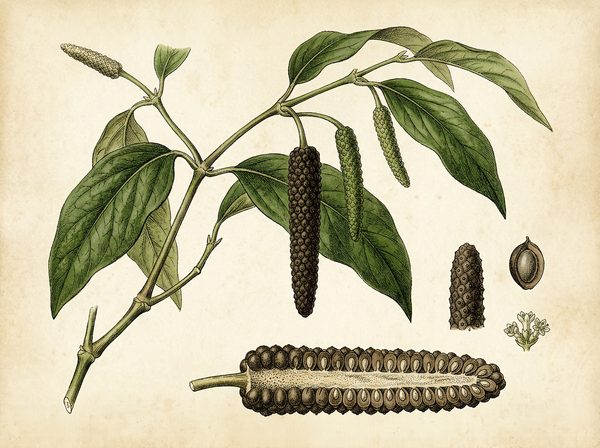 long pepperPiper longum
 puncture vineTribulus terrestris
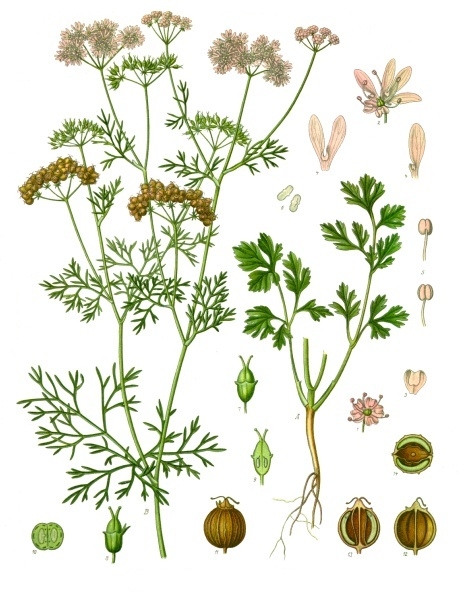 corianderCoriandrum sativum
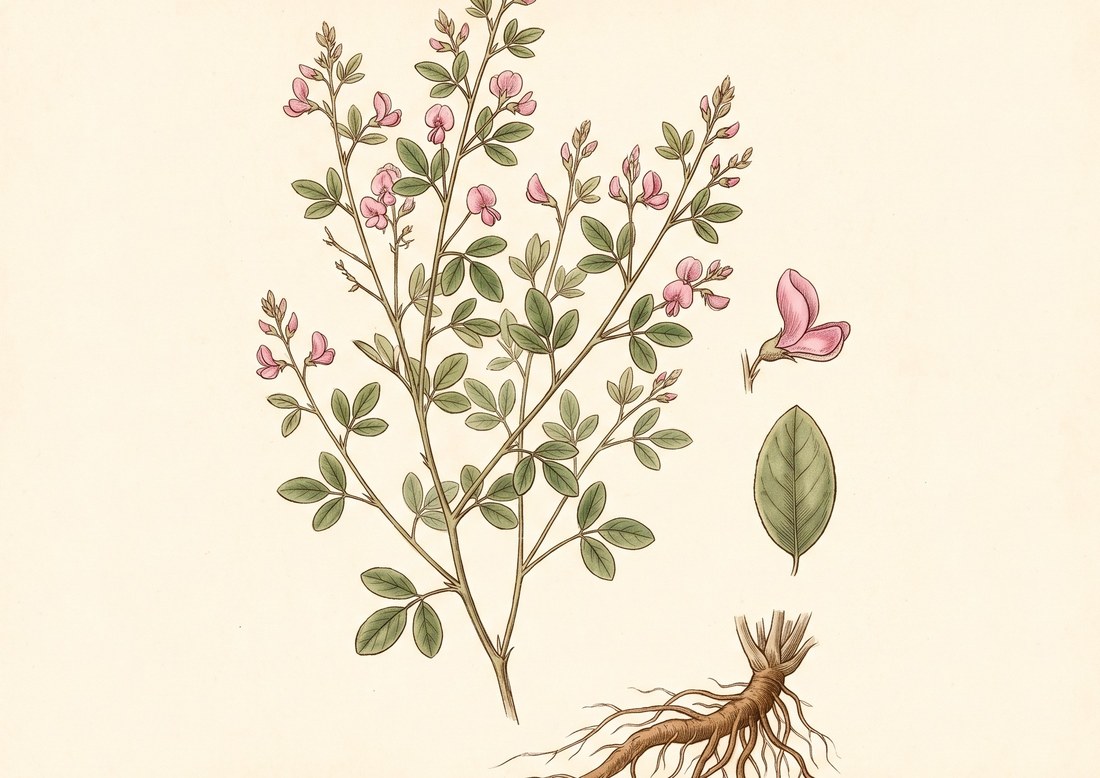 shalparniDesmodium gangeticum
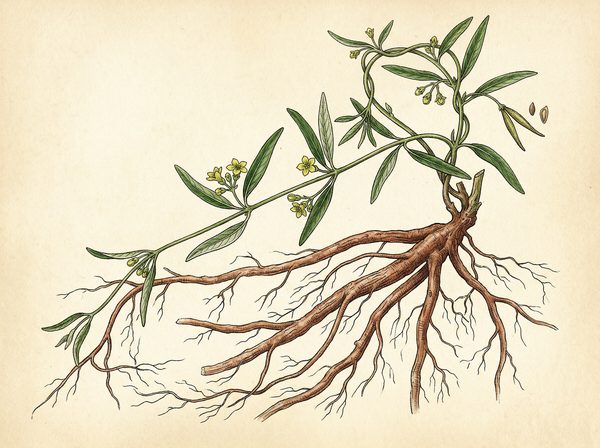 Indian sarsaparillaHemidesmus indicus
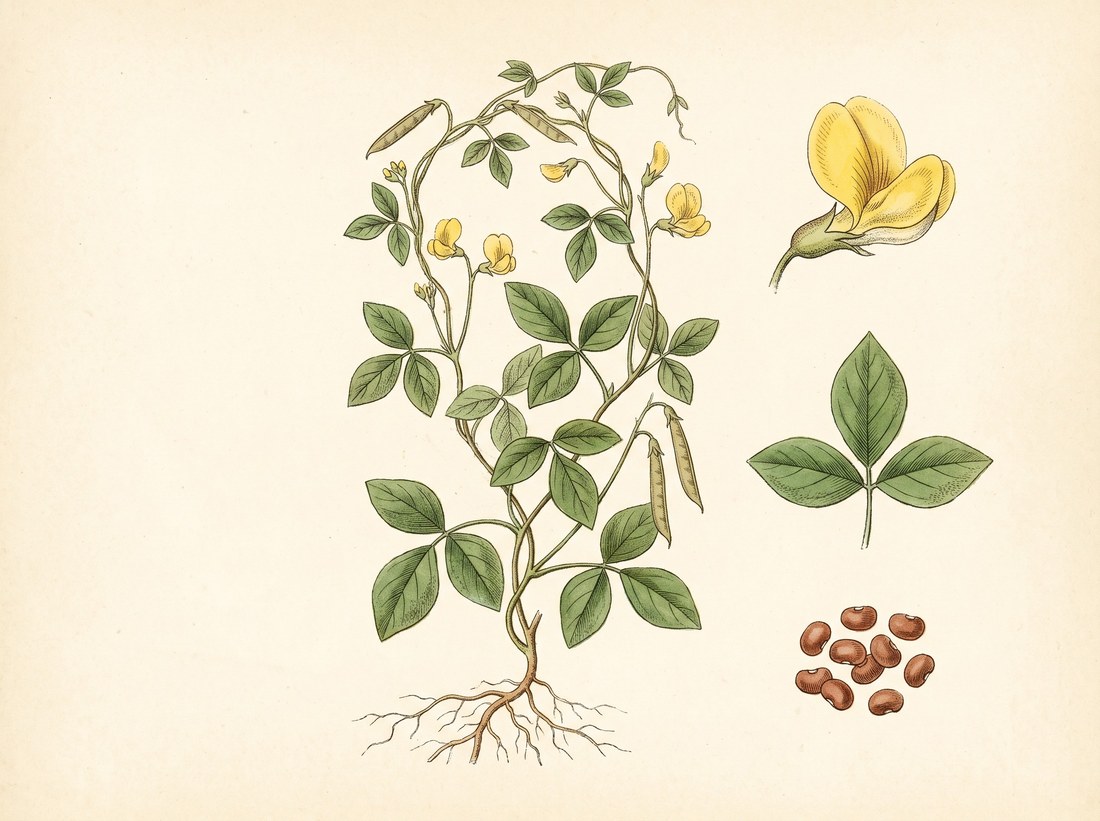 horse gramMacrotyloma uniflorum
Nearby on the shelf
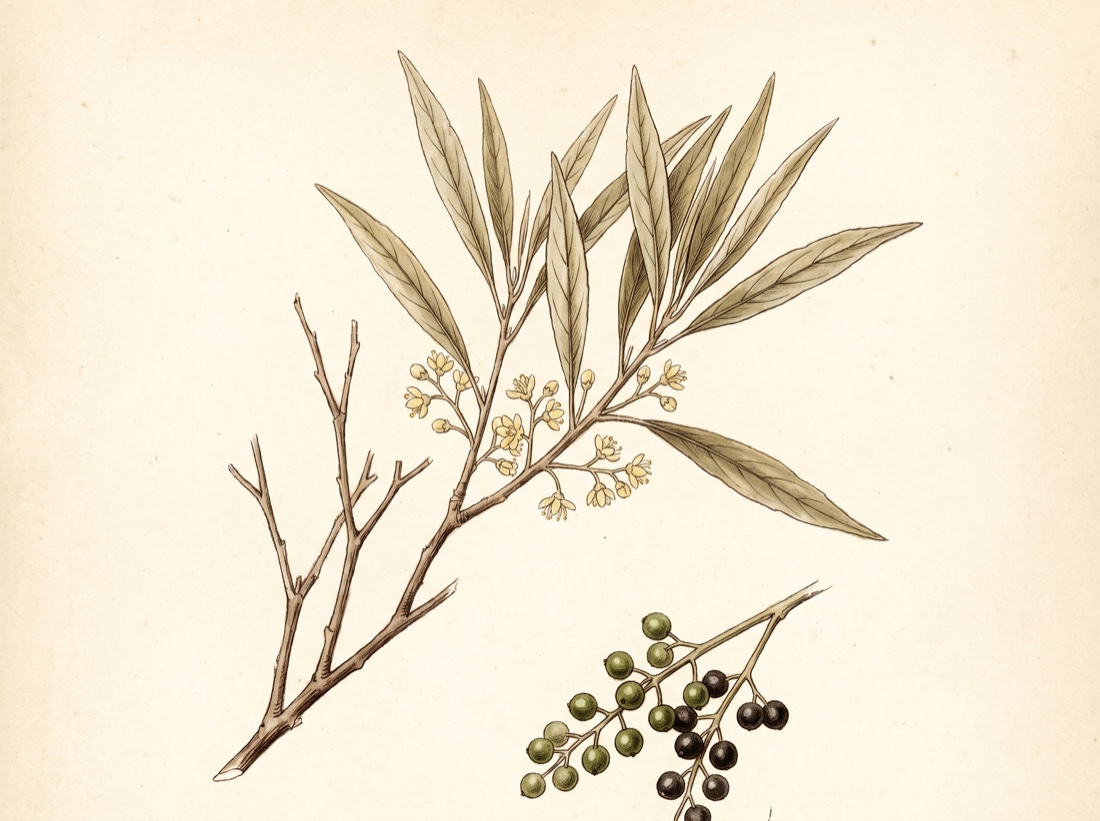 May changLitsea cubeba
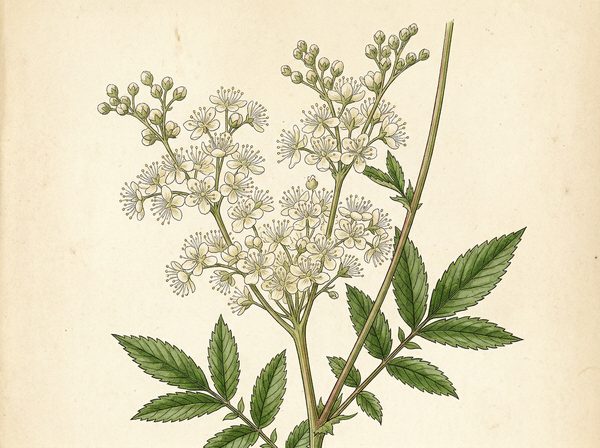 MeadowsweetFilipendula ulmaria
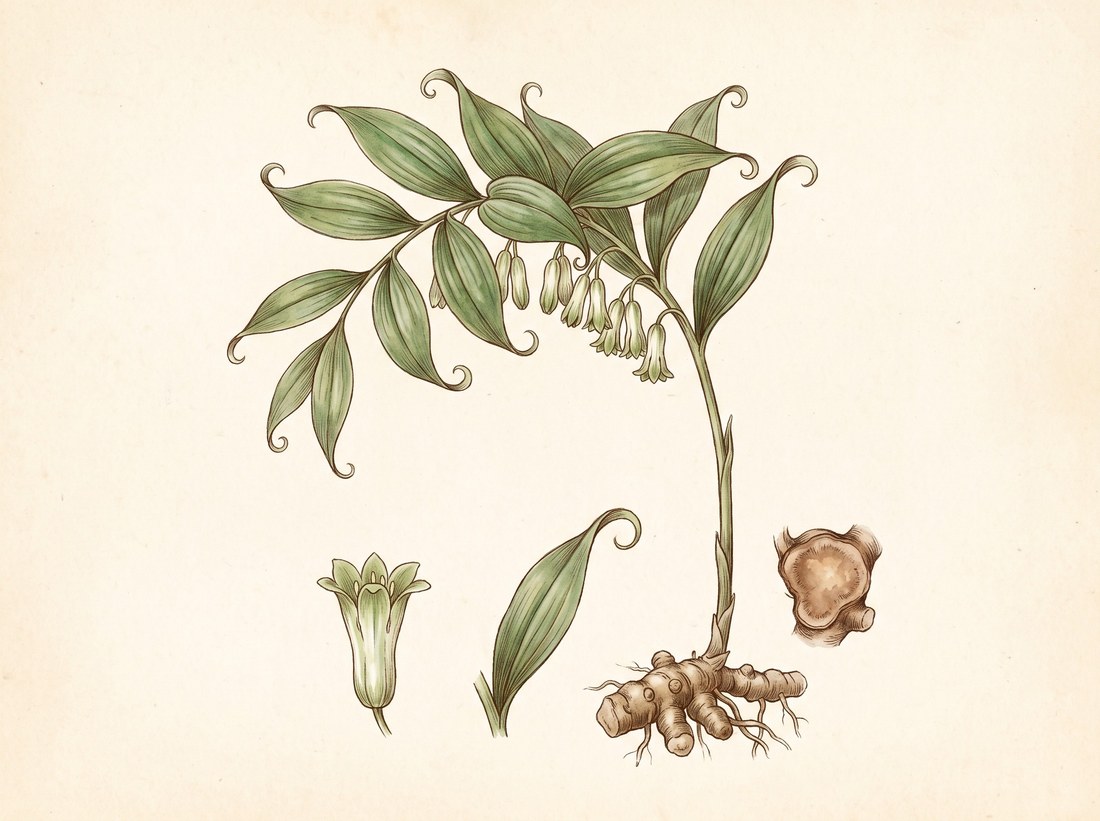 MedaPolygonatum cirrhifolium
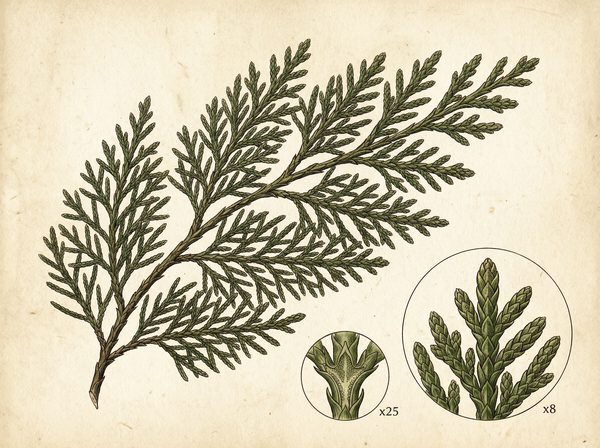 Mediterranean CypressCupressus sempervirens
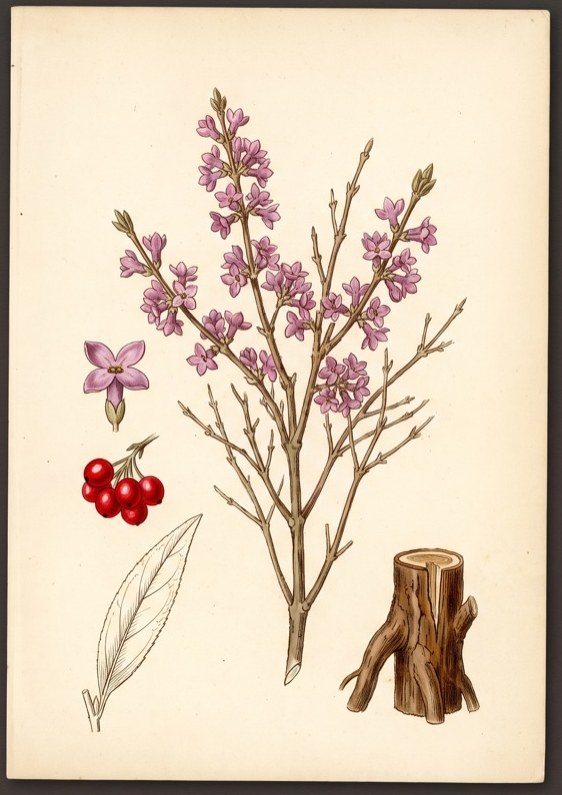 MezereumMezereum
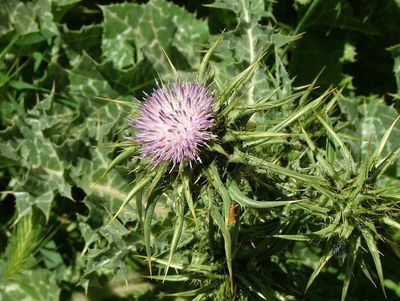 Milk thistleSilybum marianum
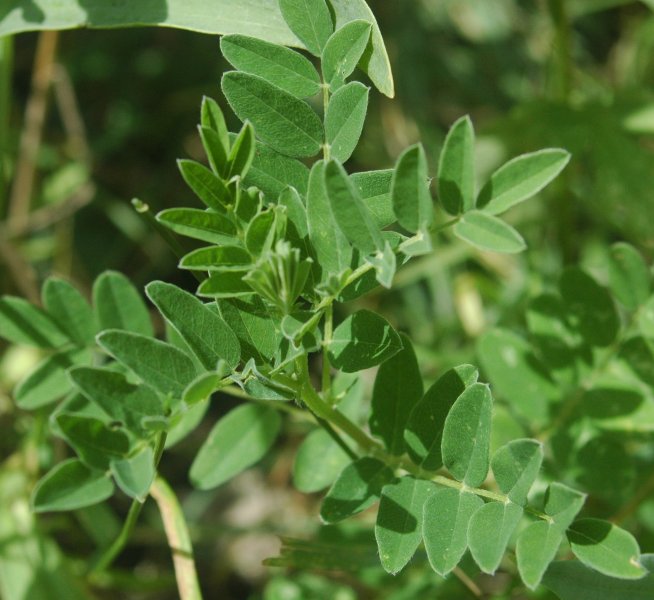 Milk Vetch RootAstragalus membranaceus
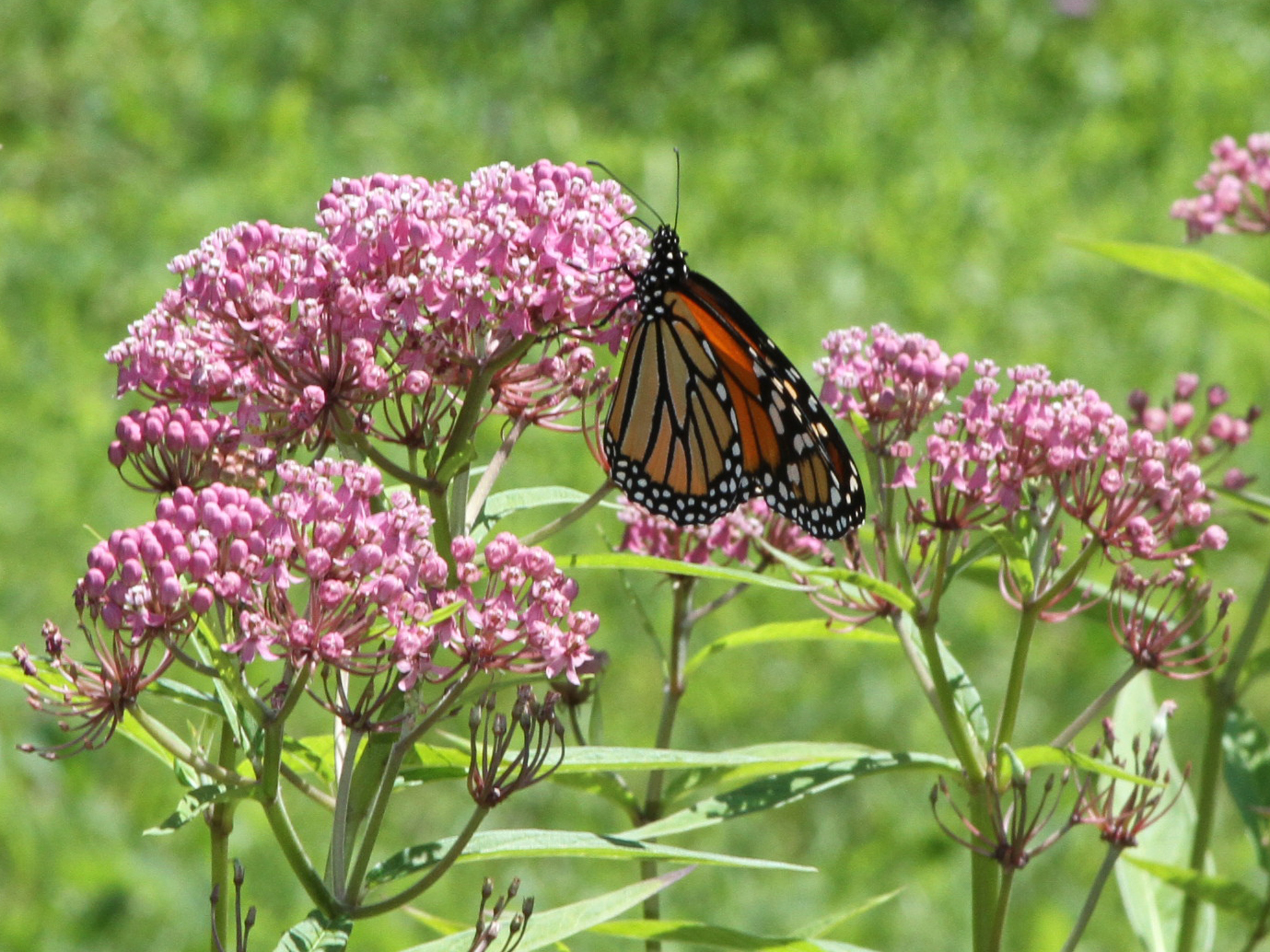 MilkweedAsclepias Cornuti
The whole plate is in the library. The compass, Compare, the Sky of eleven hundred plants and the formulary open with an email address and a password, free, with the formula builder and its safety engine. Herbert without limit, his formulating, clients, the handouts and the labels are the paid room.
Open the library, free