Western Herbalism
Milk thistle
Silybum marianum
Also known as Mary's thistle, St. Mary's thistle, Lady's Thistle, Marian Thistle, Mediterranean Milk Thistle, Carduus, Carduus marianus, St.
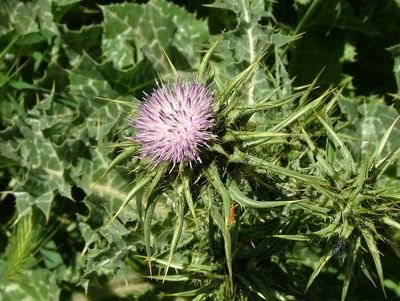
Milk thistle is a tall, spiny, white-veined thistle native to the Mediterranean basin and now naturalized widely across Europe, the Americas, and Australia. The ripe seed (technically the fruit, an achene) is the part used, and it has been employed since antiquity for complaints of the liver and spleen, the marbled leaf pattern traditionally taken as a sign for this use. It holds a central place in eclectic and modern Western herbal practice as the principal herb for hepatic protection and repair.

Ask Herbert about Milk thistle. Herbert is the master herbalist inside Bountiful Herbs: he answers from this plate and eleven hundred others, with dosing, pairing and cautions. Your first ten questions are free.
Ask HerbertActions
Indications what the tradition reached for it in
- Elevated liver enzymes
- Stool discoloration (clay-colored)
- Renal failure
- Loss of appetite
- Constipation
- Mushroom poisoning
- Hypertensive nephropathy
- Spleen enlargement
- Cirrhosis (alcoholic)
- Nausea
- Congestion (spleen)
- Nonalcoholic steatohepatitis
- Alcoholism
- Jaundice
- Swelling (over the liver/gallbladder)
- Gallstone (non-obstructive)
- Glomerulonephritis
- Pain (over the liver/gallbladder)
- Amanita mushroom poisoning
- Edema (associated w/ liver/kidney function)
- Gall bladder inflammation
- Polycystic kidney disease
- Diabetic nephropathy
- Cholelithiasis
- Hemorrhoids
- Hepatitis
- Glomerular filtration rate (decreased)
- Gallbladder disorders
- Insufficient lactation
- Liver disease
Safety
Pregnancy: Limited data. No increase in harm from limited human use; animal studies show no fetal damage (Mills & Bone B1)
Pregnancy, our record's flag: Limited data. Limited safety data in pregnancy (our record's flag)
Pregnancy, our record: Traditionally regarded as safe in pregnancy and sometimes used for pregnancy-related liver complaints, but formal safety data are limited so use should follow professional advice.
Pregnancy, a modern clinical reference: In view of the lack of toxicity data, use of milk thistle preparations during pregnancy and lactation should be avoided
Pregnancy, a modern clinical reference: Insufficient reliable information is available to determine safety in pregnancy
Breastfeeding: No concern. Compatible with breastfeeding (Mills & Bone C)
Breastfeeding, our record's flag: No concern while breastfeeding (our record's flag)
Breastfeeding, our record: Widely used traditionally as a galactagogue and generally considered compatible with breastfeeding, though robust clinical trial data are limited.
Breastfeeding, a modern clinical reference: In view of the lack of toxicity data, use of milk thistle preparations during pregnancy and lactation should be avoided
The record lists 4 contraindications; open the plate in the library to read them in full.
Dosing as the sources wrote it
| Preparation | As written | Metric |
|---|---|---|
| Tincture | (1:3) 3-5 ml TID | 3-5 mL |
| Ground seeds | 1-3 Tbs/day | |
| Standardized extract | standardized to silymarin 140 mg TID, standardized to 70-80% silymarin 200-600 mg/d | |
| Fruit Crude drug 12 -15 g daily in divided doses (equivalent to silymarin 200 -400 mg daily) | ||
| The doses of silymarin used in clinical trials have ranged from 280-800 mg/day (equivalent to milk thistle extract 400 -1140 mg/ day standardised to contain 70% silibinin) | ||
| · The average daily recommended dose is 12-15 g (practitioners have used doses as high as 18 g/day) of milk thistle seed, usually in divided doses (equivalent to 200-400 mg silymarin) |
Doses are reproduced from the sources for practitioners and are not a recommendation for any person.
From the sources
Overview. Milk thistle is a tall, spiny, white-veined thistle native to the Mediterranean basin and now naturalized widely across Europe, the Americas, and Australia. The ripe seed (technically the fruit, an achene) is the part used, and it has been employed since antiquity for complaints of the liver and spleen, the marbled leaf pattern traditionally taken as a sign for this use. It holds a central place in eclectic and modern Western herbal practice as the principal herb for hepatic protection and repair.
Clinical Notes. Milk thistle is reached for whenever the liver has taken a hit, whether from alcohol, medication, environmental toxins, viral hepatitis, or the accumulated burden of a poor diet. It is one of the few herbs with a genuinely protective and regenerative reputation at the level of the hepatocyte, and this makes it a natural companion to any protocol involving hepatotoxic drugs (methotrexate, statins, antituberculars, certain chemotherapy agents) or during recovery from acute toxic exposure, including as adjunct supportive care in Amanita phalloides poisoning where intravenous silibinin has documented use in hospital settings.
Therapy. Harvey, in the California Medical Journal, says the indications are so plain that a tyro can prescribe it with certainty. It is indicated where there is venous stasis, the true veins enlarged and clogged with blood.
Action, Medical Uses, and Dosage. Carduus marianus is an old remedy, which had nearly passed out of use and has more recently been revived. Rademacher valued the seeds in hemorrhages associated with splenic or hepatic disorders. That it influences the parts supplied by the coeliac axis, particularly the distribution of the hepatic and splenic arteries, especially the latter, seems well established.
Drawn from King's American Dispensatory, 18th edition (Felter and Lloyd); Ellingwood's American Materia Medica, Therapeutics and Pharmacognosy, and the Bountiful Herbs editorial.
In formulas
Milk thistle stands in 3 documented formulas in the library, among them Liver Support & Detoxification Formula, Immune Support During Cancer Treatment, Gentle Detoxification Formula.
Often paired with
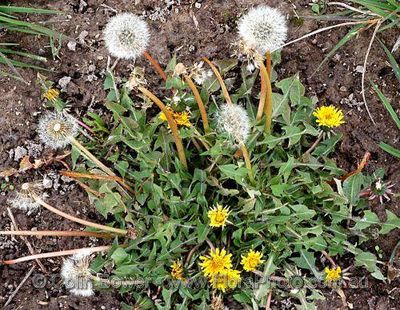 DandelionTaraxacum officinale
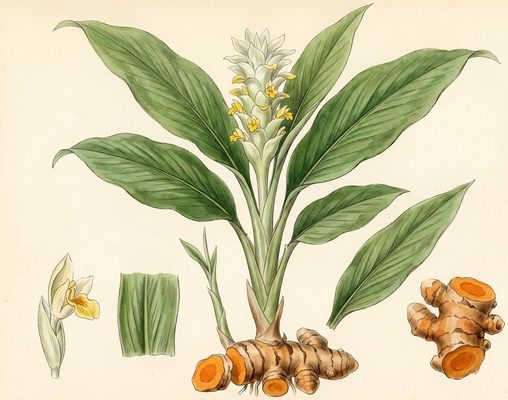 turmericCurcuma longa
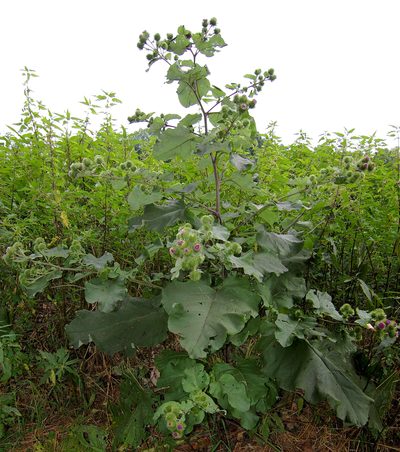 BurdockArctium lappa
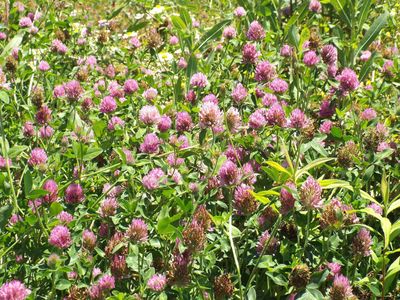 Red cloverTrifolium pratense
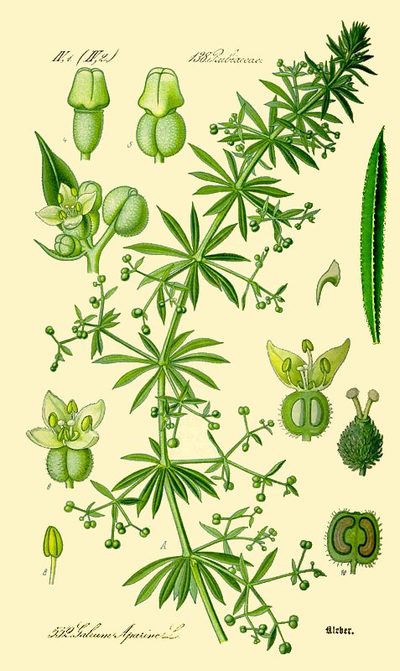 CleaversGalium aparine
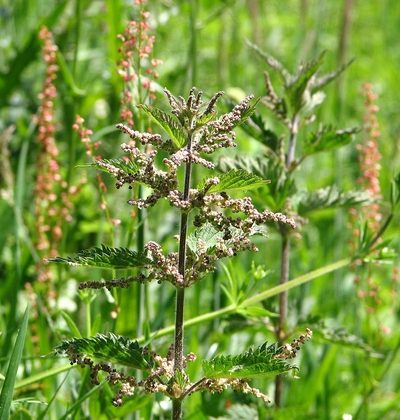 NettlesUrtica dioica
Nearby on the shelf
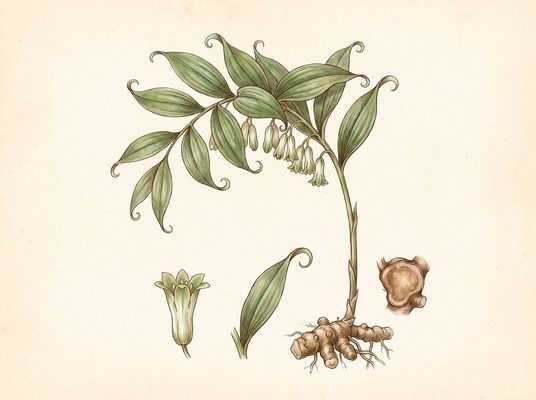 MedaPolygonatum cirrhifolium
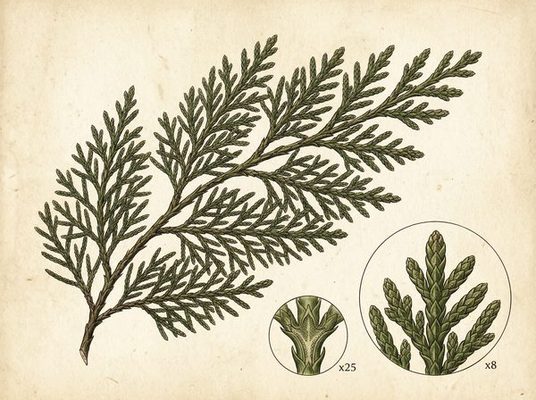 Mediterranean CypressCupressus sempervirens
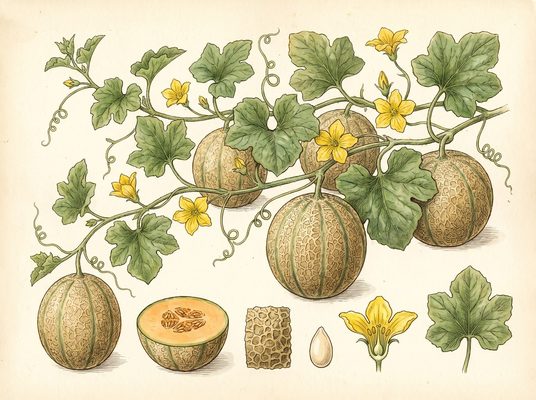 MelonCucumis melo
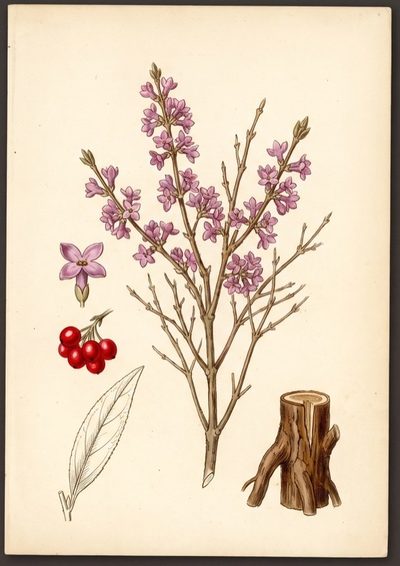 MezereumDaphne mezereum
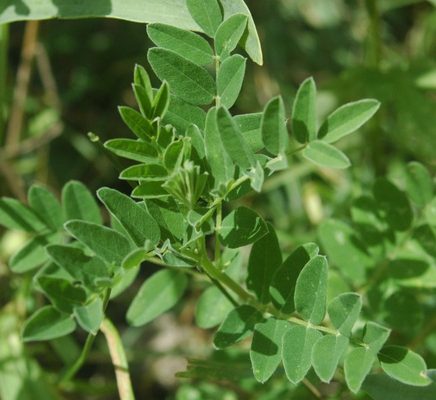 Milk Vetch RootAstragalus membranaceus
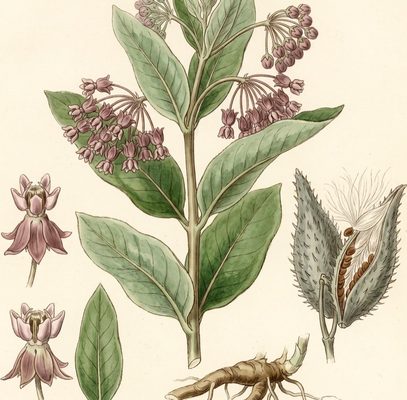 MilkweedAsclepias syriaca
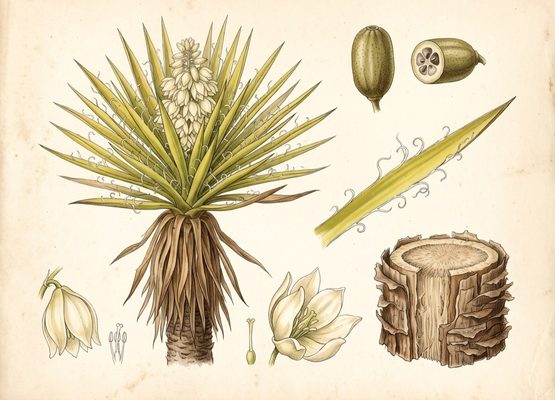 Mojave yuccaYucca schidigera
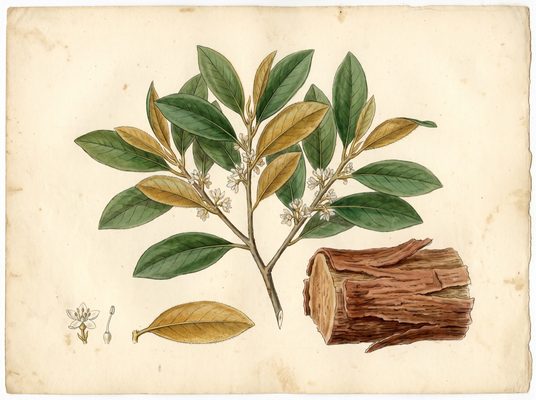 Monesia barkChrysophyllum glycyphloeum
The whole plate is in the library. The compass, Compare, the Sky of eleven hundred plants and the formulary open with an email address and a password, free, with the formula builder and its safety engine. Herbert in full, his formulating, clients, the handouts and the labels are the paid room.
Open the library, free