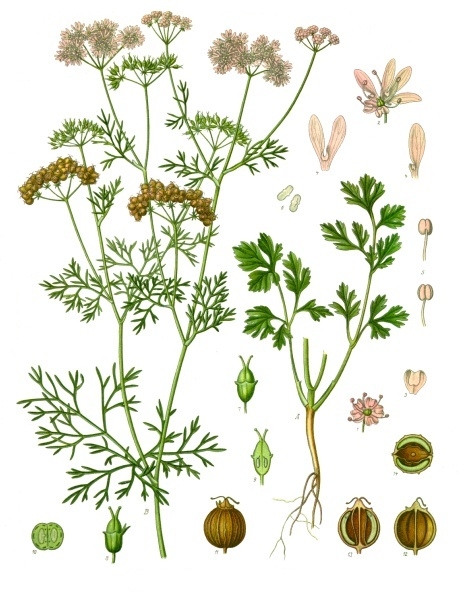
Western and Ayurvedic herbalism
Coriander
Coriandrum sativum
Also known as cilantro, dhania, Chinese parsley, Coriander seeds, Coriander Seed, Coriander Fruit, Dhanyaka, Dhanya, Kustumburu.
Coriandrum sativum is an annual herb of the carrot family, native to the eastern Mediterranean and western Asia and cultivated across India, where Rajasthan, Madhya Pradesh and Gujarat grow much of the world's supply. Ayurveda uses the ripe fruit as Dhanyaka, the cooling digestive: a rare spice that kindles digestion without adding heat, quenches thirst and relieves burning, so that it balances all three doshas and appears in almost every household kitchen remedy. The fresh leaf, cilantro, is used as a cooling condiment and eye remedy, and the fruit is one of the six spices that every Indian kitchen is expected to hold as its first pharmacy.

Ask Herbert about Coriander. Herbert is the master herbalist inside Bountiful Herbs: he answers from this plate and eleven hundred others, with dosing, pairing and cautions. Your first ten questions are free.
Ask HerbertActions
Indications what the tradition reached for it in
- Dyspepsia, bloating and gas in a hot or sensitive digestion
- Hyperacidity and reflux
- Excessive thirst and burning during fever
- Burning urination and mild cystitis
- Diarrhea with heat and thirst
- Nausea and vomiting of pitta type
- Hot flushes and burning sensations of menopause (traditional)
- Conjunctivitis and tired, hot eyes (leaf juice or infusion wash)
- Hyperlipidemia and metabolic syndrome as a dietary adjunct
- Colic and gas in infants (weak infusion)
- Allergic skin rashes with heat and itching (leaf paste)
- Thirst
- Heavy metal accumulation
- Urinary dysfunction
- Flatulence
- Burning sensation
- Metabolic syndrome
- Asthma
- Abdominal cramps
- Dyspepsia
- Nausea
- High cholesterol
- Loss of appetite
- Anxiety
- Convulsions
- Headache
- Hypertension
- Cough
- Gas
- Insomnia
Specific indications
A pitta patient whose digestion is quick but hot, with bloating, sour taste, burning after meals and a tendency to loose stools
Fever with intense thirst and burning where a cooling drink is wanted that also settles the stomach
Burning urination and heat in the pelvis in a person who cannot tolerate the warming urinary herbs
A carminative for someone with irritable digestion who is made worse by ginger, black pepper and other heating spices
Safety
Pregnancy: Safe in food and ordinary medicinal amounts: the AHPA Botanical Safety Handbook places the fruit in class 1, and it is given in India throughout pregnancy for nausea and heartburn; avoid the concentrated essential oil internally.
The record lists 5 contraindications; open the plate in the library to read them in full.
In practice
Dhanyaka is the digestive for the pitta patient and for anyone whose gut runs hot: bloating with acidity, thirst, burning, loose stool and nausea are all relieved by it, and it is the classical answer when a carminative is needed but ginger and pepper would inflame.
In Ayurveda
Rasa: kashaya (astringent), tikta (bitter), madhura (sweet), katu (pungent, slight). Virya: sheeta (cooling); some texts describe the dried fruit as mildly ushna. Vipaka: madhura (sweet). Guna: laghu (light), snigdha (unctuous). Dosha: pacifies all three doshas, especially pitta; tridoshahara. Karma: tridoshahara (balances all three doshas); deepana (kindles digestion); pachana (digestive, clears ama); rochana (improves taste and appetite); mutrala (diuretic); trishnanigrahana (relieves thirst); dahaprashamana (relieves burning); jvaraghna (relieves fever); grahi (binds loose stool); chakshushya (good for the eyes); hridya (supports the heart); krimighna (anthelmintic). Classical indications: agnimandya (weak digestion); ajirna (indigestion); trishna (thirst); daha (burning sensation); jvara (fever); mutrakrichchhra (painful urination); atisara (diarrhea); chhardi (vomiting); arsha (hemorrhoids); netraroga (eye disorders); amlapitta (hyperacidity); krimi (worms). The dried ripe fruit is the classical drug, given as churna, as a cold infusion (hima) for thirst and burning, as kwatha for fever and digestion and as a component of the digestive powders; the fresh leaf juice is used for eye complaints and as a cooling condiment, and the fruit is one of the six spices of the household kitchen pharmacy. Classical formulations: Dhanyaka hima, Dhanyakadi kwatha, Dhanyapanchaka kwatha, Shadanga paniya (variant), Hinguvashtaka churna, Jirakadi modaka, Sudarshana churna, Dhanyakadi churna. Described in: Charaka Samhita, Sushruta Samhita, Ashtanga Hridaya, Bhavaprakasha Nighantu, Dhanvantari Nighantu, Raja Nighantu, Madanapala Nighantu, Kaiyadeva Nighantu, Ayurvedic Pharmacopoeia of India.
Dosing as the sources wrote it
| Preparation | As written | Metric |
|---|---|---|
| Churna | 3-6 g powdered fruit twice daily with water or with meals | 3000-6000 mg |
| Hima | 50-100 mL cold infusion of crushed fruit two to three times daily | 50-100 mL |
| Kwatha | 40-80 mL decoction twice daily | 40-80 mL |
| Swarasa | 10-20 mL fresh leaf juice once daily | 10-20 mL |
| Essential oil, topical | 1-2 drops per 5 mL carrier oil applied to skin | 0.02-0.04 mL |
| Tea | Tea (seed): 3 g daily | 3000-3000 mg |
Doses are reproduced from the sources for practitioners and are not a recommendation for any person.
From the sources
Overview. Coriandrum sativum is an annual herb of the carrot family, native to the eastern Mediterranean and western Asia and cultivated across India, where Rajasthan, Madhya Pradesh and Gujarat grow much of the world's supply. Ayurveda uses the ripe fruit as Dhanyaka, the cooling digestive: a rare spice that kindles digestion without adding heat, quenches thirst and relieves burning, so that it balances all three doshas and appears in almost every household kitchen remedy. The fresh leaf, cilantro, is used as a cooling condiment and eye remedy, and the fruit is one of the six spices that every Indian kitchen is expected to hold as its first pharmacy.
Clinical Notes. Seeds primary for GI uses leaves cooling for Pitta used in Ayurveda as tridoshahara cardiovascular benefits in studies (hypolipidemic antihypertensive) more clinical trials needed
Properties and Uses. These seeds are a mild, but very pleasant aromatic, of the more relaxing class. The ancients, and the present Germans, have used them largely in cookery. They are moderately carminative, and somewhat useful in preventing the griping of cathartics; but are chiefly employed to cover the taste of bitter articles, for which they are really excellent, and are less heating than some agents used for this purpose. They enter into compounds with angelica, senna, gentian, jalap, quassia, lavender, etc. Medical Herbalism journal and medherb.com The Physiomedical Dispensatory by William Cook, M.D., 1869
Action, Medical Uses, and Dosage. This oil is carminative, aromatic, and anodyne. It may be used locally for neuralgic and rheumatic pains, and internally for flatulent colic, cramps, etc. It gives an agreeable flavor to many medicines, senna in particular. Dose, from 1 to 5 drops.
Drawn from Cook's Physio-Medical Dispensatory; King's American Dispensatory, 18th edition (Felter and Lloyd); Felter's Eclectic Materia Medica, Pharmacology and Therapeutics, and the Bountiful Herbs editorial.
In formulas
Coriander stands in 41 documented formulas in the library, among them Abhayāriṣta, Kuṭajāriṣta, Kalyāṇaka Guḍa, Kuṭajāvaleha, Jīrakādi Modaka, Nārikela Khaṇḍa.
Often paired with
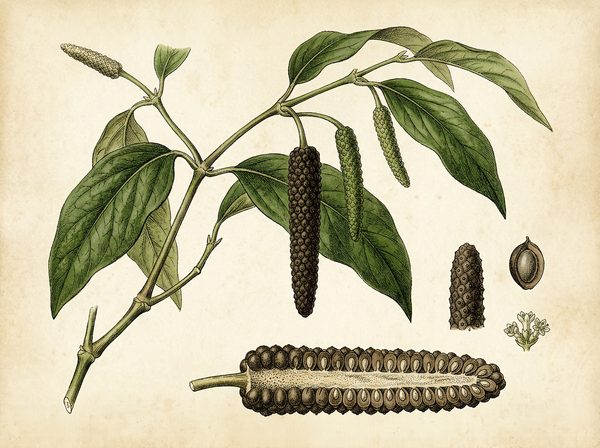 long pepperPiper longum
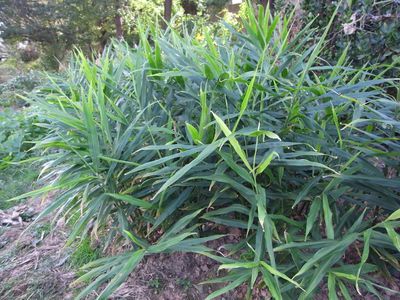 GingerZingiber officinale
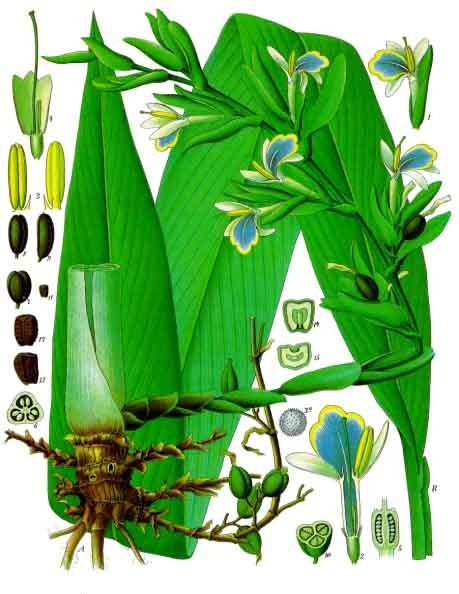 cardamomElettaria cardamomum
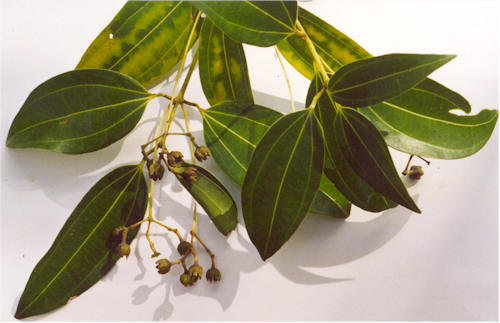 Ceylon cinnamonCinnamomum zeylanicum
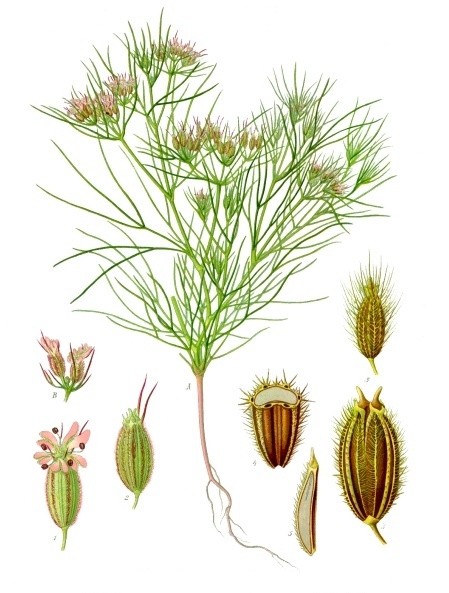 CuminCuminum cyminum
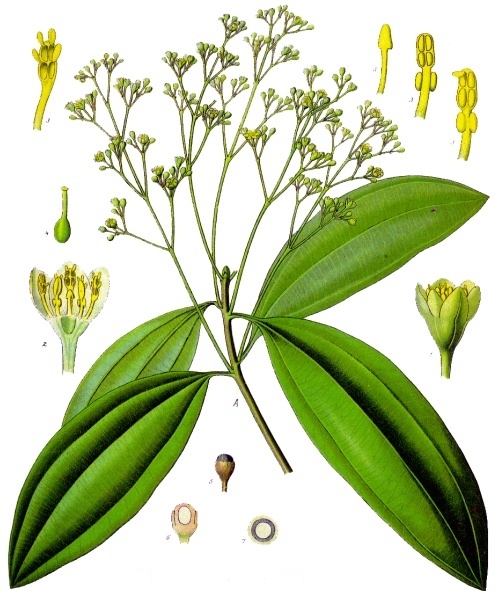 Indian bay leafCinnamomum tamala
Nearby on the shelf
 ContrayervaDorstemia contrayerva
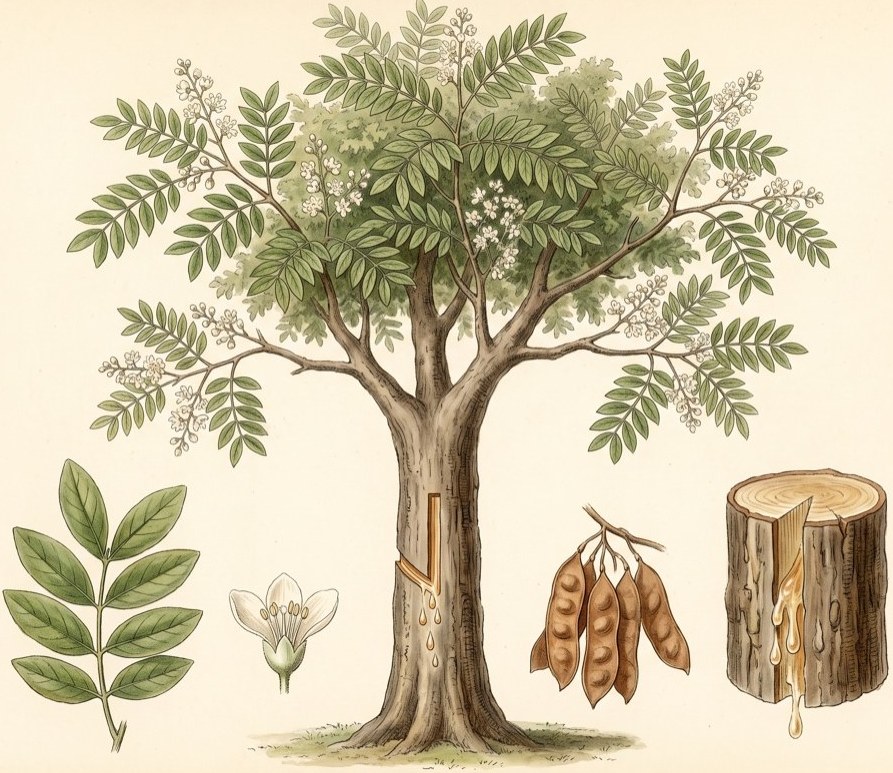 CopaibaCopaifera officinalis
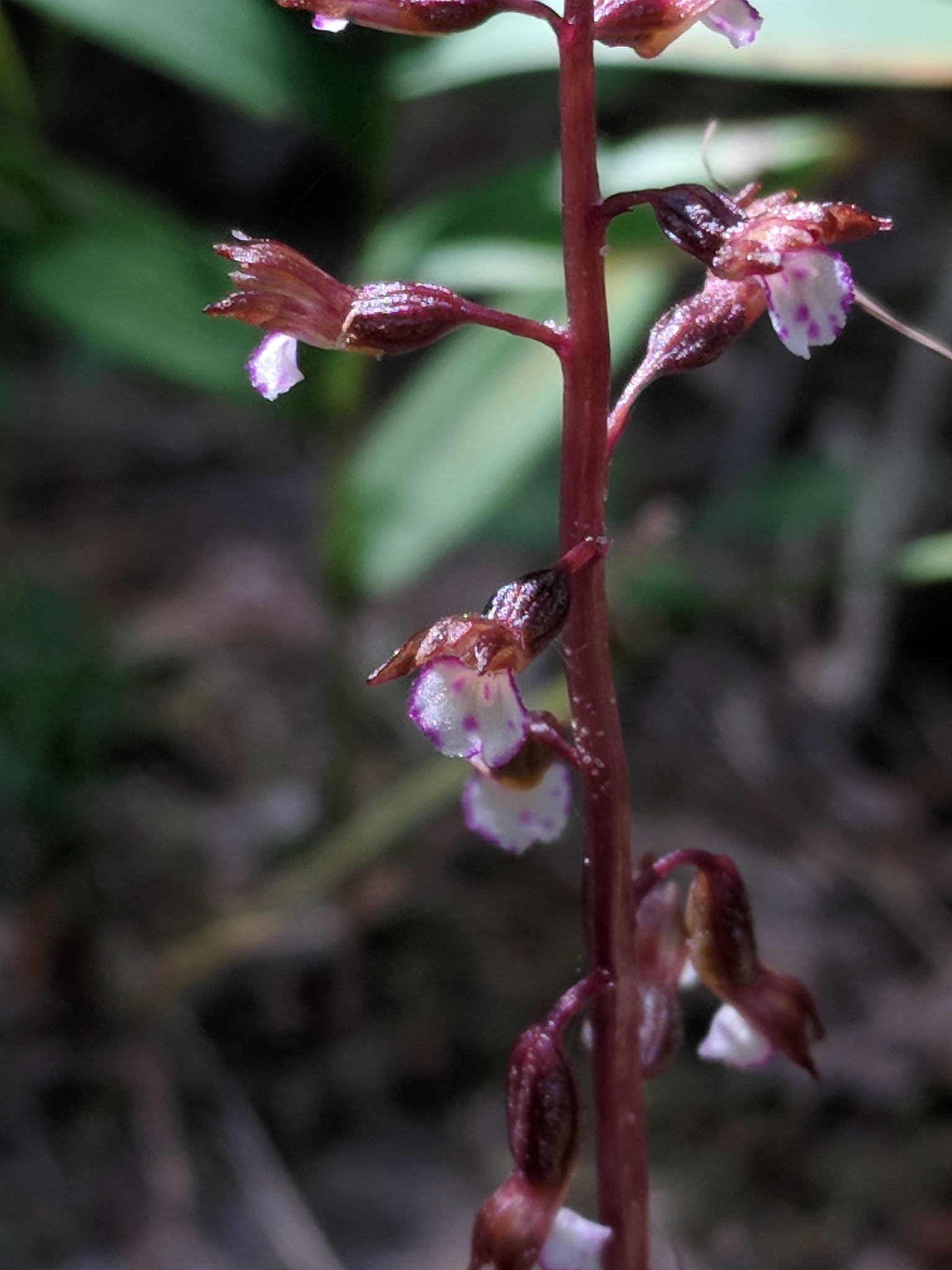 Coral rootCorallorhiza odontorhiza
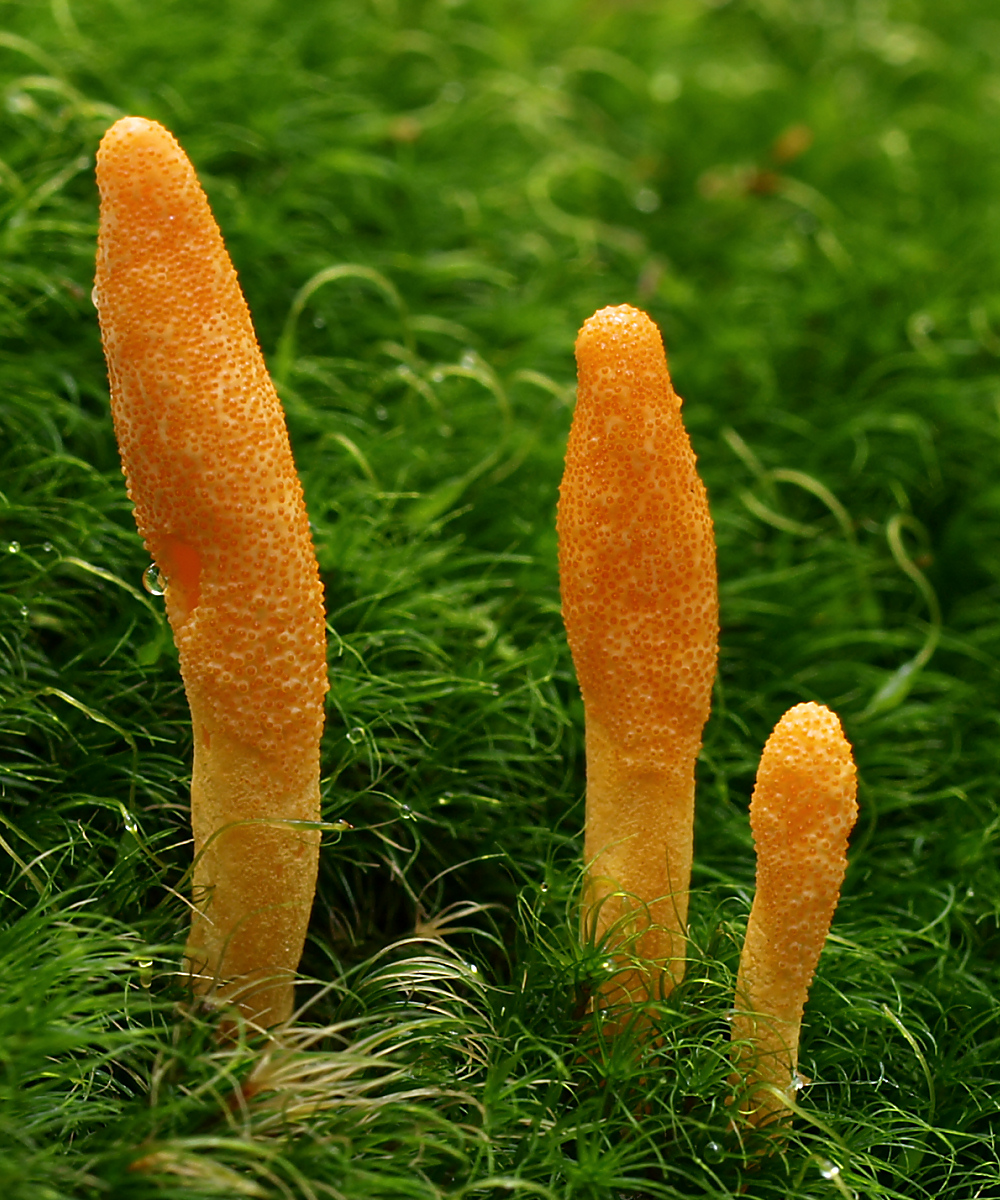 CordycepsCordyceps militaris
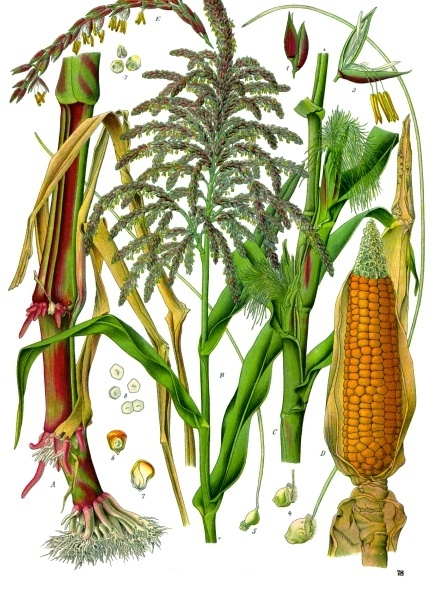 CornZea mays
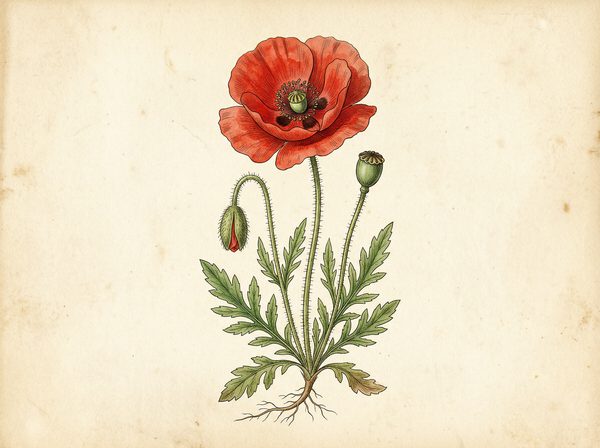 Corn PoppyPapaver rhoeas
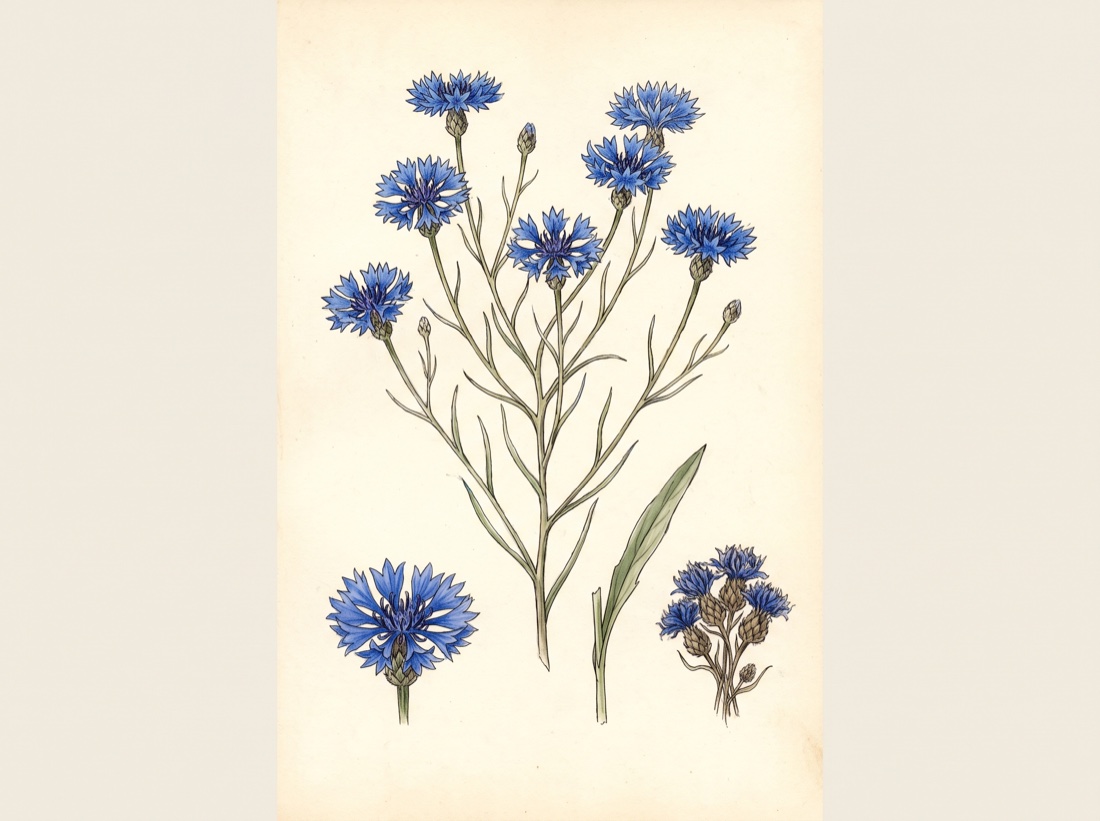 CornflowerCentaurea cyanus
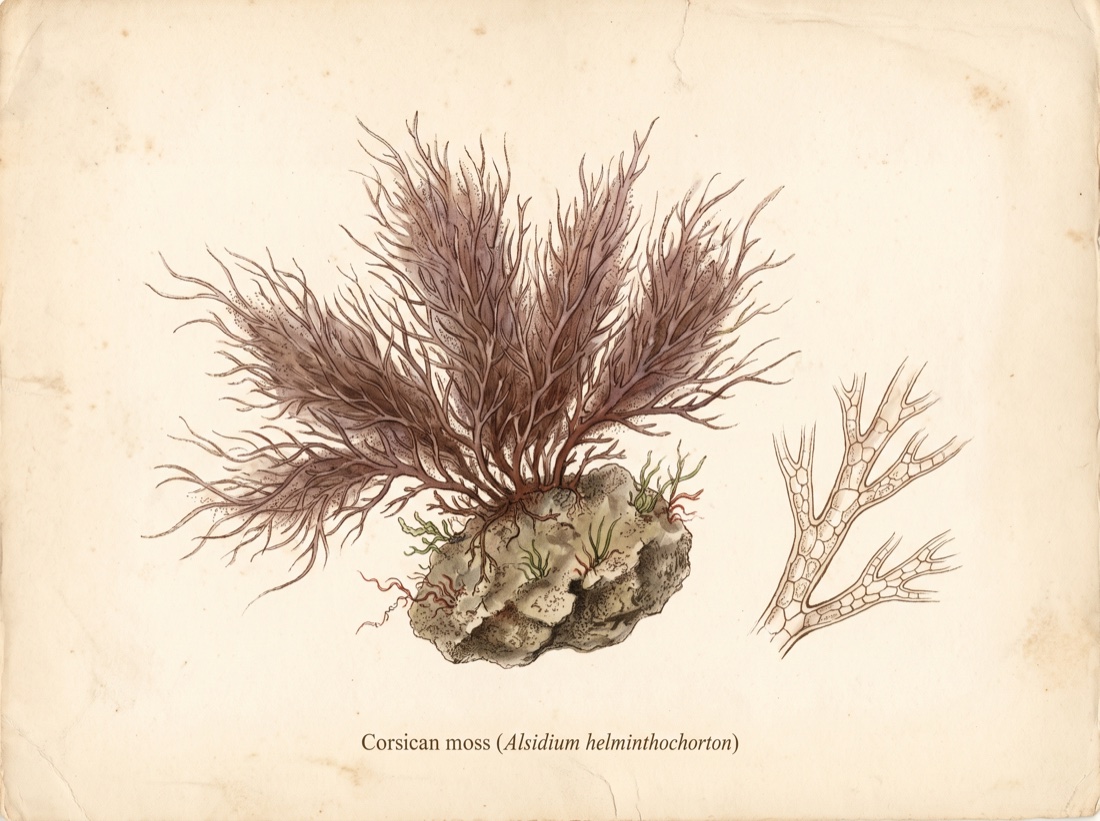 Corsican mossFucus Helminthocorton
The whole plate is in the library. The compass, Compare, the Sky of eleven hundred plants and the formulary open with an email address and a password, free, with the formula builder and its safety engine. Herbert without limit, his formulating, clients, the handouts and the labels are the paid room.
Open the library, free