Western Herbalism
Milkweed
Asclepias Cornuti
Also known as Common milkweed, Silkweed, Wild cotton, Common silkweed.
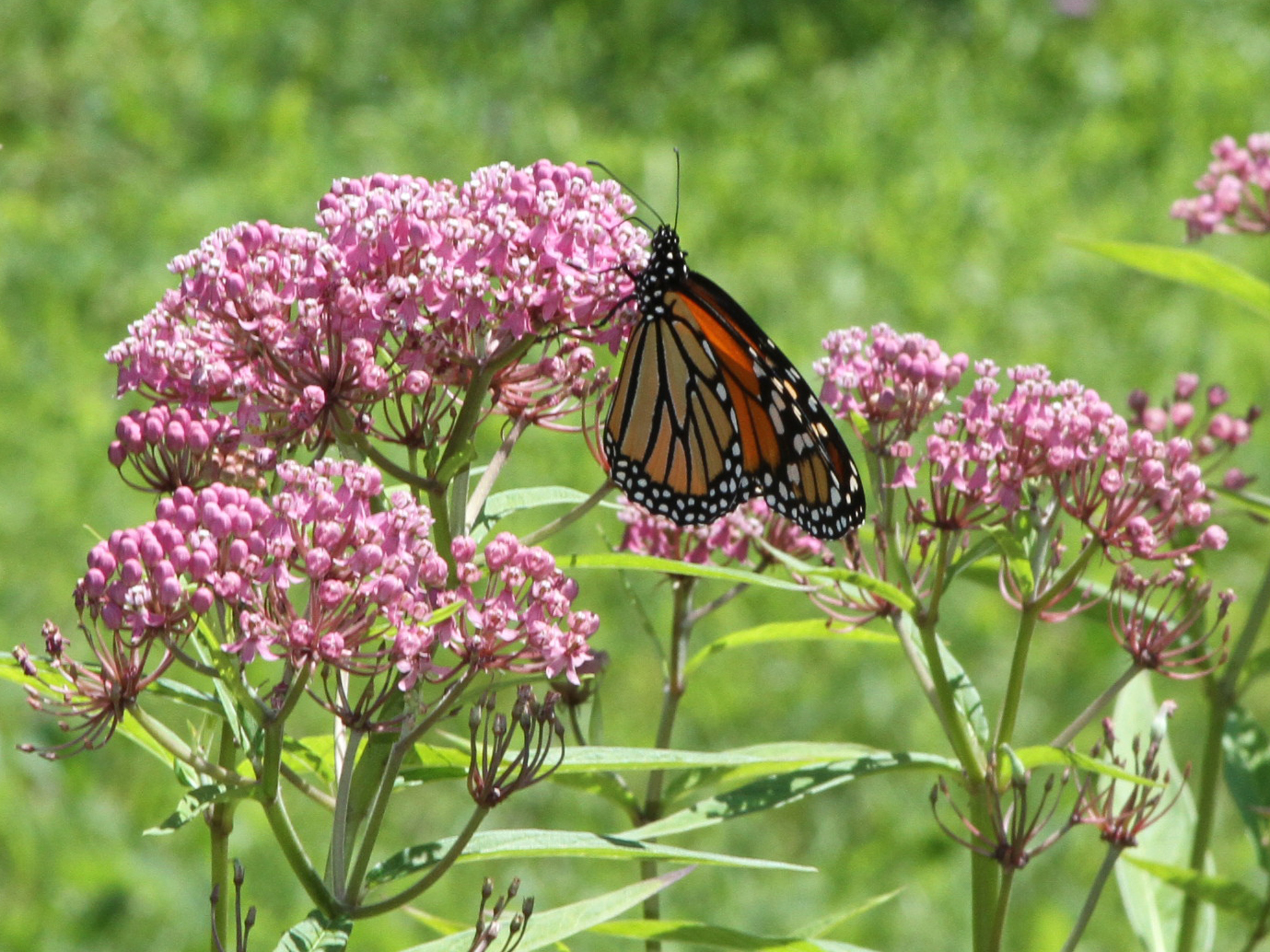
Common milkweed is a stout perennial native to eastern and central North America, recognized by its broad opposite leaves, fragrant pink-purple umbels, and abundant milky latex. The root was the part chiefly used by nineteenth century eclectic physicians, who valued it as a warming diaphoretic and diuretic, while the fresh latex found a long folk tradition as a topical wart remedy. It is not a plant in mainstream contemporary herbal practice, but it remains of historical and regional interest, and the fresh sap is still used by some rural practitioners for warts.

Ask Herbert about Milkweed. Herbert is the master herbalist inside Bountiful Herbs: he answers from this plate and eleven hundred others, with dosing, pairing and cautions. Your first ten questions are free.
Ask HerbertActions
Indications what the tradition reached for it in
- Feverish colds with poor sweating
- Dropsy and fluid retention
- Chronic bronchial catarrh with tight cough
- Asthma with copious mucus
- Amenorrhea from congestion
- Intestinal worms
- Common warts (topical latex)
- Ringworm (topical latex)
Specific indications
Dry, hot skin with suppressed perspiration in early febrile illness calling for a warming diaphoretic
Stubborn plantar or hand warts treated by repeated daily applications of the fresh milky sap
Safety
Low dose botanical. Used in drop doses in the classical practice; not a plant to dose freely.
Pregnancy: Avoid: contains cardiac glycosides and has an emetic and strongly stimulating reputation, unsuitable in pregnancy.
Breastfeeding: Avoid: insufficient safety data and cardenolide content make internal use inappropriate while breastfeeding.
The record lists 7 contraindications; open the plate in the library to read them in full.
In practice
Eclectic writers reached for milkweed root chiefly in feverish, congestive states where sweating needed to be encouraged and the skin was hot and dry, often combining it with other diaphoretics such as boneset or pleurisy root.
Dosing as the sources wrote it
| Preparation | As written | Metric |
|---|---|---|
| Dried root decoction (historical eclectic use) | 1-2 g dried root in decoction, once or twice daily, short term only | 1000-2000 mg |
| Tincture (1:5, historical) | 0.5-1 mL 1:5 tincture, up to three times daily, short term only | 0.5-1 mL |
| Fresh latex, topical | apply a small amount of fresh sap directly to the wart once or twice daily, avoiding surrounding skin | |
| Dose, 1 to 60 grains. | 64.8-3888 mg | |
| Dose, 5 to 60 drops. | 0.1-1.2 mL | |
| The dose is from 10 drops to 1 fluid drachm; it may be taken in ginger syrup, lemon syrup, cinnamon water, or other pleasant vehicle, to cover its unpleasant taste. | 0.5-3.7 mL |
Doses are reproduced from the sources for practitioners and are not a recommendation for any person.
From the sources
Overview. Common milkweed is a stout perennial native to eastern and central North America, recognized by its broad opposite leaves, fragrant pink-purple umbels, and abundant milky latex. The root was the part chiefly used by nineteenth century eclectic physicians, who valued it as a warming diaphoretic and diuretic, while the fresh latex found a long folk tradition as a topical wart remedy. It is not a plant in mainstream contemporary herbal practice, but it remains of historical and regional interest, and the fresh sap is still used by some rural practitioners for warts.
Clinical Notes. Eclectic writers reached for milkweed root chiefly in feverish, congestive states where sweating needed to be encouraged and the skin was hot and dry, often combining it with other diaphoretics such as boneset or pleurisy root.
Action and Therapy. External. It is a common practice among the laity to remove warts by the application of the fresh, milky juice of the plant. Krausi believed it effective in removing small epitheliomata. Internal. As the root possesses tonic, diuretic, and anthelmintic properties it may be used occasionally for the functions indicated. The heart-action is stimulated by it, and it has been suggested as a useful remedy in muscular rheumatoid affections, acting much like macrotys. Constipation is said to be favorably influenced by it, and in full doses it is recommended to expel intestinal worms. The drug deserves study. The young “shoots” or turiones are a favorite pot-herb or “greens” in some sections of our country.
Properties and Uses. The root of this plant, with many practitioners, bears a good name for a relaxing, stimulating and lightly tonic action upon the kidneys; and also upon the uterus. It is thus reputed of value in dropsy, achings of the back, and general feebleness of renal action; in passive amenorrhea; and as a diuretic addition to preparations for scrofula and syphilis.
Drawn from Cook's Physio-Medical Dispensatory; King's American Dispensatory, 18th edition (Felter and Lloyd); Felter's Eclectic Materia Medica, Pharmacology and Therapeutics, and the Bountiful Herbs editorial.
Often paired with
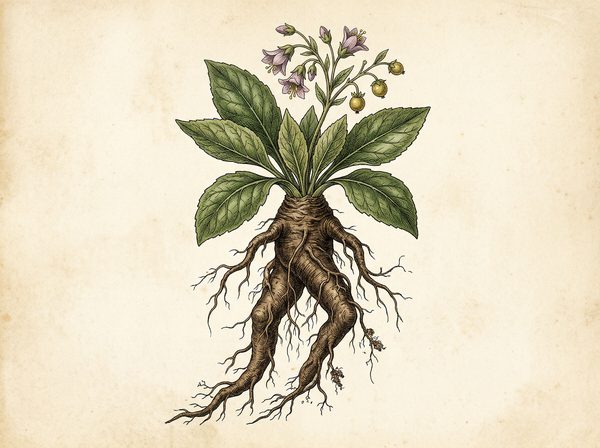 MandrakeMandragora officinarum
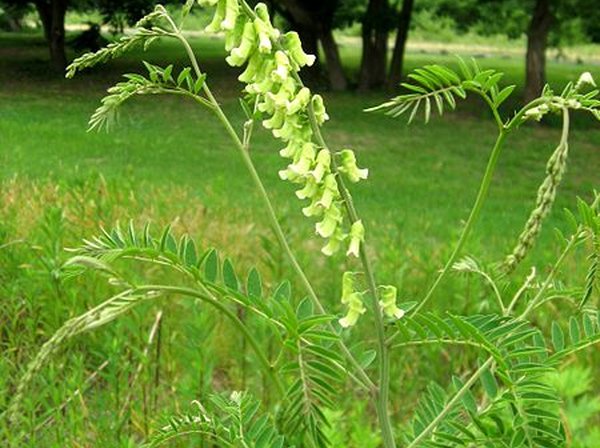 Ku ShenSophora flavescens
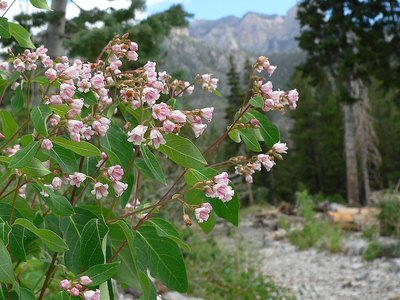 Dog's BaneApocynum Androsaemifolium
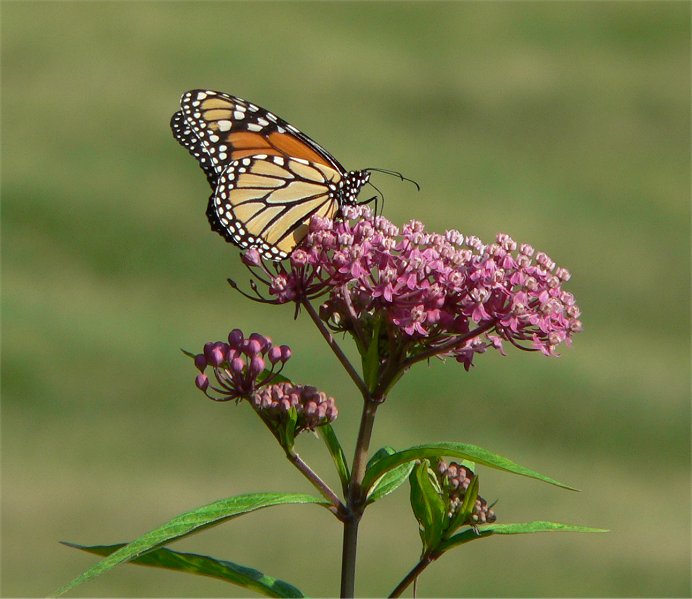 Flesh-colored asclepiasAsclepias Incarnata
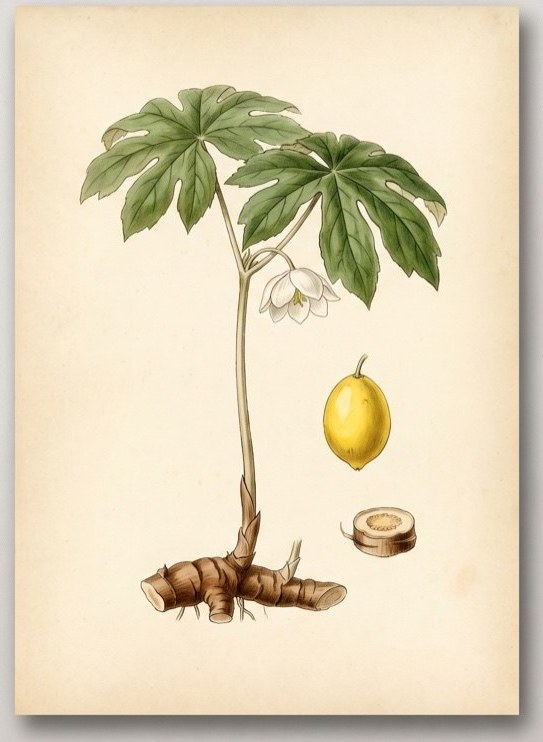 May applePodophyllum peltatum
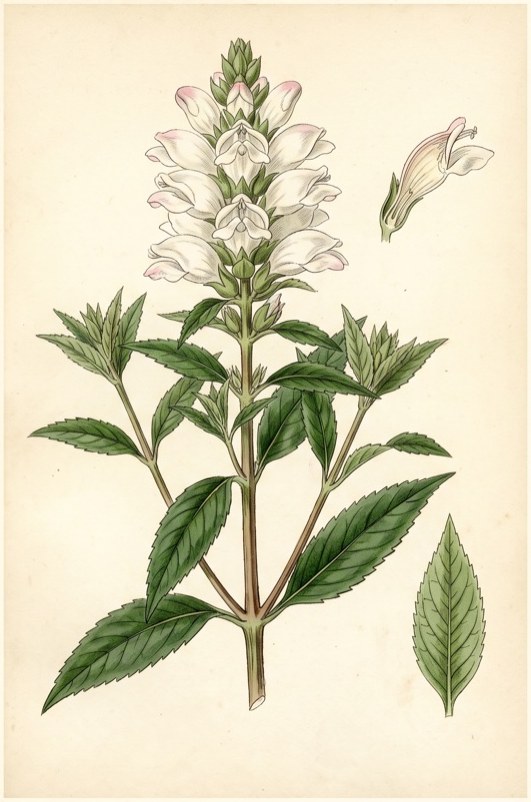 BalmonyChelone glabra
Nearby on the shelf
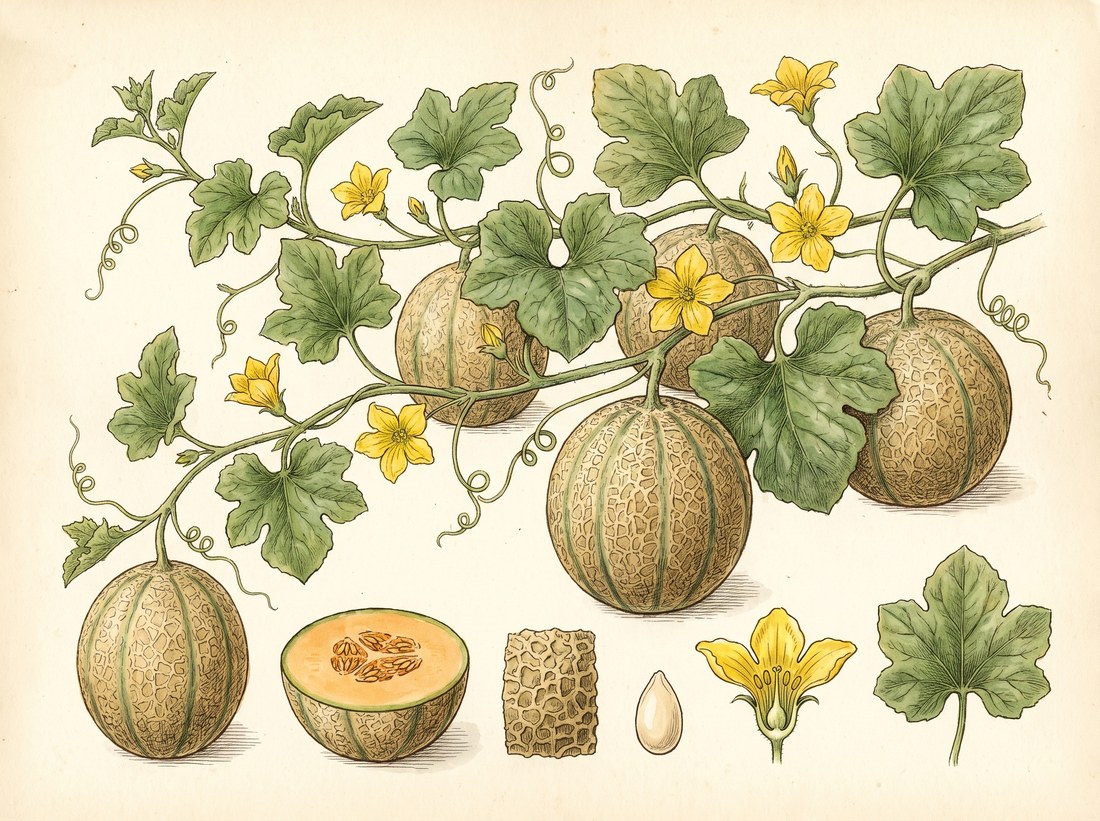 MelonCucumis melo
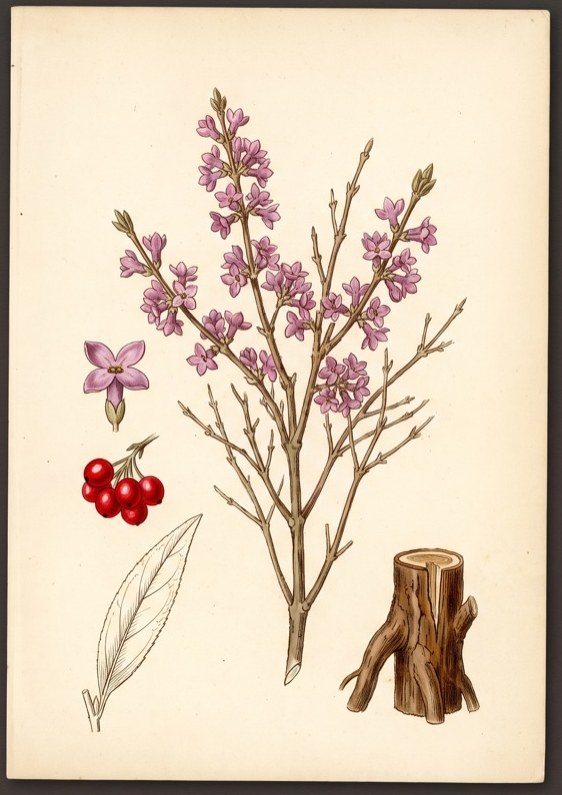 MezereumMezereum
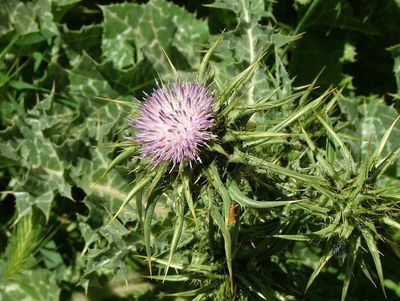 Milk thistleSilybum marianum
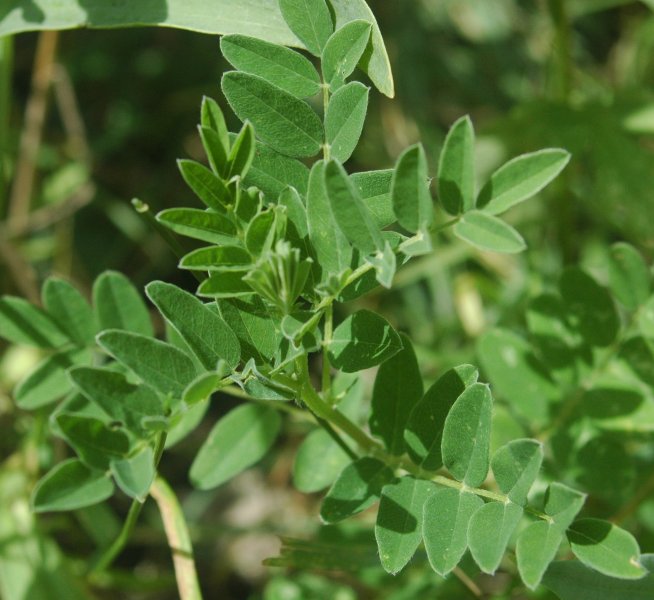 Milk Vetch RootAstragalus membranaceus
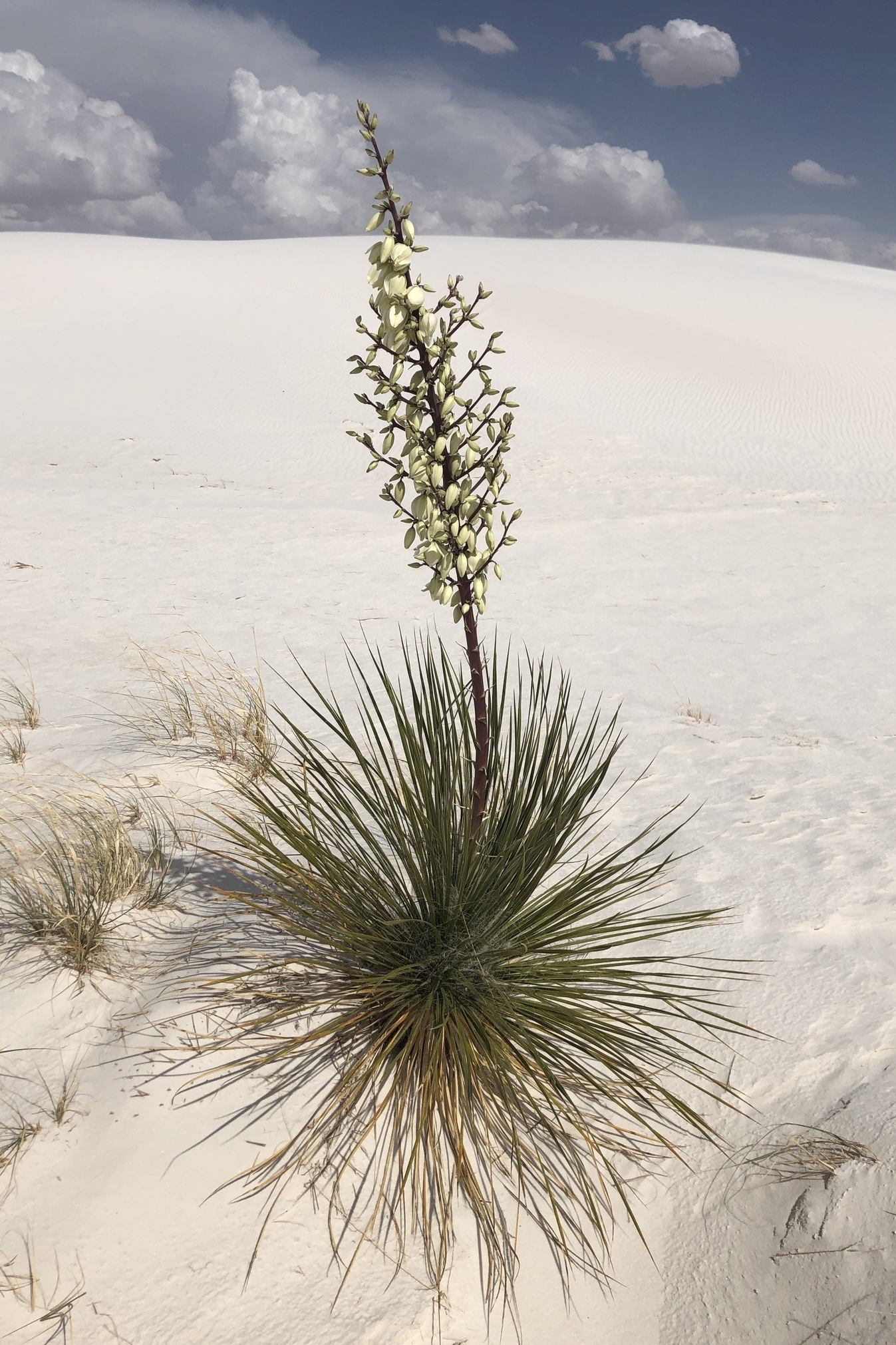 Mojave yuccaYucca schidigera
 Monesia barkMonesia
 Morinda rootMorinda officinalis
The whole plate is in the library. The compass, Compare, the Sky of eleven hundred plants and the formulary open with an email address and a password, free, with the formula builder and its safety engine. Herbert without limit, his formulating, clients, the handouts and the labels are the paid room.
Open the library, free