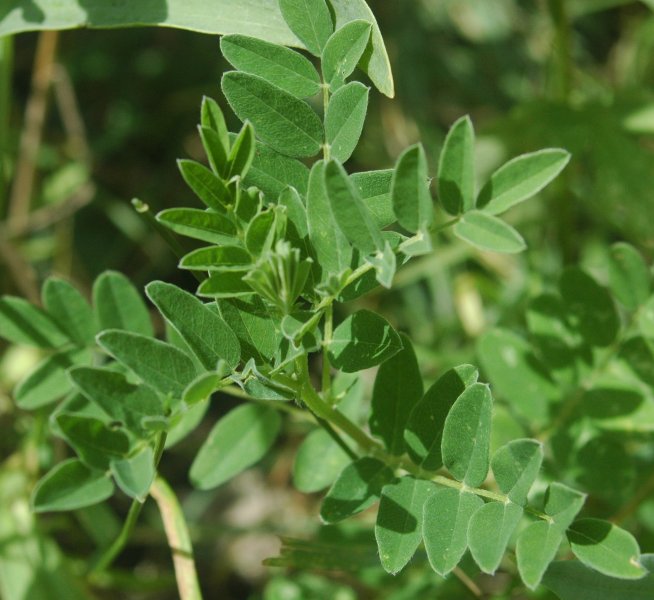
Western and Chinese herbalism
Milk Vetch Root
Astragalus membranaceus
Also known as Huang Qi, Astragalus, mì zhì huáng qí, zhì huáng qí.
Slightly warming Stimulates bone marrow production of white blood cells, red blood cells, and platelets Increases phagocytosis, pituitary-adrenal cortical activity, red blood cell formation, production of interferon, immunoglobulins and macrophages Enhances cytotoxicity of NK cells and T-cells Astragalus polysaccharides potentiate the immune mediated anti-tumor activity of IL-2 providing anti-neoplastic activity Enhances tolerance to stress and decreases fatigue Increases mitochondrial function w/o increasing the mitochondrial oxygen consumption Saponins inhibit lipid peroxidation in the myocardium Increases cardiac output Strengthens left ventricular function and reduces free radical damage in patients...

Ask Herbert about Milk Vetch Root. Herbert is the master herbalist inside Bountiful Herbs: he answers from this plate and eleven hundred others, with dosing, pairing and cautions. Your first ten questions are free.
Ask HerbertActions
Indications what the tradition reached for it in
- Infertility (male)
- Renal failure
- Lupus nephritis
- Angina pectoris
- Ischemic heart disease
- Post myocardial infarction
- Oxidative damage
- Infection prophylaxis
- Fatigue
- Stress
- Hypertension
- Nephropathy (IgA)
- Immunodeficiency (chronic)
- Epstein-barr virus
- Hepatitis (chronic)
- Chemotherapeutic/radiation adjunct
- Congestive heart failure
- Glomerulonephritis
- HIV/AIDS
- Burnout
- Cardiac weakness
- Heart failure
- Immunodeficiency
- Liver disease
- Recurrent infections
- Viral infections
- Heart weakness
- Cardiac insufficiency
- Infection
- Frequent colds
Safety
Pregnancy: Not safe. Not for use in pregnancy (our record's flag)
Pregnancy, our record's flag: Limited data. Limited safety data in pregnancy (our record's flag)
Pregnancy, our record's flag: Caution. Use with care in pregnancy (our record's flag)
Pregnancy, a modern clinical reference: Safety is unknown although no evidence of fetal damage has been reported in animal studies
Pregnancy, published rating: Limited data. No increase in harm from limited human use; animal studies show no fetal damage (Mills & Bone B1); AHPA Botanical Safety Handbook class 1 (no information suggesting a problem)
Breastfeeding: Not safe. Not for use while breastfeeding (our record's flag)
Breastfeeding, our record's flag: Caution. Use with care while breastfeeding (our record's flag)
Breastfeeding, published rating: Limited data. No lactation data (Mills & Bone ND)
The record lists 5 contraindications; open the plate in the library to read them in full.
Dosing as the sources wrote it
| Preparation | As written | Metric |
|---|---|---|
| Tincture (1:2-1:3) | 2-5 ml BID-TID | |
| Decoction | 1 Tbs/c water BID-TID | |
| Bulk herb (decocted) | 10-60 g/d | |
| Decoction: 9-30g dried root/day (TCM) | 9000-30000 mg | |
| Powder/extract: 2-4.8g dried root equivalent/day | ||
| Tincture: 1:5, 20-30 drops (1-2ml) 2-3x/day |
Doses are reproduced from the sources for practitioners and are not a recommendation for any person.
From the sources
Clinical Notes. Slightly warming Stimulates bone marrow production of white blood cells, red blood cells, and platelets Increases phagocytosis, pituitary-adrenal cortical activity, red blood cell formation, production of interferon, immunoglobulins and macrophages Enhances cytotoxicity of NK cells and T-cells Astragalus polysaccharides potentiate the immune mediated anti-tumor activity of IL-2 providing anti-neoplastic activity Enhances tolerance to stress and decreases fatigue Increases mitochondrial function w/o increasing the mitochondrial oxygen consumption Saponins inhibit lipid peroxidation in the myocardium Increases cardiac output Strengthens left ventricular function and reduces free radical damage in patients...
Clinical Notes. Tonifies Spleen Qi and Lung Qi in TCM Used as prophylactic for colds rather than during acute infections Key herb in formulas like Yu Ping Feng San Adaptogenic with deep immune tonifying effects
primary_action. Astragalus is chiefly an immune-enhancing immunomodulator, increasing natural killer cell and cytotoxic T-cell activity, interferon and interleukin-2 production, and overall phagocytic activity; the polysaccharide fraction is regarded as the main immune-active component.
primary_action. Astragalus is a qi-tonifying adaptogen (huang qi, 'yellow leader') traditionally used to strengthen the body's defensive energy (wei qi), tone the spleen and lung, build stamina, and counter fatigue and general debility.
In formulas
Milk Vetch Root stands in 248 documented formulas in the library, among them zài zào sǎn, yǎng zhêng tông yòu tāng, qing xin lian zi yin, rên shèn huáng qí sắn, dàng gui liu huáng tàng, shi wei xiang ru yin.
Often paired with
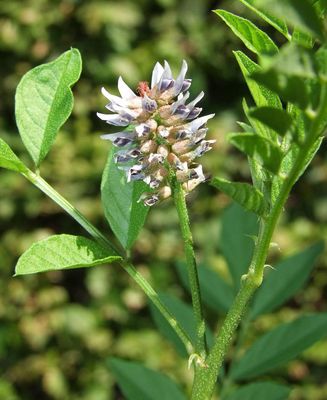 Licorice rootGlycyrrhiza glabra
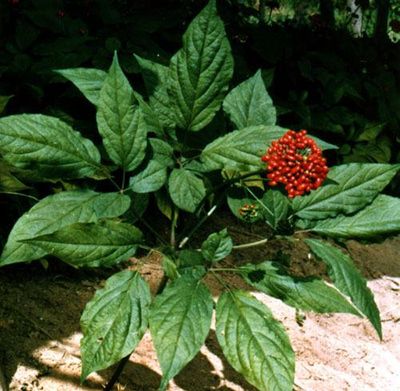 GinsengPanax ginseng
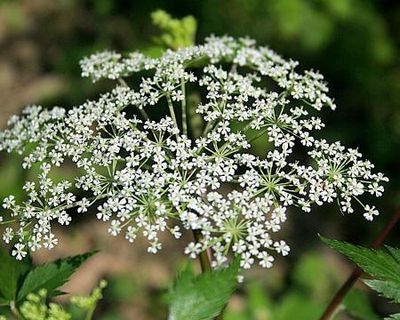 Dong QuaiAngelica sinensis
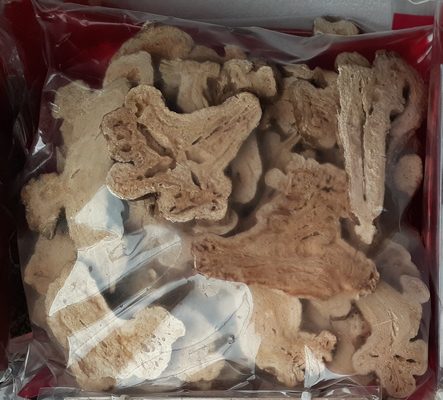 Bai ZhuAtractylodes macrocephala
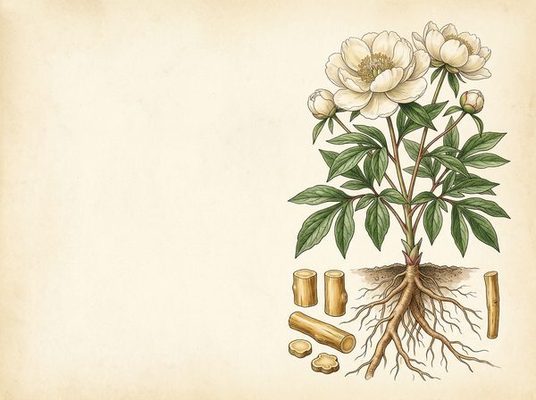 White PeonyPaeonia lactiflora
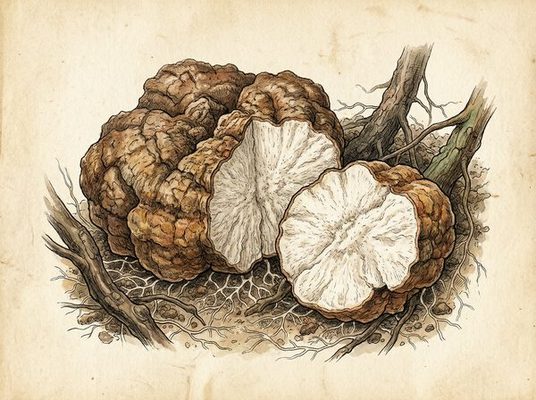 PoriaWolfiporia extensa
Nearby on the shelf
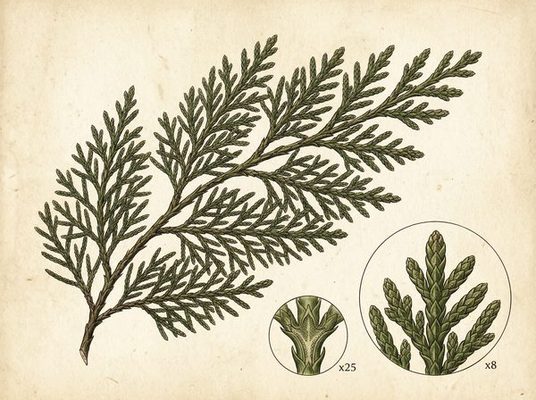 Mediterranean CypressCupressus sempervirens
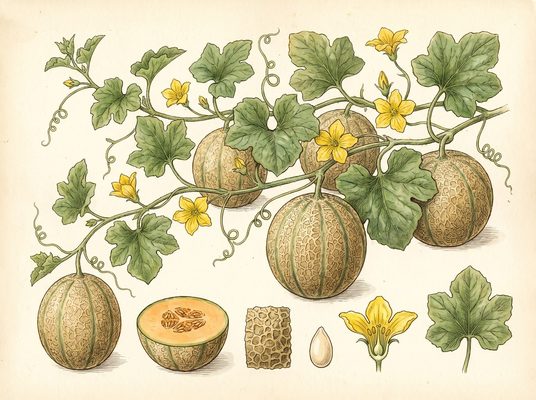 MelonCucumis melo
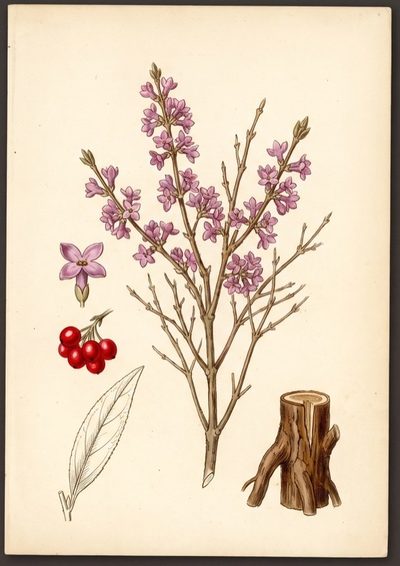 MezereumDaphne mezereum
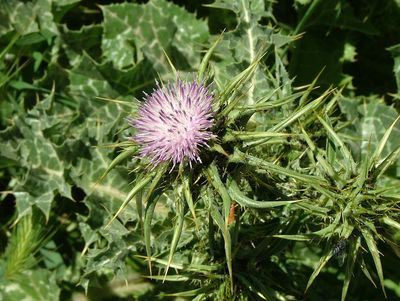 Milk thistleSilybum marianum
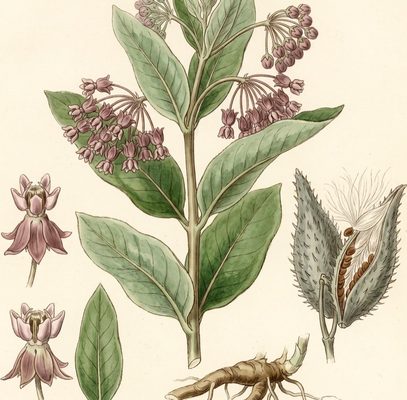 MilkweedAsclepias syriaca
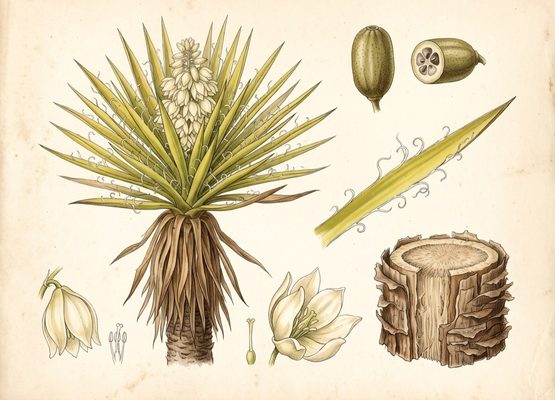 Mojave yuccaYucca schidigera
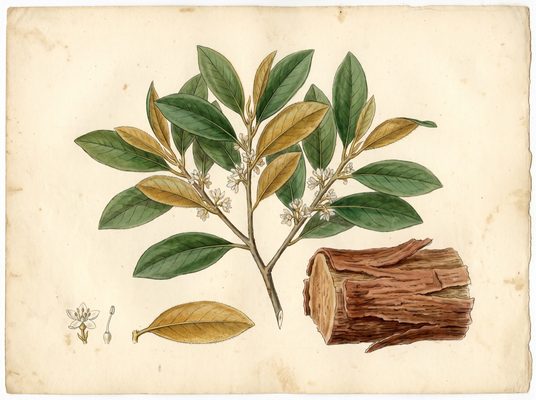 Monesia barkChrysophyllum glycyphloeum
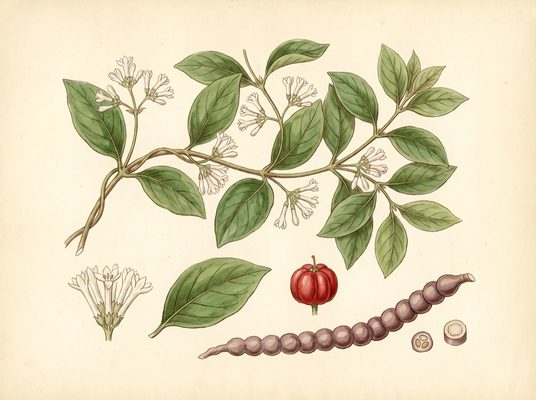 Morinda rootMorinda officinalis
The whole plate is in the library. The compass, Compare, the Sky of eleven hundred plants and the formulary open with an email address and a password, free, with the formula builder and its safety engine. Herbert in full, his formulating, clients, the handouts and the labels are the paid room.
Open the library, free