Ayurvedic Herbalism
Meda
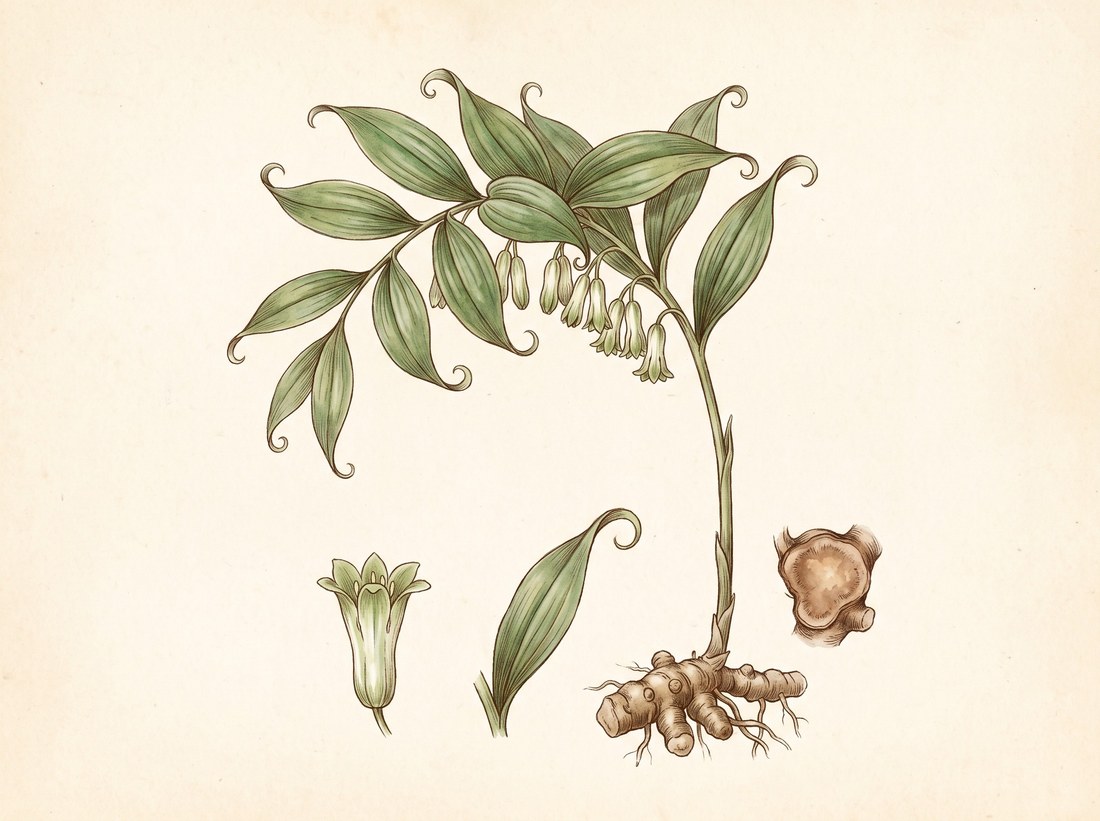
Polygonatum cirrhifolium
Also known as Himalayan Solomon's seal, whorled Solomon's seal, Meda, Medini, Shalyaparni.
Polygonatum cirrhifolium is a slender Solomon's seal with whorled, tendril-tipped leaves that grows in the moist temperate forests and alpine meadows of the Himalaya from Kashmir through Uttarakhand, Nepal and Sikkim to southwest China, at roughly 1,800 to 4,000 meters. Its knobbly, sweet-tasting rhizome is Meda, one of the eight Ashtavarga roots that the classical texts prize as jivaniya and rasayana drugs, and it stands beside its larger relative Mahameda (Polygonatum verticillatum) in Chyawanprash and the great nourishing ghritas. Both are scarce in the wild and are widely substituted in trade.

Ask Herbert about Meda. Herbert is the master herbalist inside Bountiful Herbs: he answers from this plate and eleven hundred others, with dosing, pairing and cautions. Your first ten questions are free.
Ask HerbertActions
Indications what the tradition reached for it in
- Wasting and weight loss after chronic illness
- Convalescence with dryness, burning and thirst
- Chronic low-grade fever with depletion
- Male infertility and low libido in a hot, thin constitution
- Insufficient breast milk in a depleted mother
- Dry cough and chest weakness
- Bleeding tendency with heat (adjunct)
- Frailty and sarcopenia in the elderly
- Recovery after fracture or overexertion
- Hyperacidity and burning in the stomach
Specific indications
A thin, dry, overheated patient who has lost weight through long illness and burns and thirsts at night, who needs to be rebuilt with cooling sweetness rather than heating tonics
A young man with pitta-vata constitution, low semen quality and a hot, restless mind, for whom Ashwagandha is too heating
A postpartum mother who is depleted, hot and dry with scanty milk, where a sweet nourishing root in milk is wanted
Safety
The record lists 5 contraindications; open the plate in the library to read them in full.
In practice
Meda is a builder of the pitta-vata type: sweet, cooling, unctuous and heavy, it nourishes rasa, mamsa and shukra without adding heat. The Ayurvedic practitioner reaches for it in kshaya and shosha, in the dry, burning, exhausted state after a long fever or chronic infection, and in shukra kshaya with pitta features.
In Ayurveda
Rasa: madhura (sweet). Virya: sheeta (cooling). Vipaka: madhura (sweet). Guna: guru (heavy), snigdha (unctuous). Dosha: pacifies vata and pitta; increases kapha when used long or in quantity. Karma: rasayana (rejuvenative); jivaniya (life-promoting, vitalizing); brimhana (nourishing, builds tissue); balya (strengthening); vrishya (aphrodisiac); shukrala (increases semen); stanyajanana (promotes breast milk); dahaprashamana (relieves burning); pittahara (pacifies pitta); vatahara (pacifies vata). Classical indications: kshaya (wasting and consumption); kshatakshina (debility after injury or overexertion); daurbalya (weakness); daha (burning sensation); jvara (chronic fever with depletion); raktapitta (bleeding disorders); shosha (emaciation); klaibya (male sexual weakness); stanyakshaya (insufficient breast milk). The dried rhizome is used, powdered as churna with milk, boiled as ksheerapaka or kwatha, and above all as one of the eight Ashtavarga roots that go into the rasayana ghritas, avalehas and tailas of the classical formularies. Classical formulations: Chyawanprash, Ashtavarga churna, Jivaniya gana kwatha, Mahanarayana taila, Amritaprasha ghrita, Brahma rasayana, Jivantyadi ghrita, Vidaryadi kwatha. Described in: Charaka Samhita, Sushruta Samhita, Ashtanga Hridaya, Bhavaprakasha Nighantu, Dhanvantari Nighantu, Raja Nighantu, Sharngadhara Samhita, Kaiyadeva Nighantu.
Dosing as the sources wrote it
| Preparation | As written | Metric |
|---|---|---|
| Churna | 3-6 g powdered rhizome once or twice daily with warm milk | 3000-6000 mg |
| Ksheerapaka | 50-100 mL milk decoction once daily at bedtime | 50-100 mL |
| Kwatha | 50-100 mL decoction twice daily | 50-100 mL |
| Ghrita or avaleha | 5-10 g medicated ghee or Ashtavarga paste daily | 5000-10000 mg |
Doses are reproduced from the sources for practitioners and are not a recommendation for any person.
From the sources
Overview. Polygonatum cirrhifolium is a slender Solomon's seal with whorled, tendril-tipped leaves that grows in the moist temperate forests and alpine meadows of the Himalaya from Kashmir through Uttarakhand, Nepal and Sikkim to southwest China, at roughly 1,800 to 4,000 meters. Its knobbly, sweet-tasting rhizome is Meda, one of the eight Ashtavarga roots that the classical texts prize as jivaniya and rasayana drugs, and it stands beside its larger relative Mahameda (Polygonatum verticillatum) in Chyawanprash and the great nourishing ghritas. Both are scarce in the wild and are widely substituted in trade.
Clinical Notes. Meda is a builder of the pitta-vata type: sweet, cooling, unctuous and heavy, it nourishes rasa, mamsa and shukra without adding heat. The Ayurvedic practitioner reaches for it in kshaya and shosha, in the dry, burning, exhausted state after a long fever or chronic infection, and in shukra kshaya with pitta features.
Ayurvedic Profile. Rasa: madhura (sweet). Virya: sheeta (cooling). Vipaka: madhura (sweet). Guna: guru (heavy), snigdha (unctuous). Dosha: pacifies vata and pitta; increases kapha when used long or in quantity. Karma: rasayana (rejuvenative); jivaniya (life-promoting, vitalizing); brimhana (nourishing, builds tissue); balya (strengthening); vrishya (aphrodisiac); shukrala (increases semen); stanyajanana (promotes breast milk); dahaprashamana (relieves burning); pittahara (pacifies pitta); vatahara (pacifies vata).
Conservation. Threatened in the wild across the Indian Himalaya from overharvesting of rhizomes for the Ashtavarga trade and habitat loss; cultivated or substitute material should be preferred.
In formulas
Meda stands in 19 documented formulas in the library, among them Daśamūlāriṣṭa, Cyavanaprāśa, Brāhma Rasāyana, Śivā Guṭikā, Aśoka Ghṛta, Chāgalādya Ghṛta.
Often paired with
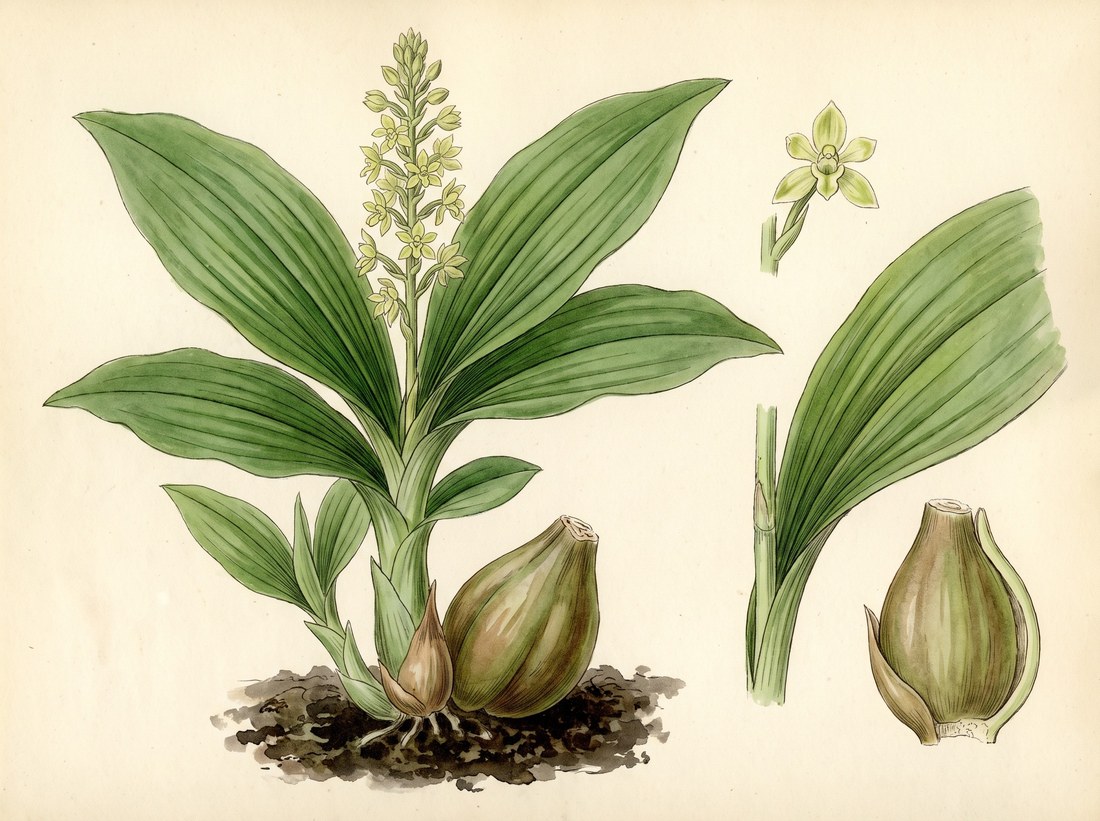 jeevakMalaxis acuminata
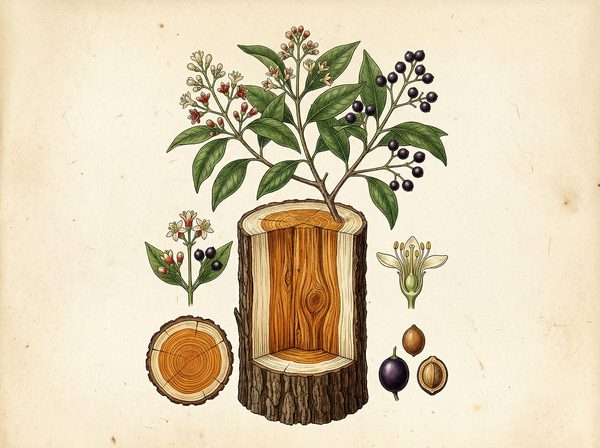 sandalwoodSantalum album
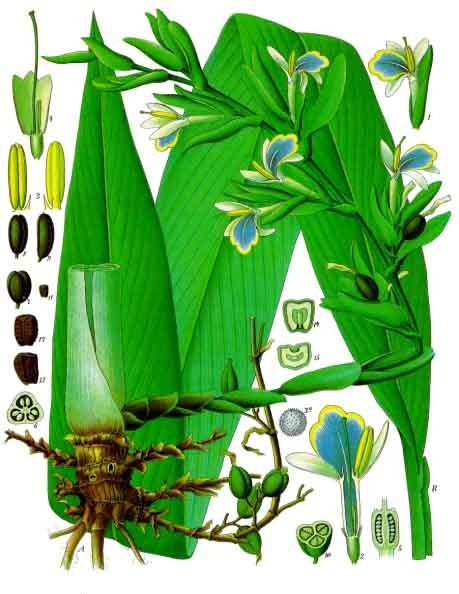 cardamomElettaria cardamomum
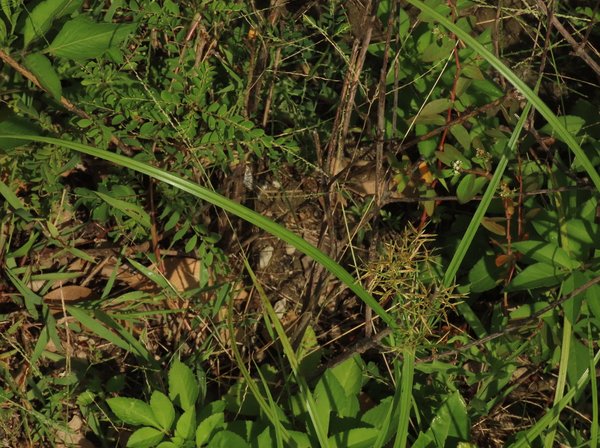 nut grassCyperus rotundus
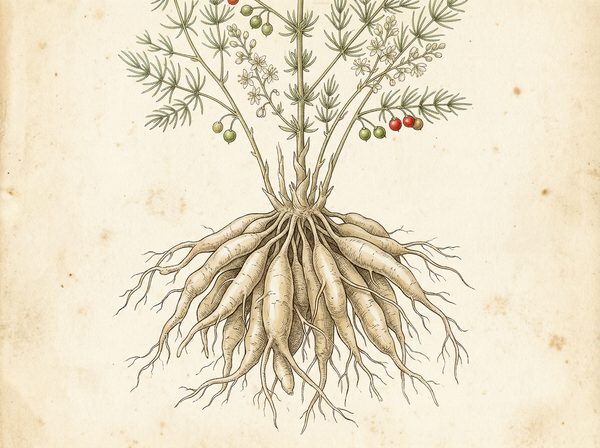 shatavariAsparagus racemosus
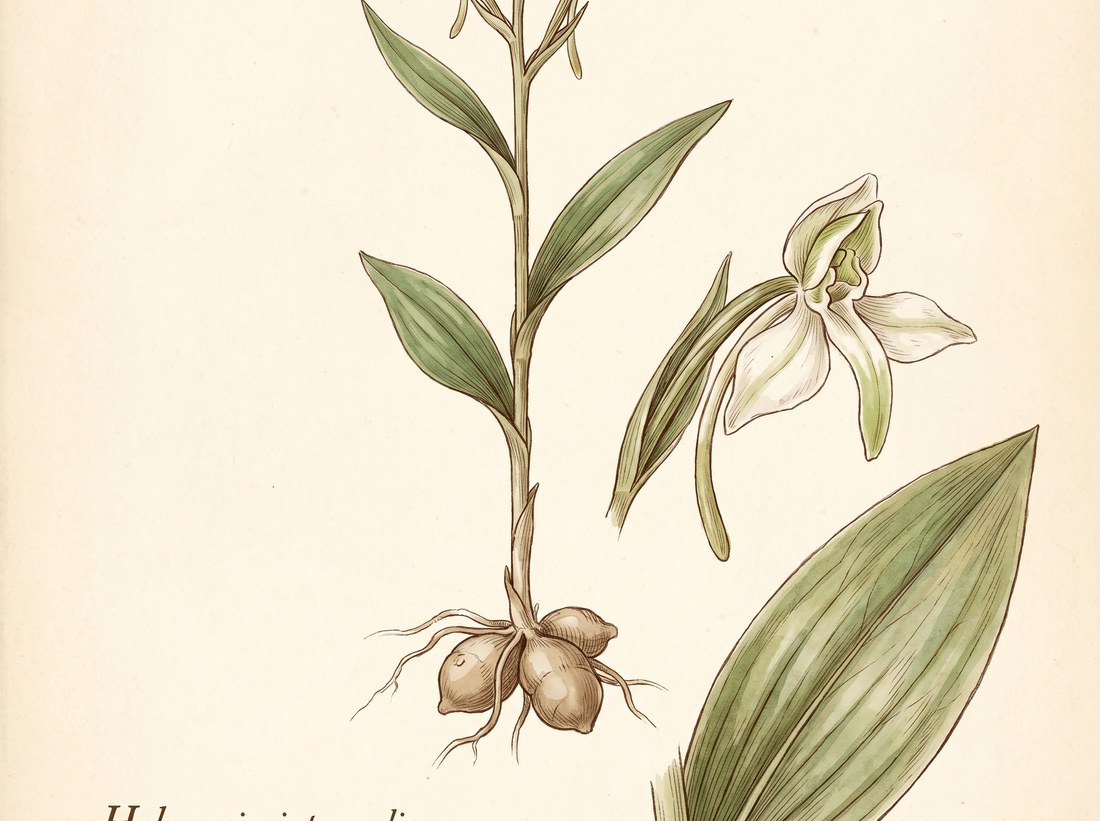 riddhi orchidHabenaria intermedia
Nearby on the shelf
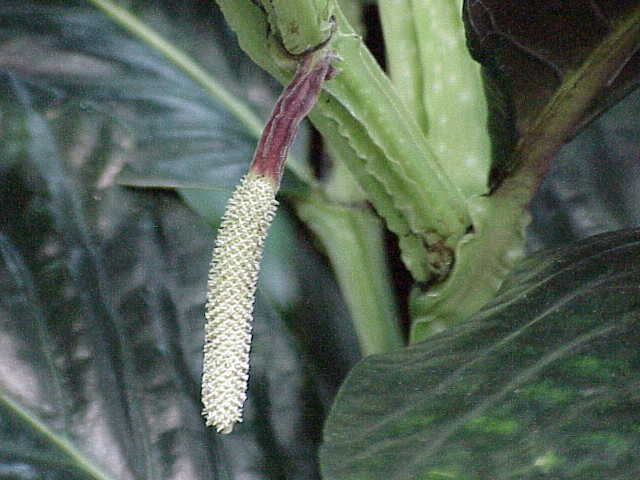 MaticoArtanthe elongata
 May applePodophyllum peltatum
 May changLitsea cubeba
 MeadowsweetFilipendula ulmaria
 Mediterranean CypressCupressus sempervirens
 MelonCucumis melo
 MezereumMezereum
 Milk thistleSilybum marianum
The whole plate is in the library. The compass, Compare, the Sky of eleven hundred plants and the formulary open with an email address and a password, free, with the formula builder and its safety engine. Herbert without limit, his formulating, clients, the handouts and the labels are the paid room.
Open the library, free