Western and Ayurvedic herbalism
Indian sarsaparilla
Hemidesmus indicus
Also known as anantamul, sariva, nannari, Nunnari, Sariva, Anantamula, Shveta sariva.
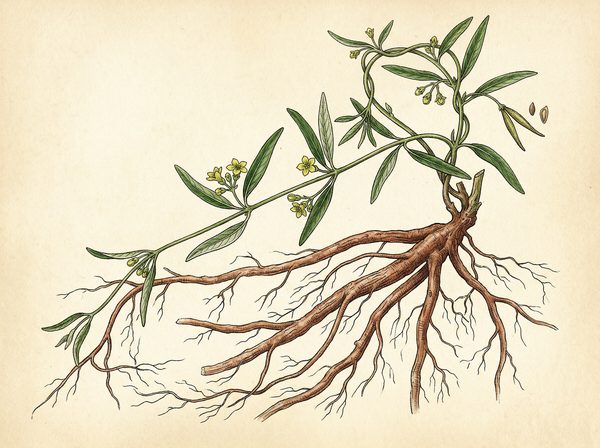
Hemidesmus indicus is a slender twining vine with a woody, fragrant root that smells of vanilla and sweet hay, growing in scrub jungle and along hedges through the plains and lower hills of peninsular India, Bengal and Sri Lanka. Ayurveda calls the root Sariva or Anantamula and uses it as the classic cooling blood purifier for skin disease, chronic fever and burning conditions of pitta, and in the south the root flavors the cooling summer drink nannari. It is the Indian sarsaparilla of the old European pharmacopoeias, unrelated to the American Smilax species.

Ask Herbert about Indian sarsaparilla. Herbert is the master herbalist inside Bountiful Herbs: he answers from this plate and eleven hundred others, with dosing, pairing and cautions. Your first ten questions are free.
Ask HerbertActions
Indications what the tradition reached for it in
- Chronic eczema and psoriasis with heat and itching
- Acne and boils in a hot constitution
- Urticaria and allergic skin eruptions
- Chronic low-grade fever and post-fever debility
- Burning urination and recurrent urinary infection
- Heat exhaustion and summer thirst
- Gout and hot arthritis (adjunct)
- Menorrhagia and bleeding of pitta type
- Hyperacidity with burning
- Poor milk quality in nursing mothers (traditional)
- Convalescence after hepatitis
- Chronic venereal and skin infections (historical)
- Leprosy
- Leucoderma
- General debility
- Burning sensation
- Pruritus
- Syphilis
- Menorrhagia
- Rheumatism
- Dysuria
- Inflammation
- Bronchitis
- Asthma
- Leukorrhea
- Diabetes
- Urinary tract infection
- Loss of appetite
- Psoriasis
- Ulcers
Specific indications
A hot, red-faced pitta patient whose skin erupts, itches and burns in summer and whose urine scalds
Chronic eczema or psoriasis with heat, where a cooling blood cleanser is wanted that does not dry the skin further
The child or adult with recurring low fevers, thirst and irritability after an infectious illness who needs cooling rather than more antimicrobials
A nursing mother whose infant has rashes or colic that the tradition attributes to heated milk
Safety
The record lists 4 contraindications; open the plate in the library to read them in full.
In practice
Sariva is reached for whenever heat sits in the blood and shows on the skin or in the urine: eczema and psoriasis that flare in summer, acne and boils in a hot young adult, urticaria, chronic fevers that leave a patient thirsty and irritable, and burning on urination.
In Ayurveda
Rasa: madhura (sweet), tikta (bitter). Virya: sheeta (cooling). Vipaka: madhura (sweet). Guna: guru (heavy), snigdha (unctuous). Dosha: pacifies all three doshas, with the strongest action on pitta and on heat in the blood. Karma: raktashodhana (purifies blood); dahaprashamana (relieves burning); jvarahara (reduces fever); kushthaghna (clears skin disease); stanyashodhana (purifies breast milk); shukrala (increases semen); shothahara (reduces swelling); trishnahara (relieves thirst); deepana (kindles digestion, mild); vishaghna (counters poison); rasayana (rejuvenative). Classical indications: kushtha (chronic skin disease); kandu (itching); visarpa (spreading skin inflammation, erysipelas); prameha (urinary disorders including diabetes); jvara (fever, especially chronic and pitta type); raktapitta (bleeding disorders); atisara (diarrhea); arochaka (anorexia); shvasa and kasa (dyspnea and cough); stanya dosha (vitiated breast milk); visha (poisoning); daha (burning sensation). The fragrant dried root is the drug, given as churna, as cold infusion (hima) and kwatha, in the fermented Sarivadyasava, in medicated ghees and oils for skin disease, and as the popular cooling drink nannari sherbet in southern India. Classical formulations: Sarivadyasava, Sarivadi vati, Mahamanjishthadi kwatha, Chandanasava, Pinda taila, Pushyanuga churna, Chyawanprash, Anantamula kwatha, Nannari sherbet. Described in: Charaka Samhita, Sushruta Samhita, Ashtanga Hridaya, Bhavaprakasha Nighantu, Dhanvantari Nighantu, Raja Nighantu, Kaiyadeva Nighantu, Ayurvedic Pharmacopoeia of India.
Dosing as the sources wrote it
| Preparation | As written | Metric |
|---|---|---|
| Churna | 3-6 g powdered root twice daily with water or milk | 3000-6000 mg |
| Kwatha | 50-100 mL decoction twice daily | 50-100 mL |
| Hima (cold infusion) | 50-100 mL cold infusion twice daily | 50-100 mL |
| Asava | 12-24 mL twice daily after food | 12-24 mL |
| Tincture (1:5, 40%) | 3-5 mL three times daily | 3-5 mL |
| Decoction | Decoction 50-100 mL | 50-100 mL |
Doses are reproduced from the sources for practitioners and are not a recommendation for any person.
From the sources
Overview. Hemidesmus indicus is a slender twining vine with a woody, fragrant root that smells of vanilla and sweet hay, growing in scrub jungle and along hedges through the plains and lower hills of peninsular India, Bengal and Sri Lanka. Ayurveda calls the root Sariva or Anantamula and uses it as the classic cooling blood purifier for skin disease, chronic fever and burning conditions of pitta, and in the south the root flavors the cooling summer drink nannari. It is the Indian sarsaparilla of the old European pharmacopoeias, unrelated to the American Smilax species.
Clinical Notes. Key Ayurvedic herb (Sariva), Tridoshahara especially balancing Pitta used in formulations like Sarivadyasavam, Mahamanjistadi Kashayam strong preclinical evidence for antioxidant, anti-inflammatory, antimicrobial actions but limited human clinical trials roots primary part, aromatic and fragrant
Clinical Notes. Sariva is reached for whenever heat sits in the blood and shows on the skin or in the urine: eczema and psoriasis that flare in summer, acne and boils in a hot young adult, urticaria, chronic fevers that leave a patient thirsty and irritable, and burning on urination.
primary-actions. Indian Sarsaparilla acts primarily as: Alterative, Anti-inflammatory, Demulcent, Diaphoretic, Diuretic. Secondary actions include Antioxidant, Antitussive, Antipyretic, Tonic, Immunomodulator, Antimicrobial.
Drawn from King's American Dispensatory, 18th edition (Felter and Lloyd), and the Bountiful Herbs editorial.
In formulas
Indian sarsaparilla stands in 36 documented formulas in the library, among them Aravindāsava, Daśamūlāriṣṭa, Sārivādyāsava, Aśvagandhādi Lehya, Śatāvarī Guḍa, Kalyāṇaka Ghṛta.
Often paired with
 sandalwoodSantalum album
 Indian madderRubia cordifolia
 cardamomElettaria cardamomum
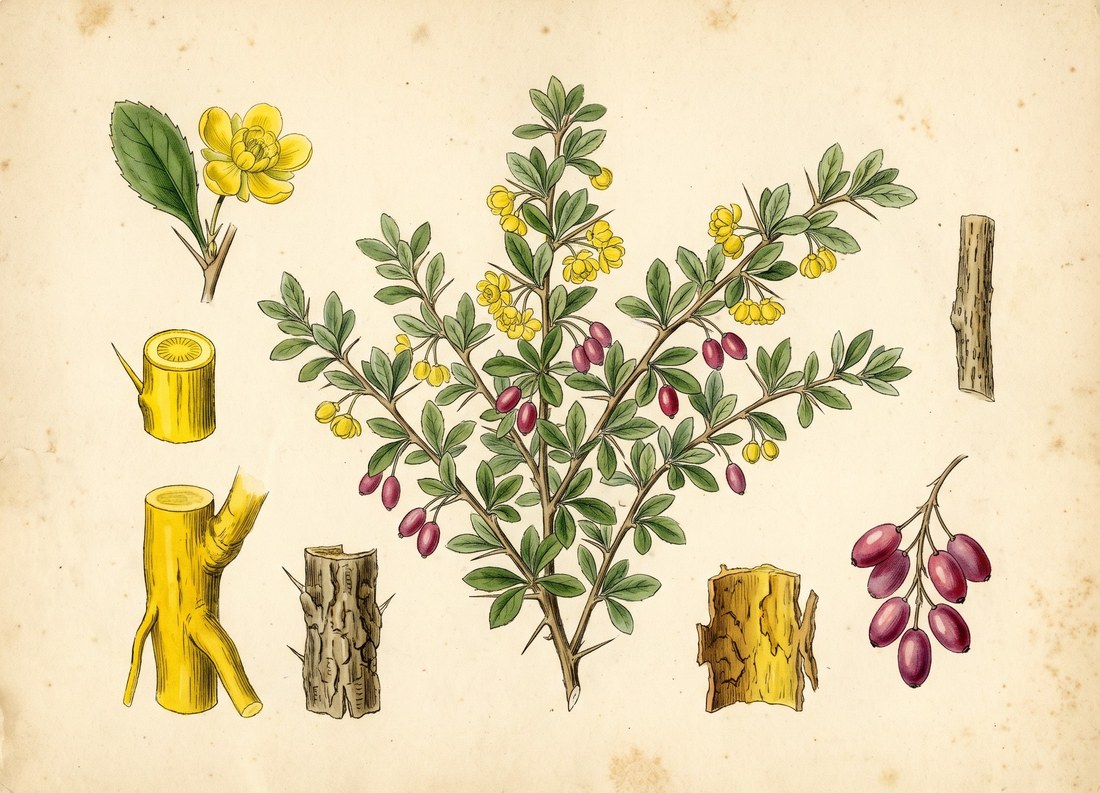 Indian barberryBerberis aristata
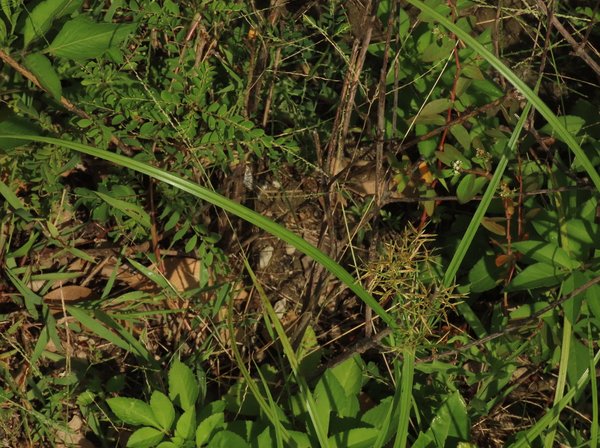 nut grassCyperus rotundus
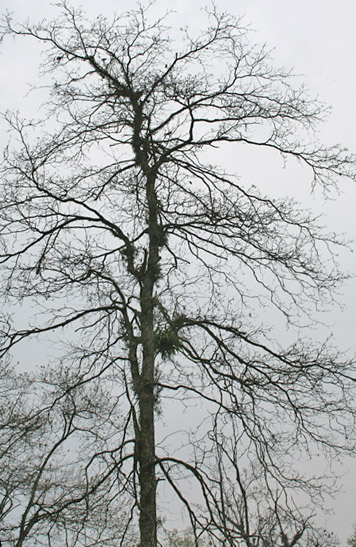 chebulic myrobalanTerminalia chebula
Nearby on the shelf
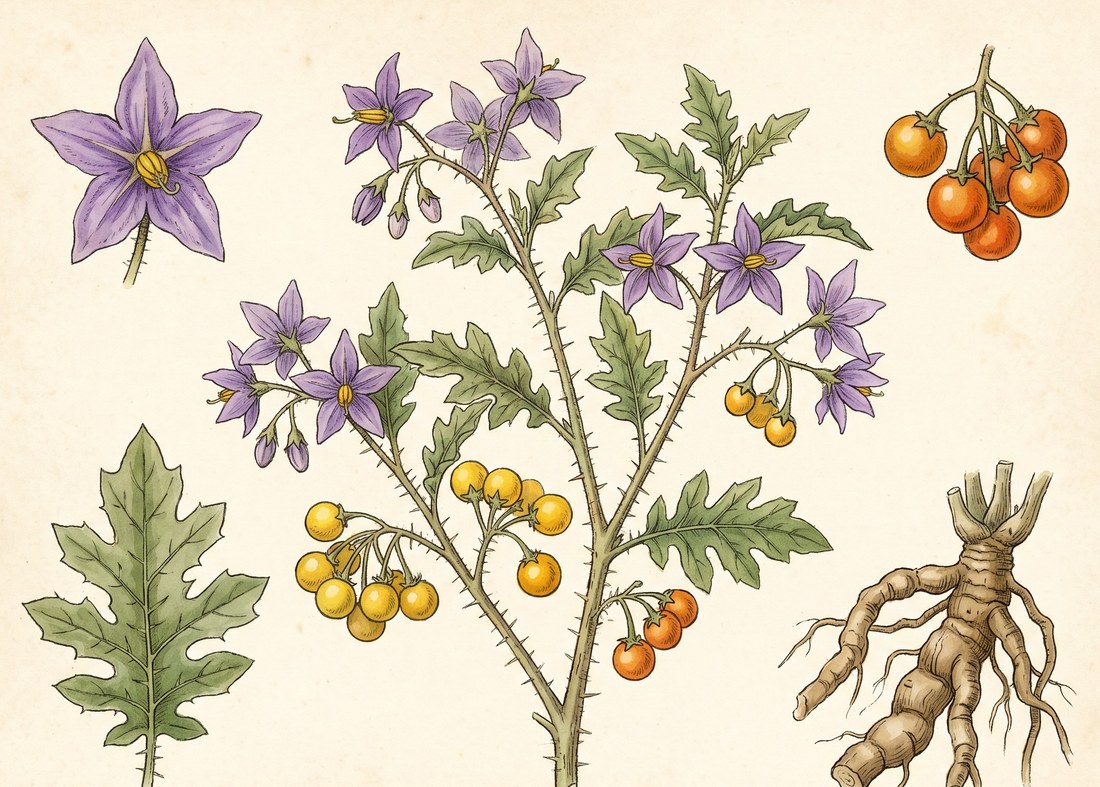 Indian nightshadeSolanum indicum
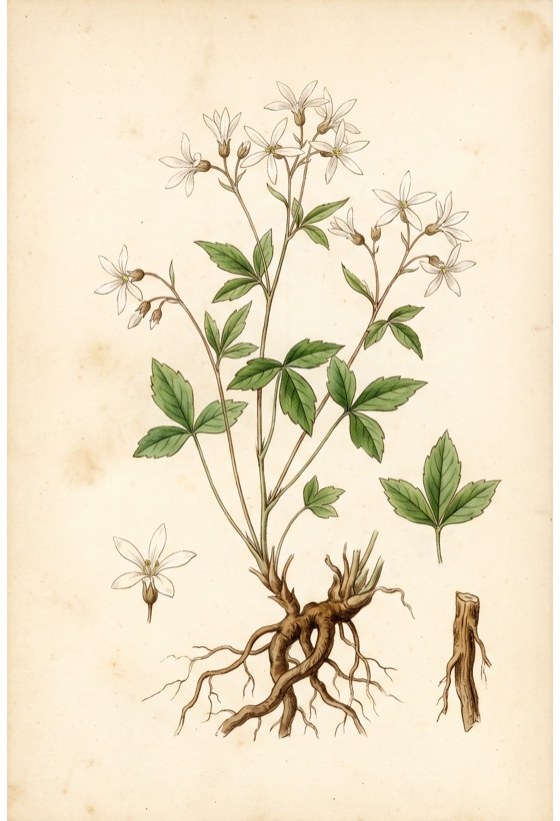 Indian PhysicGillenia
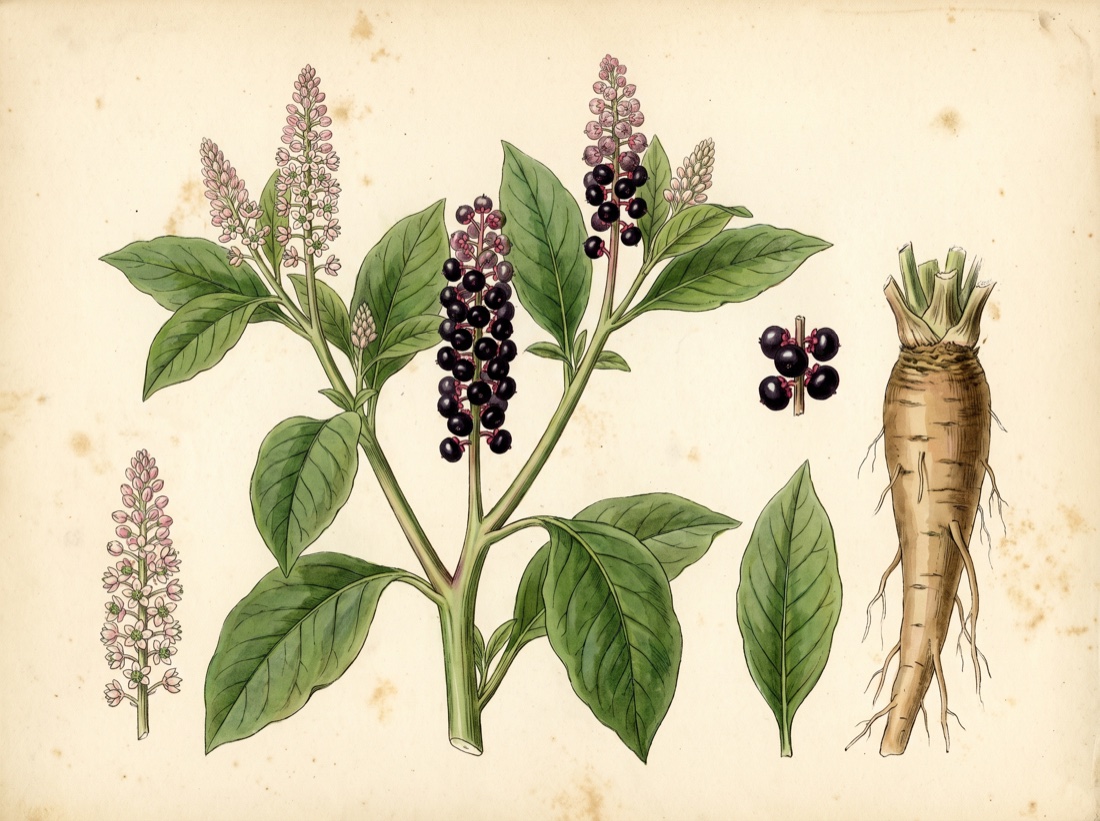 Indian pokeweedPhytolacca acinosa
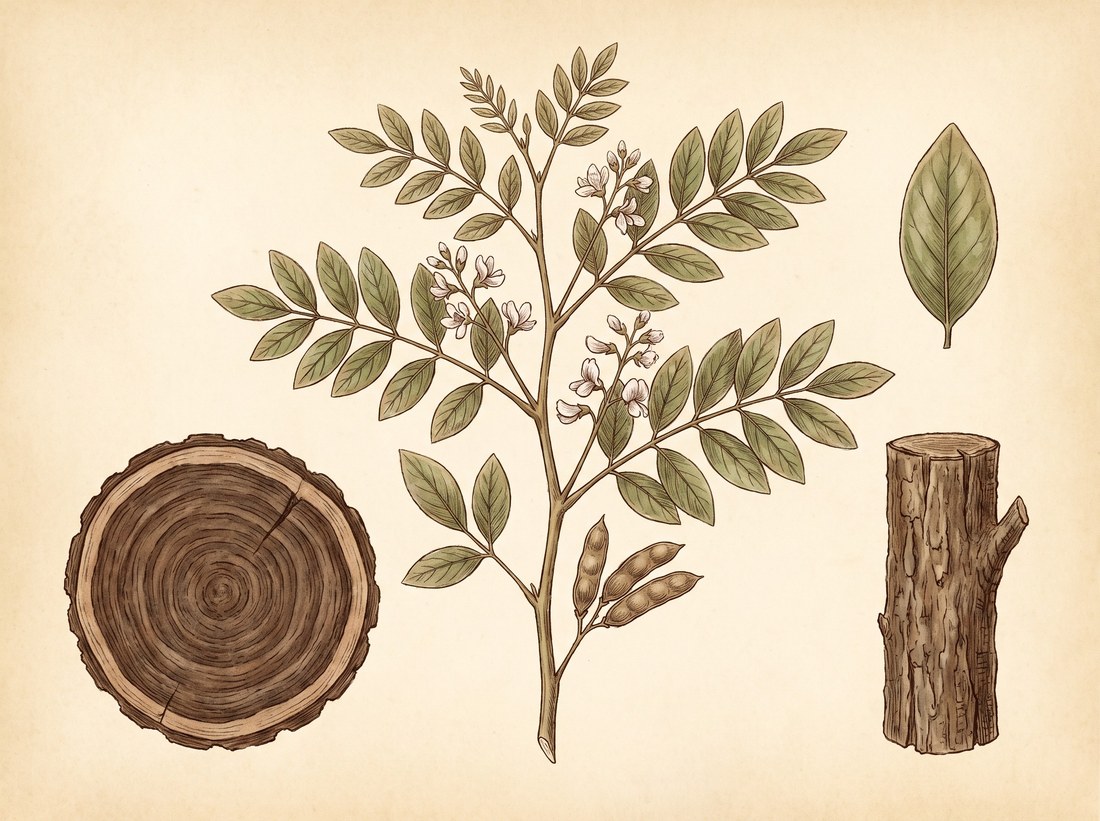 Indian rosewoodDalbergia sissoo
 Indian snakerootRauvolfia serpentina
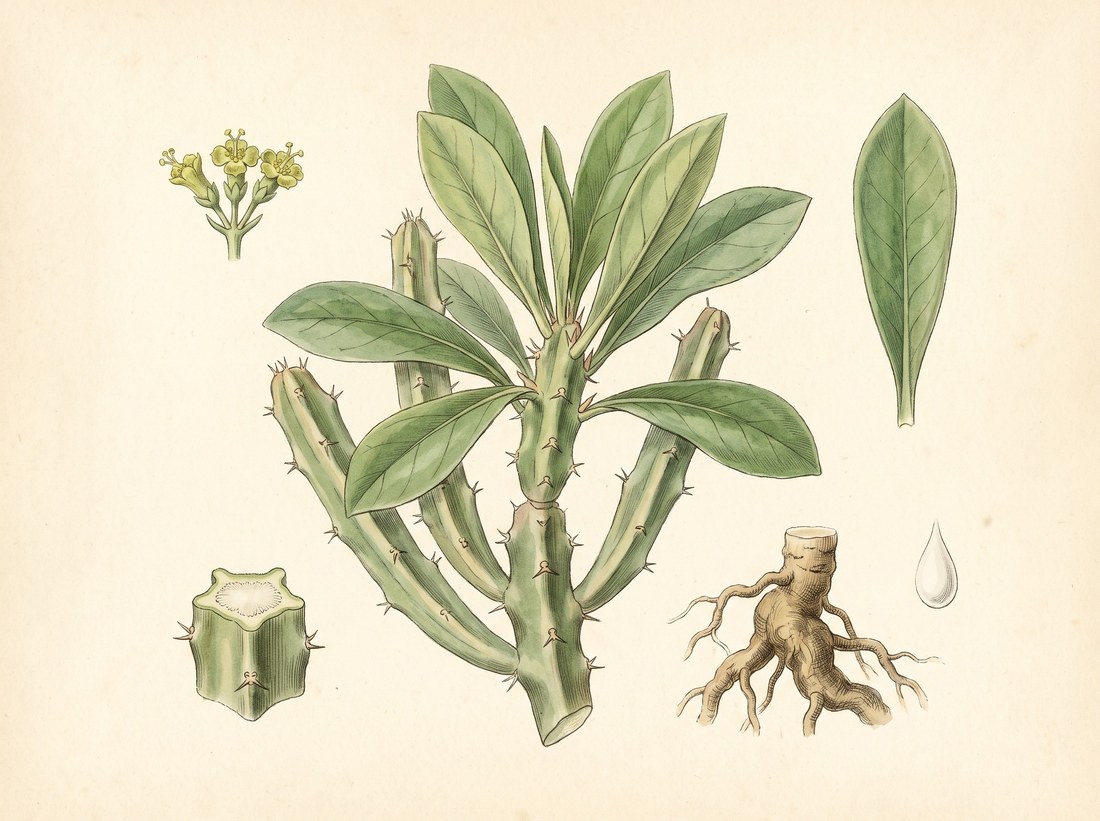 Indian spurge treeEuphorbia neriifolia
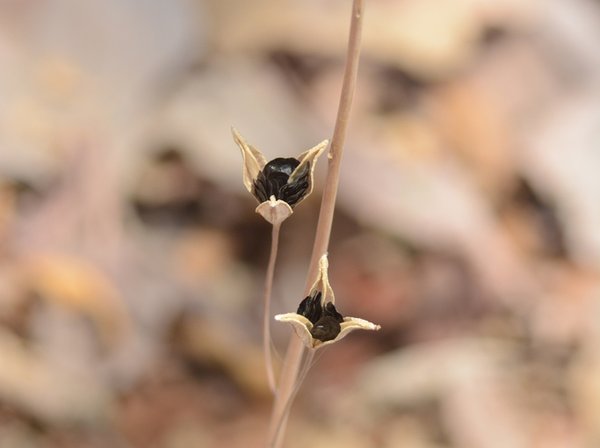 Indian SquillUrginea indica
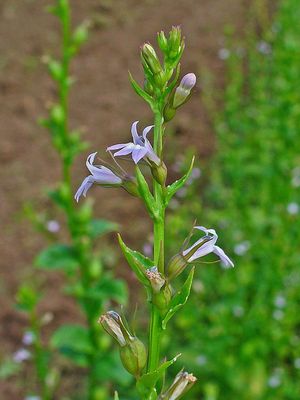 Indian tobaccoLobelia inflata
The whole plate is in the library. The compass, Compare, the Sky of eleven hundred plants and the formulary open with an email address and a password, free, with the formula builder and its safety engine. Herbert without limit, his formulating, clients, the handouts and the labels are the paid room.
Open the library, free