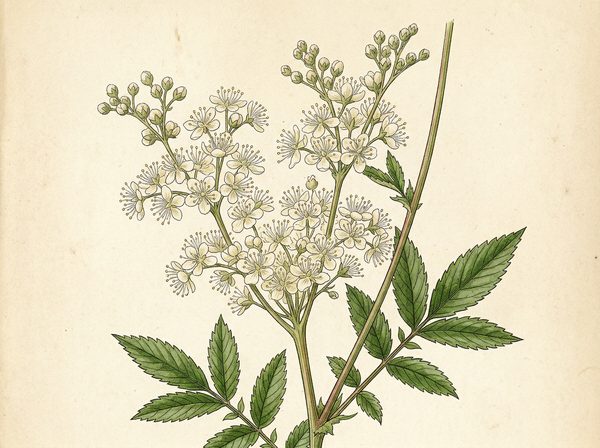
Western Herbalism
Meadowsweet
Filipendula ulmaria
Also known as Dropwort, Filipendula, Queen of the Meadow.
Traditional use only per HMPC (no well-established use) Not for children under 18 Duration limited (e.g., < 4 weeks for pain, < 7 days for cold) Contains salicylates but gentler on stomach than aspirin due to tannins Source of original salicylates for aspirin synthesis ESCOP

Ask Herbert about Meadowsweet. Herbert is the master herbalist inside Bountiful Herbs: he answers from this plate and eleven hundred others, with dosing, pairing and cautions. Your first ten questions are free.
Ask HerbertActions
Indications what the tradition reached for it in
- Heartburn
- Gout
- Supportive treatment of common cold
- Enhancement of renal elimination of water
- Peptic ulceration
- Osteoarthritis
- Rheumatic and muscular pain
- Abdominal cramps
- Hyperacidity
- Dyspepsia
- Toothache
- Chills
- Nausea
- Headache
- Urinary tract disorder
- Flu
- Diarrhea
- Relief of minor articular pain
- Gastritis
- Fever
- Indigestion
- Bleeding
- Edema
- Fluid retention
- Infection
- Inflammation
- Pain
- Urinary disorders
- Arthritis
- Digestive complaints
Safety
Pregnancy: Not safe. Not for use in pregnancy (our record's flag)
Pregnancy, our record's flag: Caution. Use with care in pregnancy (our record's flag)
Pregnancy, a modern clinical reference: In vitro utero-activity has been documented for meadowsweet; In view of the salicylate constituents and the lack of toxicity data, the use of meadowsweet during pregnancy and lactation should be avoided
Pregnancy, a modern clinical reference: Not recommended
Pregnancy, published rating: Caution. No increase in harm from limited human use, but animal studies show fetal damage of uncertain relevance (Mills & Bone B3)
Breastfeeding: Not safe. Not for use while breastfeeding (our record's flag)
Breastfeeding, a modern clinical reference: In view of the salicylate constituents and the lack of toxicity data, the use of meadowsweet during pregnancy and lactation should be avoided
Breastfeeding, published rating: Caution. Compatible with breastfeeding, with caution (Mills & Bone CC)
The record lists 4 contraindications; open the plate in the library to read them in full.
Dosing as the sources wrote it
| Preparation | As written | Metric |
|---|---|---|
| Tincture | Tincture (1:5, 45% ethanol | |
| 2-4 ml single, 6-12 ml daily) HMPC | ||
| Dried herb 4-6 g as an infusion three times daily | 4000-6000 mg | |
| Liquid extract 1.5-6.0 mL (1 : 1 in 25% alcohol) three times daily. Tincture 2-4 mL (1 : 5 in 45% alcohol) three times daily | ||
| · Fresh flowers: 2.5-3.5 g/day | 2500-3500 mg | |
| · Fresh herb: 4-5 g/day | 4000-5000 mg |
Doses are reproduced from the sources for practitioners and are not a recommendation for any person.
From the sources
Clinical Notes. Traditional use only per HMPC (no well-established use) Not for children under 18 Duration limited (e.g., < 4 weeks for pain, < 7 days for cold) Contains salicylates but gentler on stomach than aspirin due to tannins Source of original salicylates for aspirin synthesis ESCOP
primary-actions. Meadowsweet acts primarily as: Anti-inflammatory, Analgesic, Astringent. Secondary actions include Gastroprotective, Diuretic, Stomachic, Diaphoretic, Antimicrobial.
indications. Meadowsweet is traditionally indicated for: Heartburn, Gout, Supportive treatment of common cold, Enhancement of renal elimination of water, Peptic ulceration, Osteoarthritis, Rheumatic and muscular pain, Abdominal cramps, Hyperacidity, Dyspepsia, Toothache, Chills, Nausea, Headache, Urinary tract disorder, and 17 further conditions.
constituents. Notable constituents of Meadowsweet include: Flavonoids (spiraeoside, quercetin derivatives, hyperoside, kaempferol derivatives), Salicylate glycosides (< 0.5%), Hydrolysable tannins (rugosin D), Volatile oil (salicylaldehyde, methyl salicylate), Phenolic acids (gallic, p-coumaric, vanillic.
Nearby on the shelf
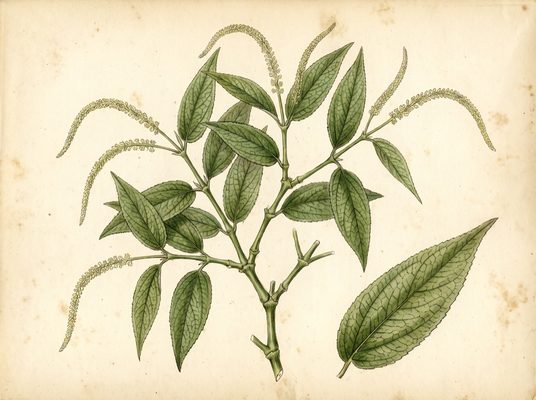 MaticoArtanthe elongata
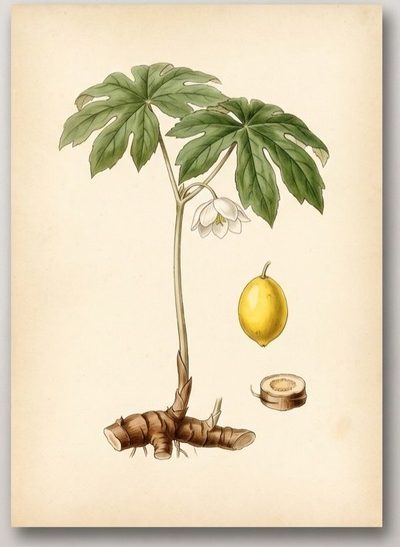 May applePodophyllum peltatum
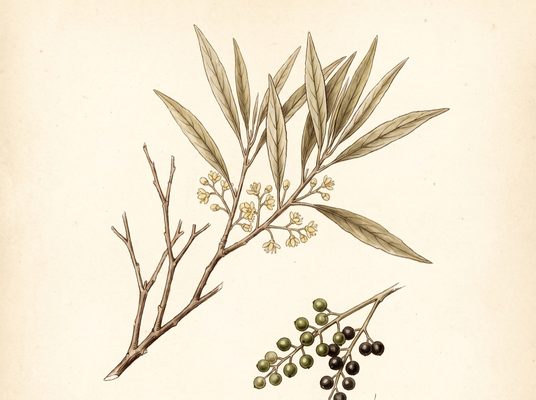 May changLitsea cubeba
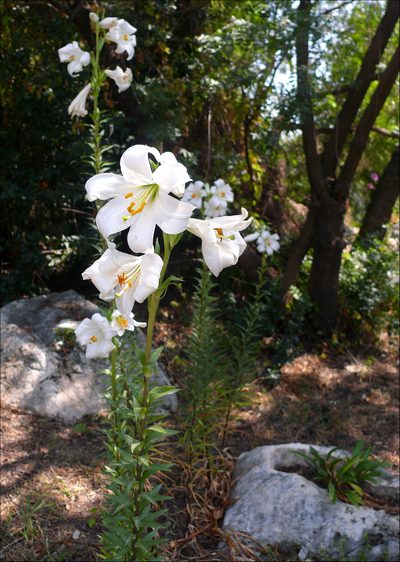 Meadow LilyLilium candidum
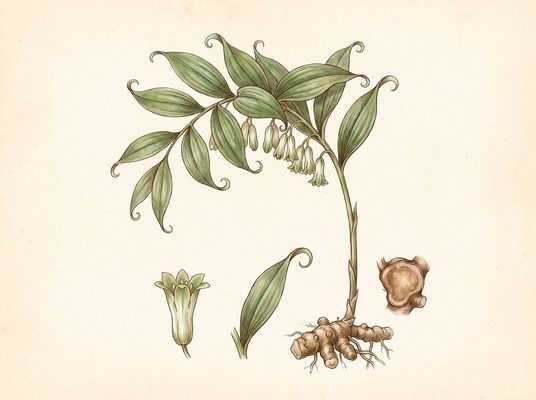 MedaPolygonatum cirrhifolium
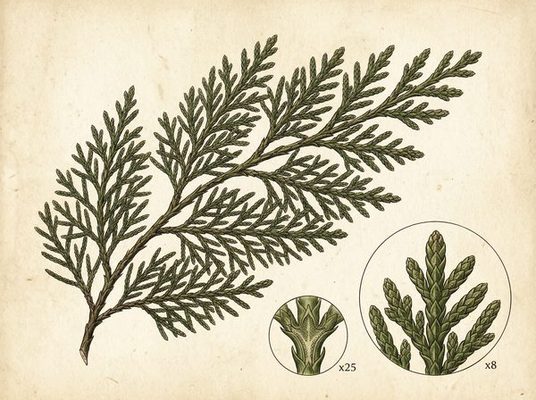 Mediterranean CypressCupressus sempervirens
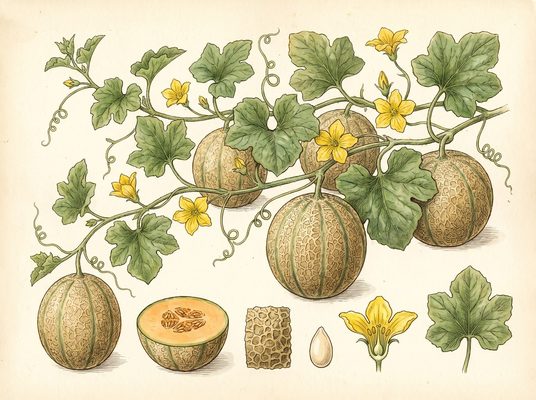 MelonCucumis melo
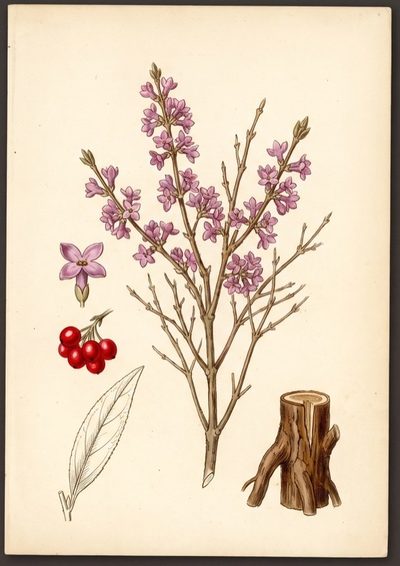 MezereumDaphne mezereum
The whole plate is in the library. The compass, Compare, the Sky of eleven hundred plants and the formulary open with an email address and a password, free, with the formula builder and its safety engine. Herbert in full, his formulating, clients, the handouts and the labels are the paid room.
Open the library, free