Western Herbalism
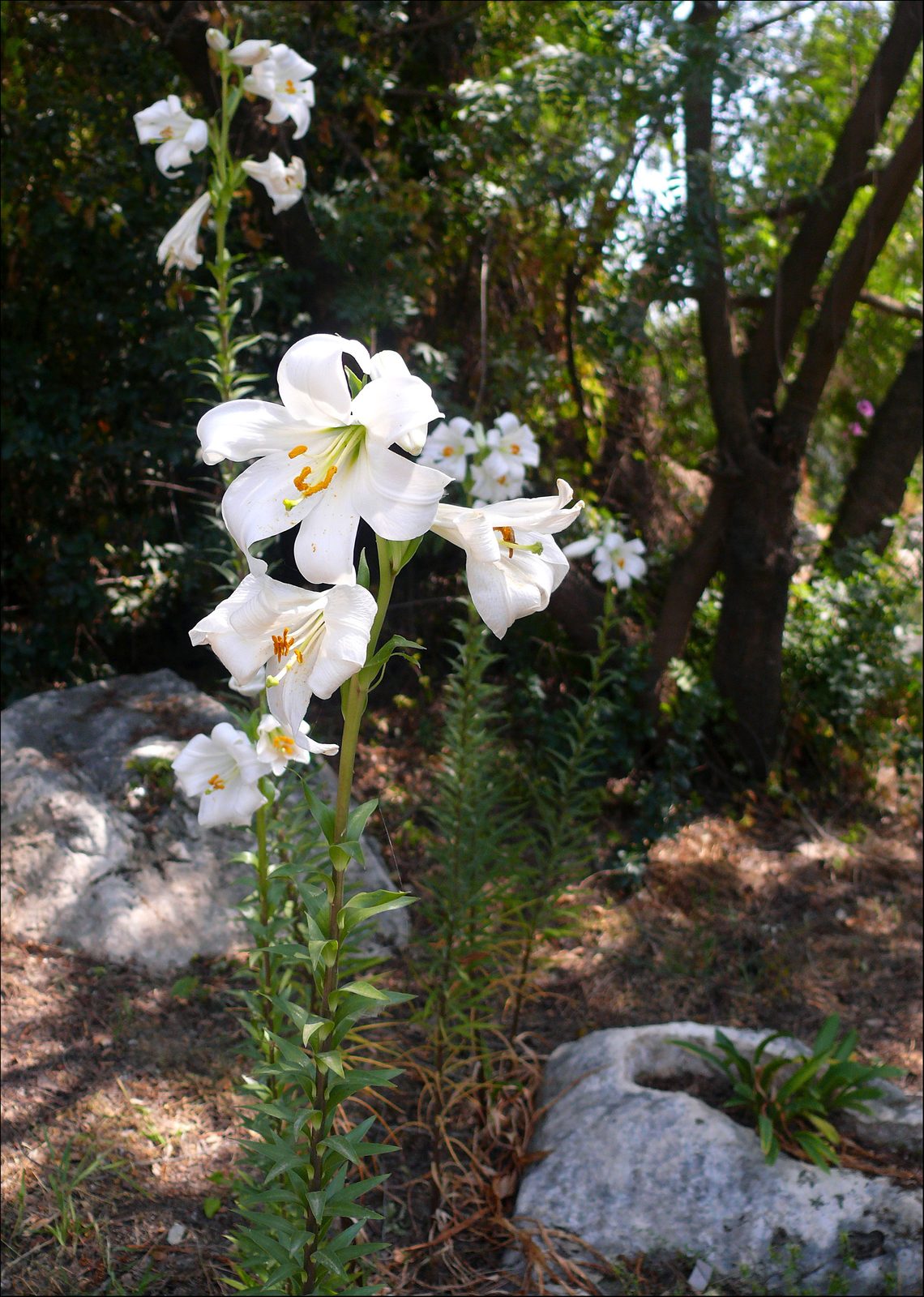
Meadow Lily
Lilium candidum
Also known as White lily.
Meadow lily, or white lily, as it is sometimes called, is mucilaginous, demulcent, tonic, and astringent. Useful in leucorrhoea and prolapsus uteri, the decoction taken internally and employed in injection; it is more decided in its effects when combined with senecio. Boiled in milk, it forms an excellent poultice for ulcers, external inflammations, tumors, etc. The recent root is stated to have been useful in dropsy. The flowers are very fragrant, which property they communicate to oily or fatty bodies, forming liniments or ointments useful to relieve the heat and pain attending local inflammations; oil obtained from the petals is reputed efficient in pains of the womb, and in otitis.

Ask Herbert about Meadow Lily. Herbert is the master herbalist inside Bountiful Herbs: he answers from this plate and eleven hundred others, with dosing, pairing and cautions. Your first ten questions are free.
Ask HerbertSafety
Pregnancy: Limited data. Insufficient safety data for use in pregnancy. No published safety rating was found; a natural medicines monograph says not enough is known and advises avoiding it, and a review of the genus notes that its toxicology has hardly been studied.
Breastfeeding: Limited data. Insufficient safety data for use while breastfeeding. No published safety rating was found, and a natural medicines monograph advises avoiding it because not enough is known.
From the sources
Action, Medical Uses, and Dosage. Meadow lily, or white lily, as it is sometimes called, is mucilaginous, demulcent, tonic, and astringent. Useful in leucorrhoea and prolapsus uteri, the decoction taken internally and employed in injection; it is more decided in its effects when combined with senecio. Boiled in milk, it forms an excellent poultice for ulcers, external inflammations, tumors, etc. The recent root is stated to have been useful in dropsy. The flowers are very fragrant, which property they communicate to oily or fatty bodies, forming liniments or ointments useful to relieve the heat and pain attending local inflammations; oil obtained from the petals is reputed efficient in pains of the womb, and in otitis.
History. This is an exotic, a native of Syria and Asia Minor, and is much cultivated in this country on account of its beautiful white flowers, which have long been regarded as the emblems of purity, and which appear in June and July. The bulb is the part used; it is inodorous, but has a mucilaginous, amarous, rather unpleasant taste. Mucilage enters largely into its constitution, together with a small quantity of an acrid substance, which disappears by heat. Water extracts its virtues.
Botanical Source. This plant has a perennial root or bulb, composed of imbricated fleshy scales, from which arises a thick stem 3 to 4 feet in height. The leaves are scattered, lanceolate, and narrowed at the base. The flowers are large, snow-white, campanulate, smooth inside, and borne in a terminal raceme (W.).
Related Species. Lilium tigrinum or Tiger lily. The tiger lily, so-called from the fact that the flowers are spotted after the manner of the skin of the tiger, is a native of Japan and China, but has been widely cultivated as a garden plant.
Drawn from King's American Dispensatory, 18th edition (Felter and Lloyd), and the Bountiful Herbs editorial.
Nearby on the shelf
 MasticPistacia lentiscus
 MaticoArtanthe elongata
 May applePodophyllum peltatum
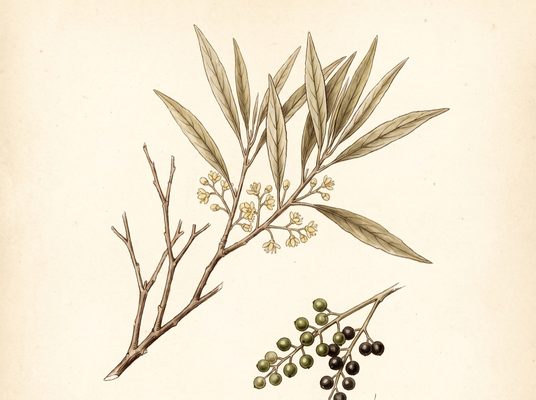 May changLitsea cubeba
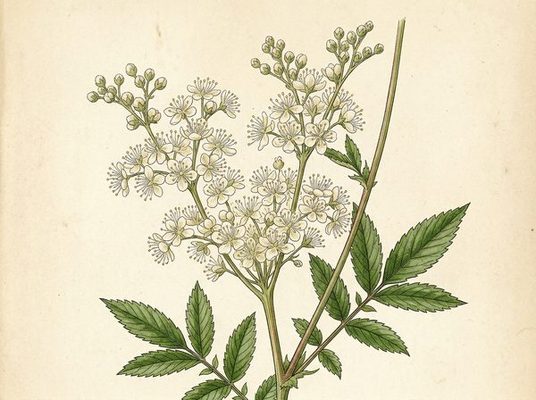 MeadowsweetFilipendula ulmaria
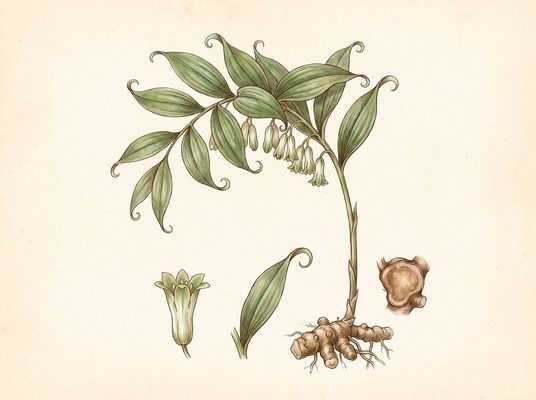 MedaPolygonatum cirrhifolium
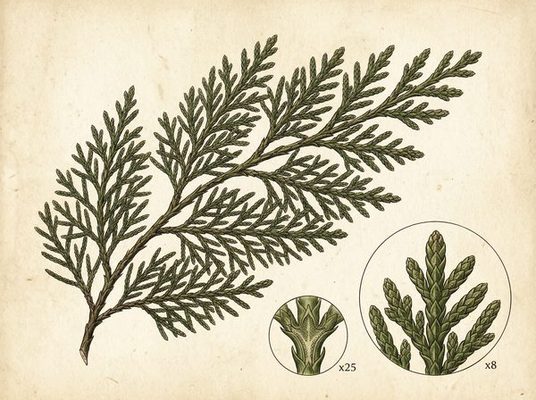 Mediterranean CypressCupressus sempervirens
 MelonCucumis melo
The whole plate is in the library. The compass, Compare, the Sky of eleven hundred plants and the formulary open with an email address and a password, free, with the formula builder and its safety engine. Herbert in full, his formulating, clients, the handouts and the labels are the paid room.
Open the library, free