Ayurvedic Herbalism
Lodh tree
Symplocos racemosa
Also known as lodhra, sapphire berry (related species), sweetleaf (family name), Lodhra, Rodhra, Tilvaka.
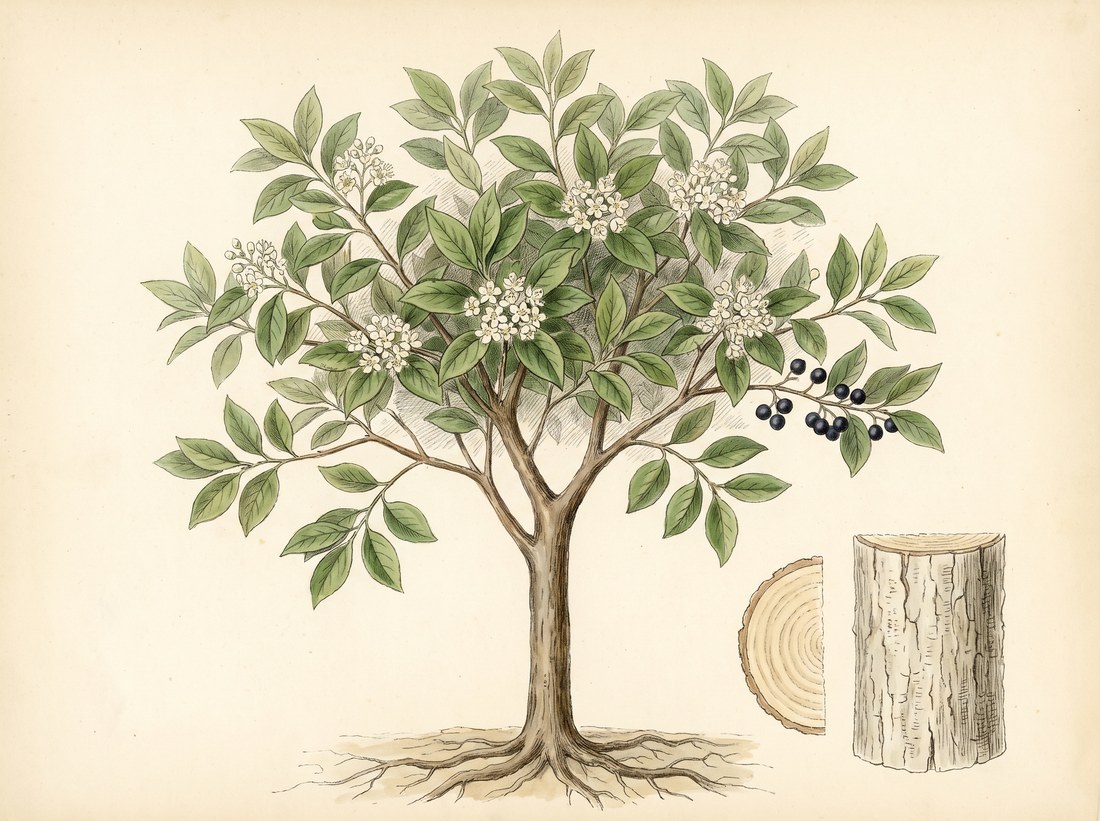
Symplocos racemosa is a small evergreen tree of the sub-Himalayan tract and the hills of northeast India, Bengal, Chota Nagpur and the Eastern Ghats, also found across to Burma. The bark, pale and finely fissured, is the drug Lodhra, one of the great astringents of Ayurveda and the plant named first in the classical group of drugs that arrest bleeding and discharge. It is above all a women's medicine, the anchor of formulas for menorrhagia and leukorrhea, and a cooling, drying agent for the skin and eyes.

Ask Herbert about Lodh tree. Herbert is the master herbalist inside Bountiful Herbs: he answers from this plate and eleven hundred others, with dosing, pairing and cautions. Your first ten questions are free.
Ask HerbertActions
Indications what the tradition reached for it in
- Heavy menstrual bleeding
- Leukorrhea and recurrent vaginal discharge
- Diarrhea and dysentery
- Bleeding hemorrhoids
- Pelvic inflammatory disease (adjunct)
- Acne and oily inflamed skin (topical)
- Conjunctivitis and sore eyes (wash)
- Gum bleeding and mouth ulcers (gargle)
- Weeping wounds and ulcers (topical)
- Polycystic ovary syndrome with irregular bleeding (traditional use)
- Postpartum discharge and uterine laxity
Specific indications
A woman with prolonged heavy periods, a pale face and tiredness, whose bleeding is bright and profuse rather than dark and clotted
Persistent thick white discharge with low back ache and a heavy, damp feeling, the kapha picture of shvetapradara
Oily, congested, inflamed skin with pustules across the cheeks and forehead in a pitta-kapha adolescent
Loose stools with mucus and low grade rectal bleeding after an infection has cleared
Safety
Pregnancy: No published safety class is known to us; the tradition has used Lodhra in pregnancy formulas for threatened miscarriage, but in the absence of data we avoid medicinal doses except under Ayurvedic supervision.
The record lists 5 contraindications; open the plate in the library to read them in full.
In practice
Lodhra is the herb an Ayurvedic practitioner reaches for when a discharge needs to be checked rather than moved: bleeding that is profuse and bright, leukorrhea that is thick and lingering, diarrhea that has outlasted its cause.
In Ayurveda
Rasa: kashaya (astringent), tikta (bitter). Virya: sheeta (cooling). Vipaka: katu (pungent). Guna: laghu (light), ruksha (dry). Dosha: pacifies kapha and pitta; may aggravate vata in excess because of its drying and binding quality. Karma: stambhana (arrests discharge and bleeding); grahi (binds and absorbs, antidiarrheal); raktastambhana (hemostatic); shothahara (reduces swelling); chakshushya (benefits the eyes); varnya (improves complexion); vranaropana (heals wounds); garbhashaya balya (tones the uterus); kaphapittahara (reduces kapha and pitta); jvarahara (reduces fever); vishaghna (counteracts poison). Classical indications: raktapradara (menorrhagia and metrorrhagia); shvetapradara (leukorrhea); atisara (diarrhea); raktatisara (bloody diarrhea); pravahika (dysentery); raktapitta (bleeding disorders); netraroga (eye disease, as a wash); vrana (wounds and ulcers); shotha (inflammatory swelling); jvara (fever); yonivyapad (disorders of the female genital tract); mukhadushika (acne, as a paste). The dried stem bark is the drug, given as churna with honey or rice water, as kwatha, in fermented Lodhrasava, as a fine paste (lepa) for acne and inflamed skin, and as a decoction for eye washes and vaginal douches. Classical formulations: Lodhrasava, Pushyanuga churna, Lodhradi kwatha, Lodhradi lepa, Brihat Gangadhara churna, Chandanasava, Nyagrodhadi churna, Kutajadi kwatha (regional versions). Described in: Charaka Samhita, Sushruta Samhita, Ashtanga Hridaya, Bhavaprakasha Nighantu, Dhanvantari Nighantu, Raja Nighantu, Kaiyadeva Nighantu, Ayurvedic Pharmacopoeia of India.
Dosing as the sources wrote it
| Preparation | As written | Metric |
|---|---|---|
| Churna | 3-6 g powdered bark twice daily with honey or rice water | 3000-6000 mg |
| Kwatha | 50-100 mL decoction twice daily | 50-100 mL |
| Asava | 12-24 mL twice daily after food | 12-24 mL |
| Lepa, topical | 5-10 g paste applied to the face or skin at night | 5000-10000 mg |
| Kwatha, wash | 50-100 mL cooled decoction as an eye wash or douche once daily | 50-100 mL |
Doses are reproduced from the sources for practitioners and are not a recommendation for any person.
From the sources
Overview. Symplocos racemosa is a small evergreen tree of the sub-Himalayan tract and the hills of northeast India, Bengal, Chota Nagpur and the Eastern Ghats, also found across to Burma. The bark, pale and finely fissured, is the drug Lodhra, one of the great astringents of Ayurveda and the plant named first in the classical group of drugs that arrest bleeding and discharge. It is above all a women's medicine, the anchor of formulas for menorrhagia and leukorrhea, and a cooling, drying agent for the skin and eyes.
Clinical Notes. Lodhra is the herb an Ayurvedic practitioner reaches for when a discharge needs to be checked rather than moved: bleeding that is profuse and bright, leukorrhea that is thick and lingering, diarrhea that has outlasted its cause.
Ayurvedic Profile. Rasa: kashaya (astringent), tikta (bitter). Virya: sheeta (cooling). Vipaka: katu (pungent). Guna: laghu (light), ruksha (dry). Dosha: pacifies kapha and pitta; may aggravate vata in excess because of its drying and binding quality.
In formulas
Lodh tree stands in 24 documented formulas in the library, among them Uśīrāsava, Kuṭajāriṣta, Candanāsava, Daśamūlāriṣṭa, Pippalyādyāsava, Mṛdvīkāriṣṭa.
Often paired with
 nut grassCyperus rotundus
 Indian gooseberryPhyllanthus emblica
 sandalwoodSantalum album
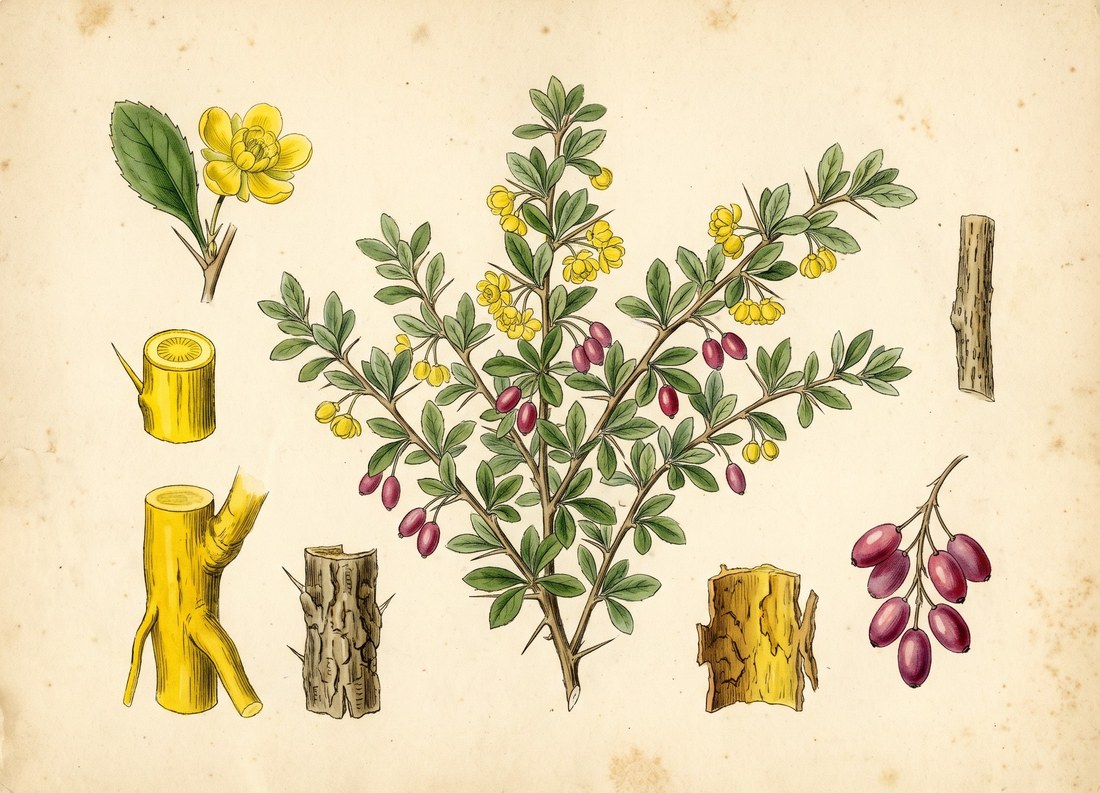 Indian barberryBerberis aristata
 chebulic myrobalanTerminalia chebula
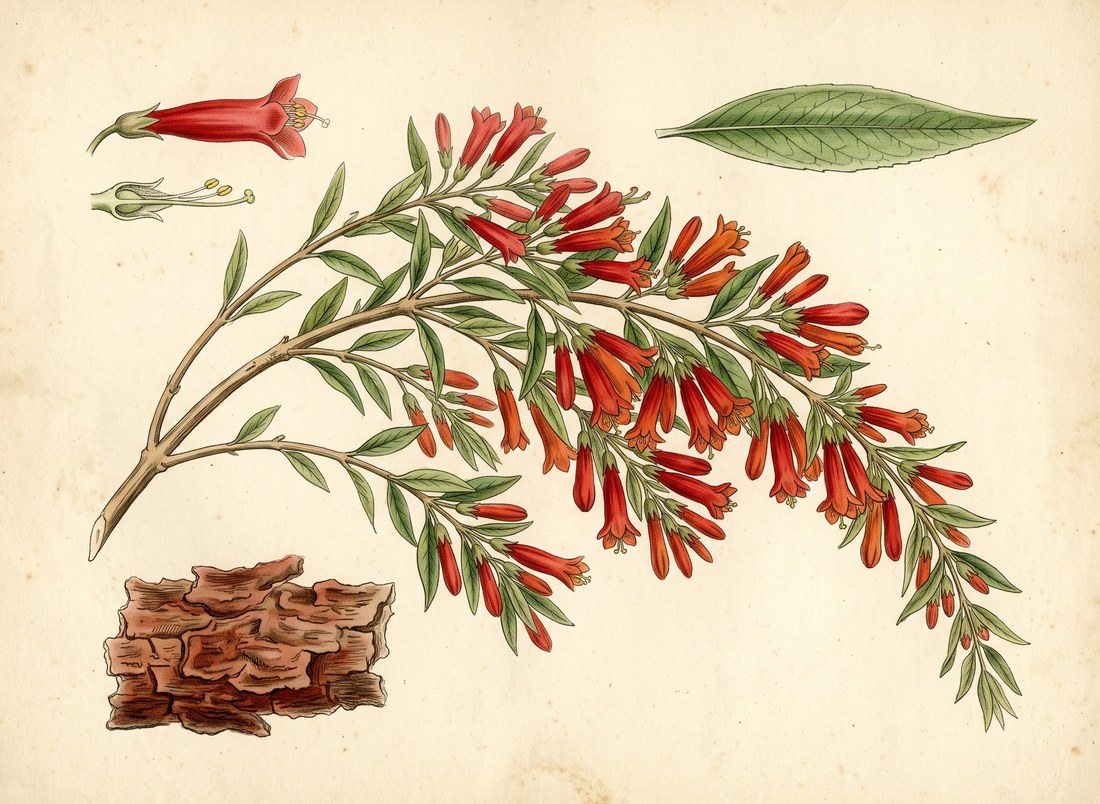 dhatakiWoodfordia fruticosa
Nearby on the shelf
 Liquidambar styracifluaLiquidambar styraciflua
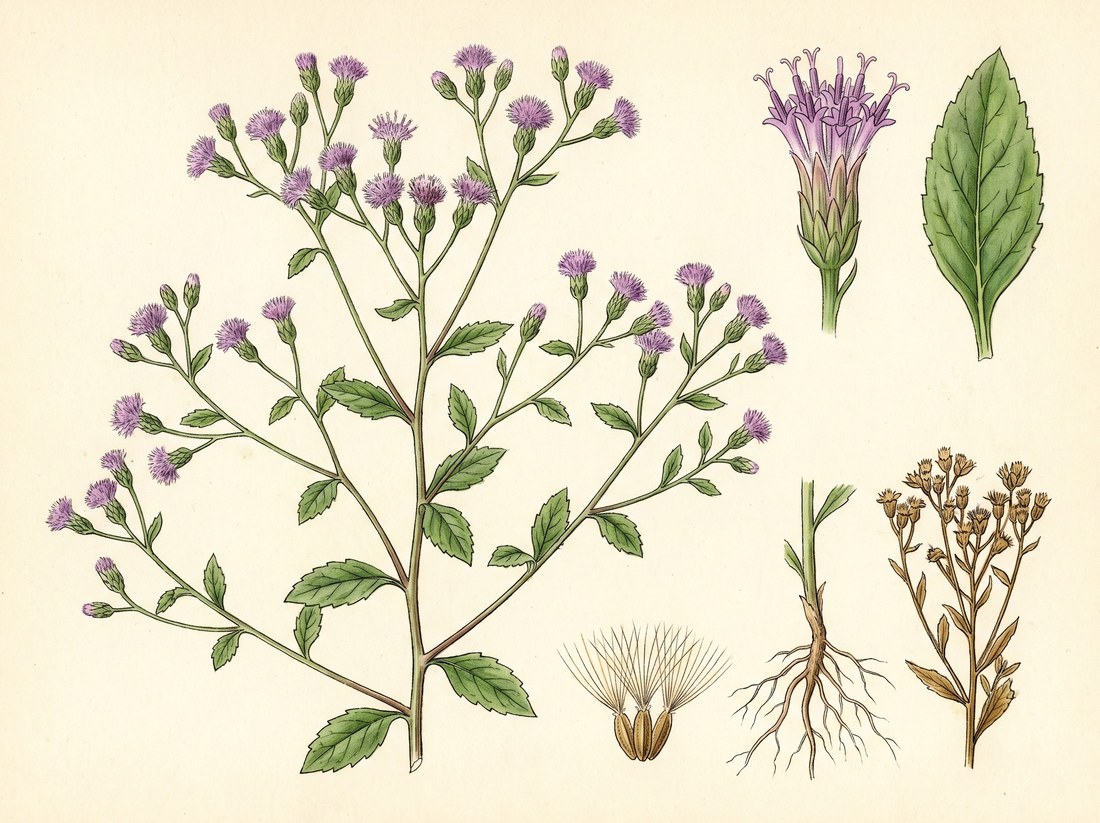 Little ironweedVernonia cinerea
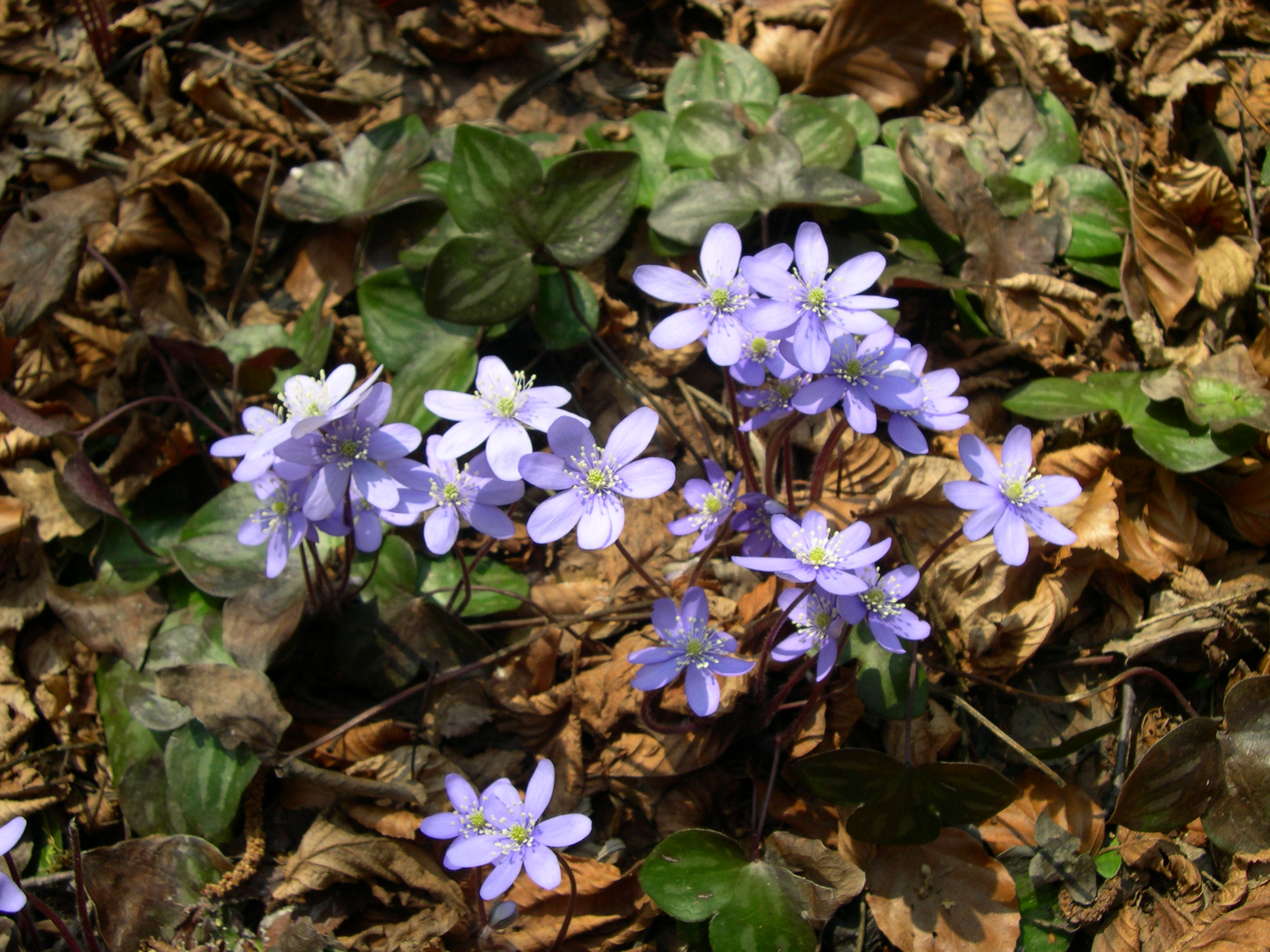 LiverleafHepatica
 LiverwortHepatica triloba
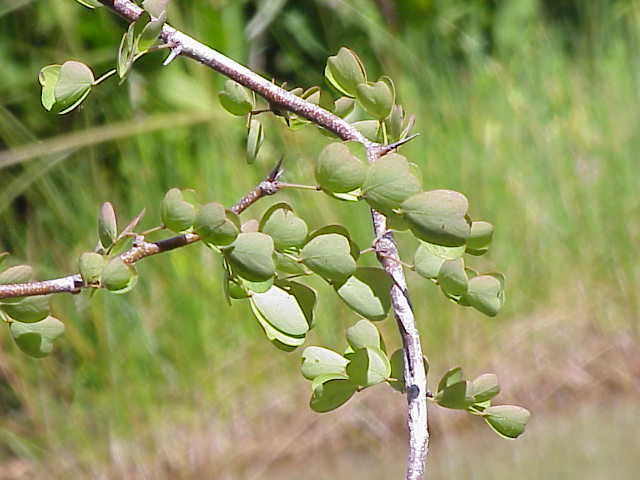 LogwoodHaematoxylon campechianum
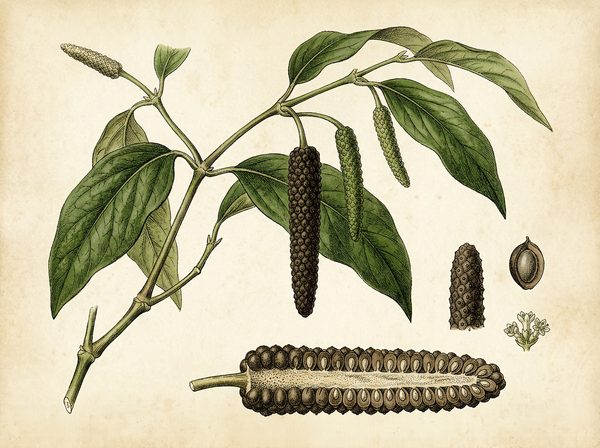 Long pepperPiper longum
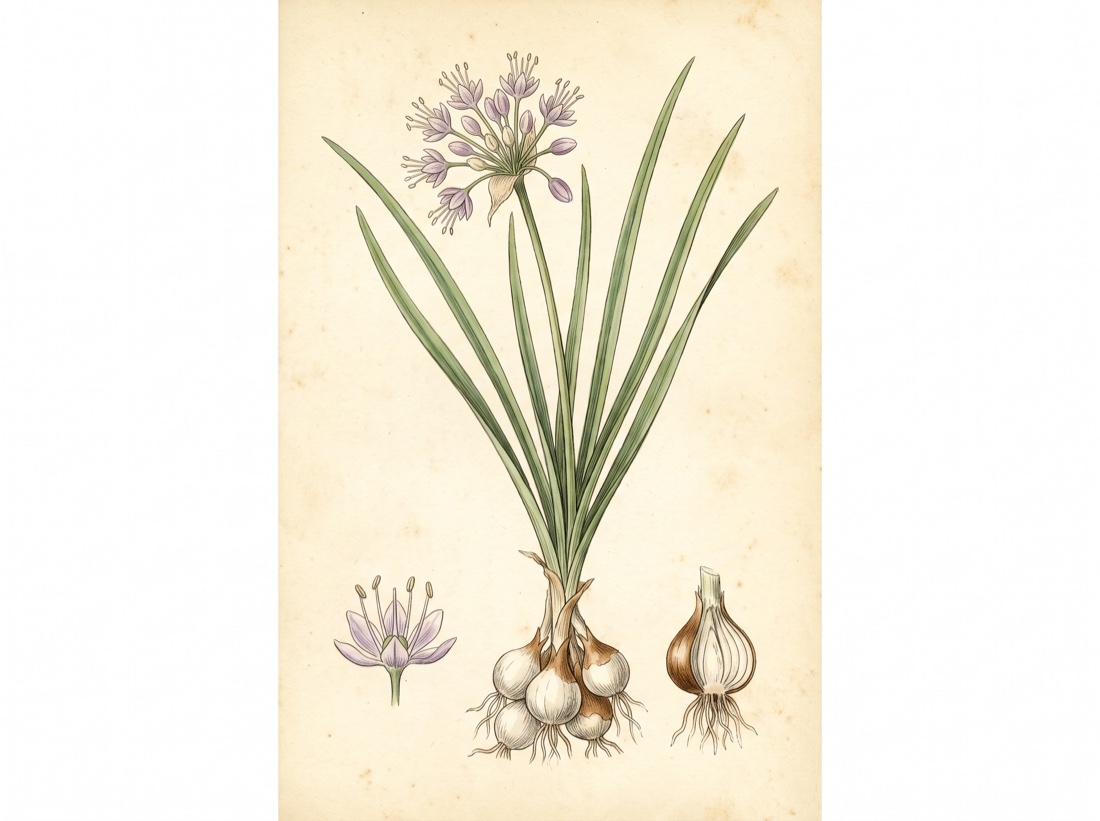 Long-stamen onionAllium macrostemon
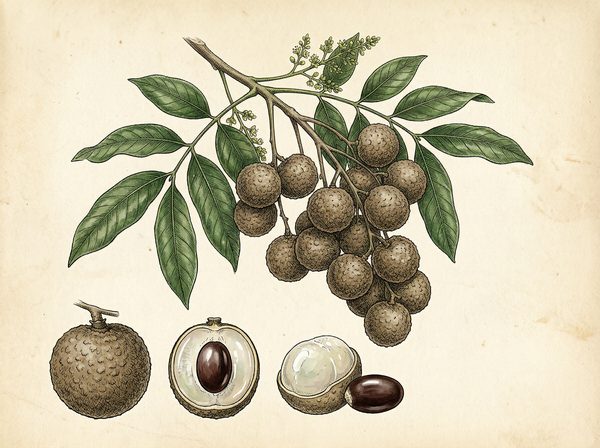 LonganDimocarpus longan
The whole plate is in the library. The compass, Compare, the Sky of eleven hundred plants and the formulary open with an email address and a password, free, with the formula builder and its safety engine. Herbert without limit, his formulating, clients, the handouts and the labels are the paid room.
Open the library, free