Western Herbalism
Liverwort
Hepatica triloba
Also known as Liver leaf, Noble liverwort, Herb trinity, Kidneywort (regional, potentially confusing), Liverleaf, Roundlobe hepatica, Mouse ear.
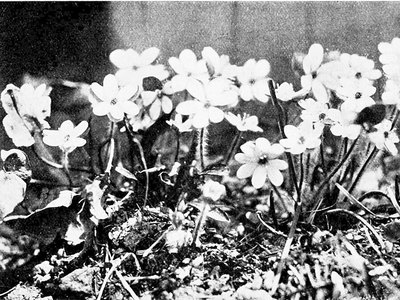
Hepatica is a small, low-growing woodland perennial of the buttercup family, native to hillsides and shaded slopes across temperate North America and Europe, flowering in earliest spring before the leaves fully unfurl. The dried leaf was used in nineteenth century American physiomedical and eclectic practice as a gentle demulcent and astringent for chronic coughs and mild liver complaints. It never held a major place in the materia medica and was regarded by careful writers of its own tradition as a mild remedy whose reputation had outrun its actual power.

Ask Herbert about Liverwort. Herbert is the master herbalist inside Bountiful Herbs: he answers from this plate and eleven hundred others, with dosing, pairing and cautions. Your first ten questions are free.
Ask HerbertActions
Indications what the tradition reached for it in
- Chronic cough
- Bronchial catarrh
- Mild hemoptysis
- Liver congestion
- Sluggish digestion
- Loose stools
- Sore throat
- Minor wounds and skin irritation (topical)
- Sluggish digestion with mild hepatic congestion
- Chronic bronchial catarrh with loose cough
- Mild atonic dyspepsia
- Low-grade jaundice associated with hepatic torpor
- Chronic diarrhea with atonic bowel
- Minor hepatic complaints in convalescence
- Chronic skin eruptions such as tetters and ringworm (topical wash)
- General debility with poor appetite
Specific indications
A lingering, dry, irritant cough with occasional streaks of blood in the sputum, in a person of otherwise mild, non-inflammatory constitution
A sense of dull liver congestion or sluggishness with no marked heat or acute inflammation, calling for a gentle rather than a stimulating hepatic
Safety
Low dose botanical. Used in drop doses in the classical practice; not a plant to dose freely.
Pregnancy: Avoid in pregnancy: safety data are essentially absent and other Ranunculaceae members are traditionally regarded as uterine stimulants, so a cautious position is warranted.
Breastfeeding: Avoid in lactation given the complete absence of safety data.
The record lists 4 contraindications; open the plate in the library to read them in full.
In practice
Hepatica was reached for in cases where a soothing, only lightly astringent pectoral was wanted, particularly persistent coughs with scant blood-streaked mucus, in patients whose overall picture was mild rather than hot or acutely inflamed.
Dosing as the sources wrote it
| Preparation | As written | Metric |
|---|---|---|
| Decoction (dried leaf) | 15-30 g dried leaf per 1 liter water, reduced by half, taken freely through the day | 15000-30000 mg |
| Syrup (combined with other pectorals) | 5-10 mL of a compound syrup, two to three times daily | 5-10 mL |
| Tincture, fresh leaf (1:5, proof spirit/45%) | 0.3-2 mL three times daily | 0.3-2 mL |
| Infusion, dried leaf | 1-2 g dried leaf as infusion, once or twice daily | 1000-2000 mg |
Doses are reproduced from the sources for practitioners and are not a recommendation for any person.
From the sources
Overview. Hepatica is a small, low-growing woodland perennial of the buttercup family, native to hillsides and shaded slopes across temperate North America and Europe, flowering in earliest spring before the leaves fully unfurl. The dried leaf was used in nineteenth century American physiomedical and eclectic practice as a gentle demulcent and astringent for chronic coughs and mild liver complaints. It never held a major place in the materia medica and was regarded by careful writers of its own tradition as a mild remedy whose reputation had outrun its actual power.
Overview. Hepatica americana, commonly called liverleaf, is a small, early-flowering woodland perennial of the buttercup family native to eastern North America, where it grows in rich, shaded deciduous forest. The trilobed, liver-shaped evergreen leaves gave the plant its old name and its traditional association with hepatic complaints under the doctrine of signatures. Eclectic physicians of the nineteenth century used a fresh-leaf tincture as a mild stomachic and hepatic remedy, a use inherited in part from earlier European herbals on the related Hepatica nobilis.
Clinical Notes. Hepatica was reached for in cases where a soothing, only lightly astringent pectoral was wanted, particularly persistent coughs with scant blood-streaked mucus, in patients whose overall picture was mild rather than hot or acutely inflamed.
Clinical Notes. Liverleaf is a gentle remedy rather than a dramatic one. It was reached for in cases of sluggish digestion with a sense of hepatic fullness or mild jaundice where the picture was one of torpor rather than inflammation or obstruction, and where a slow, supportive approach was wanted over weeks rather than a single strong dose.
Drawn from Cook's Physio-Medical Dispensatory; Scudder's Specific Medication and Specific Medicines, and the Bountiful Herbs editorial.
Nearby on the shelf
 LippiaLippia mexicana
 Liquidambar styracifluaLiquidambar styraciflua
 Little ironweedVernonia cinerea
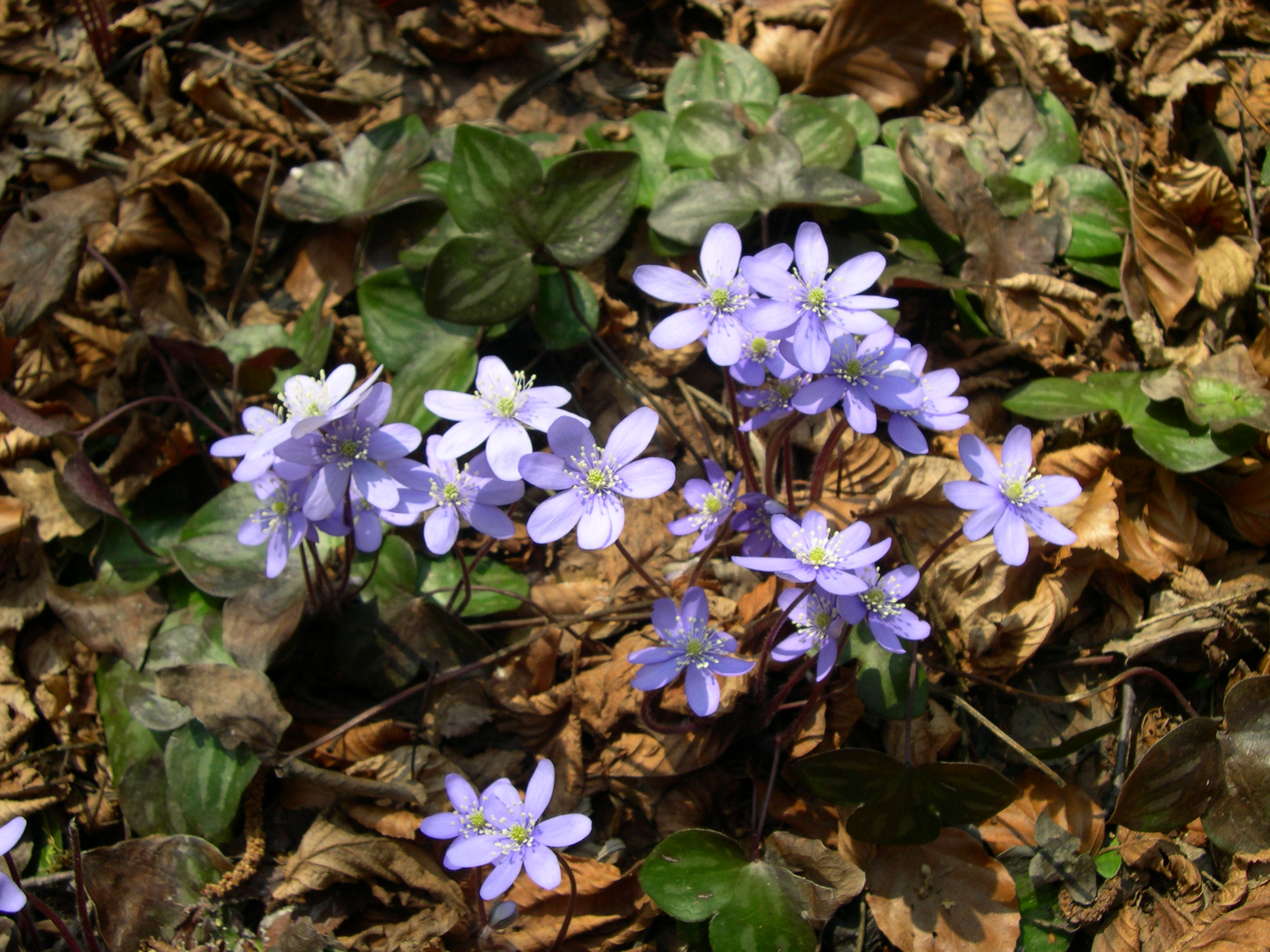 LiverleafHepatica
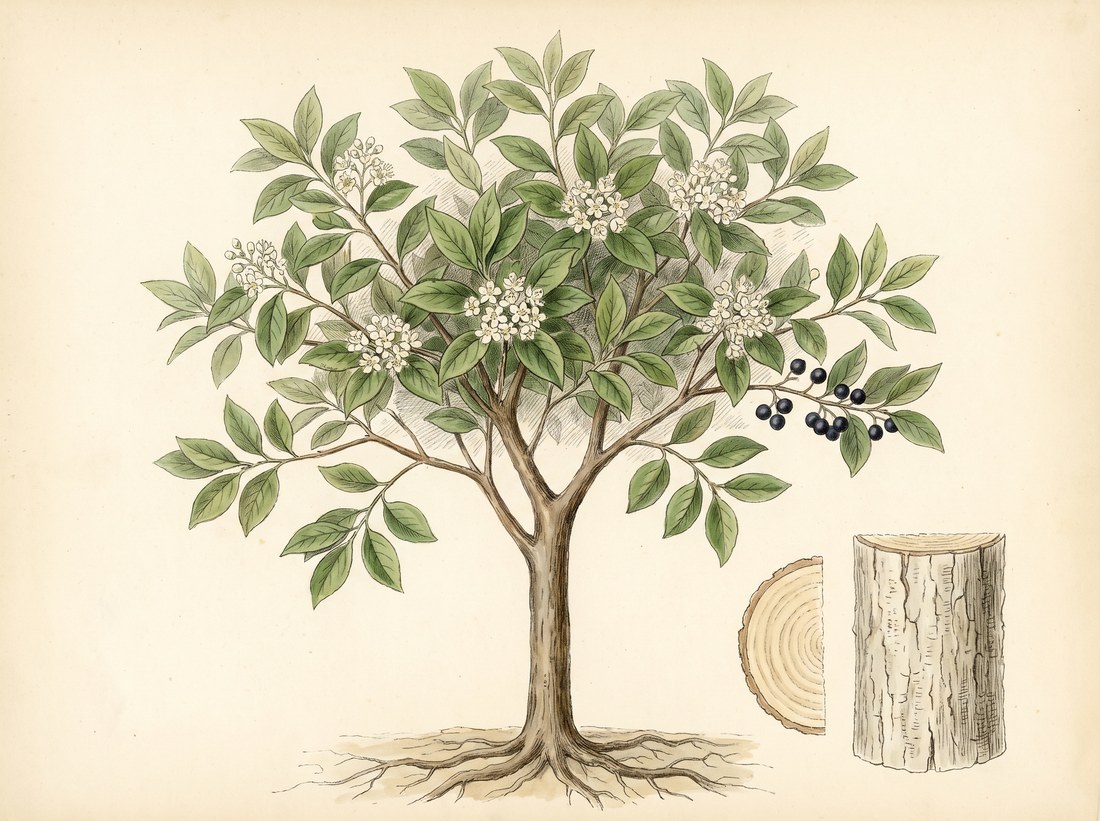 Lodh treeSymplocos racemosa
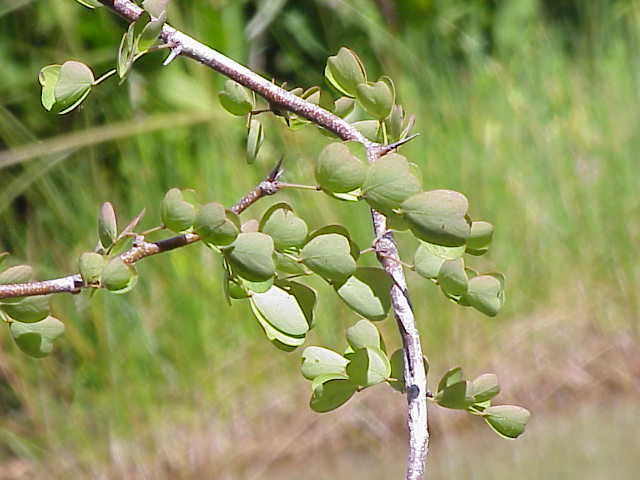 LogwoodHaematoxylon campechianum
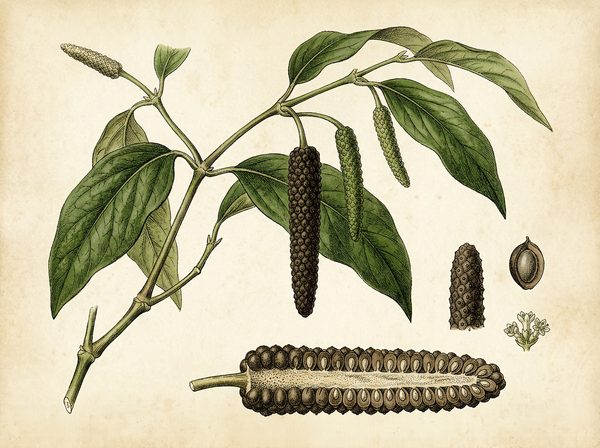 Long pepperPiper longum
 Long-stamen onionAllium macrostemon
The whole plate is in the library. The compass, Compare, the Sky of eleven hundred plants and the formulary open with an email address and a password, free, with the formula builder and its safety engine. Herbert without limit, his formulating, clients, the handouts and the labels are the paid room.
Open the library, free