Western Herbalism
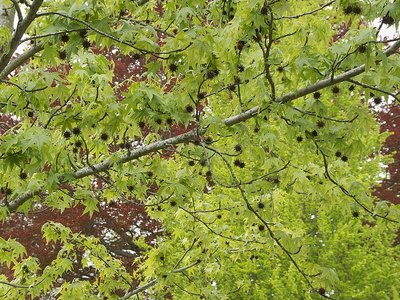
Liquidambar styraciflua
Liquidambar styraciflua
Also known as Sweet gum, Styrax, (Tree) Sweet-gum, tree, Bilsted, Copalm; (Gum) Sweet-gum, Gum wax, Sweetgum.
Liquidambar styraciflua, the sweetgum, is a large deciduous tree native to the southeastern and eastern United States and extending into Mexico and Central America, known for its star-shaped leaves, spiky seed balls, and fragrant balsamic resin. The resin, exuded from wounds in the bark and historically traded as American storax, along with the fresh inner bark, were the parts used medicinally. Nineteenth-century American Eclectic physicians took an interest in it as a domestic substitute for imported storax, using it chiefly for chronic respiratory catarrh and, topically, for parasitic and inflammatory skin conditions.

Ask Herbert about Liquidambar styraciflua. Herbert is the master herbalist inside Bountiful Herbs: he answers from this plate and eleven hundred others, with dosing, pairing and cautions. Your first ten questions are free.
Ask HerbertActions
Indications what the tradition reached for it in
- Chronic bronchitis
- Respiratory catarrh with thick mucus
- Unproductive or irritative cough
- Scabies (topical)
- Ringworm and other superficial fungal skin infections (topical)
- Minor wounds and slow-healing skin ulcers
- Mild diarrhea (astringent bark)
- Sore throat, as a gargle
- Insect bites and minor skin irritation (topical)
- Asthma (historical use, poorly substantiated)
- Chronic bronchitis with copious mucus
- Catarrh of the upper respiratory tract
- Sluggish, weeping wounds and ulcers
- Scabies and other parasitic skin conditions
- Diarrhea with relaxed bowel tone
- Sore throat and laryngeal irritation
- Ringworm and other superficial fungal skin infections
- Chronic skin eruptions with discharge
Safety
Pregnancy: Avoid in pregnancy, as safety data are lacking.
Breastfeeding: Avoid in lactation, as safety data are lacking.
Dosing as the sources wrote it
| Preparation | As written | Metric |
|---|---|---|
| The dose of the resin is from three to ten grains, three times a day | 194-648 mg | |
| Dose, 1 to 15 grains. | 64.8-972 mg | |
| The dose internally is from 10 to 20 grains (J. | 648-1296 mg | |
| Tincture, fresh bark (1:5, 65% alcohol) | 1-3 mL three times daily | 1-3 mL |
| Bark decoction | 2-4 g dried bark daily in decoction | 2000-4000 mg |
| Storax resin, topical | apply as a 10-20% ointment or diluted tincture to affected skin twice daily |
Doses are reproduced from the sources for practitioners and are not a recommendation for any person.
From the sources
Overview. Liquidambar styraciflua, the sweetgum, is a large deciduous tree native to the southeastern and eastern United States and extending into Mexico and Central America, known for its star-shaped leaves, spiky seed balls, and fragrant balsamic resin. The resin, exuded from wounds in the bark and historically traded as American storax, along with the fresh inner bark, were the parts used medicinally. Nineteenth-century American Eclectic physicians took an interest in it as a domestic substitute for imported storax, using it chiefly for chronic respiratory catarrh and, topically, for parasitic and inflammatory skin conditions.
Overview. Sweet gum is a large deciduous tree native to the eastern and southeastern United States, extending into Mexico and Central America, recognized by its star-shaped leaves and distinctive spiky seed balls. The wounded bark exudes a fragrant, amber-colored balsamic resin known as American storax, which has long been collected as a substitute for the true storax of Liquidambar orientalis. In the physiomedicalist tradition it was classed among the stimulating, balsamic expectorants, valued for its warming, drying action on relaxed mucous tissue.
Clinical Notes. Practitioners reached for sweetgum resin or a tincture of the fresh bark in cases of chronic bronchial catarrh with copious, thick mucus, where a warming, balsamic expectorant was wanted to loosen secretions and soothe irritated mucous membranes.
Clinical Notes. The resin is the part most often used clinically, applied topically as a dressing for slow-healing wounds, weeping eczema, and parasitic skin conditions such as scabies, where its mild antiseptic and astringent qualities help dry and close the lesion.
Drawn from Cook's Physio-Medical Dispensatory; Scudder's Specific Medication and Specific Medicines; King's American Dispensatory, 18th edition (Felter and Lloyd); Felter's Eclectic Materia Medica, Pharmacology and Therapeutics, and the Bountiful Herbs editorial.
In formulas
Liquidambar styraciflua stands in 4 documented formulas in the library, among them sù hé xiàng wán.
Often paired with
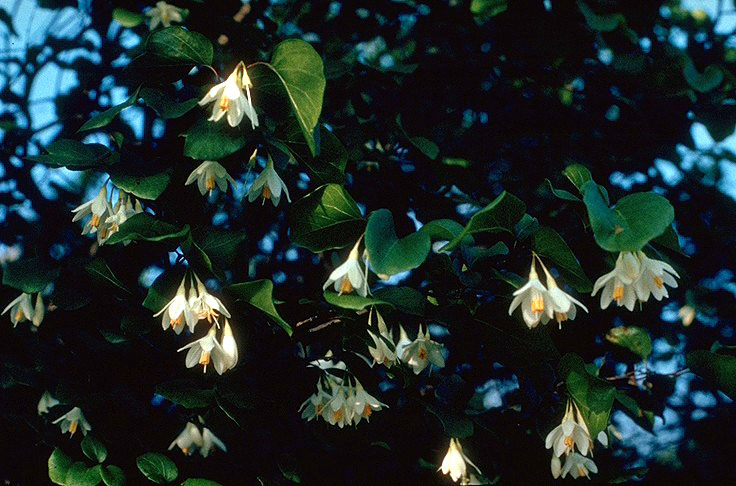 StoraxStyrax officinale
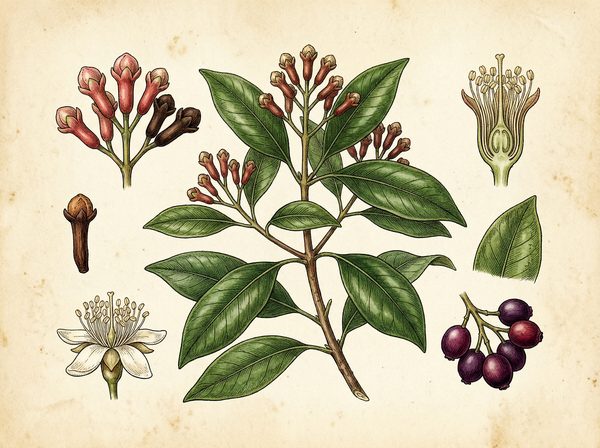 cloveSyzygium aromaticum
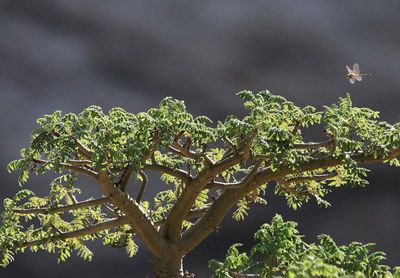 FrankincenseBoswellia spp.
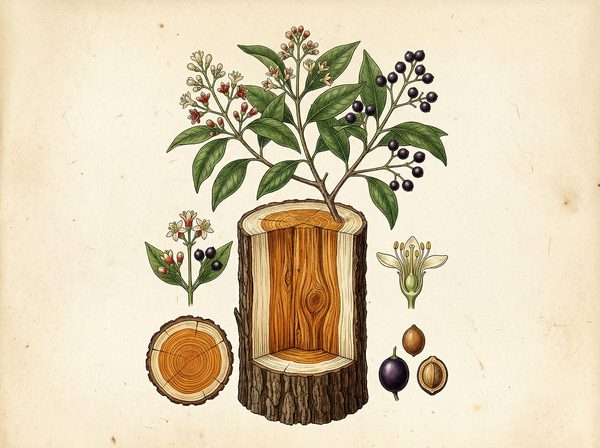 sandalwoodSantalum album
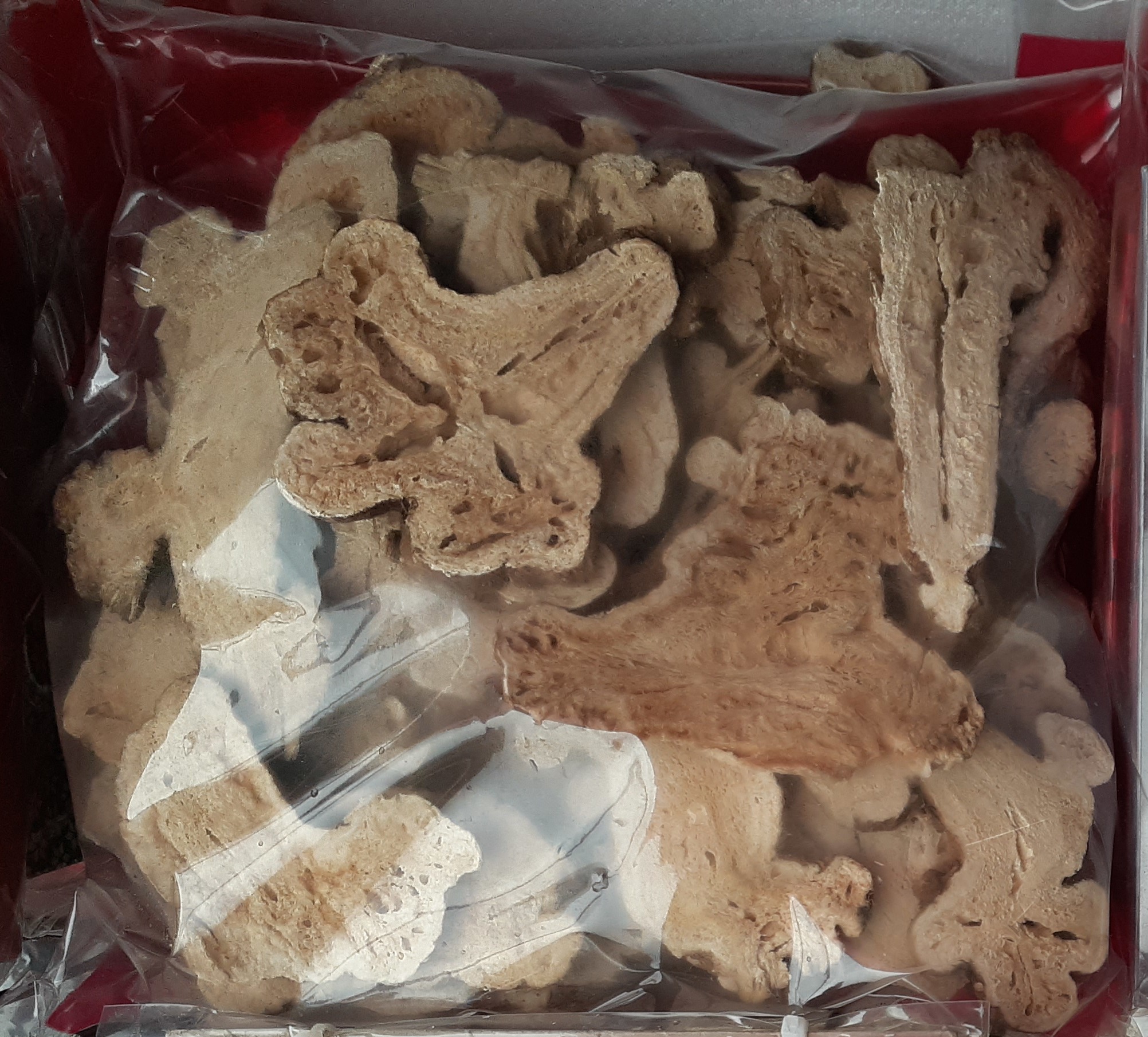 Bai ZhuAtractylodes macrocephala
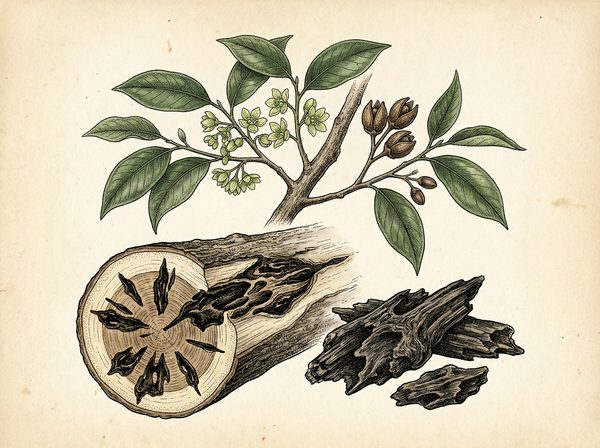 AgarwoodAquilaria sinensis
Nearby on the shelf
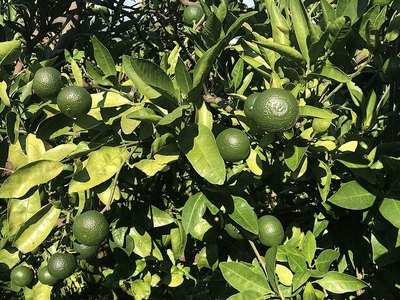 LimeCitrus aurantiifolia
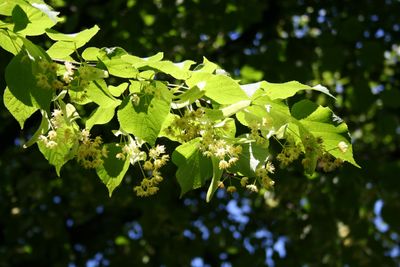 Lime flowerTilia spp.
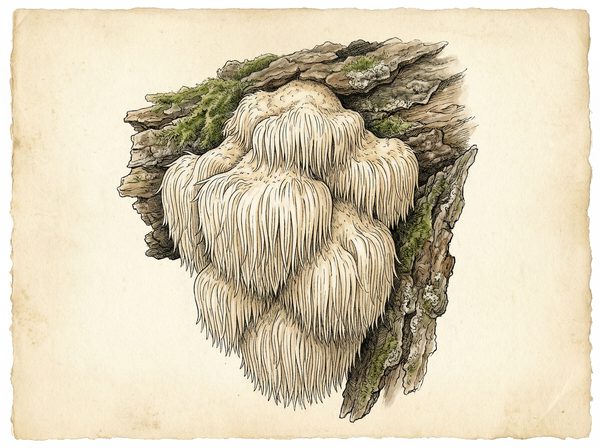 Lion's ManeHericium erinaceus
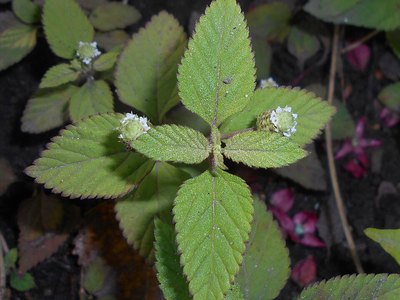 LippiaLippia mexicana
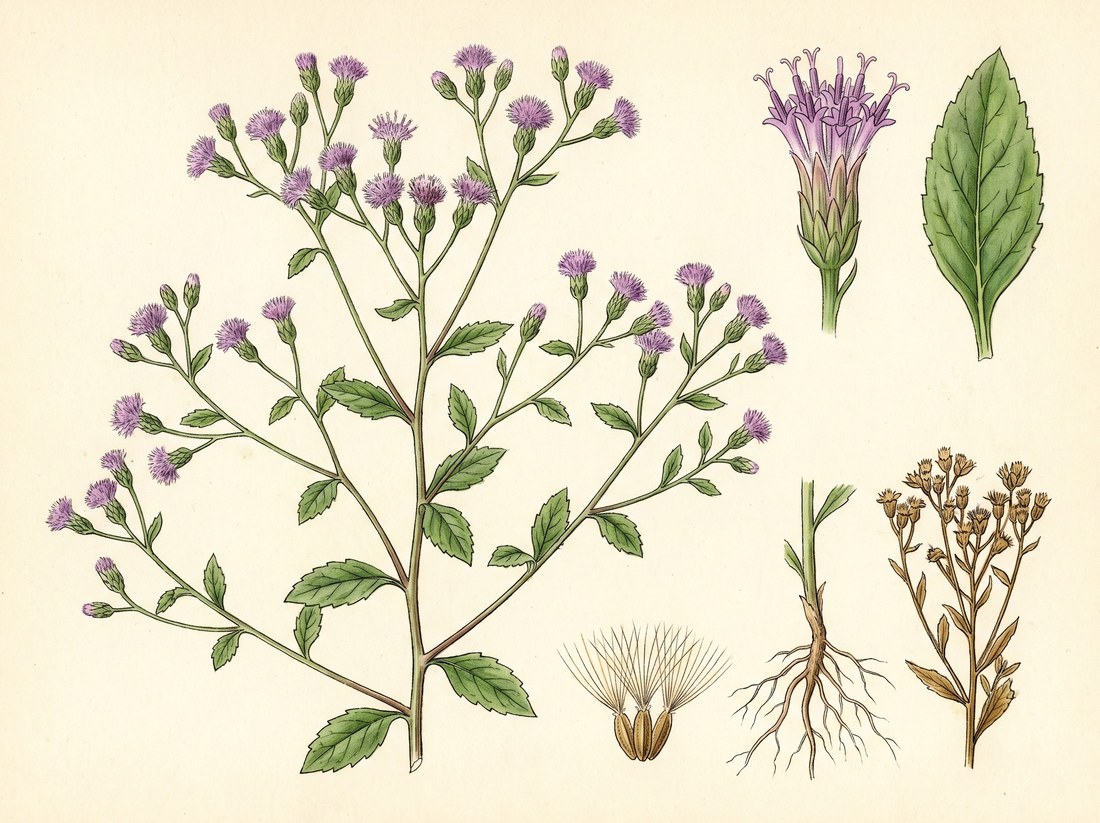 Little ironweedVernonia cinerea
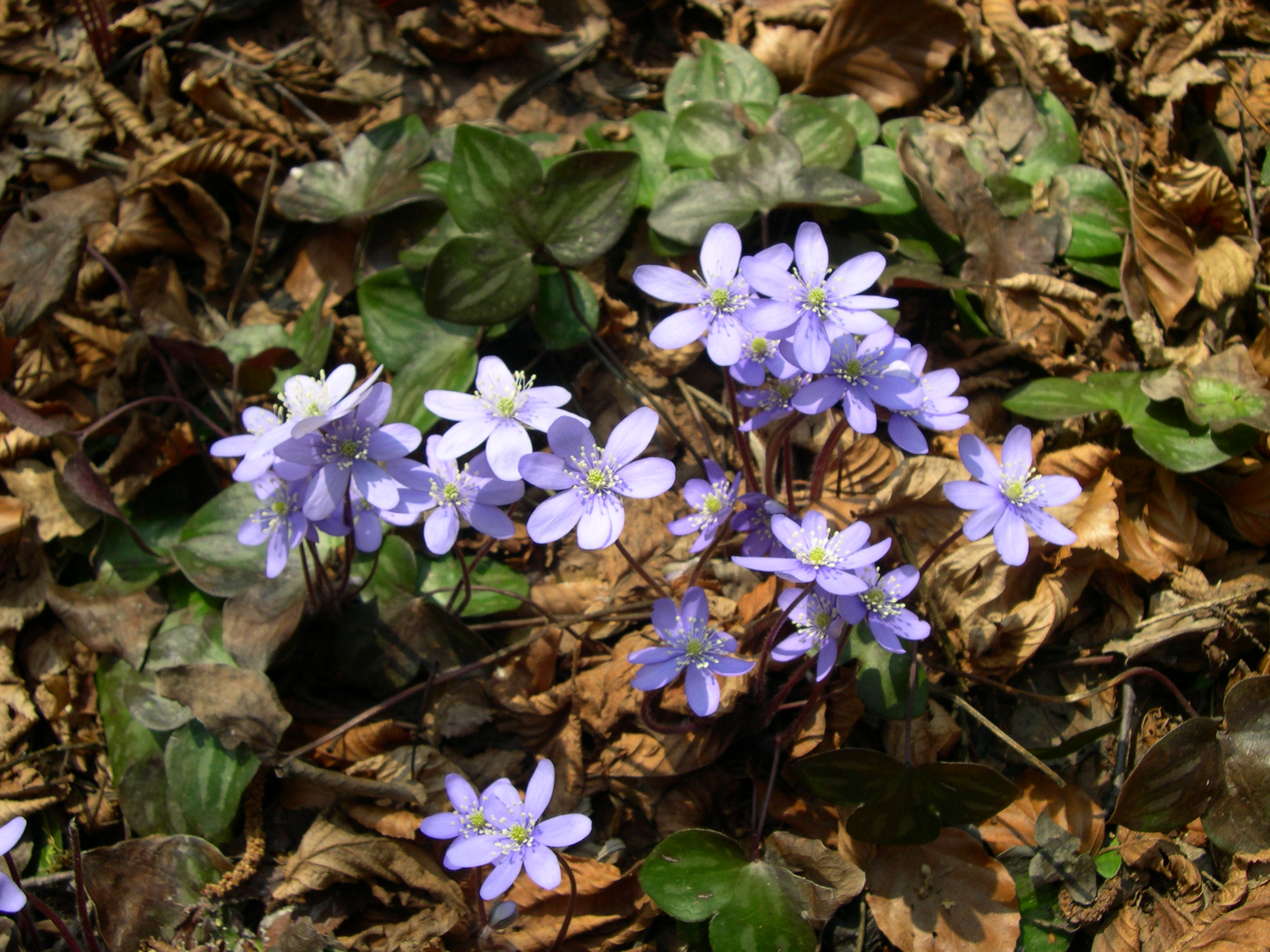 LiverleafHepatica
 LiverwortHepatica triloba
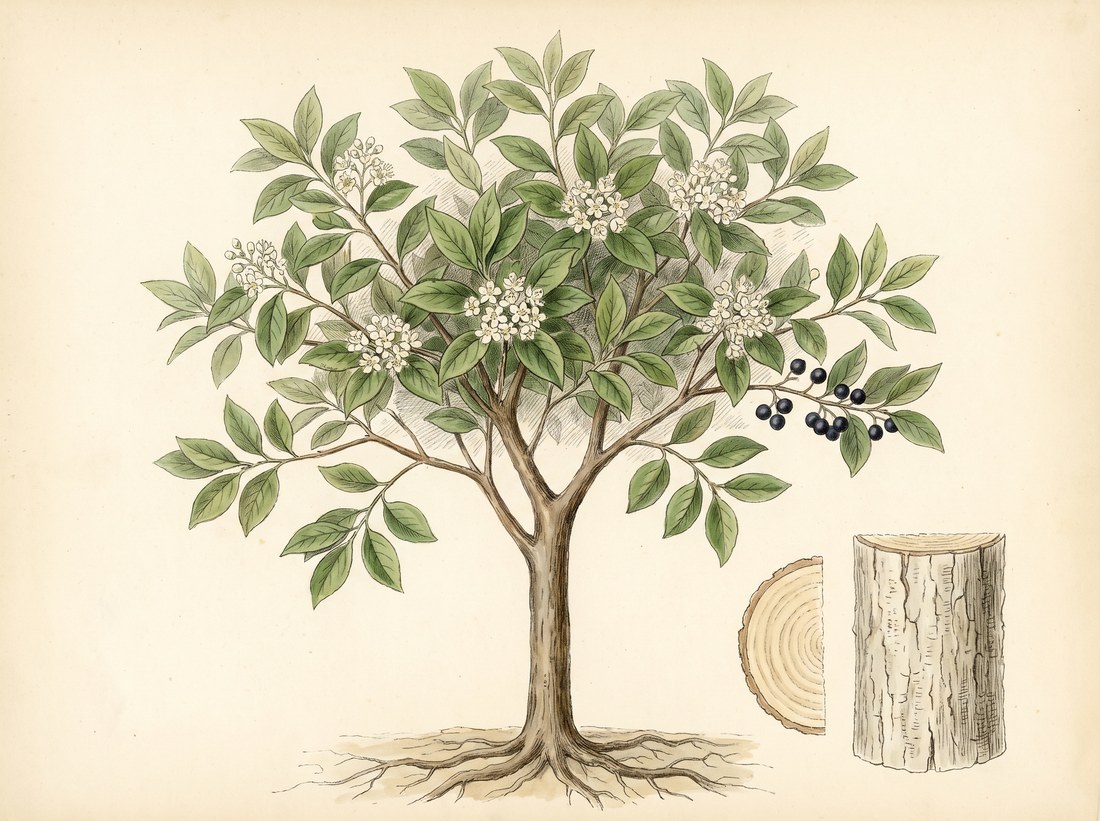 Lodh treeSymplocos racemosa
The whole plate is in the library. The compass, Compare, the Sky of eleven hundred plants and the formulary open with an email address and a password, free, with the formula builder and its safety engine. Herbert without limit, his formulating, clients, the handouts and the labels are the paid room.
Open the library, free