Ayurvedic Herbalism
Dhataki
Woodfordia fruticosa
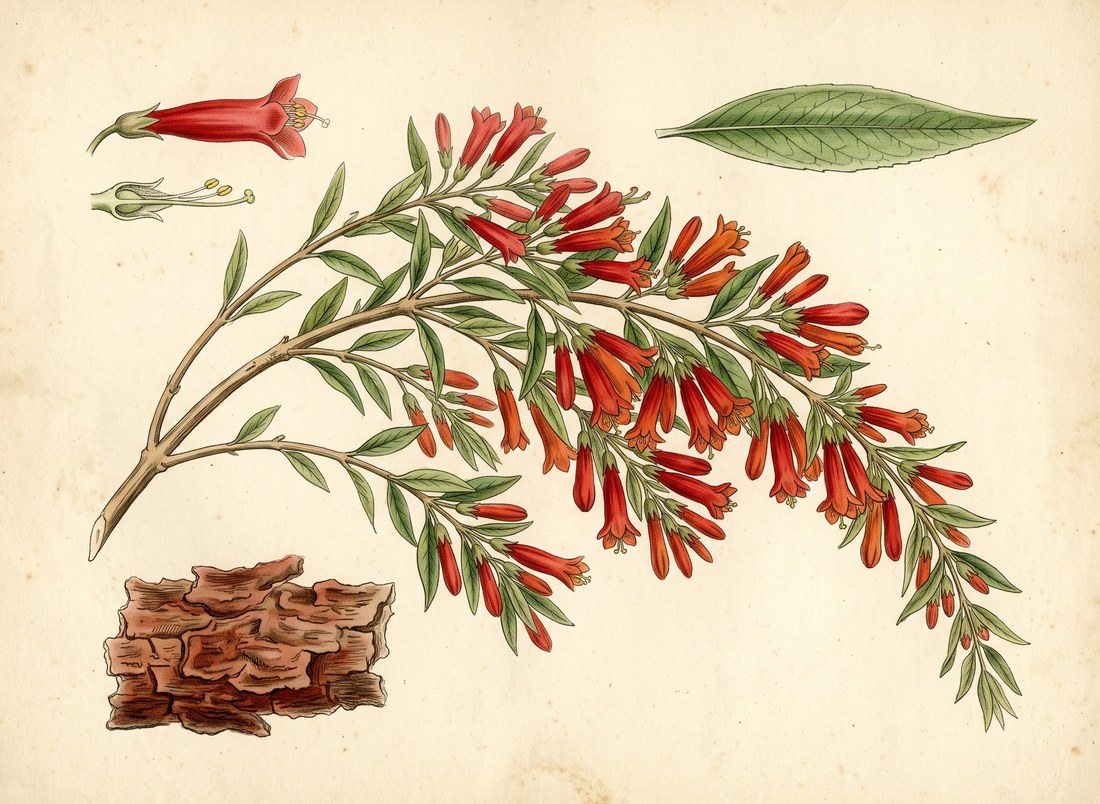
Also known as fire flame bush, shiranjitea, woodfordia, dhawai, Dhataki, Dhatupushpi, Agnijvala.
Woodfordia fruticosa is a straggling shrub of the loosestrife family with long arching branches that flame with clusters of small scarlet tubular flowers in the dry season, growing on hillsides, rocky slopes and forest edges throughout India from the Himalayan foothills to the Deccan and across Southeast Asia and East Africa. Ayurveda calls it Dhataki and uses the dried flower as a cooling astringent for diarrhea, dysentery, bleeding and wounds, but its most distinctive role is as the fermentation starter of the classical medicinal wines, the arishtas and asavas, where its yeasts and tannins set and steady the ferment. It is one of the most heavily traded flowers in the Indian herbal industry for that reason.

Ask Herbert about Dhataki. Herbert is the master herbalist inside Bountiful Herbs: he answers from this plate and eleven hundred others, with dosing, pairing and cautions. Your first ten questions are free.
Ask HerbertActions
Indications what the tradition reached for it in
- Acute and chronic diarrhea with watery or bloody stool
- Dysentery with mucus and blood
- Heavy menstrual bleeding
- Leukorrhea and vaginal discharge
- Bleeding hemorrhoids
- Wounds, ulcers and burns (topical powder or paste)
- Nosebleed and bleeding gums (topical and internal)
- Excess thirst with loose stool during fever
- Weeping skin conditions (topical wash)
- Threatened miscarriage with spotting (traditional, under supervision)
Specific indications
Watery or blood-streaked diarrhea in a hot patient with thirst, where a cooling astringent flower is wanted rather than a warming one
Heavy periods or spotting with a pitta picture of heat, irritability and bright red flow, given in Pushyanuga churna or with Ashoka
A raw, weeping wound, ulcer or burn that needs a drying, antiseptic dusting powder
Any classical fermented tonic wine, arishta or asava, where the flower is the traditional starter
Safety
The record lists 6 contraindications; open the plate in the library to read them in full.
In practice
Dhataki is the flower an Ayurvedic physician reaches for when a cooling, drying astringent is needed: pitta diarrhea and dysentery with blood and thirst, heavy bleeding from the uterus or rectum, leukorrhea and weeping ulcers.
In Ayurveda
Rasa: kashaya (astringent), katu (pungent, slight). Virya: sheeta (cooling). Vipaka: katu (pungent). Guna: laghu (light), ruksha (dry). Dosha: pacifies kapha and pitta; may aggravate vata in excess. Prabhava: sandhana (fermentation starter): the flowers initiate and regulate the fermentation of the classical arishta and asava wines. Karma: stambhana (checks discharge, astringent); raktastambhana (hemostatic); grahi (binds loose stool); vranaropana (heals wounds); garbhasthapana (stabilizes pregnancy, traditional); krimighna (anthelmintic); kushthaghna (cures skin disease); trishnanigrahana (relieves thirst); sandhaniya (promotes union of wounds and fractures); madakari (mildly intoxicating in old texts, via fermentation); pittahara (pacifies pitta). Classical indications: atisara (diarrhea); pravahika (dysentery); raktapitta (bleeding disorders); raktapradara (menorrhagia); shveta pradara (leukorrhea); vrana (wounds and ulcers); kushtha (skin disease); visarpa (spreading skin infection); trishna (thirst); krimi (worms); arsha (hemorrhoids); garbhasrava (threatened miscarriage, traditional). The dried flowers are the drug, given as churna with honey or rice water for diarrhea and bleeding, as kwatha, and dusted or applied as a paste to wounds, ulcers and burns; above all they are added to the sweetened decoctions and juices of the arishta and asava class to start and regulate fermentation, which is why the flower is present in dozens of classical wines. Classical formulations: Dhatakyadi churna, Pushyanuga churna, Ashokarishta, Dashamoolarishta, Arjunarishta, Kutajarishta, Kumaryasava, Lohasava, Chandanasava, Dhataki kwatha. Described in: Charaka Samhita, Sushruta Samhita, Ashtanga Hridaya, Bhavaprakasha Nighantu, Dhanvantari Nighantu, Raja Nighantu, Sharngadhara Samhita, Kaiyadeva Nighantu, Ayurvedic Pharmacopoeia of India.
Dosing as the sources wrote it
| Preparation | As written | Metric |
|---|---|---|
| Churna | 2-4 g powdered flower two to three times daily with honey or rice water | 2000-4000 mg |
| Kwatha | 40-80 mL flower decoction twice daily | 40-80 mL |
| Dusting powder, topical | 1-3 g fine flower powder dusted on wound or ulcer once or twice daily | 1000-3000 mg |
| Sandhana (fermentation) | 50-100 g dried flower per 10 L of arishta or asava liquid before sealing | 50000-100000 mg |
Doses are reproduced from the sources for practitioners and are not a recommendation for any person.
From the sources
Overview. Woodfordia fruticosa is a straggling shrub of the loosestrife family with long arching branches that flame with clusters of small scarlet tubular flowers in the dry season, growing on hillsides, rocky slopes and forest edges throughout India from the Himalayan foothills to the Deccan and across Southeast Asia and East Africa. Ayurveda calls it Dhataki and uses the dried flower as a cooling astringent for diarrhea, dysentery, bleeding and wounds, but its most distinctive role is as the fermentation starter of the classical medicinal wines, the arishtas and asavas, where its yeasts and tannins set and steady the ferment. It is one of the most heavily traded flowers in the Indian herbal industry for that reason.
Clinical Notes. Dhataki is the flower an Ayurvedic physician reaches for when a cooling, drying astringent is needed: pitta diarrhea and dysentery with blood and thirst, heavy bleeding from the uterus or rectum, leukorrhea and weeping ulcers.
Ayurvedic Profile. Rasa: kashaya (astringent), katu (pungent, slight). Virya: sheeta (cooling). Vipaka: katu (pungent). Guna: laghu (light), ruksha (dry). Dosha: pacifies kapha and pitta; may aggravate vata in excess. Prabhava: sandhana (fermentation starter): the flowers initiate and regulate the fermentation of the classical arishta and asava wines.
Conservation. Wild flowers are harvested in very large quantities for the arishta industry and heavy or destructive collection has depleted some populations; encourage cultivation and sustainable harvest.
In formulas
Dhataki stands in 38 documented formulas in the library, among them Abhayāriṣta, Aravindāsava, Aśokāriṣta, Aśvagandhādyariṣṭa, Uśīrāsava, Kanakāsava.
Often paired with
 long pepperPiper longum
 cardamomElettaria cardamomum
 Indian bay leafCinnamomum tamala
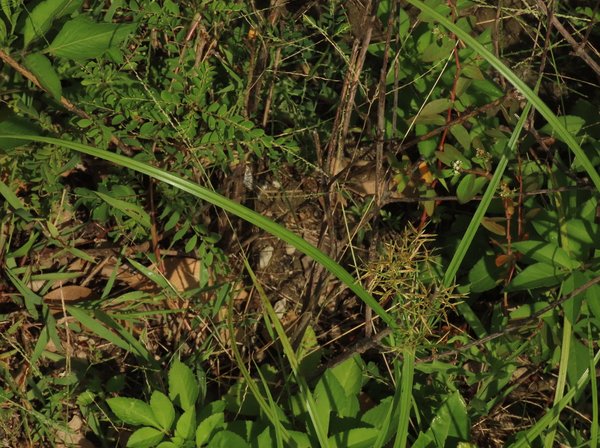 nut grassCyperus rotundus
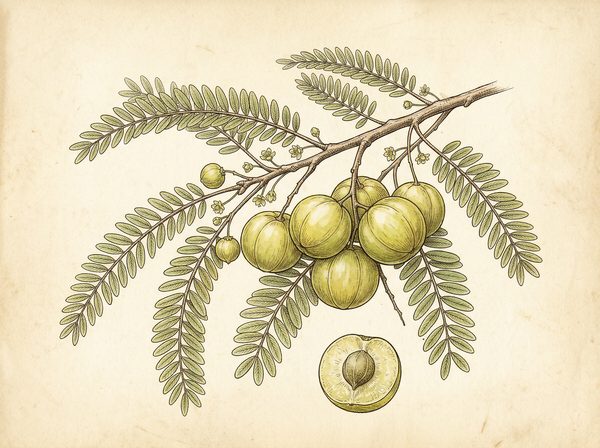 Indian gooseberryPhyllanthus emblica
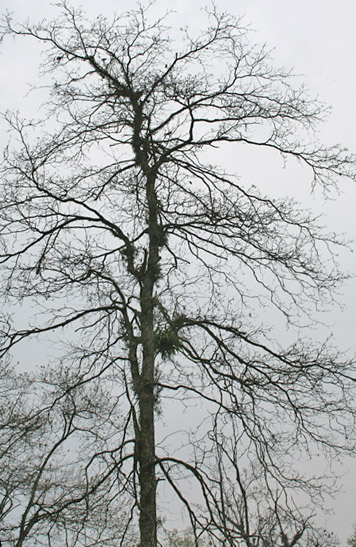 chebulic myrobalanTerminalia chebula
Nearby on the shelf
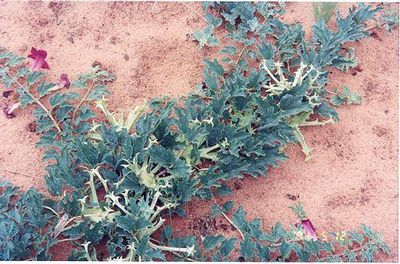 Devil's clawHarpagophytum procumbens
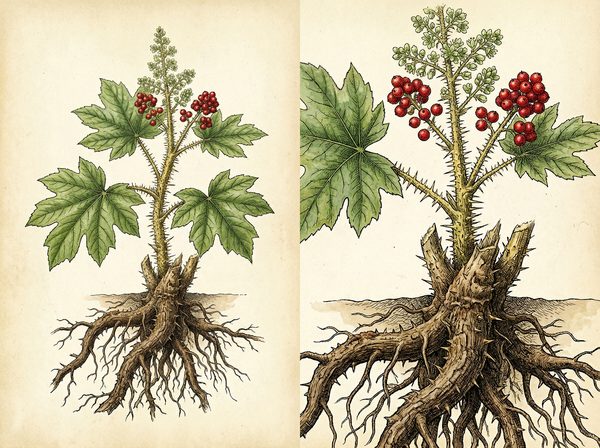 Devil's ClubOplopanax horridus
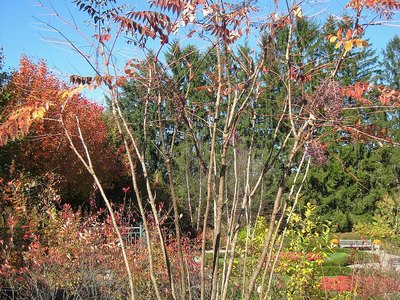 Devil's walking stickAralia Spinosa
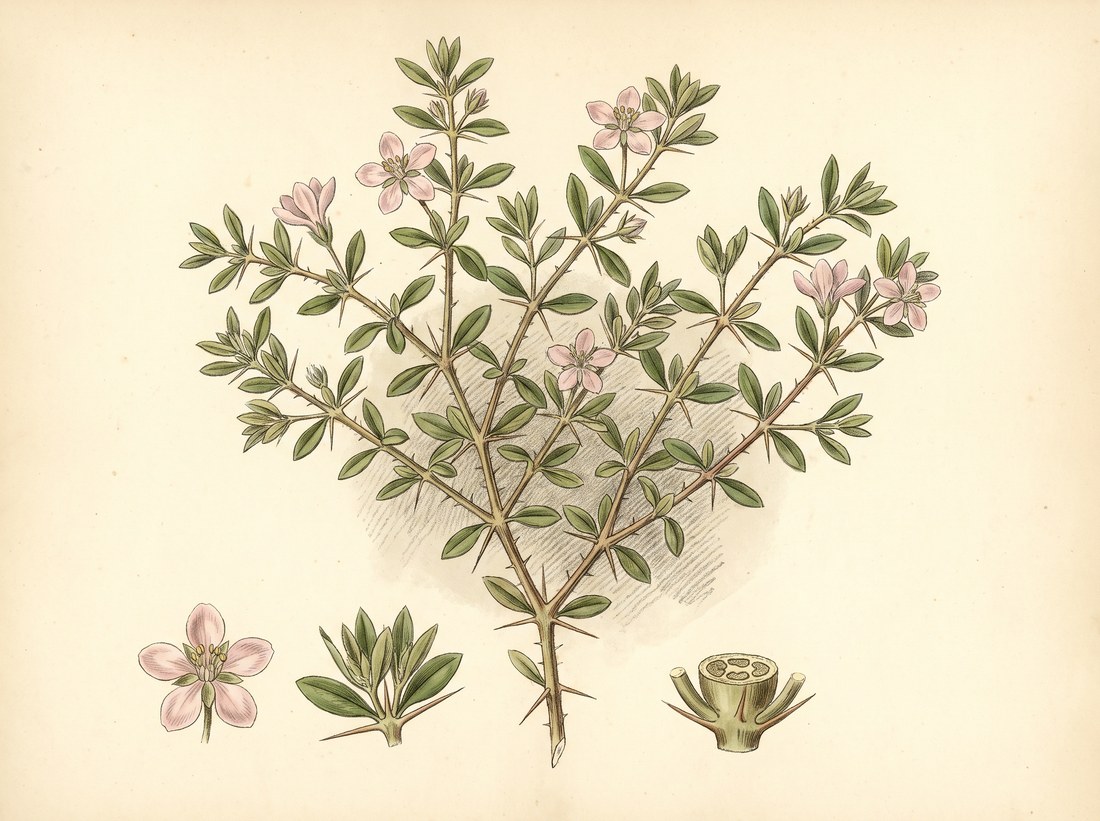 DhamasaFagonia cretica
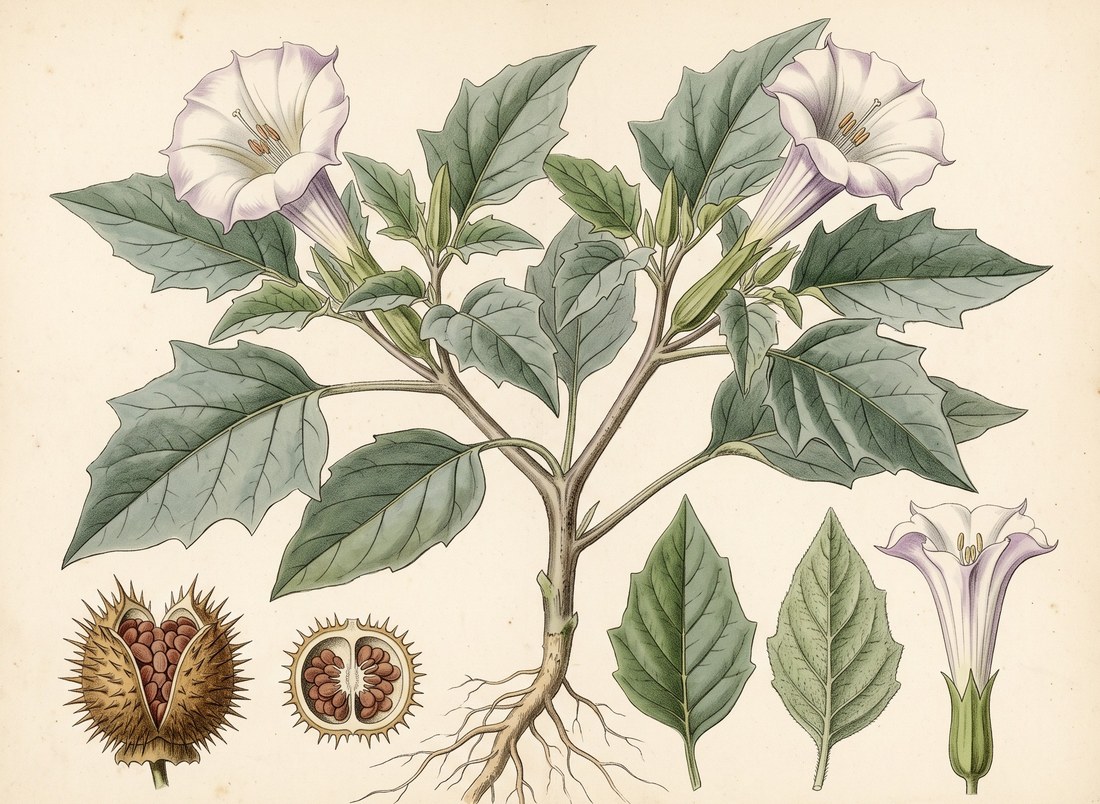 DhatturaDatura metel
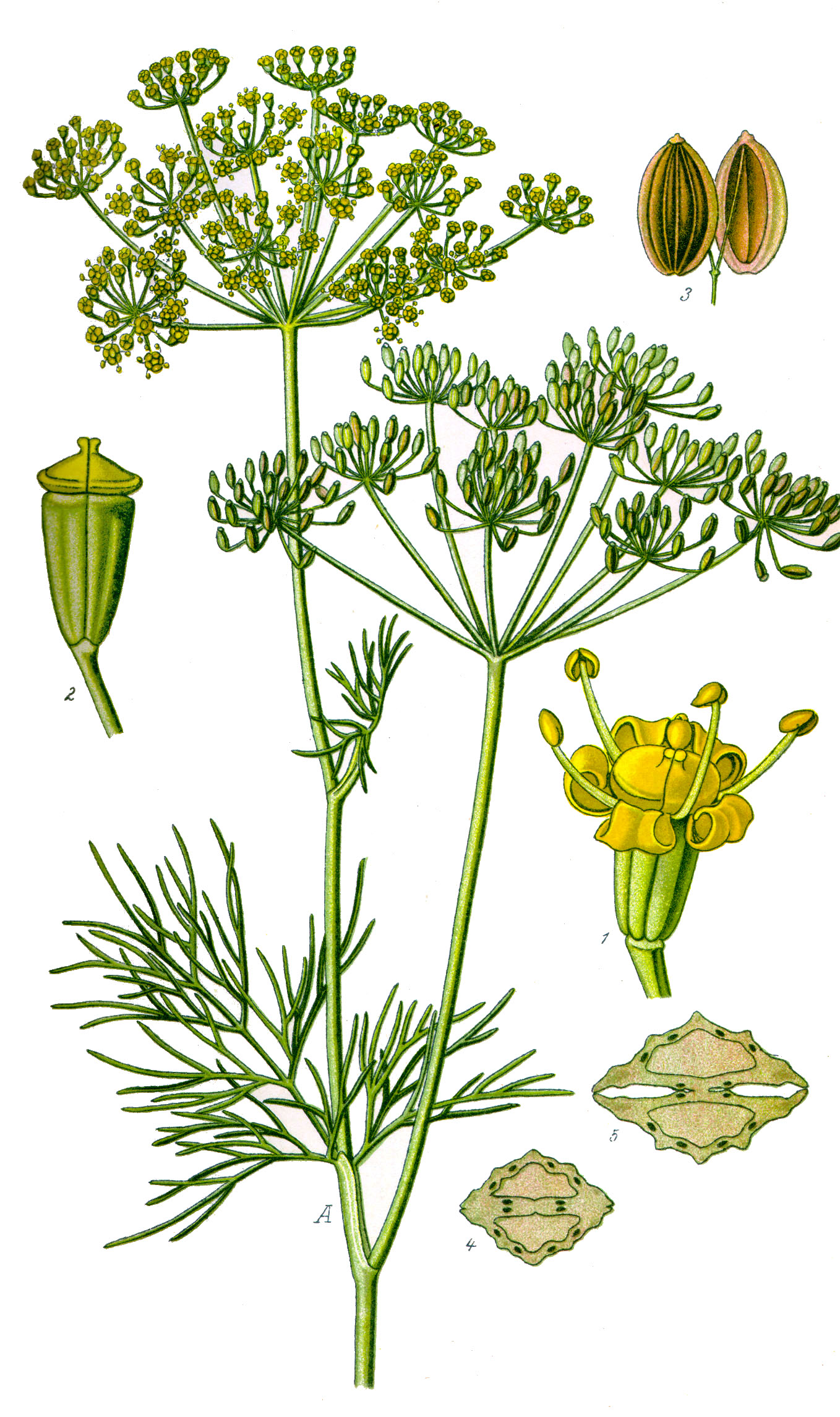 DillAnethum graveolens
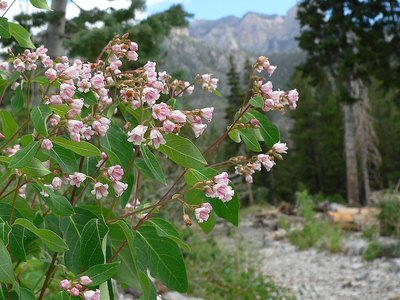 Dog's BaneApocynum Androsaemifolium
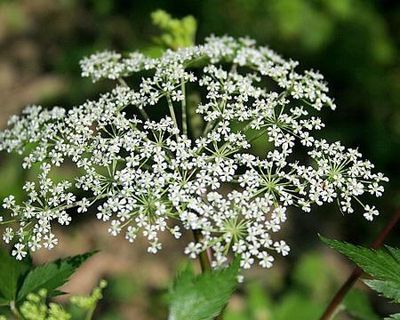 Dong QuaiAngelica sinensis
The whole plate is in the library. The compass, Compare, the Sky of eleven hundred plants and the formulary open with an email address and a password, free, with the formula builder and its safety engine. Herbert without limit, his formulating, clients, the handouts and the labels are the paid room.
Open the library, free