Chinese Herbalism
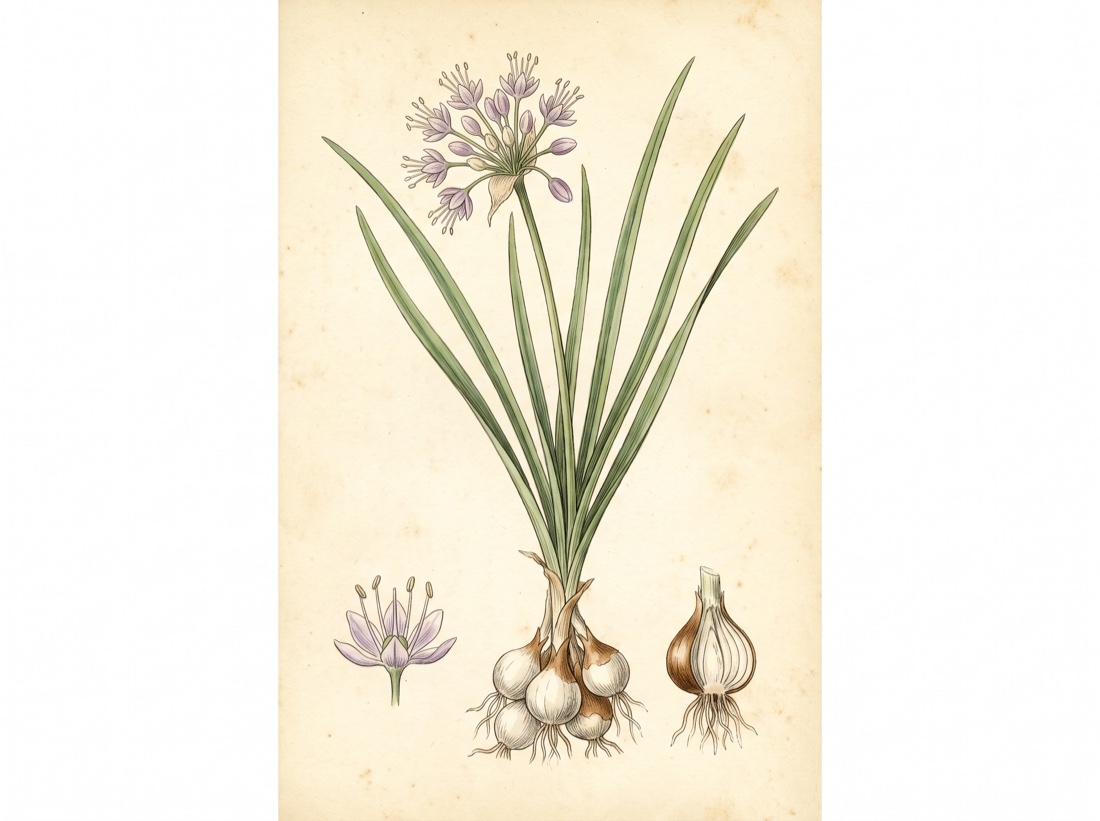
Long-stamen onion
Allium macrostemon
Also known as long-stamen chive, Chinese wild onion, xie bai, xiè bái.
Xie bai is the dried bulb of Allium macrostemon, a small wild onion of grassland, field margins and hillsides across China, Korea, Japan and the Russian Far East; the cultivated Allium chinense is an accepted alternative source. The small white bulbs are gathered in early summer, scalded briefly and dried. In Chinese medicine xie bai is the classic herb for chest bi, the painful obstruction of the chest described in the Han dynasty formularies, where it is paired with gua lou and wine to open yang and scatter phlegm-cold. It also carries qi downward through the gut, which is why it appears in remedies for dysentery with tenesmus.

Ask Herbert about Long-stamen onion. Herbert is the master herbalist inside Bountiful Herbs: he answers from this plate and eleven hundred others, with dosing, pairing and cautions. Your first ten questions are free.
Ask HerbertActions
Indications what the tradition reached for it in
- Chest painful obstruction (xiong bi) with tightness and pain radiating to the back
- Angina-type chest pain of cold-phlegm pattern (adjunct to conventional care)
- Cough and wheezing with sticky phlegm and chest oppression
- Epigastric fullness and distension with belching
- Dysentery or diarrhea with tenesmus
- Cold-type abdominal pain and bloating
- Coronary heart disease and hyperlipidemia (adjunct)
- Poor appetite with damp-cold in the middle burner
- Pleuritic-type chest discomfort with phlegm (traditional)
Specific indications
Chest tightness and pain that worsens in cold weather and after rich food, with a pale tongue, a thick white greasy coat and shortness of breath, easing with warmth
Diarrhea or dysentery with straining and a sense of incomplete evacuation in a cold, sluggish digestion
Safety
The record lists 7 contraindications; open the plate in the library to read them in full.
In practice
Xie bai belongs in the formula when chest yang is blocked: a cold, tight, heavy chest with pain that may reach the shoulder or back, breathlessness, a pale tongue with a white greasy coat, and a picture that worsens with cold and eases with warmth.
In Chinese medicine
Temperature: warm. Taste: acrid, bitter. Channels: Heart, Lung, Stomach, Large Intestine. Actions: Unblocks yang qi and disperses knotted constraint in the chest; Moves qi and breaks up cold-phlegm obstruction; Directs qi downward and relieves tenesmus and distension.
Dosing as the sources wrote it
| Preparation | As written | Metric |
|---|---|---|
| Decoction | 5-10 g dried bulb daily | 5000-10000 mg |
| Powder | 1-3 g twice daily | 1000-3000 mg |
| Tincture (1:5, 45%) | 2-4 mL three times daily | 2-4 mL |
Doses are reproduced from the sources for practitioners and are not a recommendation for any person.
From the sources
Overview. Xie bai is the dried bulb of Allium macrostemon, a small wild onion of grassland, field margins and hillsides across China, Korea, Japan and the Russian Far East; the cultivated Allium chinense is an accepted alternative source. The small white bulbs are gathered in early summer, scalded briefly and dried. In Chinese medicine xie bai is the classic herb for chest bi, the painful obstruction of the chest described in the Han dynasty formularies, where it is paired with gua lou and wine to open yang and scatter phlegm-cold. It also carries qi downward through the gut, which is why it appears in remedies for dysentery with tenesmus.
Clinical Notes. Xie bai belongs in the formula when chest yang is blocked: a cold, tight, heavy chest with pain that may reach the shoulder or back, breathlessness, a pale tongue with a white greasy coat, and a picture that worsens with cold and eases with warmth.
Chinese Medicine Profile. Temperature: warm. Taste: acrid, bitter. Channels: Heart, Lung, Stomach, Large Intestine. Actions: Unblocks yang qi and disperses knotted constraint in the chest; Moves qi and breaks up cold-phlegm obstruction; Directs qi downward and relieves tenesmus and distension.
In formulas
Long-stamen onion stands in 7 documented formulas in the library, among them zhi shí xiè bát gui zhi tàng, lou xiè liu rén tāng, gua lóu xìe bái bái jĩu tāng, gua lou xie bát bàn xia táng.
Often paired with
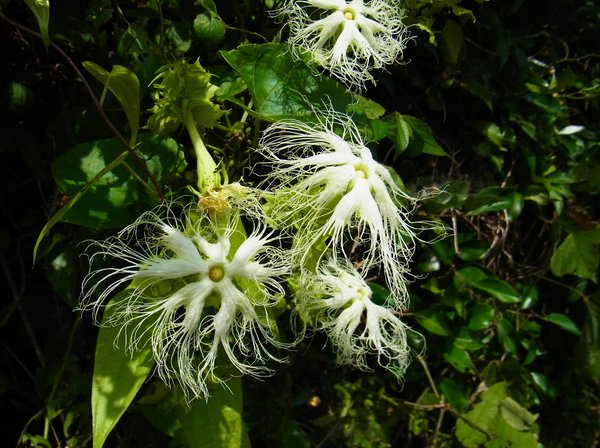 Gua LouTrichosanthes kirilowii
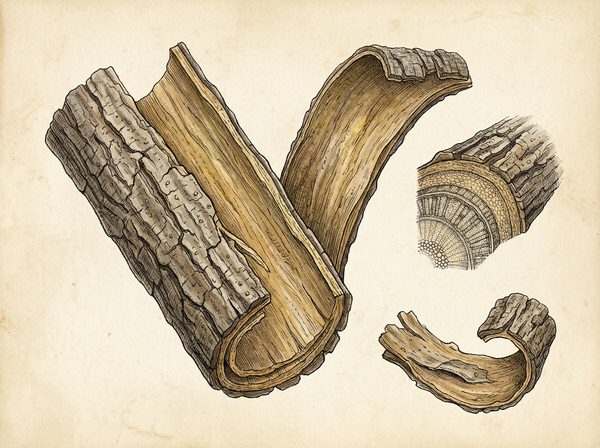 Magnolia BarkMagnolia officinalis
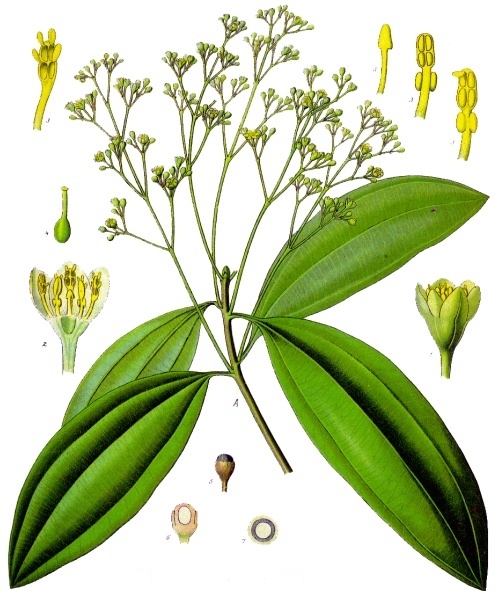 Indian bay leafCinnamomum tamala
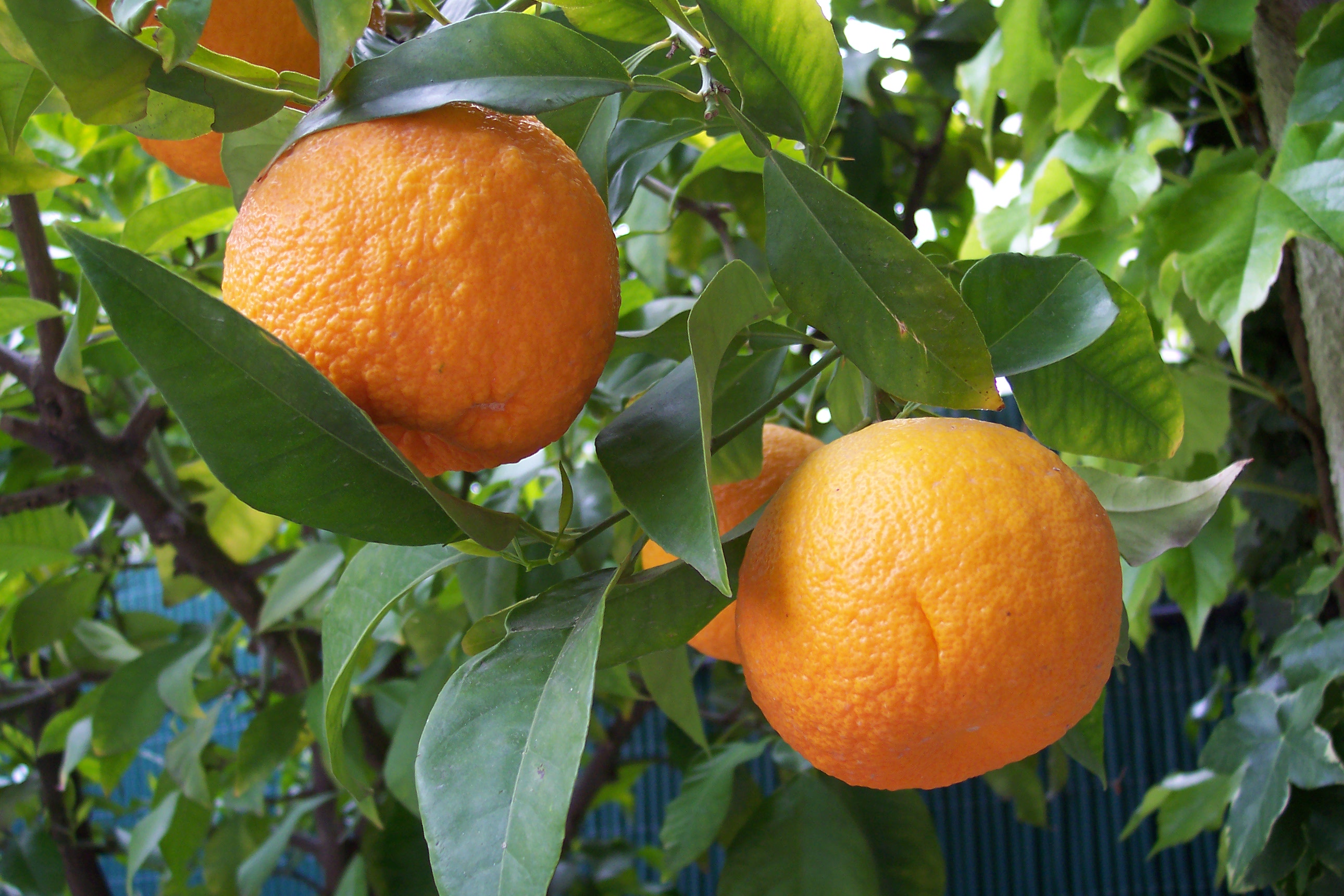 Bitter OrangeCitrus aurantium
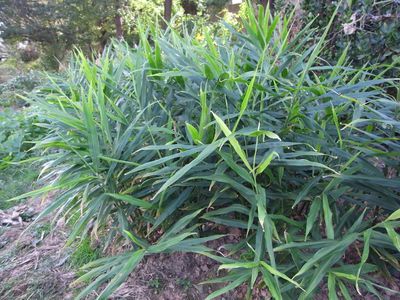 GingerZingiber officinale
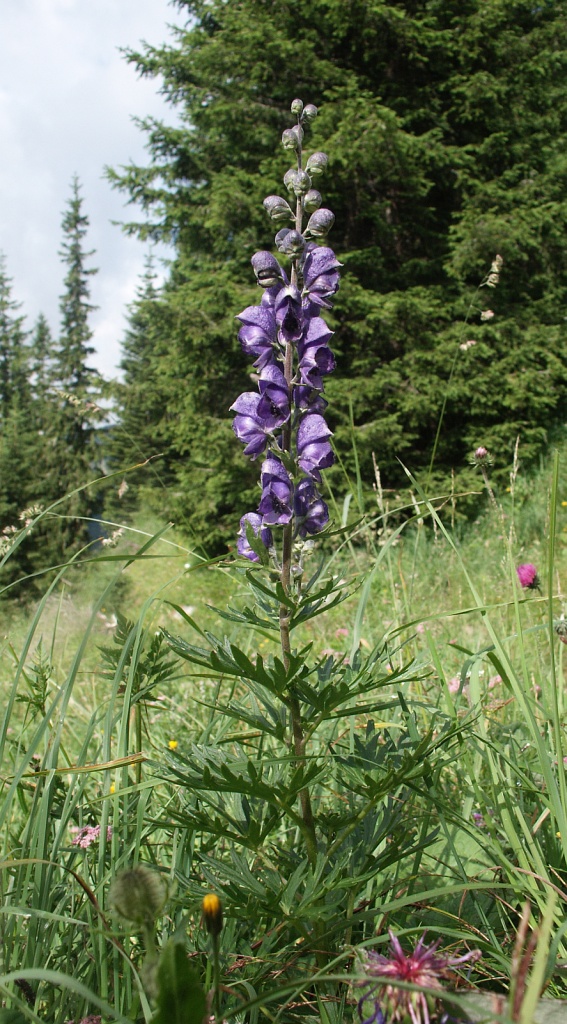 Indian aconiteAconitum ferox
Nearby on the shelf
 LiverwortHepatica triloba
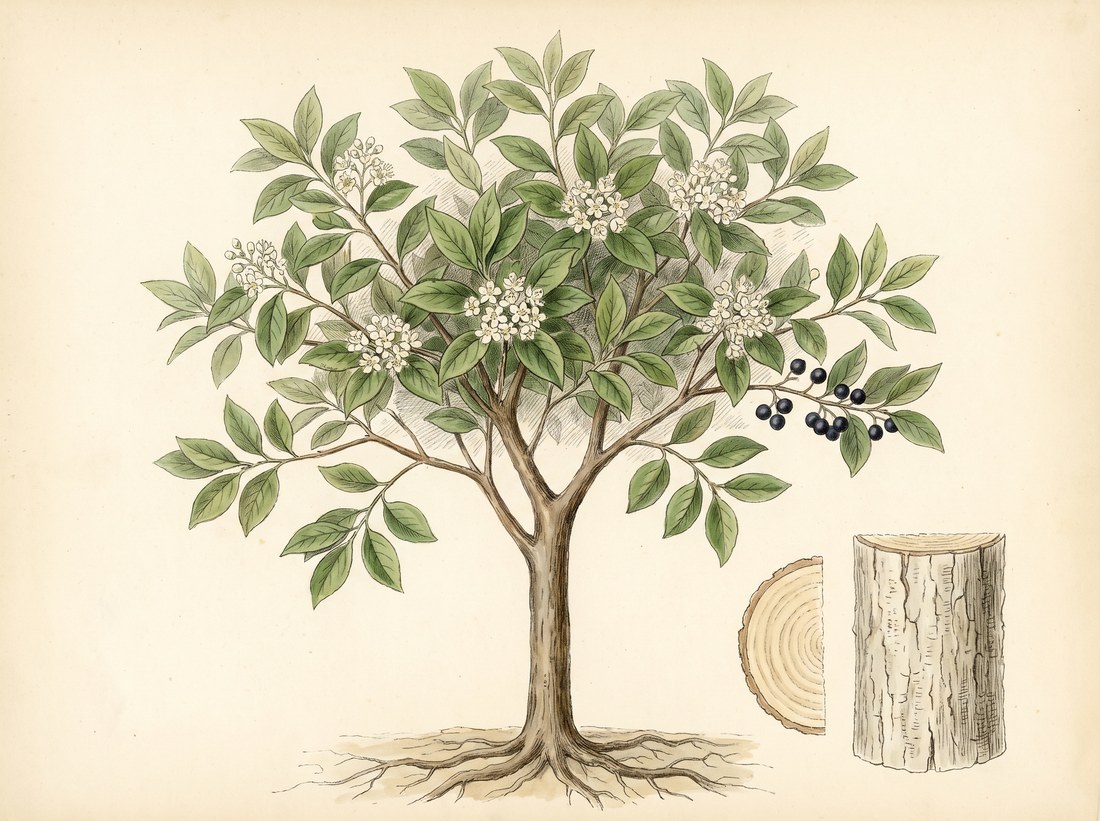 Lodh treeSymplocos racemosa
 LogwoodHaematoxylon campechianum
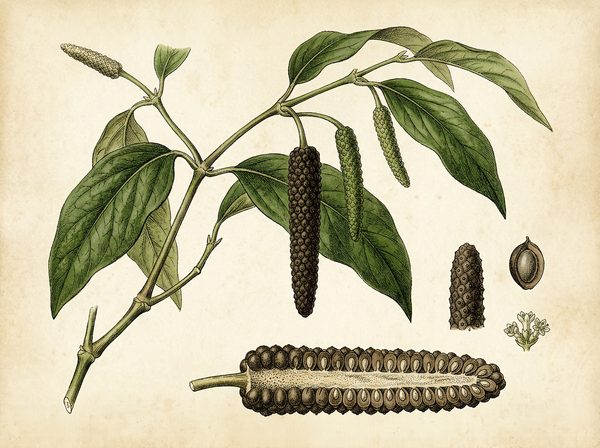 Long pepperPiper longum
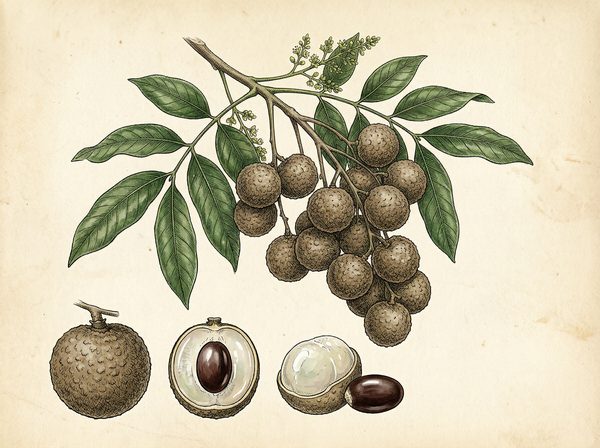 LonganDimocarpus longan
 LophatherumLophatherum gracile
 Loquat LeafEriobotrya japonica
 LovageLevisticum officinale
The whole plate is in the library. The compass, Compare, the Sky of eleven hundred plants and the formulary open with an email address and a password, free, with the formula builder and its safety engine. Herbert without limit, his formulating, clients, the handouts and the labels are the paid room.
Open the library, free