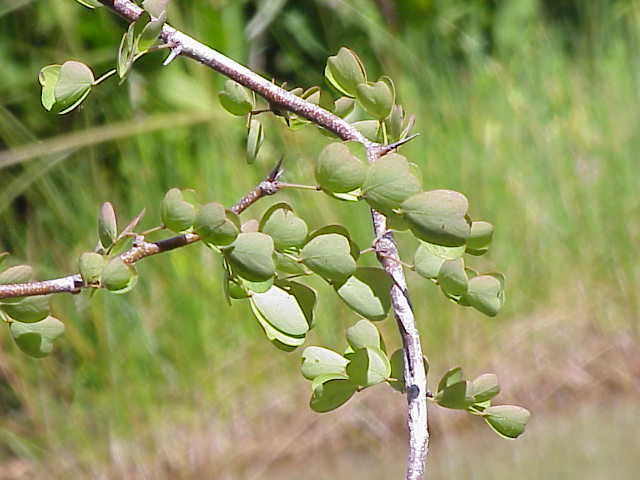
Western Herbalism
Logwood
Haematoxylon campechianum
Also known as Campeachy wood, Bloodwood tree, Haematoxylon.
Logwood is the deep-red heartwood of a small, spiny tree native to Central America, long harvested from Honduras and the Yucatan region for its dye. In the physiomedical tradition it was valued as a gentle astringent for relaxed, atonic states of the bowel, particularly in convalescence, when a milder agent than the stronger mineral or tannic astringents was wanted. The wood is cut into chips and prepared as a decoction, its rich red liquid turning purplish and then black on contact with iron salts, a property once used to test its strength.

Ask Herbert about Logwood. Herbert is the master herbalist inside Bountiful Herbs: he answers from this plate and eleven hundred others, with dosing, pairing and cautions. Your first ten questions are free.
Ask HerbertActions
Indications what the tradition reached for it in
- Chronic diarrhea
- Atonic or persistent loose stools
- Diarrhea of convalescence following fever
- Diarrhea in children after acute illness
- Mild dysentery without significant fever
- Bowel laxity in the debilitated or elderly
- Minor intestinal hemorrhage (traditional use)
- General relaxation of the gut wall following illness
Specific indications
Persistent watery, painless loose stools in a weakened or convalescent patient with little urgency or colic
Chronic diarrhea in a child following a febrile illness, stools pale, frequent, and lacking in tone
Safety
Pregnancy: Use with care in pregnancy
Breastfeeding: Not for use while breastfeeding
The record lists 4 contraindications; open the plate in the library to read them in full.
In practice
Logwood decoction was reached for in the physiomedical clinic when a patient's bowels remained loose and toneless after a fever or other debilitating illness, especially in children, where a mild rather than a harsh astringent was preferred.
Dosing as the sources wrote it
| Preparation | As written | Metric |
|---|---|---|
| Decoction of chips | 10-20 g dried heartwood chips simmered gently in 500 mL water, taken in divided doses through the day | 10000-20000 mg |
| Fluid extract (1:1) | 1-4 mL three times daily | 1-4 mL |
| Tincture (1:5) | 2-5 mL three times daily | 2-5 mL |
| Decoctum Hamatoxyli, Decoction of Logwood (Logwood, 1 ounce; Water, 16 fluidounces) | Dose, 1 to 2 fluidounces. | 29.57-59.15 mL |
| Extractum Hamatoxyli, Extract of Hxmatoxylon | Dose, 5 to 30 grains. | 324-1944 mg |
| Specific Medicine Logwood | Dose, 5 to 30 drops. | 0.1-0.6 mL |
Doses are reproduced from the sources for practitioners and are not a recommendation for any person.
From the sources
Overview. Logwood is the deep-red heartwood of a small, spiny tree native to Central America, long harvested from Honduras and the Yucatan region for its dye. In the physiomedical tradition it was valued as a gentle astringent for relaxed, atonic states of the bowel, particularly in convalescence, when a milder agent than the stronger mineral or tannic astringents was wanted. The wood is cut into chips and prepared as a decoction, its rich red liquid turning purplish and then black on contact with iron salts, a property once used to test its strength.
Clinical Notes. Logwood decoction was reached for in the physiomedical clinic when a patient's bowels remained loose and toneless after a fever or other debilitating illness, especially in children, where a mild rather than a harsh astringent was preferred.
Action and Therapy. A mild, unirritating astringent and tonic formerly much used in chronic diarrhoea and summer complaint of children, and in passive hemorrhages, and colliquative sweats. It is now seldom employed.
Properties and Uses. This wood is a mild and slightly aromatic astringent. It is seldom employed in medicine at the present time; but may be used in the laxity of the bowels following the summer complaints of children. A serviceable ink may be made from it, by observing the following exact proportions: Dissolve four ounces of logwood extract in a gallon of rain water, in a porcelain vessel; bring it to the boil, and skim well.
Drawn from Cook's Physio-Medical Dispensatory; King's American Dispensatory, 18th edition (Felter and Lloyd); Felter's Eclectic Materia Medica, Pharmacology and Therapeutics, and the Bountiful Herbs editorial.
Often paired with
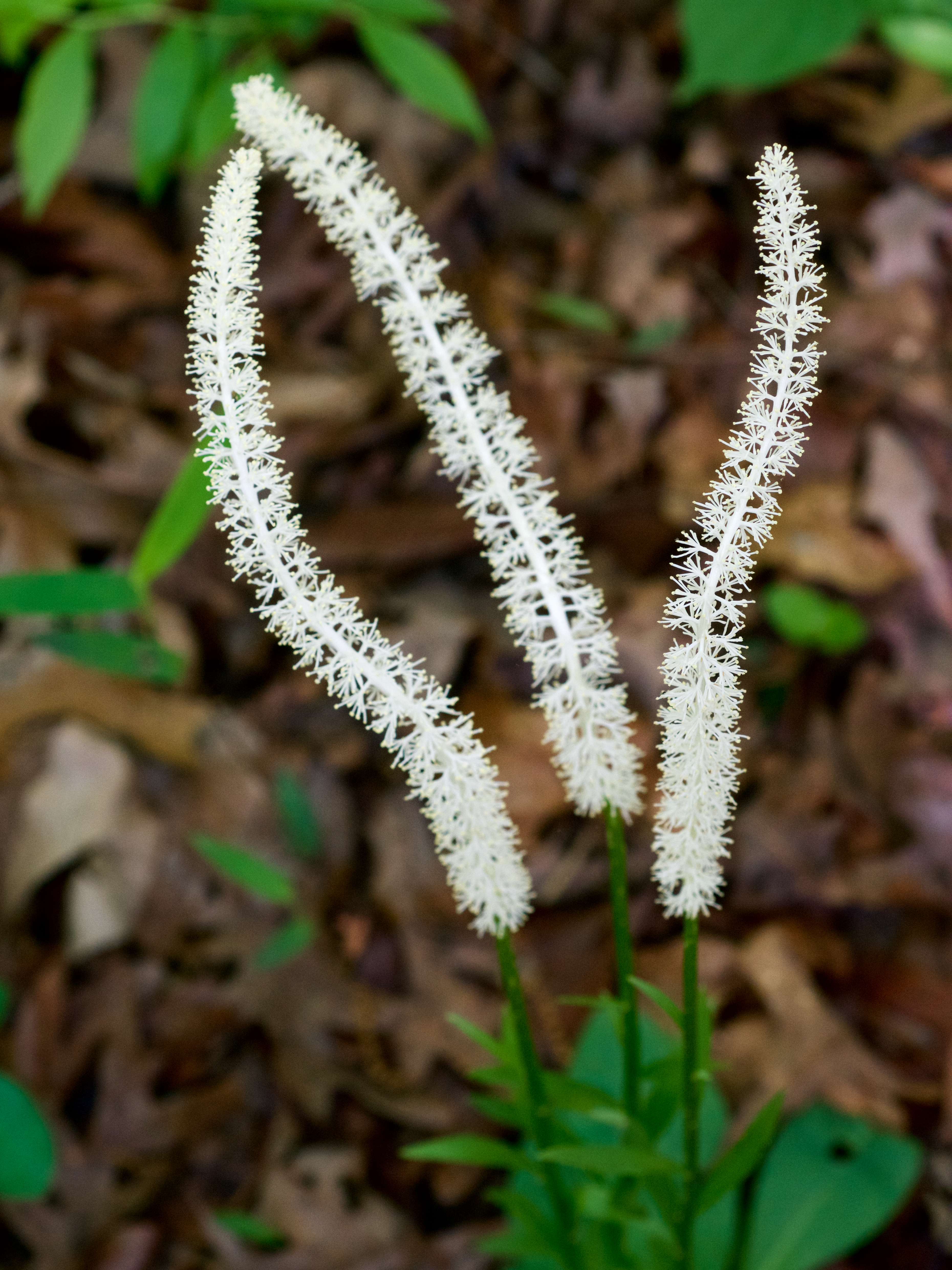 False unicornChamaelirium luteum
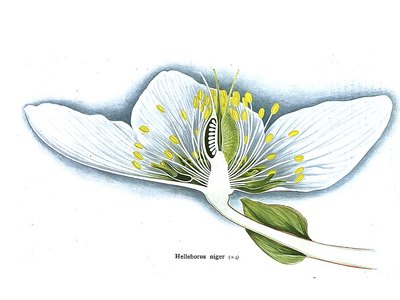 HelleborusHelleborus niger
Nearby on the shelf
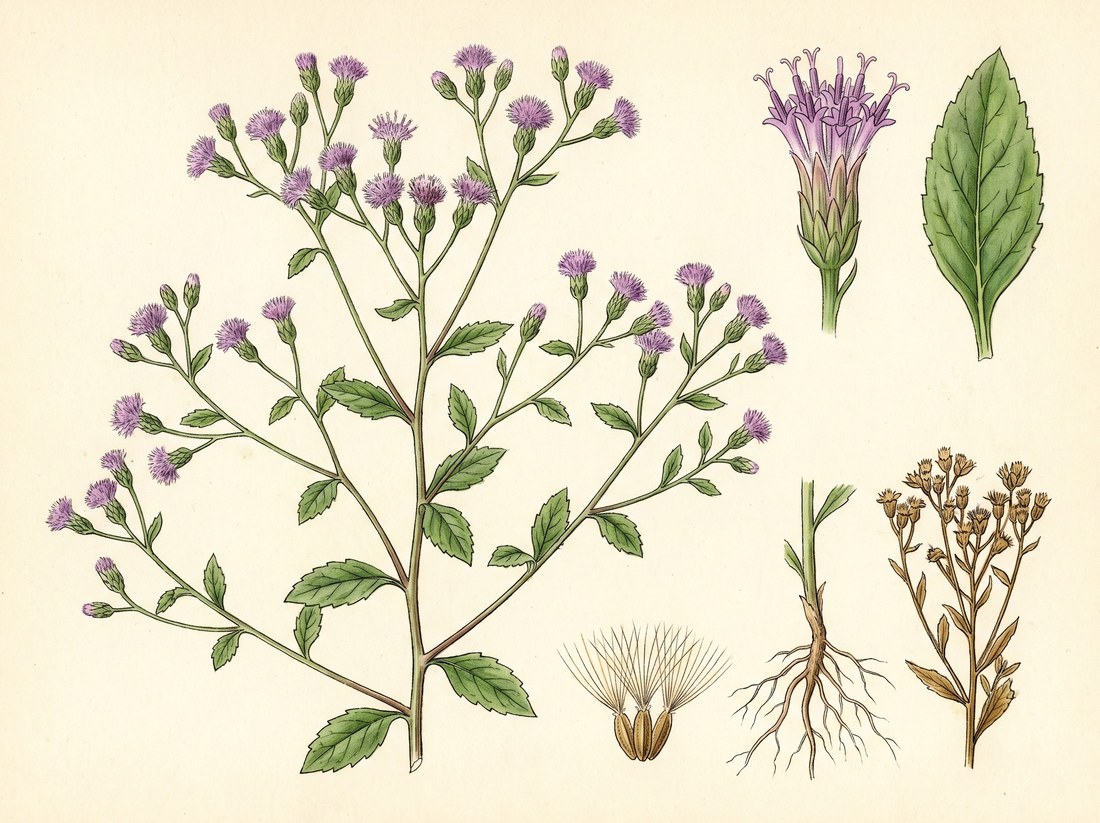 Little ironweedVernonia cinerea
 LiverleafHepatica
 LiverwortHepatica triloba
 Lodh treeSymplocos racemosa
 Long pepperPiper longum
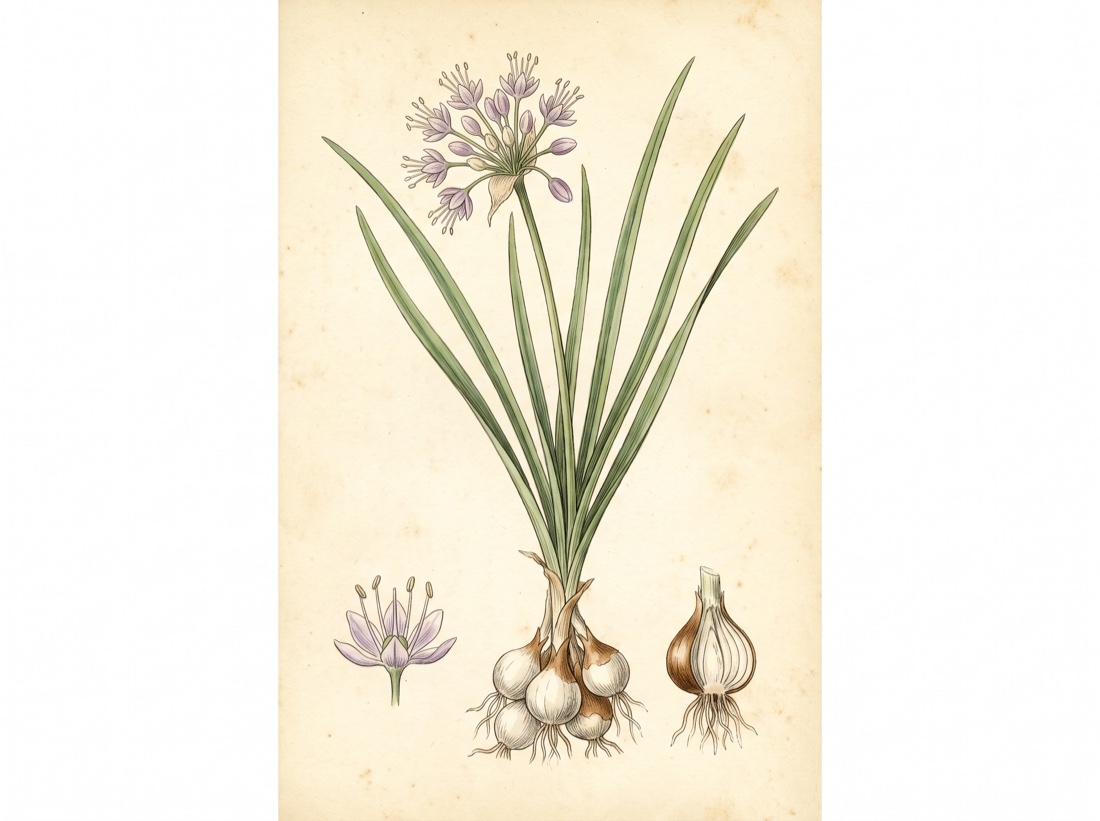 Long-stamen onionAllium macrostemon
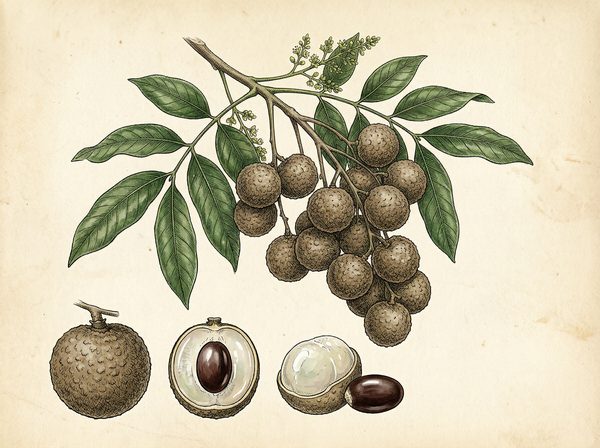 LonganDimocarpus longan
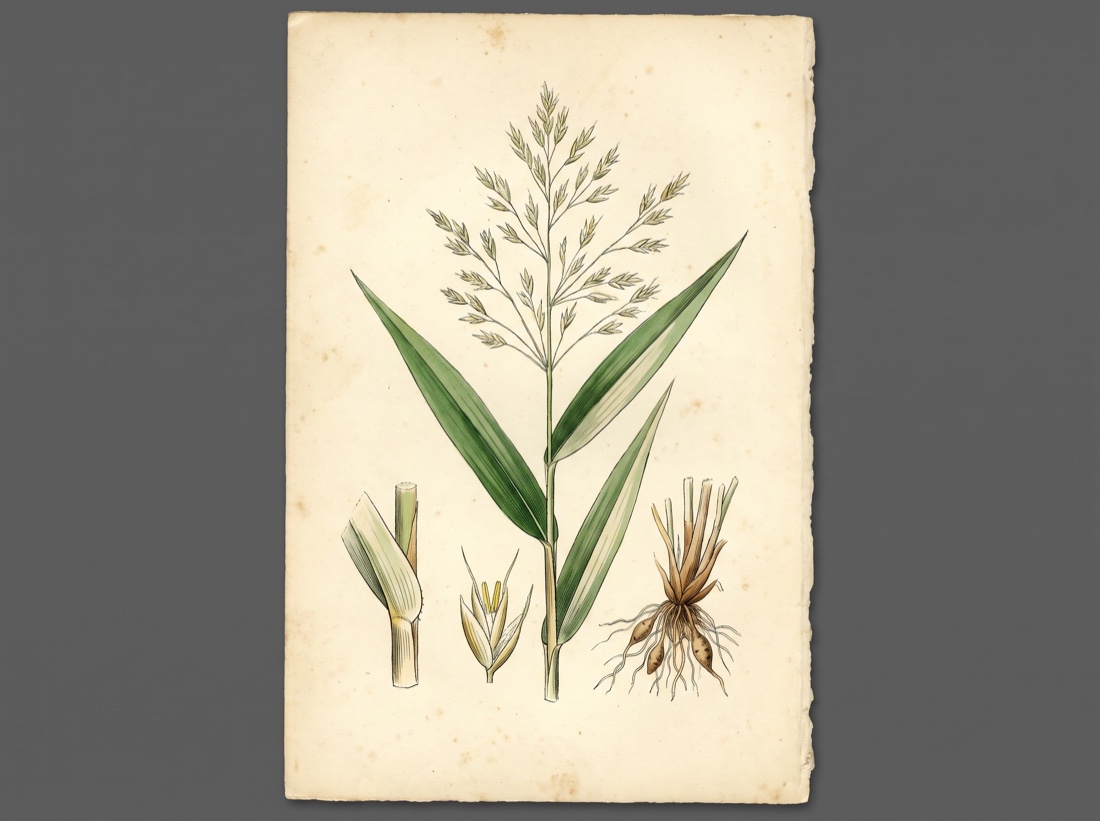 LophatherumLophatherum gracile
The whole plate is in the library. The compass, Compare, the Sky of eleven hundred plants and the formulary open with an email address and a password, free, with the formula builder and its safety engine. Herbert without limit, his formulating, clients, the handouts and the labels are the paid room.
Open the library, free