Western and Ayurvedic herbalism
Kino
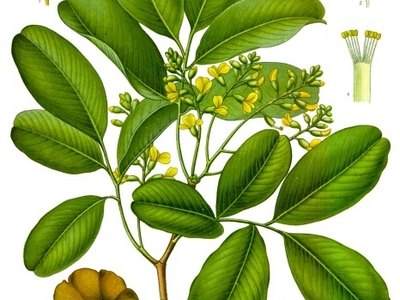
Pterocarpus marsupium
Also known as Indian kino tree, Malabar kino, Vijaysar, Bijasal, Gum Kino, Gummi kino, Resina kino, Buja (Bengalese), Vijayasara, Asana, Bijaka.
Pterocarpus marsupium is a large deciduous tree native to the deciduous forests of peninsular India, valued for two distinct products: a dark red astringent gum exudate known as kino, obtained by tapping the bark, and a heartwood long used in Ayurvedic practice under the name vijaysar. Kino was adopted into western Eclectic and physiomedical practice in the nineteenth century as one of the strongest plant astringents available, prized for controlling diarrhea and passive hemorrhage. The heartwood has a long independent history in Indian folk and Ayurvedic medicine for managing sweet urine, what is now recognized as diabetes.

Ask Herbert about Kino. Herbert is the master herbalist inside Bountiful Herbs: he answers from this plate and eleven hundred others, with dosing, pairing and cautions. Your first ten questions are free.
Ask HerbertActions
Indications what the tradition reached for it in
- Acute and chronic diarrhea
- Dysentery
- Chronic mucous discharges
- Passive internal hemorrhage
- Leucorrhea
- Sore throat and mouth ulcers (as gargle or mouthwash)
- Slow-healing wounds and ulcers
- Type 2 diabetes mellitus (traditional heartwood use)
- Relaxed, atonic bowel following acute illness
- Excessive uterine bleeding (traditional use)
- Type 2 diabetes, newly diagnosed or mild (adjunct)
- Prediabetes and insulin resistance
- Diabetes with obesity and dyslipidemia
- Diarrhea and dysentery (bark and kino)
- Bleeding gums and passive hemorrhage (kino)
- Chronic skin disease with heat (heartwood decoction)
- Vitiligo (traditional, with other herbs)
- Slow healing wounds and ulcers (topical kino or decoction)
- Premature graying and hair loss (traditional, in oils)
- Elephantiasis and chronic edema (traditional)
- Toothache and gum disease (bark rinse)
Specific indications
Watery, painless diarrhea with a sense of bowel laxity, especially during convalescence from acute illness
Persistent thirst and frequent urination in diabetes, traditionally addressed by drinking water stored overnight in a cup carved from the heartwood
Diabetic skin infections and slow wounds, for the decoction as a wash and internally
Safety
Pregnancy: Avoid or use only under professional supervision in pregnancy, as safety data are lacking and it is not rated in standard safety references.
Breastfeeding: Avoid or use only under professional supervision during lactation, as safety data are lacking and it is not rated in standard safety references.
The record lists 4 contraindications; open the plate in the library to read them in full.
In practice
Kino earns its place among the vegetable astringents through sheer tannin content; a small pinch dissolved in water produces a strongly puckering, blood-red solution that firms relaxed, weeping mucous membranes quickly.
In Ayurveda
Rasa: kashaya (astringent), tikta (bitter). Virya: sheeta (cooling). Vipaka: katu (pungent). Guna: laghu (light), ruksha (dry). Dosha: pacifies kapha and pitta; may aggravate vata in excess. Prabhava: pramehaghna (specific against diabetes and urinary disorders). Karma: pramehaghna (counters diabetes and urinary disorders); medohara (reduces fat); kushthaghna (relieves skin disease); raktastambhana (arrests bleeding); vranaropana (heals wounds); krimighna (anthelmintic); keshya (benefits the hair); rasayana (rejuvenative, in prameha); grahi (binds the bowel); shothahara (reduces swelling). Classical indications: prameha (urinary disorders including diabetes); madhumeha (diabetes mellitus); medoroga (obesity); kushtha (skin diseases); shvitra (leukoderma); raktapitta (bleeding disorders); atisara (diarrhea); vrana (wounds); krimi (worms); pandu (anemia); palitya (premature graying). The heartwood is the drug: shaved and decocted as kwatha, powdered as churna, and, in the best known household method, carved into a tumbler in which water is kept overnight and drunk in the morning. The bark and the red gum resin (kino) are astringents for diarrhea, bleeding and wounds. Asana is the lead herb of the Asanadi gana and the base of several Kerala medicated oils. Classical formulations: Asanadi gana kwatha, Vijayasara kwatha, Vijayasara churna, Asanabilwadi taila, Asanamanjishtadi taila, Nyagrodhadi churna (regional versions), Vijayasara tumbler (heartwood cup). Described in: Charaka Samhita, Sushruta Samhita, Ashtanga Hridaya, Bhavaprakasha Nighantu, Dhanvantari Nighantu, Raja Nighantu, Kaiyadeva Nighantu, Ayurvedic Pharmacopoeia of India.
Dosing as the sources wrote it
| Preparation | As written | Metric |
|---|---|---|
| Kino gum tincture (1:5) | 1-4 mL three times daily | 1-4 mL |
| Powdered kino gum | 0.3-1 g in water, up to three times daily for acute diarrhea | 300-1000 mg |
| Vijaysar heartwood water infusion | 3-6 g heartwood chips soaked overnight in water, the infusion taken the following morning | 3000-6000 mg |
| Dose, ten to twenty grains every two hours or oftener | 648-1296 mg | |
| Tinctura Kino, Tincture of Kino | Dose, from ten to sixty minims. | 0.62-3.7 mL |
| Dose, 10 to 30 grains. | 648-1944 mg |
Doses are reproduced from the sources for practitioners and are not a recommendation for any person.
From the sources
Overview. Pterocarpus marsupium is a large deciduous tree native to the deciduous forests of peninsular India, valued for two distinct products: a dark red astringent gum exudate known as kino, obtained by tapping the bark, and a heartwood long used in Ayurvedic practice under the name vijaysar. Kino was adopted into western Eclectic and physiomedical practice in the nineteenth century as one of the strongest plant astringents available, prized for controlling diarrhea and passive hemorrhage. The heartwood has a long independent history in Indian folk and Ayurvedic medicine for managing sweet urine, what is now recognized as diabetes.
Overview. Pterocarpus marsupium is a large deciduous tree of the pea family with yellow flowers and flat winged pods, growing in the dry deciduous forests of central and peninsular India, the Western Ghats and Sri Lanka. Its heartwood is a deep reddish brown and its wounded bark bleeds a red gum, the Malabar kino of older pharmacopoeias. Ayurveda calls the tree Vijayasara or Asana and counts its heartwood among the foremost remedies for prameha and madhumeha, the metabolic and urinary disorders that include diabetes; the folk practice of drinking water kept overnight in a tumbler carved from the wood is still widespread.
Clinical Notes. Kino earns its place among the vegetable astringents through sheer tannin content; a small pinch dissolved in water produces a strongly puckering, blood-red solution that firms relaxed, weeping mucous membranes quickly.
Clinical Notes. The Ayurvedic physician prescribes Vijayasara for the kapha type of prameha: the heavy, sedentary patient with sweet-smelling urine, sluggish digestion and rising weight, and for the early diabetic before insulin is needed.
Drawn from Cook's Physio-Medical Dispensatory; King's American Dispensatory, 18th edition (Felter and Lloyd); Ellingwood's American Materia Medica, Therapeutics and Pharmacognosy; Felter's Eclectic Materia Medica, Pharmacology and Therapeutics, and the Bountiful Herbs editorial.
In formulas
Kino stands in 8 documented formulas in the library, among them Ayaskṛti, Daśamūlāriṣṭa, Elādi Ghṛta, Asanabilvādi Taila, Candanabalālākṣādi Taila, Triphalādi Taila.
Often paired with
 Indian gooseberryPhyllanthus emblica
 beleric myrobalanTerminalia bellirica
 chebulic myrobalanTerminalia chebula
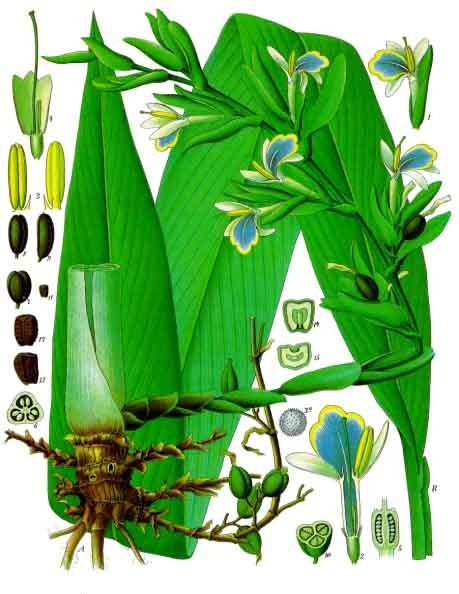 cardamomElettaria cardamomum
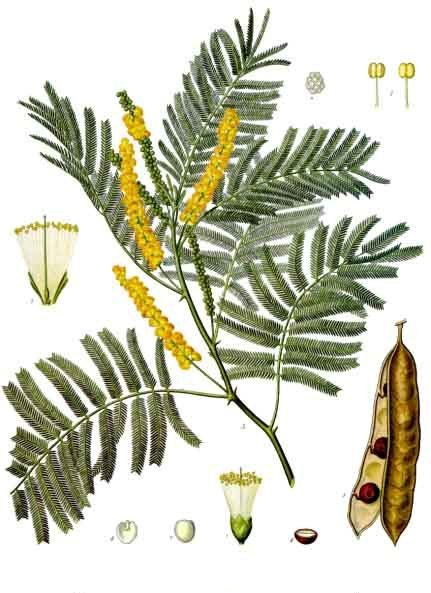 cutch treeAcacia catechu
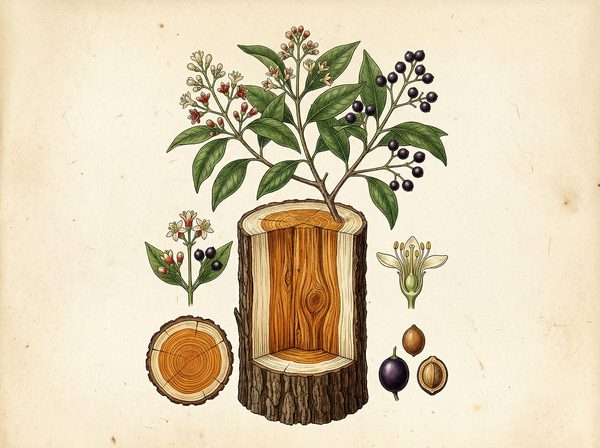 sandalwoodSantalum album
Nearby on the shelf
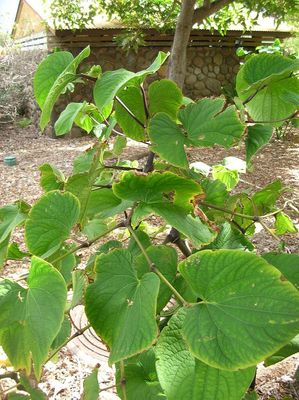 Kava kavaPiper methysticum
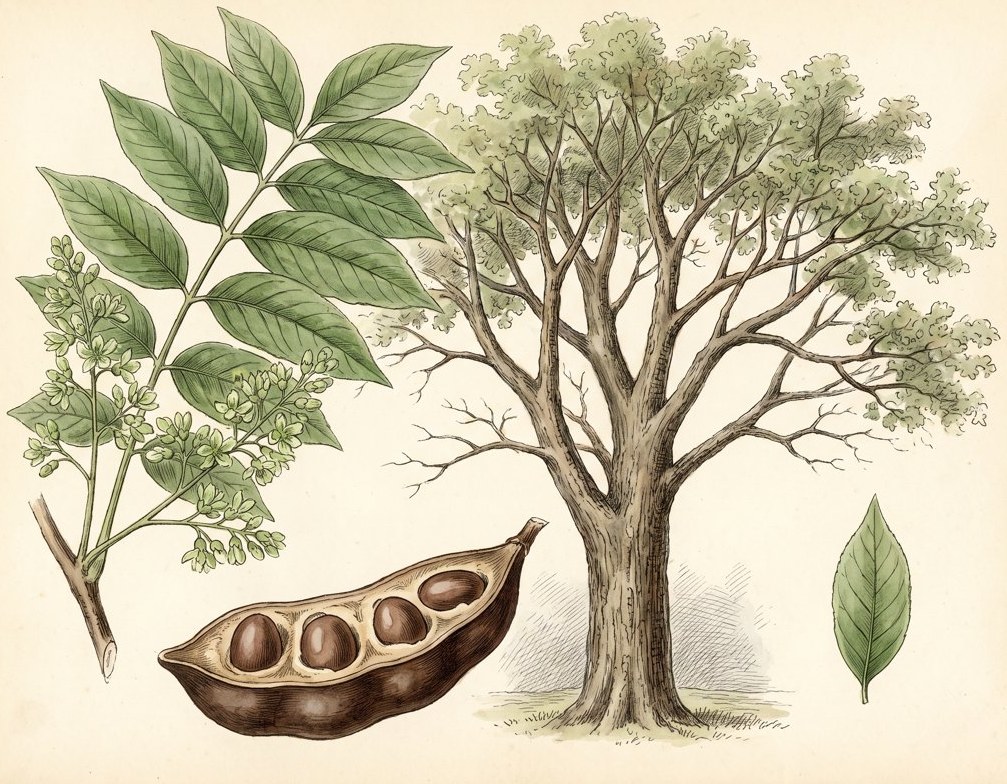 Kentucky coffee treeGymnocladus canadensis
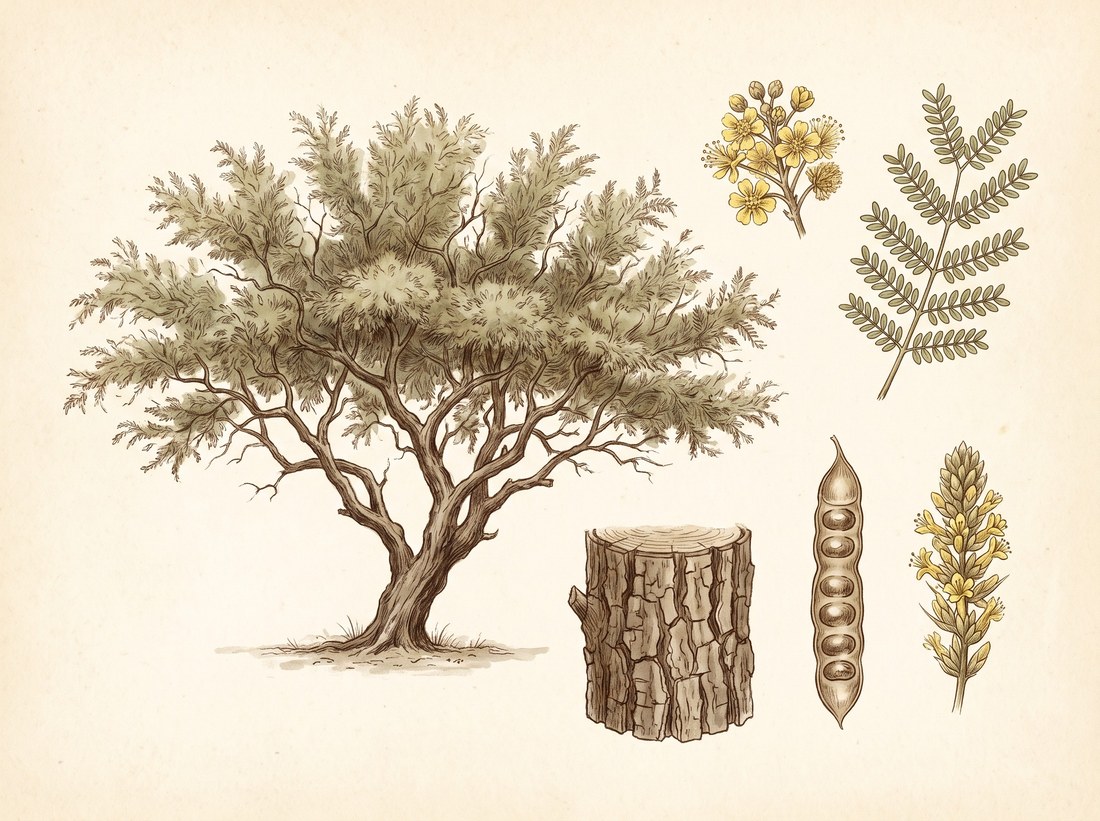 KhejriProsopis cineraria
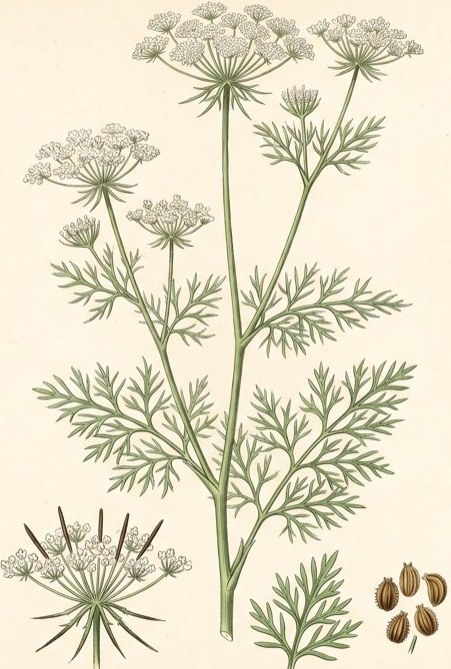 KhellaAmmi visnaga
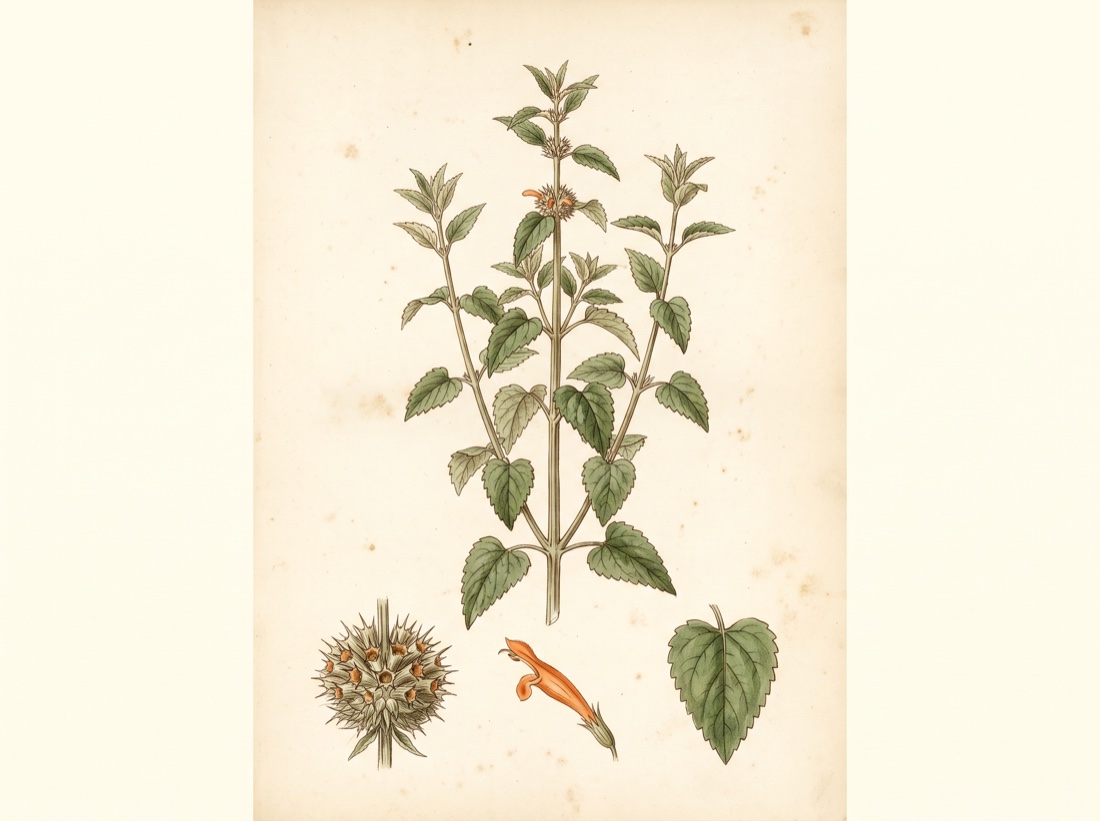 Klip daggaLeonotis nepetifolia
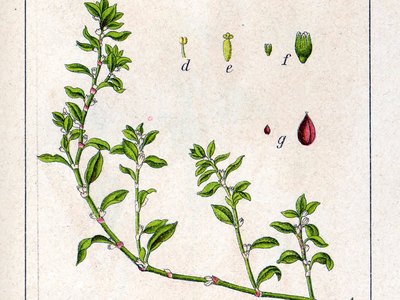 KnotgrassPolygonum aviculare
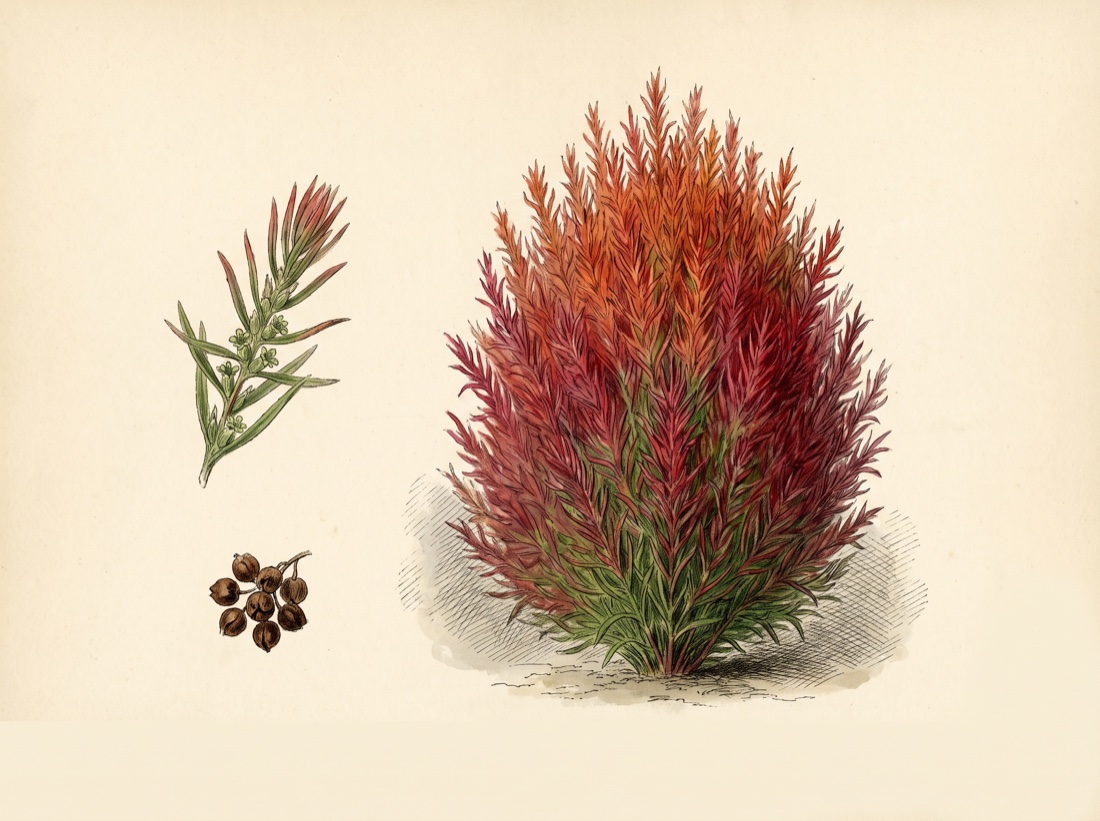 KochiaBassia scoparia
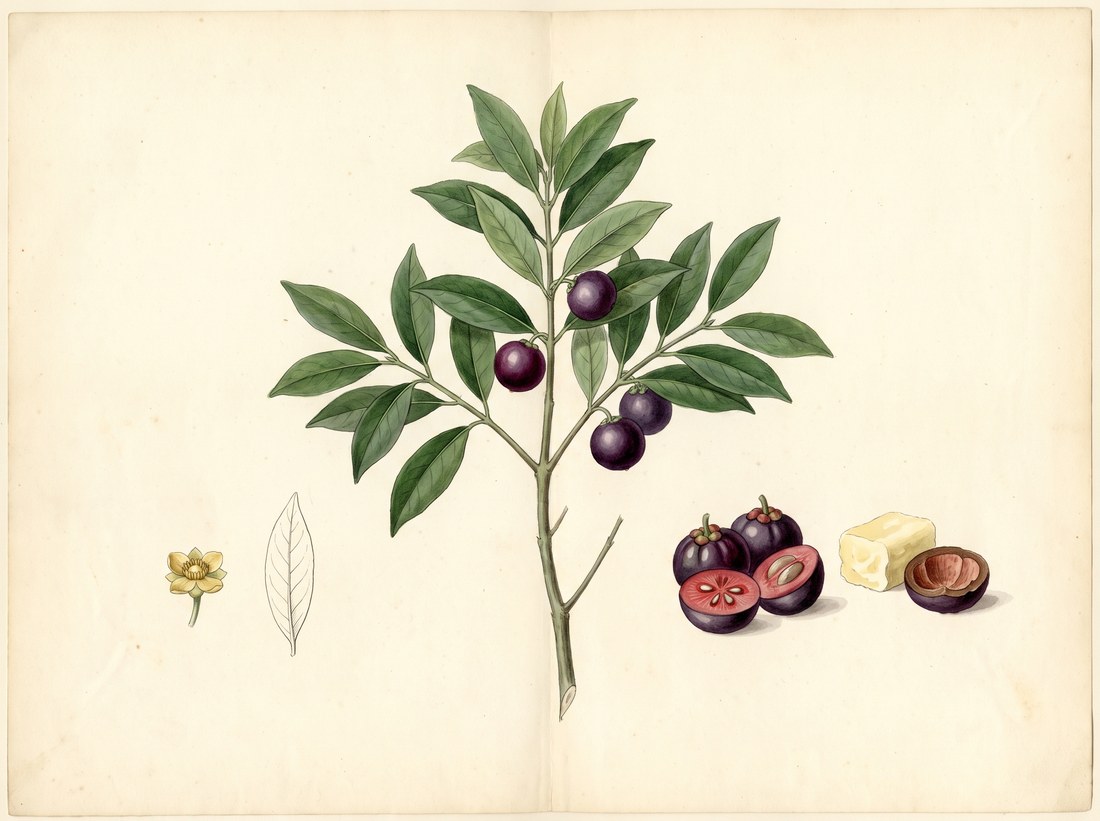 KokumGarcinia indica
The whole plate is in the library. The compass, Compare, the Sky of eleven hundred plants and the formulary open with an email address and a password, free, with the formula builder and its safety engine. Herbert without limit, his formulating, clients, the handouts and the labels are the paid room.
Open the library, free