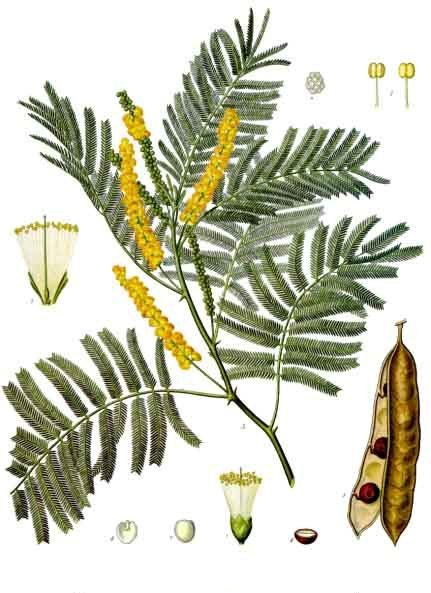
Western and Ayurvedic herbalism
Cutch tree
Acacia catechu
Also known as black catechu, catechu, khair, kattha, Cutch, Khadira, Terra japonica, Khadira, Gayatri, Dantadhavana.
Acacia catechu, now placed under Senegalia catechu, is a medium-sized thorny deciduous tree of the dry forests of the Indian plains, the Himalayan foothills, the Deccan and Myanmar, valued for its dark red heartwood and the concentrated extract boiled from it. In Ayurveda the heartwood is Khadira, the foremost drug for kushtha, the whole family of chronic skin diseases, and the classical wood for cleaning the teeth. The heartwood extract, kattha, is the catechu of Western pharmacy and the astringent in the Indian betel quid, and the tree also yields the cutch dye and tanning agent.

Ask Herbert about Cutch tree. Herbert is the master herbalist inside Bountiful Herbs: he answers from this plate and eleven hundred others, with dosing, pairing and cautions. Your first ten questions are free.
Ask HerbertActions
Indications what the tradition reached for it in
- Chronic eczema, psoriasis and weeping dermatoses
- Vitiligo and leukoderma (adjunct, traditional)
- Recurrent boils and skin infections
- Gingivitis, bleeding gums and dental plaque
- Mouth ulcers and sore throat (gargle)
- Acute and chronic diarrhea
- Bleeding hemorrhoids
- Heavy menstrual bleeding (adjunct)
- Type 2 diabetes with skin complications (adjunct)
- Obesity with sluggish metabolism (traditional)
- Wounds and ulcers that weep (topical wash)
- Gingivitis
- Skin conditions
- Eczema
- Psoriasis
- Scabies
- Ulcers
- Itching
- Acne
- Boils
- Bronchitis
- Gonorrhea
- Asthma
- Leukorrhea
- Peptic ulcer
- Diabetes
- Toothache
- Splenomegaly
- Obesity
- Modern Herbal
Specific indications
A kapha-pitta patient with a stubborn, itchy, oozing skin disease that has resisted cooling herbs alone, in whom Khadira as decoction and as a wash dries and cleans the lesions
Bleeding, spongy gums and a coated mouth in a person who also has sluggish digestion, treated with a Khadira twig or decoction gargle twice daily
Chronic loose stool with mucus and a raw, irritated feel to the gut, where a small dose of astringent heartwood steadies without heating
The overweight diabetic with recurrent skin infections and itching, where Khadira cleans the skin and supports the metabolic picture
Safety
The record lists 7 contraindications; open the plate in the library to read them in full.
In practice
Khadira is the Ayurvedic practitioner's backbone herb for skin disease, especially when the lesions are wet, itchy and infected and the constitution is kapha-pitta. Khadirarishta is the everyday form for chronic eczema, psoriasis and boils, taken after food for two to three months alongside a decoction of the heartwood used as a wash on the lesions; Mahakhadira ghrita is the deeper preparation for old, dry kushtha.
In Ayurveda
Rasa: kashaya (astringent), tikta (bitter). Virya: sheeta (cooling). Vipaka: katu (pungent). Guna: laghu (light), ruksha (dry). Dosha: pacifies kapha and pitta; may aggravate vata in excess through its drying astringency. Prabhava: kushthaghna (the foremost drug for skin disease) is the special virtue the tradition assigns to Khadira. Karma: kushthaghna (treats skin disease); raktashodhana (purifies the blood); krimighna (anthelmintic); dantya (benefits the teeth); mukhashodhana (cleanses the mouth); medohara (reduces fat); stambhana (astringent, arrests discharge); vranaropana (heals wounds); kanthya (benefits the throat); jvarahara (reduces fever); kandughna (relieves itching); raktastambhana (checks bleeding). Classical indications: kushtha (skin disease including chronic dermatoses); shvitra (leukoderma); kandu (itching); prameha (urinary disorders including diabetes); medoroga (obesity); atisara (diarrhea); raktapitta (bleeding disorders); arsha (hemorrhoids); mukharoga (disorders of the mouth); dantaroga (dental disease); krimi (worms); shotha (swelling); vrana (ulcers and wounds); pandu (anemia, in compound formulas). The heartwood is the drug, given as kwatha, as churna, in medicated ghee and as the fermented Khadirarishta; the concentrated water extract of the heartwood, kattha, is used in small doses and in mouth preparations. Khadira twigs are the classical toothbrush, and the decoction is used as a mouthwash, gargle and skin wash. Classical formulations: Khadirarishta, Khadiradi vati, Khadiradi gutika, Mahakhadira ghrita, Khadira kwatha, Khadirashtaka kwatha, Aragvadhadi kwatha. Described in: Charaka Samhita, Sushruta Samhita, Ashtanga Hridaya, Bhavaprakasha Nighantu, Dhanvantari Nighantu, Raja Nighantu, Kaiyadeva Nighantu, Ayurvedic Pharmacopoeia of India.
Dosing as the sources wrote it
| Preparation | As written | Metric |
|---|---|---|
| Kwatha | 50-100 mL decoction of heartwood twice daily | 50-100 mL |
| Churna | 3-6 g powdered heartwood twice daily with water or honey | 3000-6000 mg |
| Arishta | 15-25 mL twice daily after food | 15-25 mL |
| Kattha (extract) | 250-500 mg heartwood extract two or three times daily | 250-500 mg |
| Gargle or wash | 50-100 mL cooled decoction as a mouthwash or skin wash twice daily | 50-100 mL |
| Powdered extract | Powdered extract 1-3 g/day | 1000-3000 mg |
Doses are reproduced from the sources for practitioners and are not a recommendation for any person.
From the sources
Overview. Acacia catechu, now placed under Senegalia catechu, is a medium-sized thorny deciduous tree of the dry forests of the Indian plains, the Himalayan foothills, the Deccan and Myanmar, valued for its dark red heartwood and the concentrated extract boiled from it. In Ayurveda the heartwood is Khadira, the foremost drug for kushtha, the whole family of chronic skin diseases, and the classical wood for cleaning the teeth. The heartwood extract, kattha, is the catechu of Western pharmacy and the astringent in the Indian betel quid, and the tree also yields the cutch dye and tanning agent.
Clinical Notes. Heartwood extract known as Katha or Catechu used in Ayurveda as skin tonic (Khadirarishta) widely used in traditional systems (Ayurveda, Unani, folk) promising pharmacological activities but limited clinical trials adulteration common in commercial product
Clinical Notes. Khadira is the Ayurvedic practitioner's backbone herb for skin disease, especially when the lesions are wet, itchy and infected and the constitution is kapha-pitta. Khadirarishta is the everyday form for chronic eczema, psoriasis and boils, taken after food for two to three months alongside a decoction of the heartwood used as a wash on the lesions; Mahakhadira ghrita is the deeper preparation for old, dry kushtha.
Therapy. A tonic astringent indicated in diarrheas where the discharges are serous, very watery in character-large fluid discharges, with mucus. It will relieve intestinal hemorrhage, when the above diarrheas are present, and the mucous membranes are relaxed, and out of tone. If combined with stimulant tonics or aromatics it is more serviceable. With special uterine tonics, it will be found advantageous in menorrhagia.
Drawn from Cook's Physio-Medical Dispensatory; King's American Dispensatory, 18th edition (Felter and Lloyd); Ellingwood's American Materia Medica, Therapeutics and Pharmacognosy, and the Bountiful Herbs editorial.
In formulas
Cutch tree stands in 132 documented formulas in the library, among them Ayaskṛti, Khadirāriṣta, Daśamūlāriṣṭa, Devadārvāriṣṭa, Elādi Ghṛta, Nimbādi Cūrṇa.
Often paired with
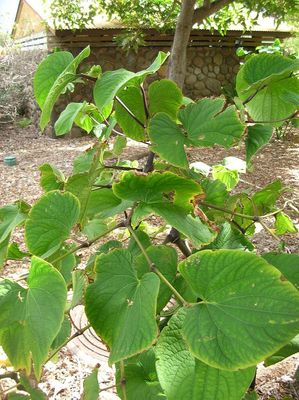 Kava kavaPiper methysticum
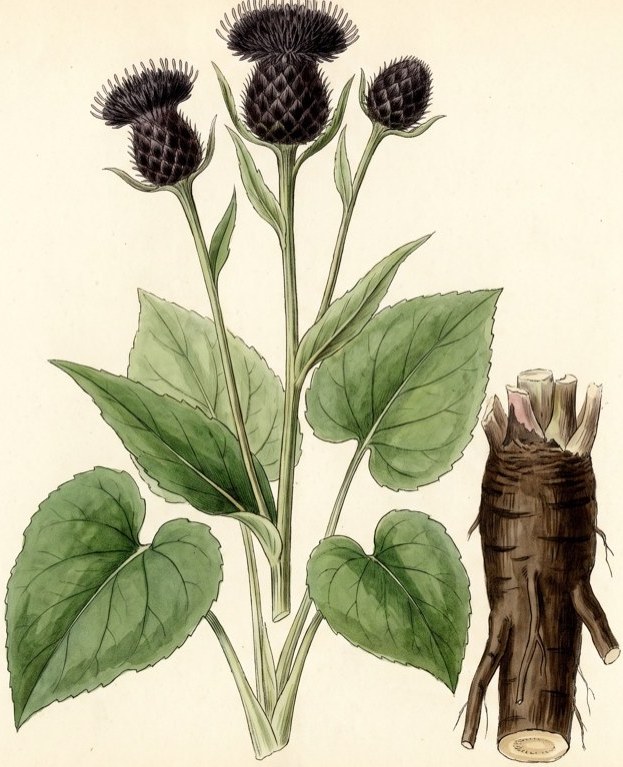 costusSaussurea costus
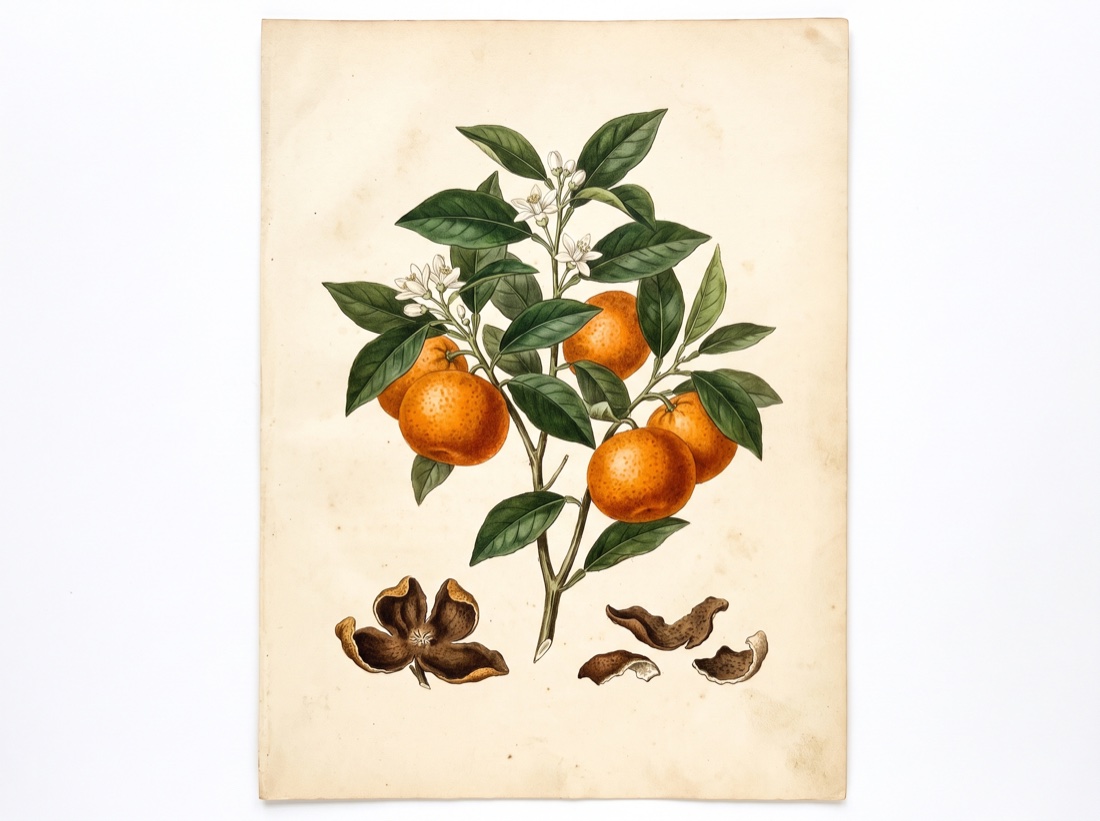 tangerineCitrus reticulata
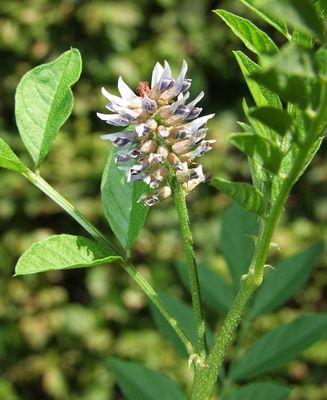 Licorice rootGlycyrrhiza glabra
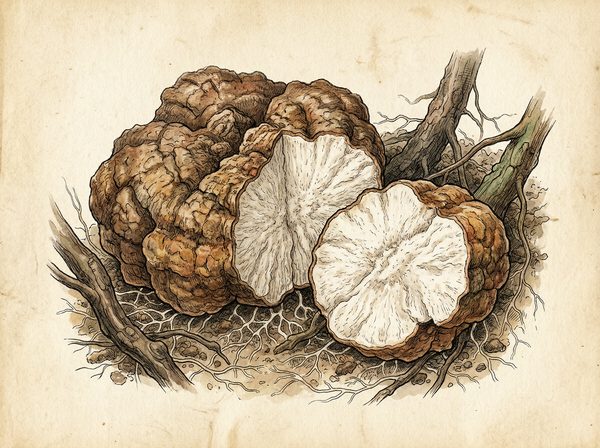 PoriaWolfiporia extensa
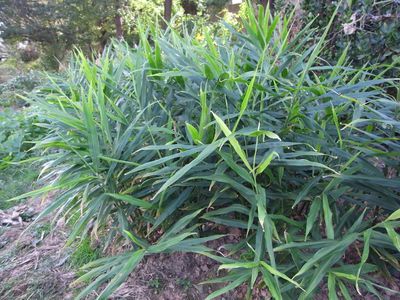 GingerZingiber officinale
Nearby on the shelf
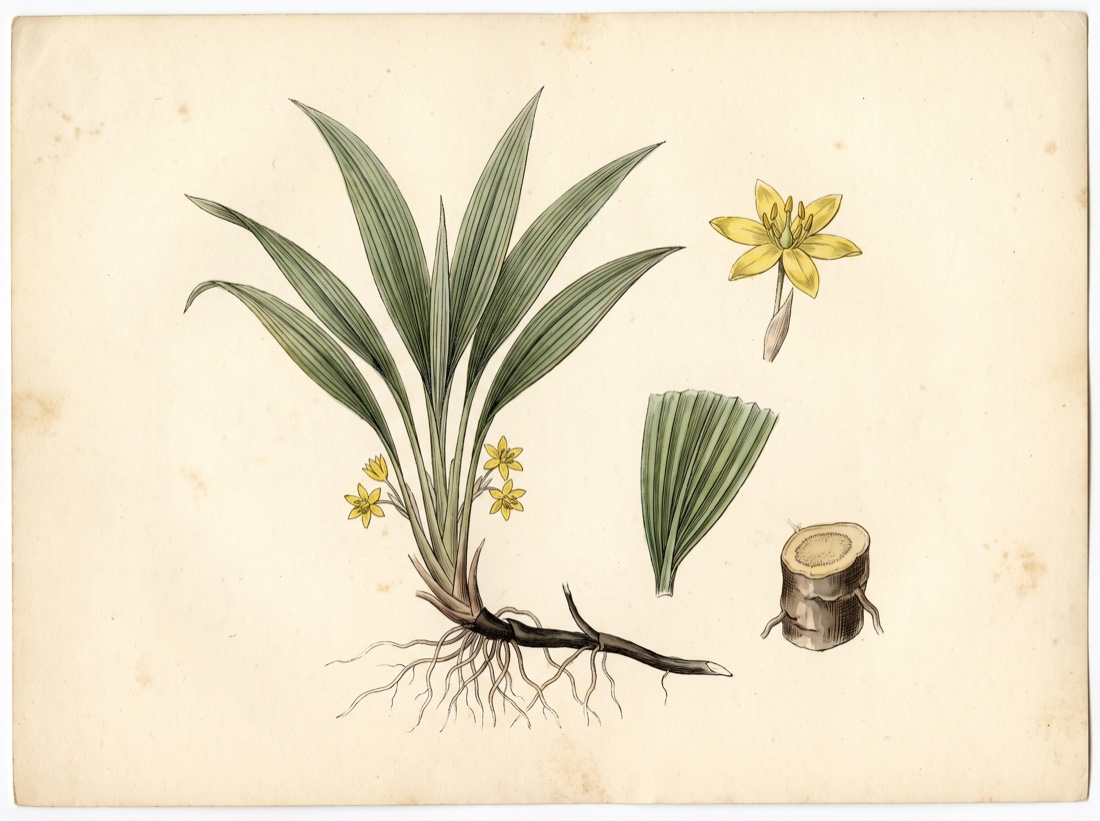 CurculigoCurculigo orchioides
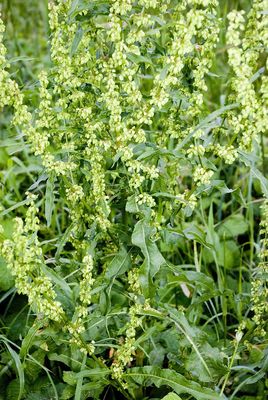 Curly dockRumex crispus
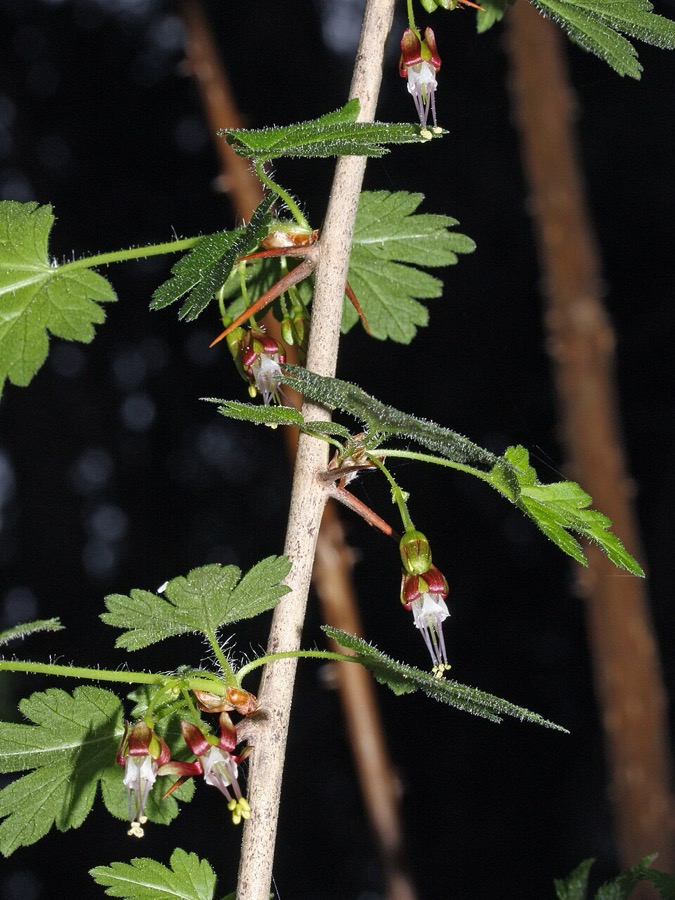 CurrantRibes
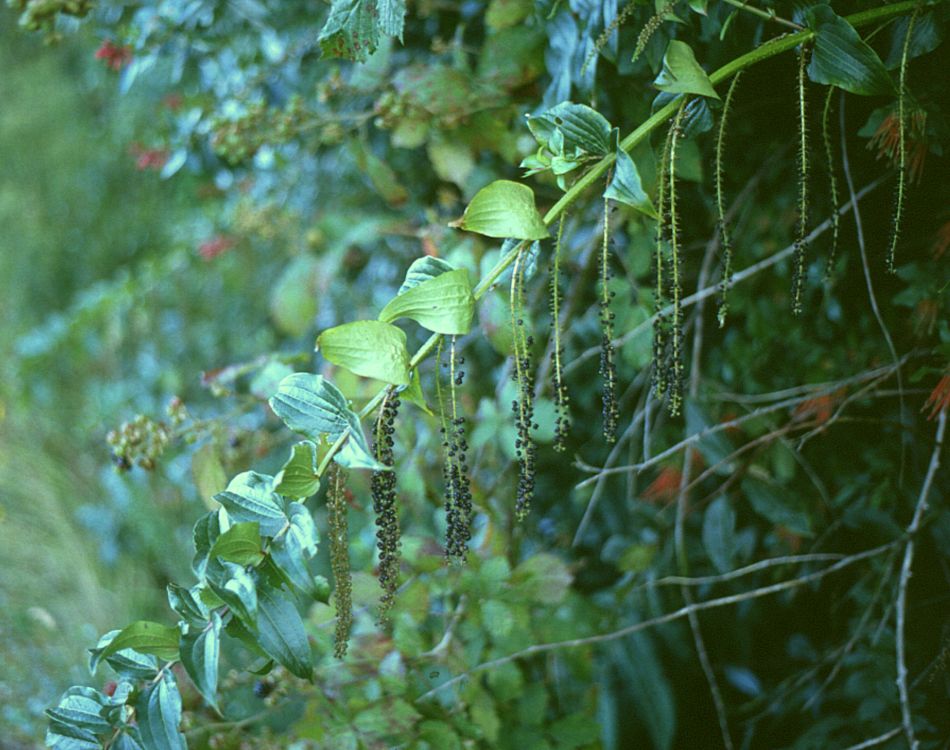 Currier's SumachCoriaria
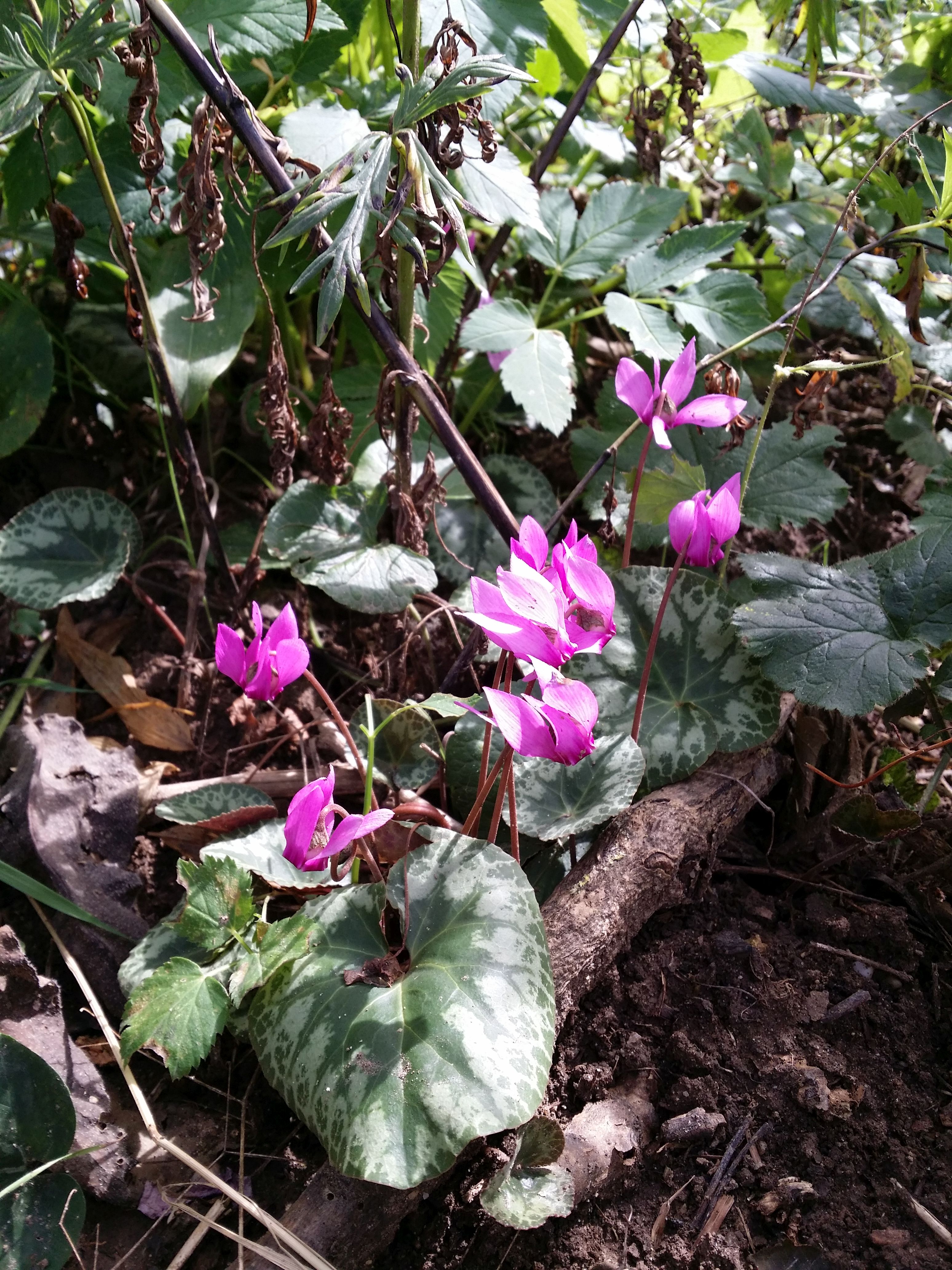 CyclamenCyclamen
 CynomoriumCynomorium songaricum
 DaffodilNarcissus
 Dahurian angelicaAngelica dahurica
The whole plate is in the library. The compass, Compare, the Sky of eleven hundred plants and the formulary open with an email address and a password, free, with the formula builder and its safety engine. Herbert without limit, his formulating, clients, the handouts and the labels are the paid room.
Open the library, free